It sometimes feels like the truly special films have a way of finding their audience, even if it takes a little while. Back in 1999, amidst the roar of the summer movie season, a beautifully crafted animated film arrived with little fanfare from Warner Bros., performed modestly at the box office (around $31 million worldwide against a $50-70 million budget), and then quietly vanished from theaters. But like its metallic protagonist, The Iron Giant was destined for more. It didn't just fade away; it endured, discovered on home video (hello, trusty VHS and later DVD!), and grew into one of the most beloved animated features of its generation. Watching it today feels less like discovering a forgotten film and more like welcoming home an old, dear friend.
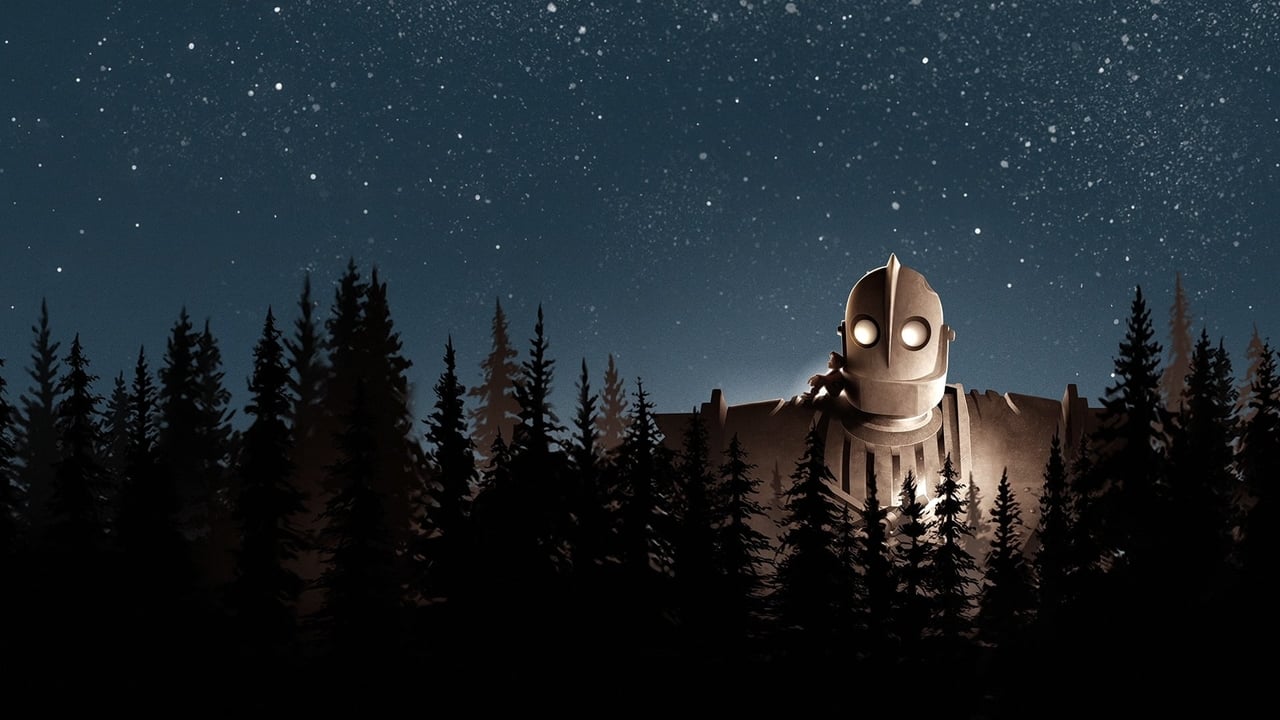
A Friendship Forged in Cold War Paranoia
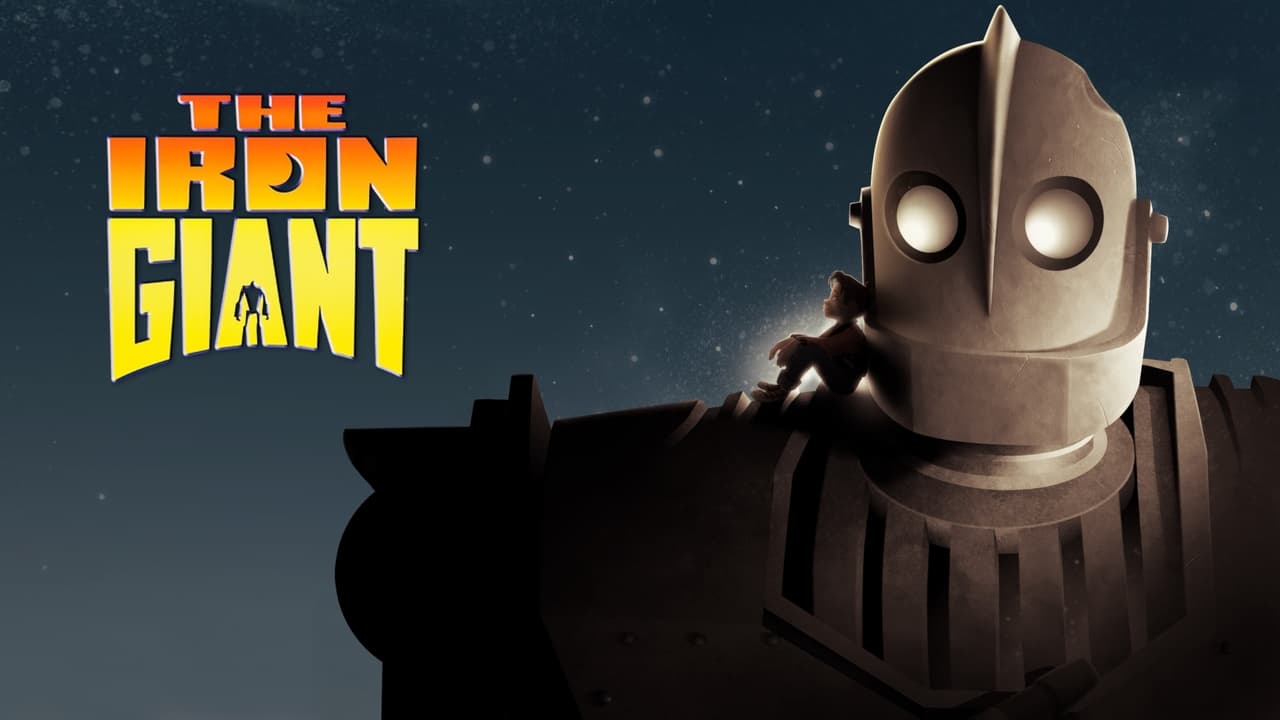
Set against the backdrop of small-town America in 1957 – Rockwell, Maine, a place brimming with Sputnik-era anxiety and sci-fi comic book dreams – the story introduces us to young Hogarth Hughes (Eli Marienthal giving a wonderfully authentic performance). Hogarth is a bright, imaginative kid navigating life with his hardworking single mom, Annie (voiced with warmth by Jennifer Aniston, then at the height of her Friends fame). One night, investigating a disturbance near a power station, Hogarth stumbles upon something extraordinary: a colossal robot from outer space. What follows isn't an invasion story, but the touching development of a friendship between a lonely boy and a metal giant with amnesia.
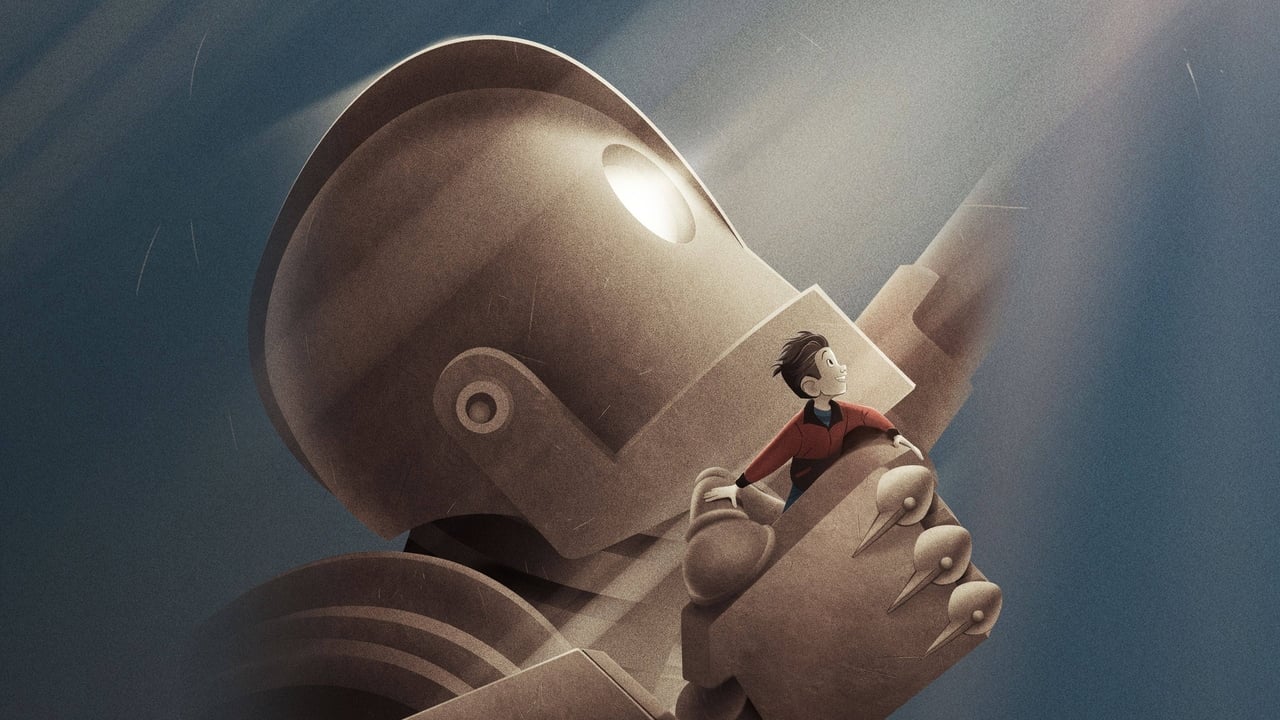
The heart of the film beats within this relationship. Hogarth teaches the Giant, who initially seems like a walking weapon, about life, heroism (via comic books, naturally), and the preciousness of choice. Their interactions are filled with humour, wonder, and eventually, profound tenderness. Scenes like the Giant attempting to mimic Superman, or the quiet moments shared in the woods, are etched into the memory of anyone who cherishes this film. It captures that childhood feeling of having a secret, magnificent world all your own.
Animation That Still Shines
Visually, The Iron Giant was, and remains, a stunner. This was the feature directorial debut for Brad Bird (who would later give us Pixar classics like The Incredibles (2004) and Ratatouille (2007), and you can see the seeds of his dynamic storytelling and visual flair here). The film masterfully blends traditional hand-drawn animation for the human characters and environments with computer-generated imagery for the Giant himself. It was a bold move back then, and the integration is remarkably seamless. The Giant doesn't feel like a digital effect awkwardly pasted onto a 2D world; he belongs there, possessing tangible weight and expressive movement. The character design is iconic – powerful yet capable of conveying incredible gentleness and confusion, largely thanks to the animators and the surprisingly resonant, minimalist voice work of a pre-superstardom Vin Diesel. Who knew so few words ("Superman...") could carry so much emotional weight?
More Than Just Scrap Metal
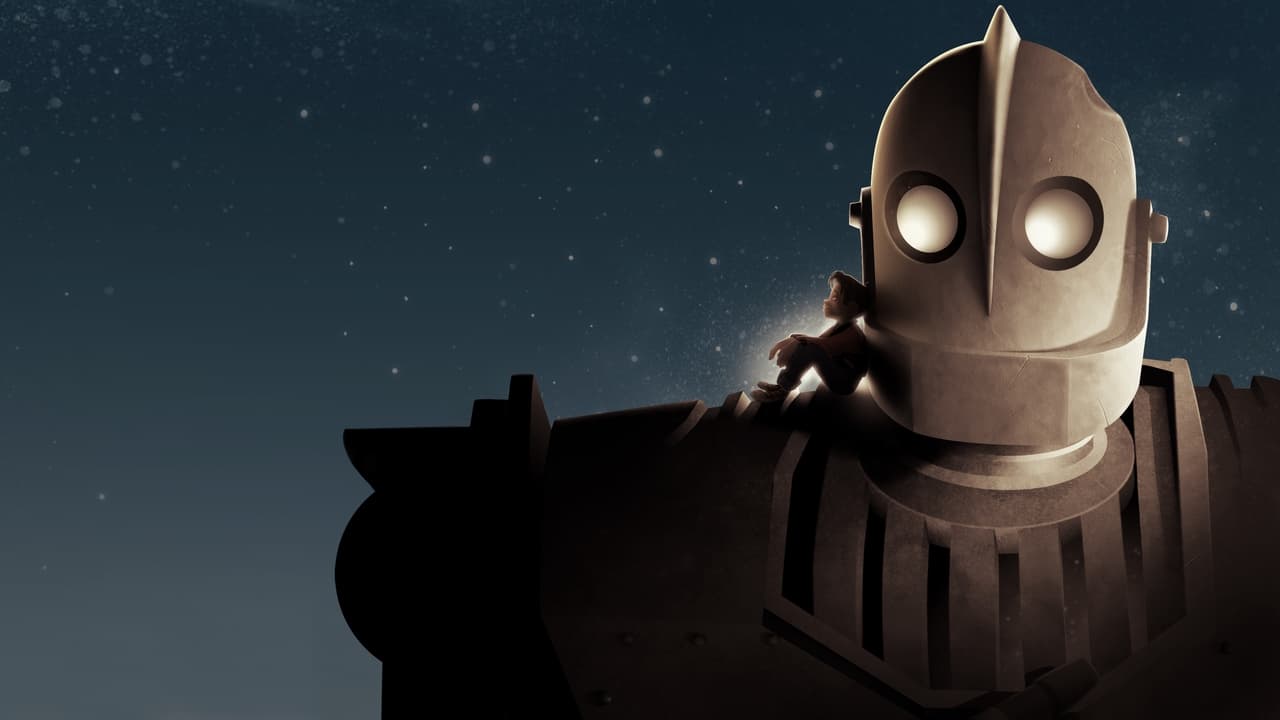
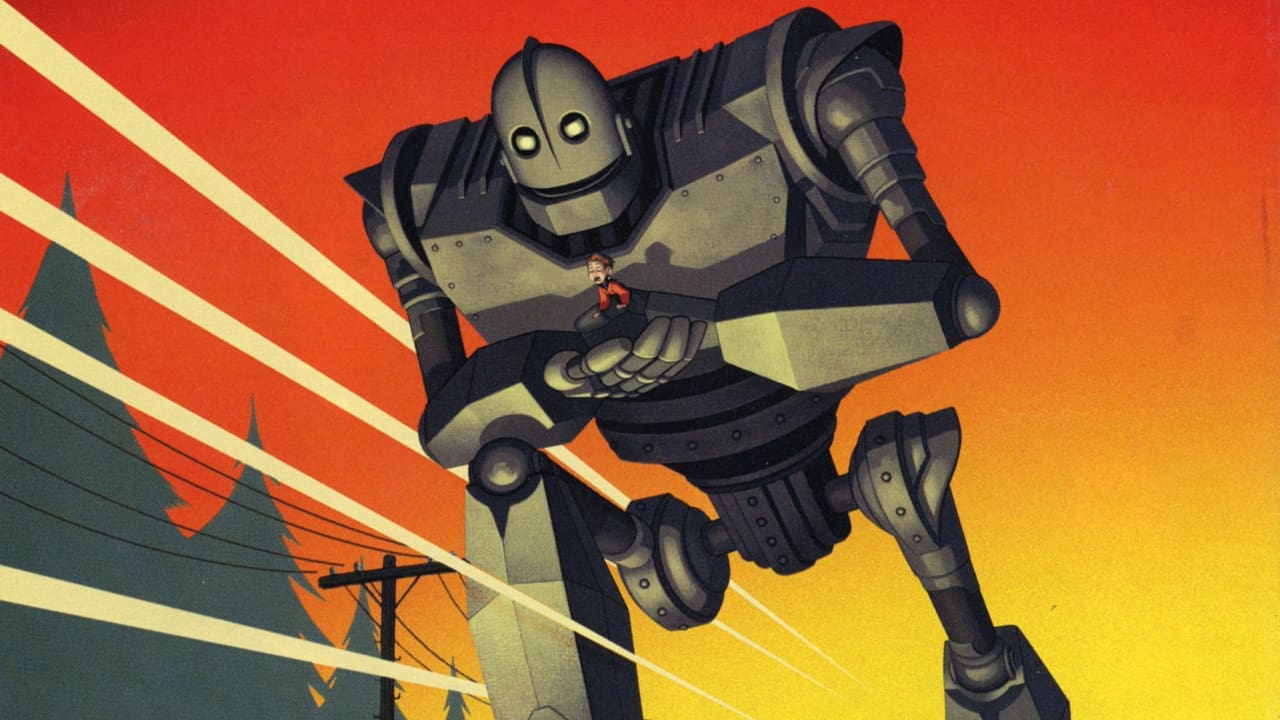
Beneath the charming boy-and-his-robot exterior, The Iron Giant tackles surprisingly deep themes. Working from Ted Hughes' 1968 book The Iron Man (retitled for the US release), Bird and screenwriter Tim McCanlies crafted a narrative rich with meaning. The Cold War setting isn't just window dressing; it fuels the plot through the arrival of the paranoid government agent Kent Mansley (Christopher McDonald, perfectly embodying bureaucratic fearmongering). Mansley represents the knee-jerk reaction to destroy what we don't understand, a stark contrast to Hogarth's empathy and Dean McCoppin's (the beatnik scrap artist voiced smoothly by Harry Connick Jr.) open-mindedness.
The film's central message, "You are who you choose to be," resonates powerfully. The Giant, potentially built as a weapon of mass destruction, learns that his purpose isn't predetermined. It’s a sophisticated idea presented with remarkable clarity and emotional honesty, hitting home without ever feeling preachy. It’s a poignant reminder, as relevant today as it was in the late 90s (or indeed, the late 50s), about prejudice, fear, and the power of individual choice.
Retro Fun Facts: The Giant's Journey
- The film's journey was fraught. Warner Bros. Feature Animation was struggling, and The Iron Giant faced production challenges and received minimal marketing support upon release, contributing to its initial box office disappointment. Fans often lament how poorly the studio handled such a gem.
- Before Brad Bird took over, Pete Townshend of The Who had developed the project based on his 1989 concept album, The Iron Man: A Musical. Bird pitched his non-musical, Cold War-era take and thankfully won the studio over.
- Bird reportedly motivated his animation team, who were somewhat demoralized after the failure of Quest for Camelot (1998), by fostering a collaborative and passionate environment, even allowing animators to initial their shots – a rare practice.
- Look closely during the scene where the Giant's hand scurries through Dean's junkyard – it momentarily forms the shape of a gun before correcting itself, a subtle visual cue about its internal conflict and potential programming.
An Enduring Legacy
Despite its quiet theatrical run, The Iron Giant became a critical darling and built a passionate following through home video and television airings. Its reputation has only grown over time, now widely regarded as an animated classic. It proved that animated films could tell deeply emotional, thematically rich stories outside the established Disney formula. The subsequent release of a 'Signature Edition' in 2015, featuring restored footage and new scenes overseen by Bird, further cemented its place in animation history. It's a film that makes you think, makes you feel, and ultimately, makes you believe in the better angels of our nature, even when faced with fear and suspicion.
VHS Heaven Rating: 9.5/10
This score reflects the film's near-perfect blend of stunning animation, heartfelt storytelling, memorable characters, and profound themes. The direction is assured, the voice acting superb, and the emotional core resonates deeply. While its initial reception was hampered by factors beyond its control, the sheer quality and enduring power of The Iron Giant make it an undeniable classic. It achieves that rare feat of being both wonderfully entertaining and genuinely moving.
The Iron Giant is more than just a cartoon; it’s a beautiful fable about identity and choice, wrapped in a nostalgic, yet timeless, package. It reminds us that even in the face of towering fear, friendship and understanding can prevail. You are who you choose to be... now that's a message worth remembering.