Alright fellow tapeheads, gather 'round the flickering glow of the imaginary CRT. Tonight, we're digging deep into the dusty corners of the video store shelf, past the big-budget blockbusters, to unearth a special kind of gem – the kind that glitters with low-budget ambition and radiates pure, unadulterated 1970s weirdness. Let's talk about Michael Rae’s Laserblast (1978), a film that landed just after Star Wars changed the game but felt gloriously, charmingly worlds away.
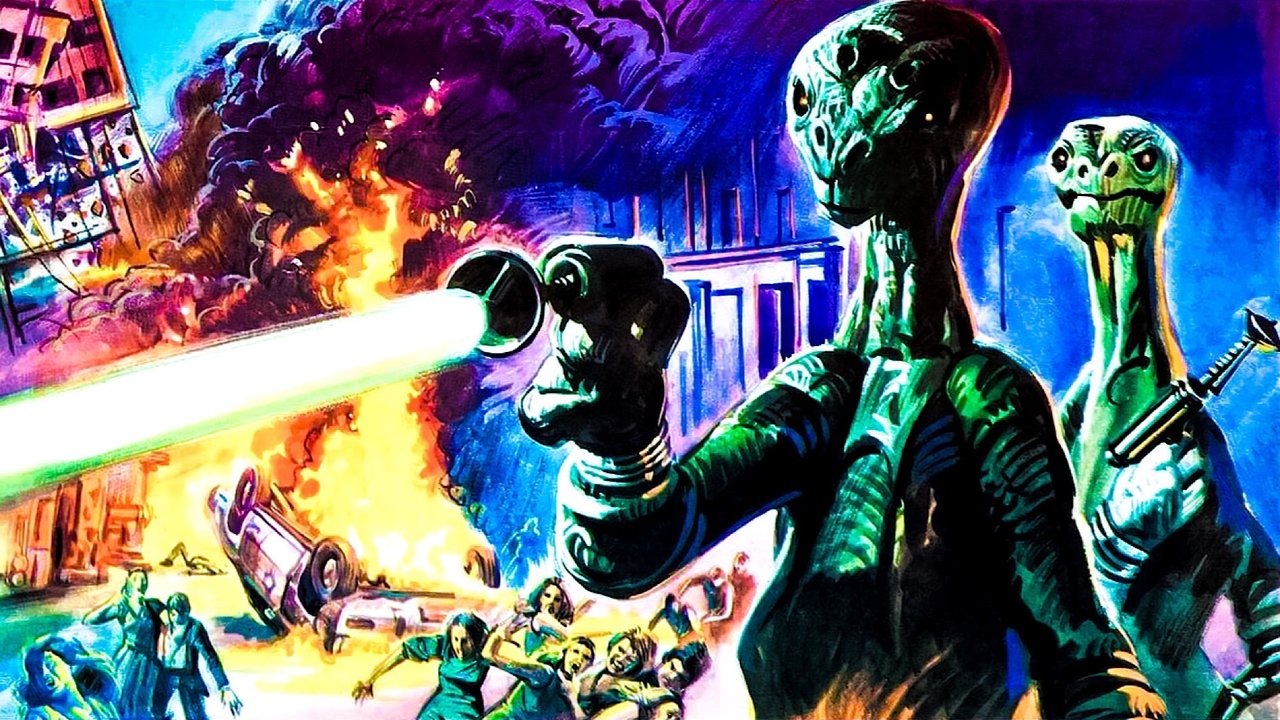
Finding this tape back in the day felt like uncovering a secret. Maybe it was nestled between a dusty copy of Logan's Run and some forgotten slasher flick. The cover art promised sci-fi action: a dude wielding a massive alien cannon, explosions lighting up the background. What you got was... well, Laserblast. And honestly? That was part of the magic.
### Desert Sun and Alien Guns
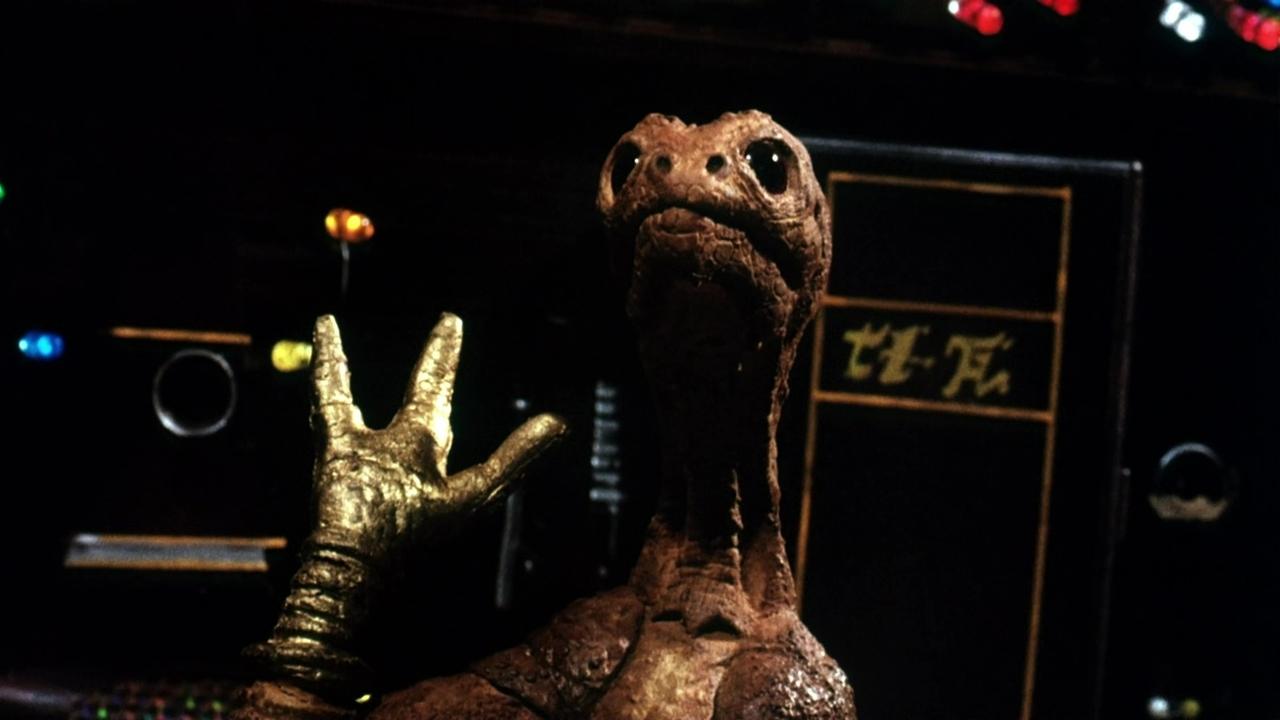
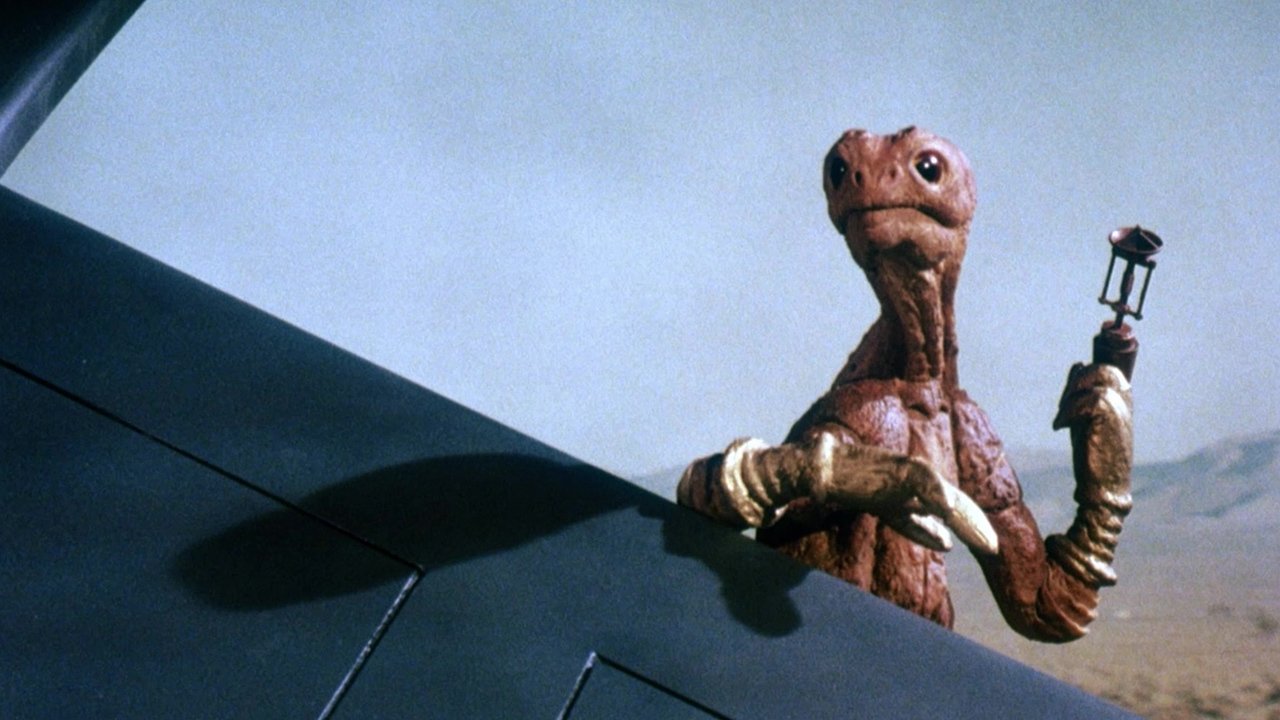
The setup is classic drive-in fodder. We meet Billy Duncan (Kim Milford, who some might remember from stage productions like The Rocky Horror Show), a perpetually zoned-out teenager in a sleepy desert town. He’s bullied, misunderstood, and generally having a bummer of a time until – wouldn't you know it – he stumbles upon a discarded alien laser cannon in a remote crater. Left behind by some rather goofy-looking, stop-motion reptilian aliens after they vaporize its previous wielder, this device becomes Billy's ticket to… destructive power!
The plot, such as it is, follows Billy as he uses the laser arm cannon (which grafts itself rather unpleasantly onto his arm) to exact revenge on his tormentors and generally blow stuff up. All the while, the strange medallion he also found slowly turns him green and monstrous, because cosmic power always has a price, right? Oh, and those aliens? They’re coming back for their weapon.
### Explosions on a Budget
Let's be real: the "action" in Laserblast isn't exactly Die Hard. But what it lacks in finesse, it makes up for with sheer, unbridled enthusiasm for pyrotechnics. The titular laser blast effect is simple, often just optically printed onto the film, accompanied by a wonderfully cheesy sound effect. But when that beam hits? Glorious, practical explosions! Cars erupt in satisfying fireballs that feel weighty and dangerous precisely because they were real. Forget CGI smoke plumes; this was the era of rigging actual vehicles with explosives and letting rip. It's rumored that a hefty chunk of the film's meager $250,000 budget went directly into making things go boom, and you can absolutely see it on screen. Remember how impressive even basic car explosions looked on a fuzzy VHS copy late at night? Laserblast delivered that specific thrill.

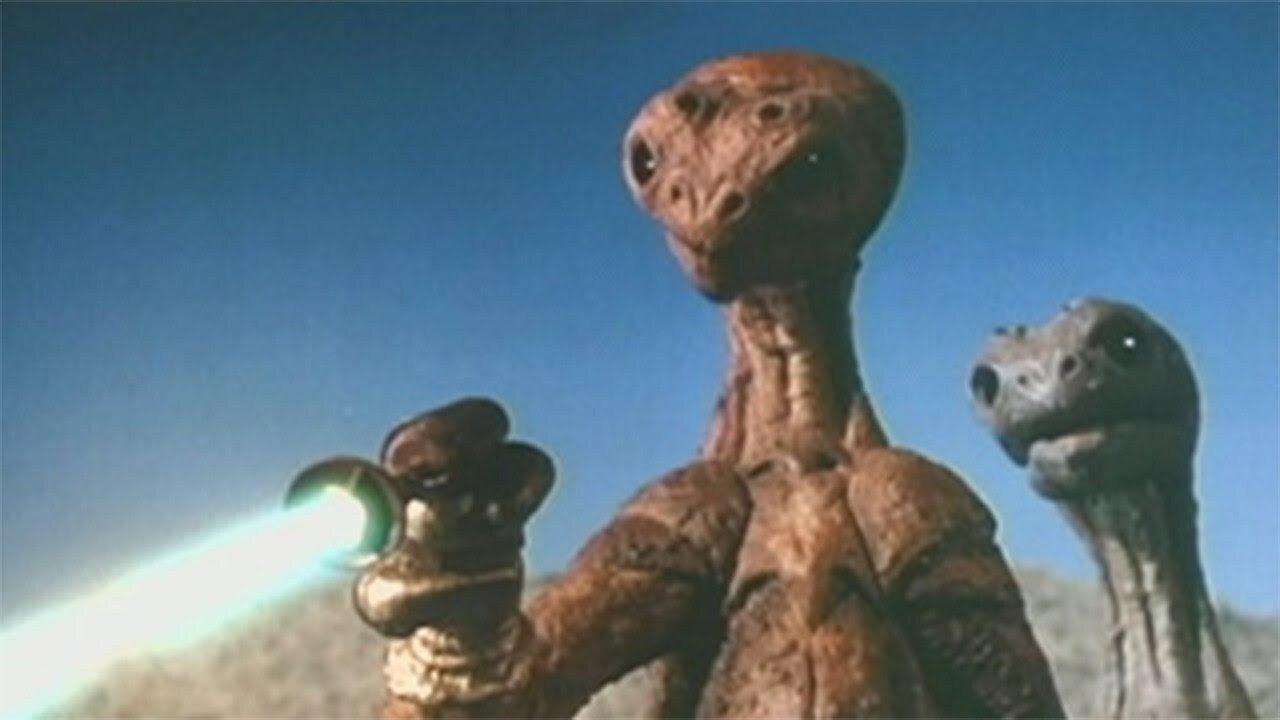
Adding to the low-budget charm are the aliens themselves. Rendered in stop-motion by the legendary David W. Allen (who would later give us incredible work in films like Willow and Honey, I Shrunk the Kids), these lumbering turtle-like creatures are pure retro delight. Yes, the animation is jerky compared to today's fluid CGI, but there's an undeniable artistry and personality there. Seeing them waddle around their spaceship control room is one of the film's most memorable (and often unintentionally hilarious) highlights. It’s a testament to practical effects wizardry done with passion, even if resources were tight.
### That Seventies Feeling
Beyond the laser-fueled mayhem, the film is steeped in late-70s atmosphere. The sun-baked desert locations feel authentic, the pacing is… let’s call it ‘deliberate’, and the performances range from Milford’s moody detachment to the frankly baffling presence of Gianni Russo (yes, Carlo from The Godfather!) as the smug government agent Tony Craig. Toss in cult favorite Cheryl Smith (sometimes credited as Rainbeaux Smith) as Billy's concerned girlfriend Kathy, and an uncredited cameo by Roddy McDowall as a doctor examining Billy's weird green affliction, and you have a cast that adds another layer of B-movie fascination.
This wasn't a film critics exactly championed upon release. It played the drive-in circuit and largely faded, only to gain its cult status later, particularly thanks to a legendary skewering on Mystery Science Theater 3000. But even outside the riffing, there's an earnestness here. This was Charles Band's first foray into producing sci-fi/horror (he’d later give us Empire Pictures and Full Moon Features, temples of direct-to-video goodness!), and you can sense the desire to create something cool, even if the execution wobbles. They tried, dammit!
Laserblast is undeniably clunky. The plot meanders, the acting can be stiff, and the logic occasionally takes a vacation. But watching it now evokes that specific feeling of late-night channel surfing or browsing the stranger corners of the video store, hoping to find something wild and unexpected. It’s a time capsule of ambitious, low-budget filmmaking from an era before slick digital effects smoothed everything over.
VHS Heaven Rating: 5/10
Justification: Look, Laserblast isn't a "good" movie by conventional standards. The pacing drags, the script is paper-thin, and it leans heavily into its few explosive set pieces. But for sheer 70s B-movie weirdness, earnest practical effects (those explosions!), genuinely cool stop-motion aliens (thanks, David Allen!), and its status as a beloved cult oddity (long live MST3K!), it earns its place. It delivers exactly what its title promises, albeit slowly and strangely.
Final Thought: It might move at the speed of its own stop-motion aliens, but Laserblast still packs a certain goofy, explosive charm that feels perfectly preserved on magnetic tape. A must-see for connoisseurs of delightful cinematic cheese.