The flickering static clears, replaced by the grimy blues and pulsing reds of a city that never sleeps, but maybe wishes it could. Some films just feel like they belong to the twilight hours, discovered on a dusty VHS shelf, promising something visceral, something strange. Scanner Cop (1994) is precisely that kind of discovery – a transmission from the tail-end of the practical effects boom, grafting the psychic body horror of David Cronenberg’s Scanners onto the gritty frame of a 90s police procedural. Forget the A-list glitz; this is straight-from-the-video-store B-movie territory, and it carries a certain dark, undeniable charm.
Headaches and Homicide
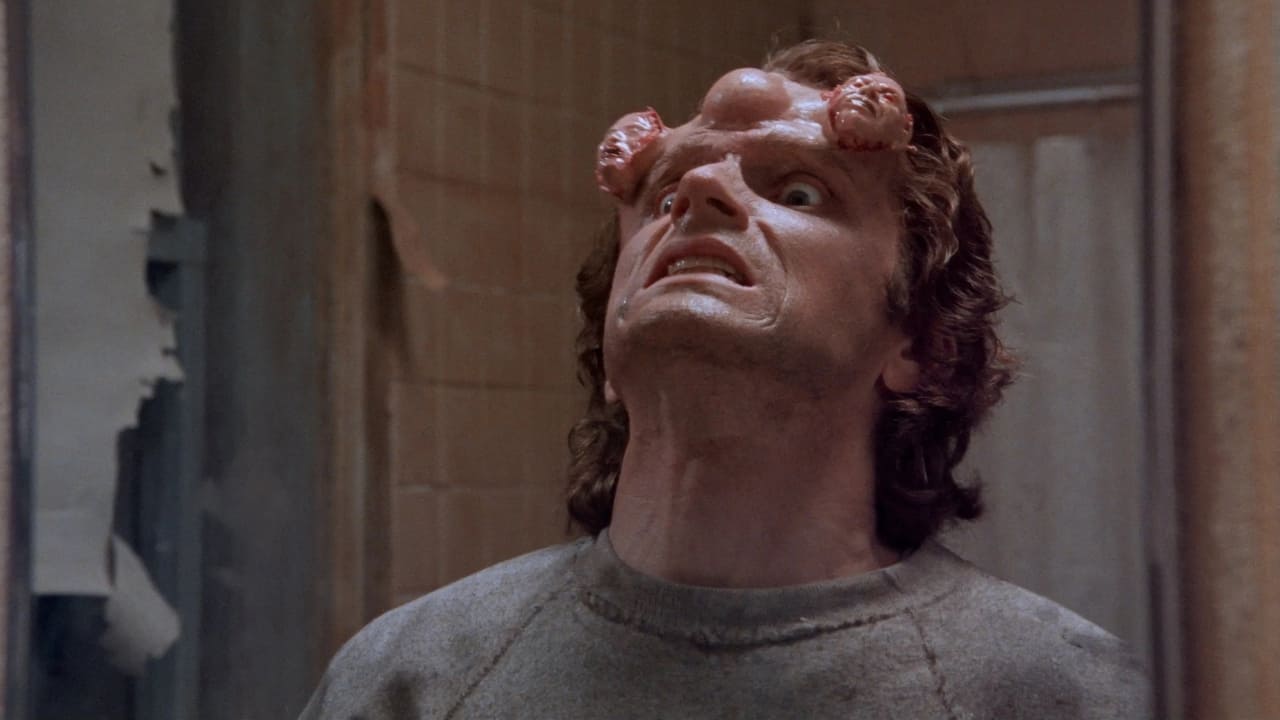
The premise hits like a psychic migraine: Sam Staziak (Daniel Quinn) is a rookie cop haunted by a past and powers he desperately wants to suppress. He’s a Scanner, one of the telepathic, telekinetic few whose abilities often manifest with explosive, bio-destructive results. Plagued by debilitating headaches and the fear of losing control, Staziak relies on Ephermerol, the same drug used in the earlier films, to keep his powers dormant. But when a series of seemingly motiveless killings begins targeting police officers, leaving them suggestible husks before their deaths, Commander Peter Harrigan (Richard Grove, bringing the necessary weary authority) realizes conventional methods won't cut it. He forces Staziak off the meds and onto the case, unleashing the very abilities the young cop dreads. It’s a potent cocktail: the pressure-cooker life of law enforcement mixed with the internal body horror of a mind threatening to tear itself – and others – apart.
Direct-to-Video Dread
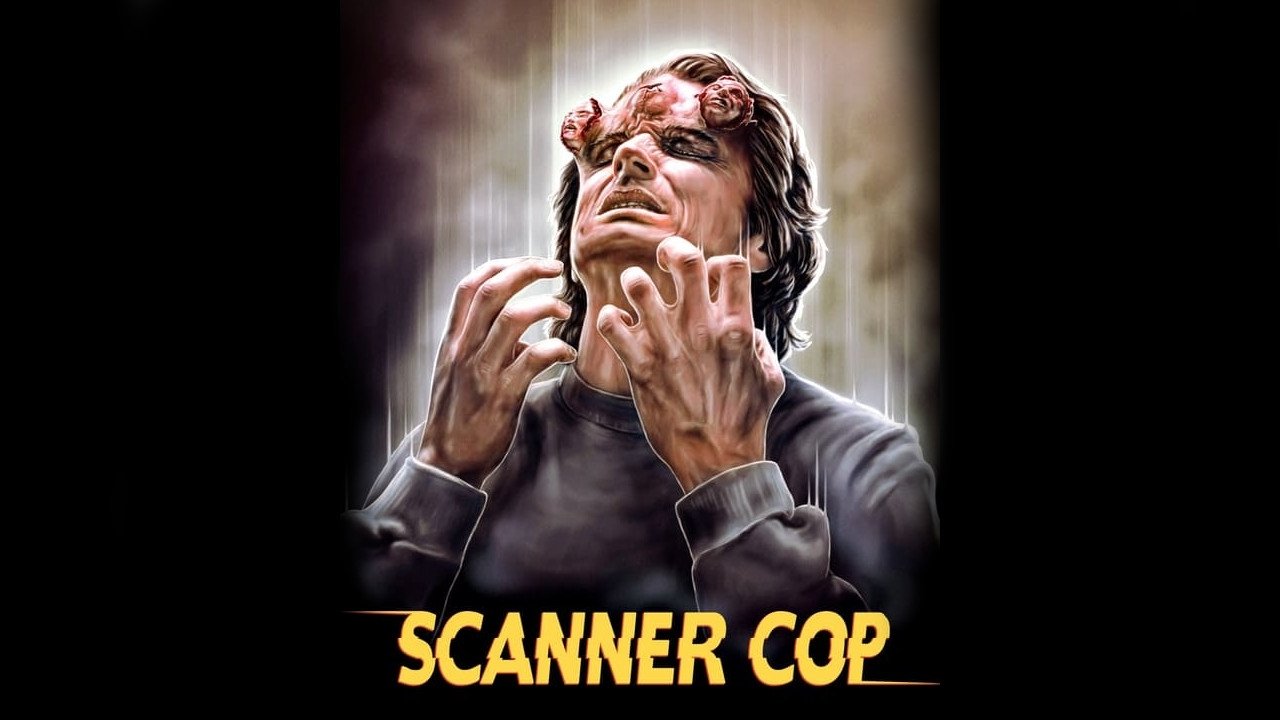
Let’s be clear: this isn't Cronenberg. Producer Pierre David, who had been involved with the original Scanners (1981) and its early sequels, took the director's chair here, steering the franchise firmly into the direct-to-video market. The budget is visibly lower, the scope tighter. Yet, Scanner Cop leverages its limitations effectively. Shot primarily around Los Angeles, the film captures a certain urban decay, a backdrop fitting for Staziak’s internal turmoil and the string of grim murders. The atmosphere is less existential dread, more street-level tension punctuated by bursts of psychic violence. The synth-heavy score, typical of the era, effectively underscores the moments of mental intrusion and impending danger. It feels authentically 90s DTV – lean, focused, and delivering exactly what its lurid cover art promised. Remember grabbing tapes like this, drawn in by the promise of something wild and maybe a little forbidden?
That Exploding Head Feeling
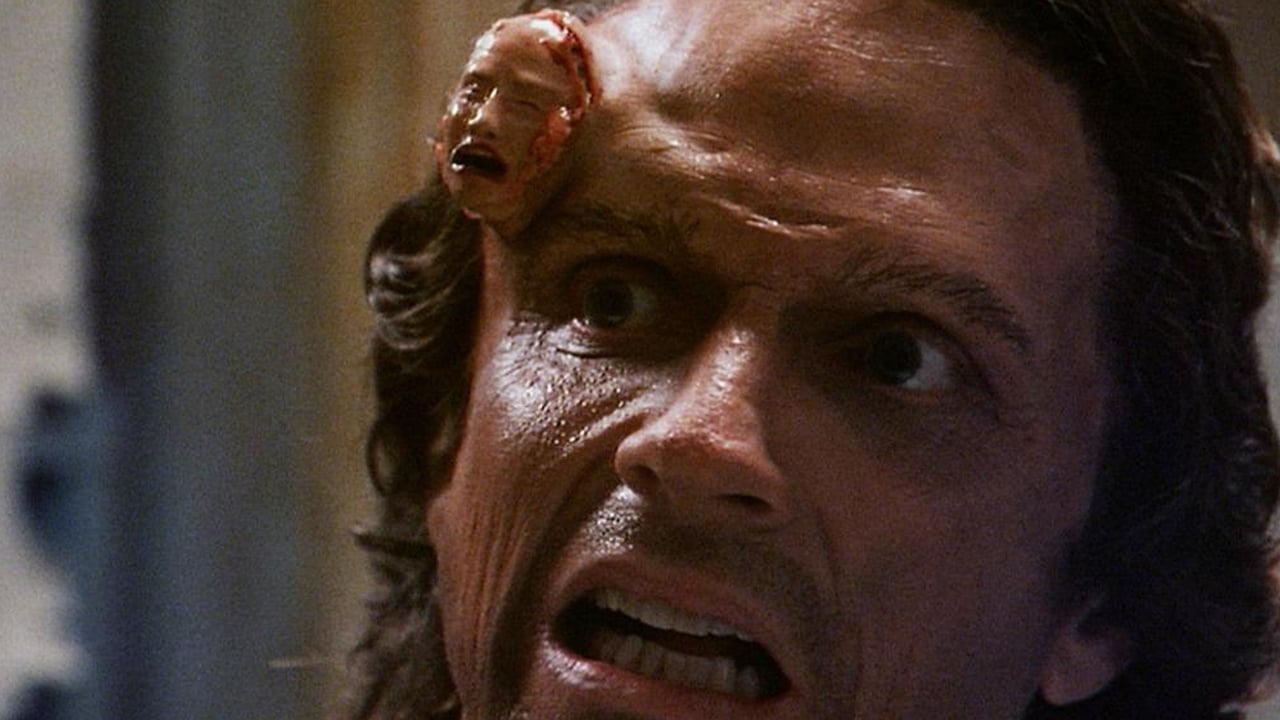
Of course, you can't talk about anything Scanners-related without mentioning the effects. While Scanner Cop doesn't feature anything quite as instantly iconic as the legendary cranium combustion from the 1981 original (a scene that reportedly caused some viewers to faint during test screenings), it doesn't shy away from the expected gore. The 'scanning' effect itself – the bulging veins, the pained expressions – is handled competently, conveying the intense physical strain. Daniel Quinn does a solid job portraying Staziak's agony, making the psychic effort look genuinely painful. And yes, there are moments of graphic head trauma and psychic suggestion leading to nasty ends, realised through practical effects that, while perhaps lacking the polish of big-budget productions, possess that tangible, rubbery gruesomeness that defined so much beloved 90s horror and sci-fi. There’s a certain tactile quality to these effects that CGI often lacks, isn't there? It feels messy, which is precisely the point. The climactic psychic duel delivers the requisite fireworks, fulfilling the B-movie contract.
Beyond the Badge
The supporting cast fills their roles adequately. Darlanne Fluegel (To Live and Die in L.A. (1985)) provides a sympathetic ear as Dr. Joan Alden, studying Staziak and serving as the audience's entry point into the science (or pseudo-science) of Scanners. The villain, revealed later in the film, delivers the necessary menace, though perhaps lacks the memorable strangeness of Michael Ironside's Darryl Revok. The plot itself follows a fairly standard investigative path, elevated primarily by the Scanner element. It’s the fusion of genres – the cop thriller and the sci-fi body horror – that gives Scanner Cop its specific flavour. Interestingly, Daniel Quinn actually replaced Stephen McHattie, who had played the Scanner protagonist in Scanners III: The Takeover (1992), providing a fresh face for this new iteration aimed squarely at the home video market.
Scanner Cop was successful enough on video (reportedly doing very well in rentals) to spawn a sequel, Scanner Cop II (also known as Scanners: The Showdown) in 1995, again starring Daniel Quinn. It proved there was still an appetite for this particular brand of psychic mayhem, even outside the multiplex.
The Verdict
Scanner Cop isn't high art, nor does it try to be. It's a workmanlike, often grimly effective slice of 90s DTV sci-fi action horror. It understands its lineage, delivers the expected psychic thrills and practical gore, and wraps it all in a familiar police procedural structure. Daniel Quinn makes for a sympathetic lead, carrying the burden of his powers convincingly. While it lacks the thematic depth and groundbreaking impact of Cronenberg's original, it succeeds admirably on its own terms as a solid rental night discovery. It taps into that specific vein of dark, slightly sleazy, effects-driven genre filmmaking that thrived on VHS shelves.
Rating: 6/10
Final Thought: For fans who wore out their Scanners tape, Scanner Cop was a welcome, if less potent, hit of that same psychic strangeness – a reminder that even in the budget bins, you could sometimes find a headache worth having.