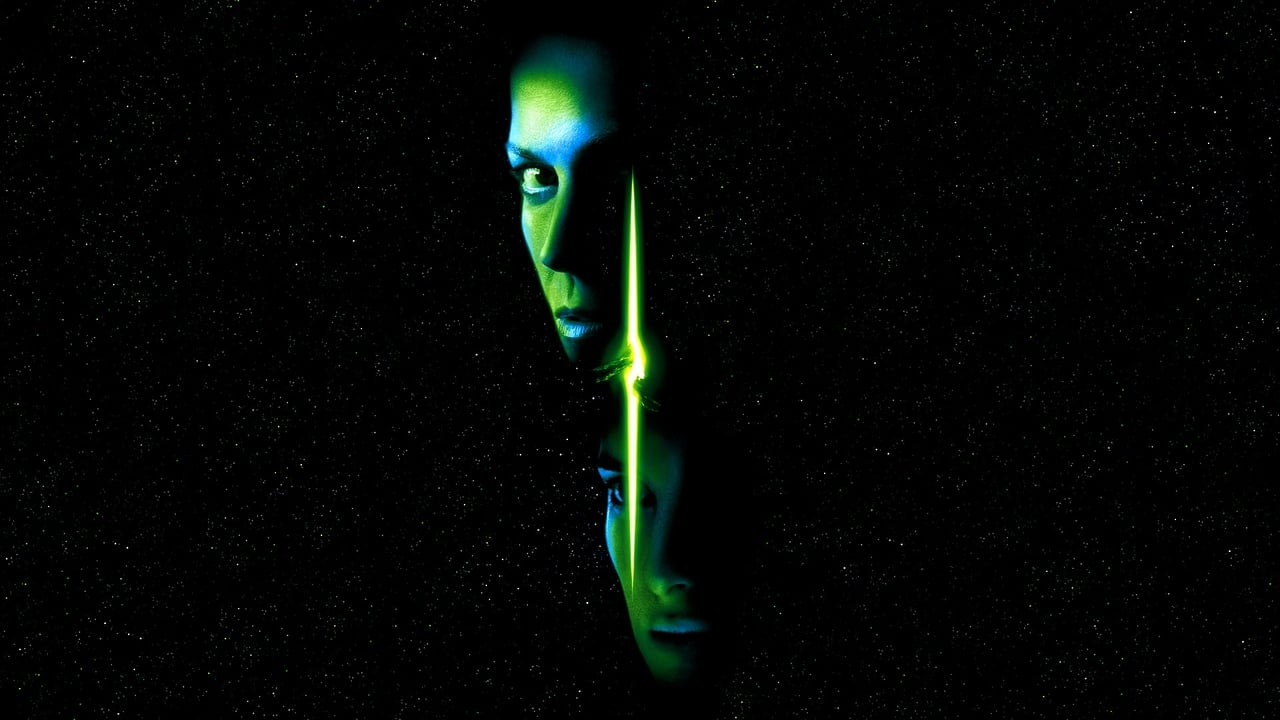
The flickering static gives way, and the familiar logo of 20th Century Fox glows dimly on the CRT screen. But something feels… off. Two hundred years have passed in the cold vacuum of space since Ellen Ripley met her fiery end on Fury 161, taking the nascent Queen Alien with her. Yet here she is again, or rather, a version of her, resurrected through blood samples and warped science aboard the military vessel USM Auriga. The air in the room feels heavy, charged with the same unnatural wrongness that permeates Alien Resurrection (1997), a film that arrived on shelves like a strange, slick, bio-engineered curiosity in the late 90s video store boom.
A Nightmare Reimagined
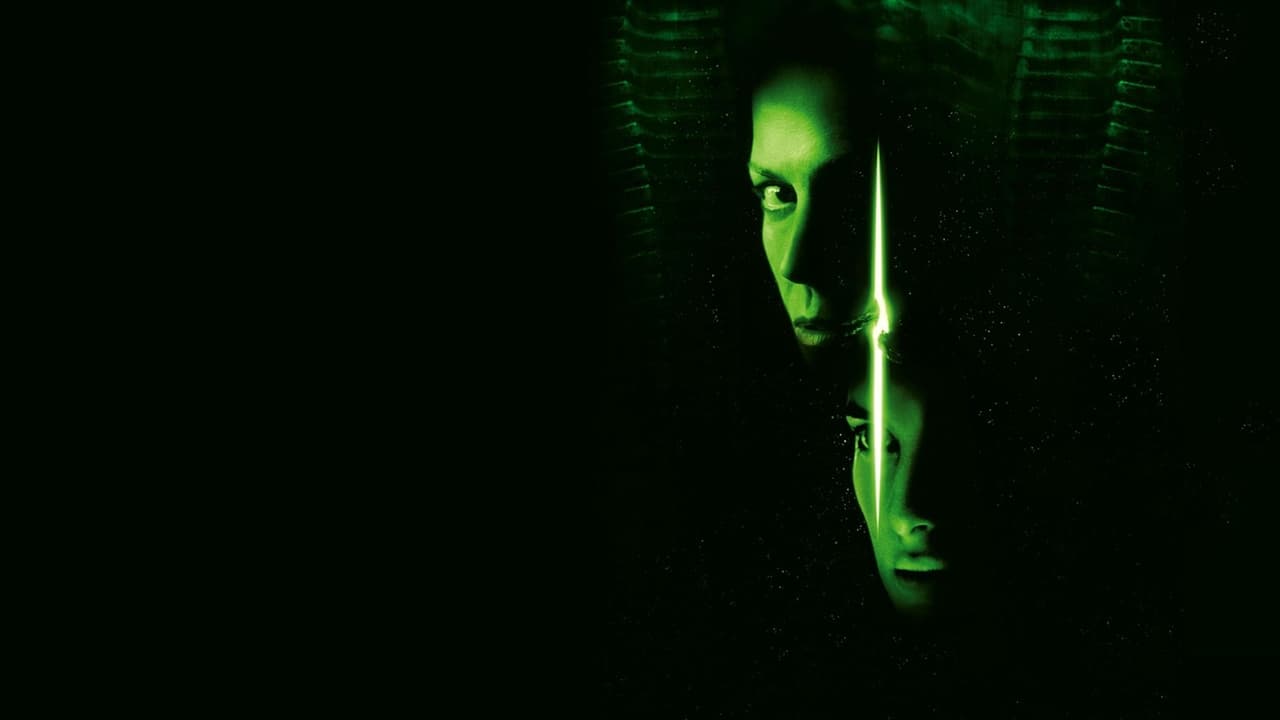
Forget the industrial grime of Alien or the frantic military pulse of Aliens. This fourth entry, handed to the distinctively quirky French director Jean-Pierre Jeunet (fresh off the visually stunning Delicatessen and The City of Lost Children), feels immediately different. Jeunet, famously directing through his frequent collaborator and actor Dominique Pinon as translator, brought a European arthouse sensibility dripping with grotesque beauty and unsettling imagery to the franchise. The Auriga isn't just functional; it's a labyrinth of sickly greens, oppressive browns, and decaying metal, populated by faces that seem etched with cynicism and desperation. It’s a vision that’s both gorgeous and repulsive, a departure that polarized fans but undeniably gave Resurrection its unique, often uncomfortable, identity. Does that unsettling aesthetic still crawl under your skin?
Ripley 8: More Than Human, Less Than Kind
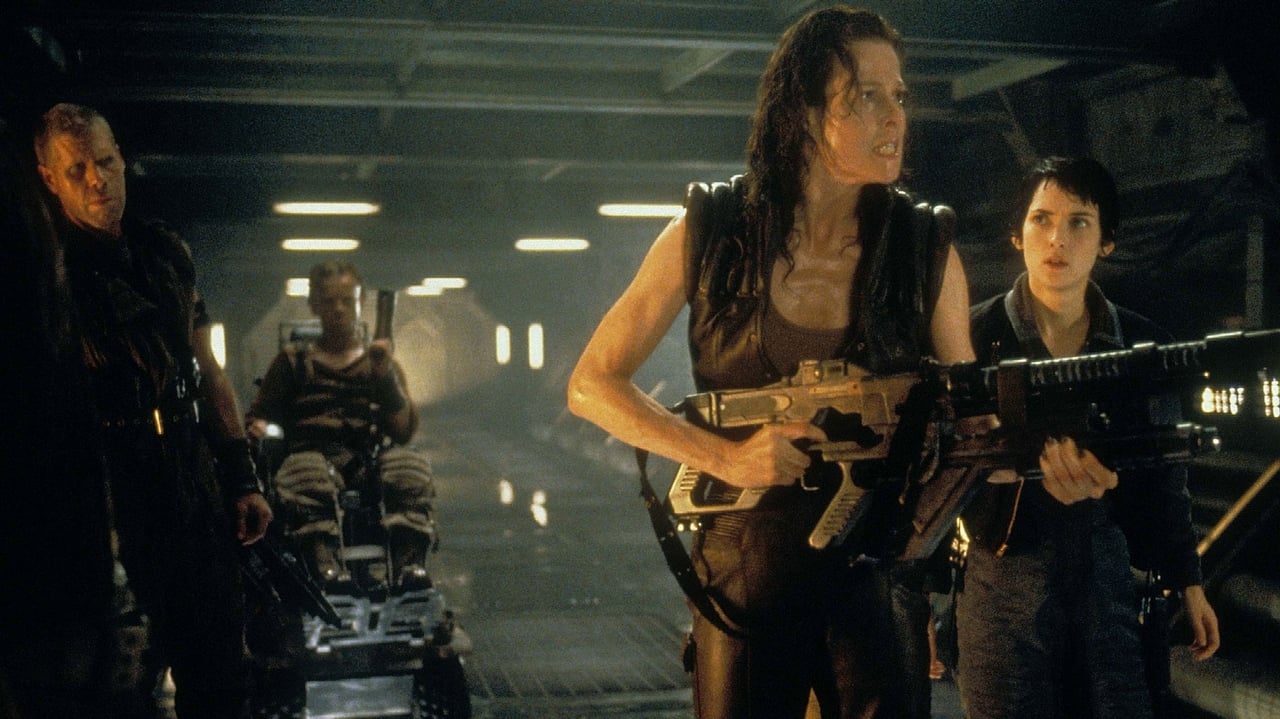
At the heart of this strange new world is Sigourney Weaver, returning as Ripley 8. This isn't the fiercely maternal protector or the weary survivor we knew. Infused with Xenomorph DNA, she's physically enhanced, emotionally detached, disturbingly connected to the creatures she once fought. Weaver leans into the unsettling ambiguity, her movements slightly predatory, her eyes holding a chilling emptiness mixed with flashes of the old Ripley. It’s a fascinating, risky performance. Remember that impossible behind-the-back basketball shot? Weaver, after weeks of practice, actually nailed it on camera, much to the shock of the crew – a moment of genuine athletic prowess amidst the carefully constructed artifice. Her arc, intertwined with the fate of the aliens birthed from the stolen Queen inside her clone, carries the film's bleakest themes about identity and violation.
Whedon's Words, Jeunet's World
The script came from a pre-Buffy fame Joss Whedon, and you can hear his signature style in the snappy, often darkly humorous dialogue of the mercenary crew aboard the smuggling ship Betty. Led by the pragmatic Elgyn (Michael Wincott's gravelly voice is unforgettable) and featuring familiar faces like Ron Perlman as the gruff Johner, Winona Ryder as the initially unassuming Call, and the aforementioned Dominique Pinon as the paraplegic Vriess, they bring a rough, lived-in energy. Whedon, however, has famously expressed dissatisfaction with the final film, feeling his blend of horror and humour was skewed by Jeunet’s visual interpretation and casting choices, particularly finding the execution tonally jarring compared to his original intent. While the ensemble provides some grounding, it's hard to deny that the film sometimes struggles to reconcile its competing tones – veering from genuine body horror to almost slapstick moments.
Viscera and Vision
Where Resurrection truly sinks its claws in is the creature work and practical effects, handled by stalwarts Amalgamated Dynamics, Inc. (ADI). The Xenomorphs themselves are perhaps slimier, faster, and more animalistic than ever before. The film boasts sequences designed to unnerve, like the claustrophobic underwater chase – a notoriously difficult sequence to film, especially given Winona Ryder’s very real fear stemming from a childhood near-drowning incident. But the true talking point, then and now, remains the Newborn. This pale, unsettlingly humanoid hybrid creature, born from the cloned Queen, is pure nightmare fuel. Its design, meant to evoke sympathy and revulsion simultaneously, is a triumph of grotesque imagination, even if its screen time feels slightly truncated and its final moments remain divisive. Doesn't that creature design still feel uniquely disturbing? It embodies the film's commitment to visceral, uncomfortable horror.
A Flawed But Fascinating Relic
Watching Alien Resurrection today on a format far removed from the worn VHS tapes of yesteryear, its flaws are apparent. The plot logic occasionally strains, the tonal shifts can be jarring, and it arguably pushed the franchise into a corner it struggled to escape. Yet, there's an undeniable power to its sheer audacity. Jeunet's visual flair is undeniable, Weaver delivers a compellingly alien performance, and the film doubles down on the body horror aspects hinted at in previous entries. It’s a slick, expensive ($75 million budget yielding around $161 million worldwide) studio picture filtered through a bizarre, auteurist lens. It doesn't always gel, but it's rarely boring. It feels like a product of its time – the late 90s flirting with darker, weirder blockbuster concepts before the turn of the millennium.
Rating: 6/10
The score reflects a film that is visually striking, features a brave central performance, and delivers memorable creature horror, particularly with the Newborn and the practical effects work. However, it's hampered by tonal inconsistencies stemming from the clash between Whedon's script and Jeunet's direction, some questionable plot developments, and a feeling that it doesn't quite reach the heights of its predecessors. It earns points for sheer weirdness and ambition, but loses ground on coherence and overall impact compared to the franchise greats.
Alien Resurrection remains the strange, often maligned, but visually unforgettable final chapter of Ripley's original saga. It might be the black sheep, the odd experiment, but popping that tape in late at night always guaranteed something unnervingly different – a slick, gooey, fascinatingly flawed journey back into the acid-blooded dark.