Rust, decay, and the chilling echo of dripping water in endless, corroded corridors. Forget the adrenaline-fueled bug hunt of its predecessor; Alien³ throws you – and Ellen Ripley – into a desolate corner of the universe where hope seems just another resource bled dry. Released in 1992, this wasn't the sequel many expected after James Cameron's explosive Aliens (1986). Instead, it plunged audiences into a bleak, atmospheric sci-fi horror that felt suffocatingly different, a feeling that lingers long after the static hiss of the VCR rewinding.
Welcome to Fury 161
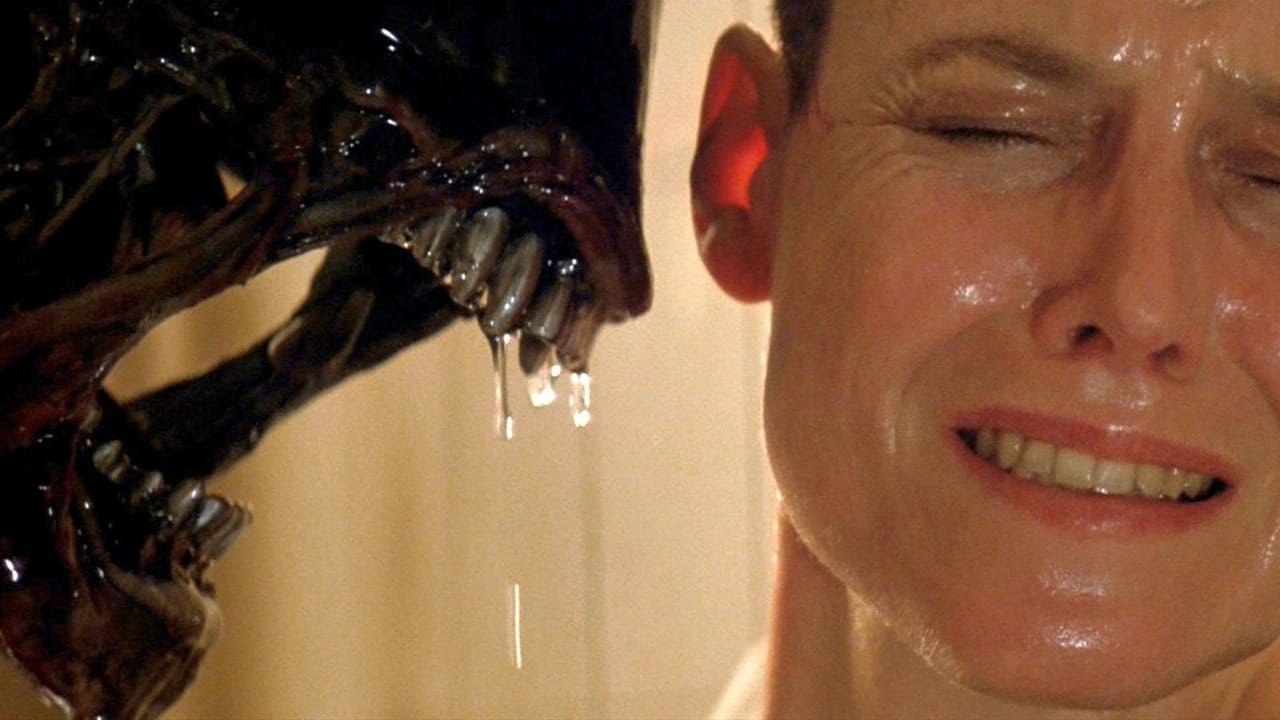
The film opens with a gut punch, immediately discarding the fragile found family Ripley had secured. The Sulaco's escape pod crash-lands on Fiorina "Fury" 161, a bleak penal colony populated by "double-Y chromosome" inmates – murderers, rapists, the violent dregs of society who have found a grim form of religion in their isolation. Only Ripley (Sigourney Weaver, utterly committed and radiating world-weariness) survives, dragged ashore into a world without weapons, without hope, and, unbeknownst to her initially, not quite alone. The creature came with her. It always does.
The atmosphere is the undisputed star here. Director David Fincher, in his notoriously troubled feature debut, crafts a vision of industrial hell. Forget gleaming spaceships; Fury 161 is all decaying metal, wind-swept plains, and oppressive, low ceilings. It feels genuinely hazardous, a place where tetanus seems as likely a killer as the Xenomorph. Elliot Goldenthal's haunting score, a mix of industrial dread and mournful, quasi-religious themes, perfectly complements the visuals, creating a soundscape that feels both alien and agonizingly human. This wasn't just a backdrop; it was the film's soul – cold, unforgiving, and inescapable. I remember watching this on a flickering CRT late one night, the sheer grimy texture of the place feeling almost palpable through the screen.
A Troubled Birth, A Unique Beast
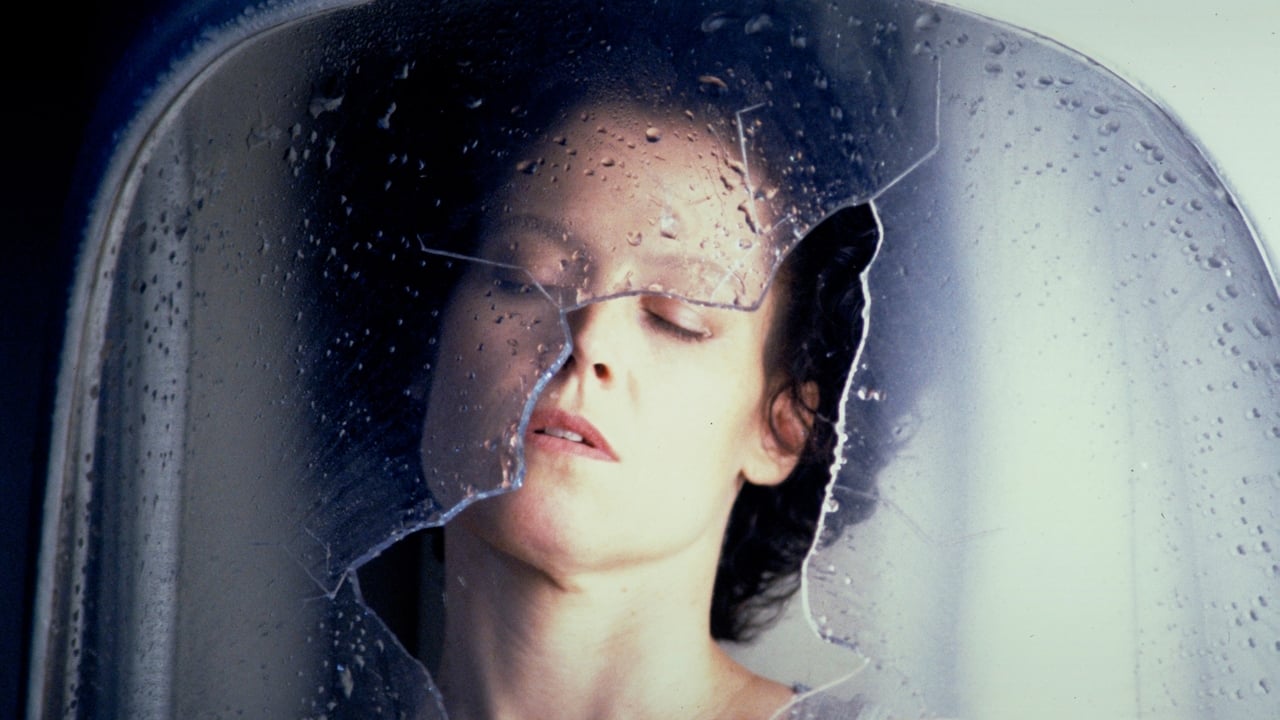
You can't discuss Alien³ without acknowledging its chaotic production, a legendary tale of studio interference, multiple scrapped scripts (including Vincent Ward's fascinating "wooden planet monastery" concept, traces of which remain), and directorial clashes. Fincher famously disowned the theatrical cut, and the stories from the set paint a picture of constant battles. The budget reportedly swelled from around $45 million to over $60 million, a significant sum back then, driven by script rewrites during filming and complex effects work. Yet, somehow, through this crucible, Fincher's nascent visual genius shines through. The stark compositions, the fluid Steadicam shots navigating the labyrinthine facility, the focus on texture and shadow – hints of the meticulous stylist behind Se7en (1995) and Fight Club (1999) are clearly visible.
The Xenomorph itself feels different here too. Born from a dog (or an ox, depending on which version you watch – the 2003 Assembly Cut restores much intention), it’s faster, more animalistic, less reliant on vents and more on sheer predatory speed. The blend of practical effects – rod puppets, suits, and some pioneering (if occasionally dated now) CGI – gives it a distinct, unsettling presence. Remember arguing with friends about whether it looked better or just different from the previous films? That practical element, even when imperfect, had a weight that modern effects often lack. The creature design felt genuinely unnerving back then, a relentless force of nature perfectly suited to this grimy, hopeless environment.


Faith, Despair, and a Shaved Head
Beyond the creature feature elements, Alien³ grapples with darker themes. The inmates, led by the charismatic Dillon (Charles S. Dutton, bringing incredible gravity and presence), have embraced a form of apocalyptic Christianity. Their shaved heads, initially just a practical measure against lice, take on a monastic quality. Into this den of violent faith walks Ripley, bald, traumatized, and carrying the ultimate violation within her. Weaver delivers a powerhouse performance, stripping Ripley down to her core survival instinct, mingled with utter exhaustion and a dawning, horrifying realization about her own fate. Her interactions with the disillusioned Doctor Clemens (Charles Dance, tragically underused but compelling) offer rare moments of fragile connection in a sea of despair.
The film dares to ask bleak questions about faith, redemption, and the struggle for meaning in a seemingly godless universe. The prisoners' faith offers structure but little comfort against the biological horror stalking them. Ripley, the ultimate survivor, finds herself facing an enemy she literally cannot escape. Spoiler Alert! Her final, defiant sacrifice – choosing oblivion over allowing the creature inside her to fall into Weyland-Yutani's hands – remains one of the most controversial and bold endings in mainstream sci-fi history. Weaver herself reportedly championed this ending, feeling it was the only logical conclusion for Ripley's arc. Did that final leap genuinely shock you back in the day? It certainly sparked endless debate.
The Assembly Cut and Lasting Impressions
For years, the theatrical cut was all we had – a compromised film bearing the scars of its creation. The later "Assembly Cut," released on DVD and Blu-ray, restores roughly 30 minutes of footage and adheres closer to the earlier script work, significantly altering character arcs and plot points (like the creature's host). While still not Fincher's official cut (he declined involvement), many fans feel it offers a more coherent and satisfying, if even bleaker, experience. It’s worth seeking out if you only know the original version.
Alien³ is undeniably flawed. The pacing can drag, some supporting characters feel thin (a direct result of the chaotic rewrites), and the plot sometimes feels stitched together. Yet, its strengths are undeniable: the oppressive atmosphere, Weaver's raw performance, the sheer audacity of its nihilism, and the glimpses of Fincher's burgeoning talent. It stands as a fascinating, often frustrating, but ultimately compelling piece of 90s sci-fi horror. It dared to be different, to drag a blockbuster franchise into the mud and grime, and for that, it earns a certain respect.

VHS HEAVEN RATING: 7/10
- Justification: While hampered by its infamous production woes leading to pacing issues and underdeveloped side characters, Alien³ scores points for its suffocating atmosphere, Sigourney Weaver's phenomenal performance, its bold thematic risks, David Fincher's nascent directorial vision shining through the gloom, and Elliot Goldenthal's superb score. The practical creature effects and production design remain effectively grim. The divisive ending and overall bleakness are part of its challenging identity. The Assembly Cut elevates it slightly, but even the theatrical version offers a uniquely dark experience within the franchise. It's a flawed, often frustrating film, but its ambition and atmosphere make it a memorable, if difficult, watch that stands apart.
It wasn’t the crowd-pleaser Aliens was, but Alien³ carved its own dark niche. It’s the franchise’s grim sermon on despair, a haunting echo from a time when even blockbusters could dare to leave you feeling cold, alone, and profoundly uneasy. It's a tape I might hesitate to pop in on a cheerful evening, but its chilling power remains undeniable.