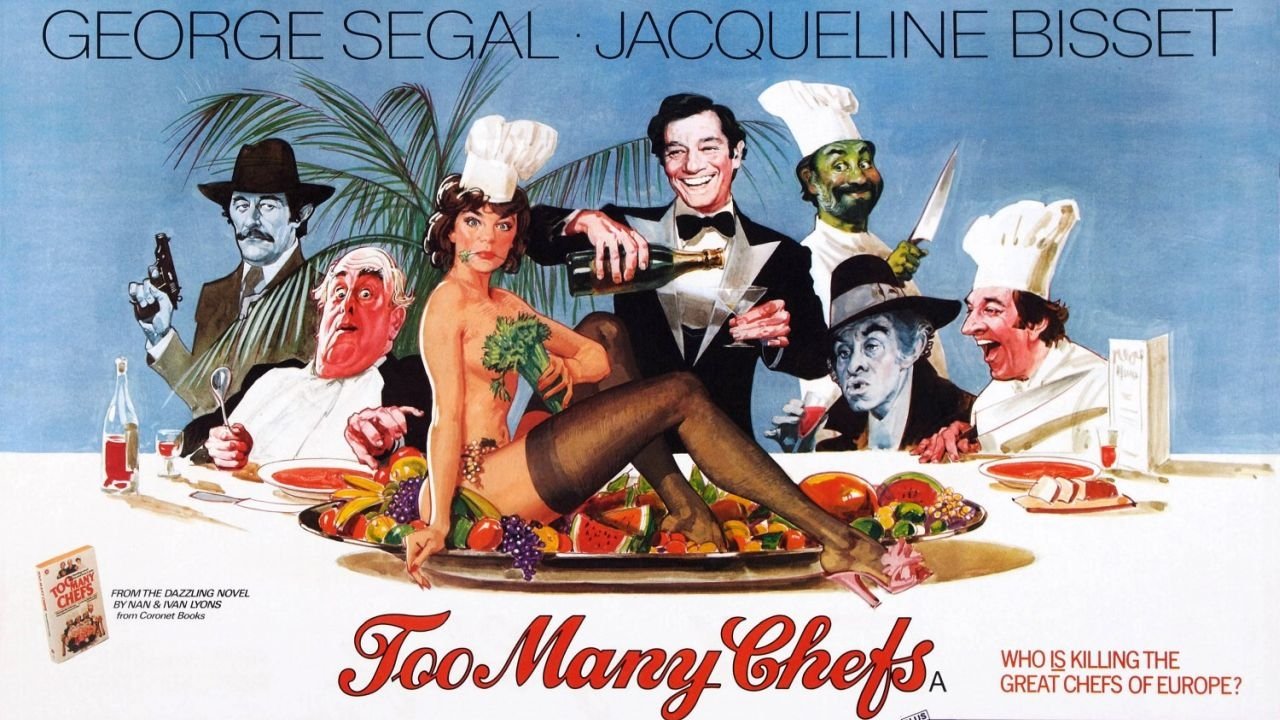
Okay, settle in, fellow tapeheads. Let's rewind to a time when culinary television wasn't quite the polished empire it is today, and a whodunit could be served with a side of haute cuisine so rich you could almost taste it through the static of your CRT. I'm talking about 1978's delectable mystery-comedy, Who Is Killing the Great Chefs of Europe? (released in some territories, rather less appetizingly, as Too Many Chefs). This wasn't your standard gritty detective flick found on the dusty shelves of the local video store; finding this gem felt like uncovering a secret menu item – sophisticated, witty, and utterly unique.
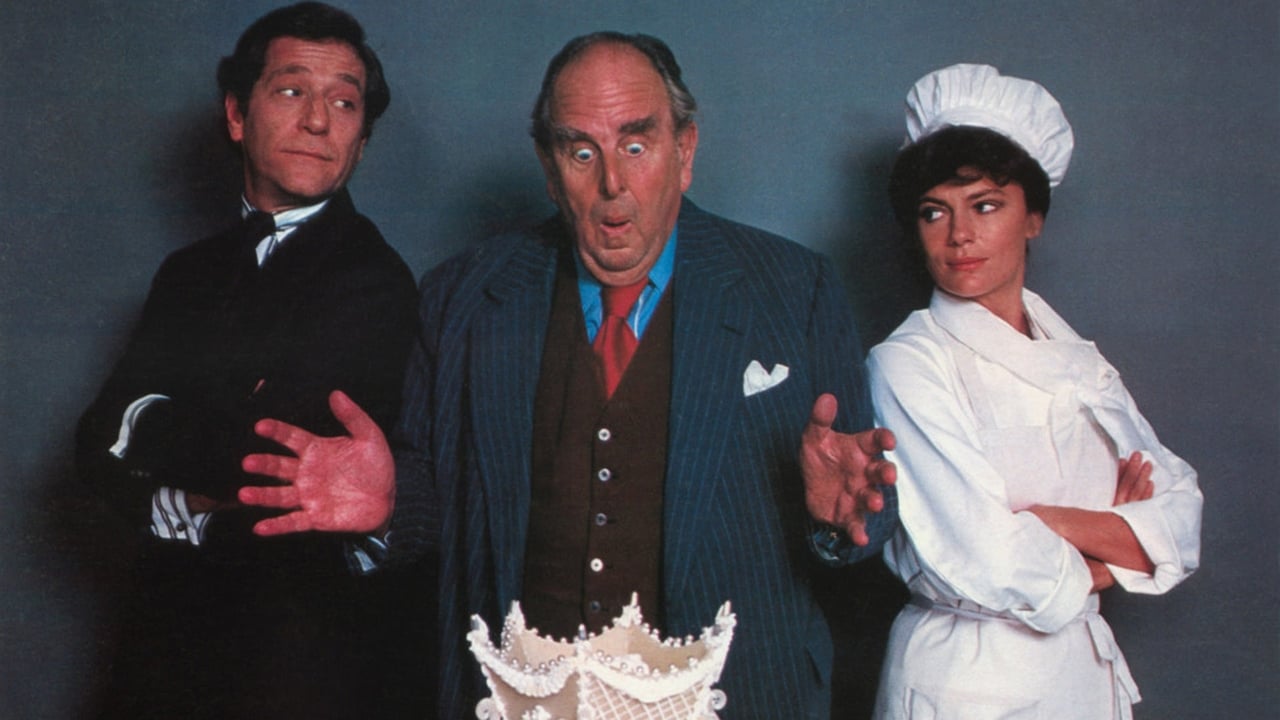
The premise itself is a tantalizing amuse-bouche: Someone is dispatching Europe's finest chefs in the specific, grotesque manner of their signature dishes. Pigeon pâté chef found baked in a pie? Check. Lobster maestro drowned in his own tank? Mais oui. Caught in the middle are fast-food mogul Robby Ross (George Segal, ever the charmingly flustered leading man, familiar from films like Fun with Dick and Jane) and his ex-wife, Natasha O'Brien (Jacqueline Bisset, effortlessly chic), a renowned pastry chef who just happens to be on the killer's potential menu.
### A Feast for the Senses (and Suspicions)
What makes this film simmer so delightfully isn't just the clever, slightly macabre plot penned by Peter Stone (who already proved his mastery of witty thrillers with Charade) and Ivan Moffat. It's the sheer, glorious presence of Robert Morley as Max Vandeveer, the flamboyant, Falstaffian publisher of a gourmet magazine. Morley devours the scenery with such infectious gusto, it’s impossible not to be swept along. His performance, all booming pronouncements, epicurean eccentricities, and barely concealed gluttony, earned him a deserved Golden Globe nomination and truly anchors the film. Honestly, remembering his scenes – trying to stick to his doctor-ordered diet while surrounded by temptation – still brings a smile. Wasn't he just magnificent?
Director Ted Kotcheff, who would later give us the very different kind of grit in First Blood, here directs with a lighter, almost mischievous touch. He lets the European locations – Paris, Venice, London – become characters in themselves. The cinematography captures the elegance and charm of these cities, providing a lush backdrop for both the high-stakes investigation and the comedic interplay. Even on a worn VHS copy, the visual richness, the steam rising from a perfect dish, the glint of silverware in an opulent dining room, somehow shone through.
### More Than Just Empty Calories
While the mystery unfolds with twists and red herrings, the film is equally a celebration (and gentle satire) of haute cuisine culture. The dishes presented aren't just props; they look genuinely spectacular. It's a retro fun fact that actual renowned chefs were consulted to ensure authenticity, lending a layer of credibility to the gastronomic world being depicted. The passion, the rivalry, the sheer artistry (and absurdity) of this elite culinary scene are woven into the narrative fabric.
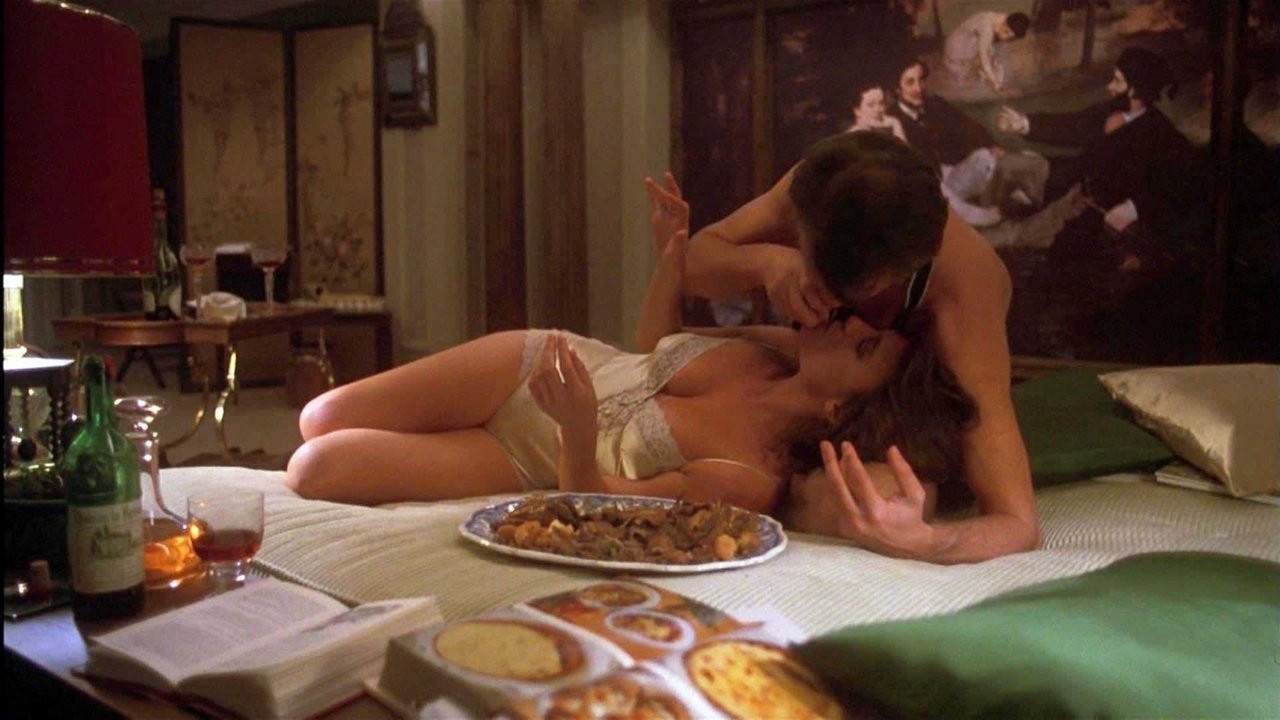
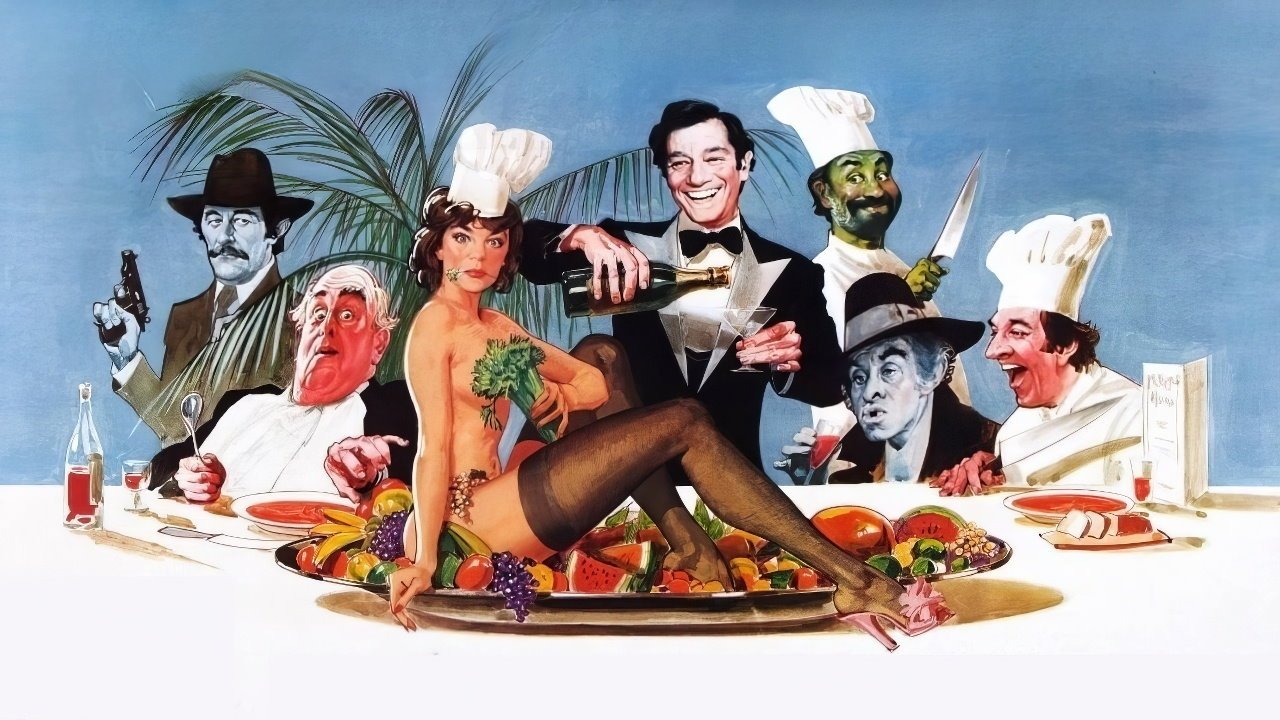
George Segal plays the relatable American outsider, bewildered by the European eccentricities and the escalating danger, grounding the film with his everyman reactions. Jacqueline Bisset, meanwhile, provides the elegance and intelligence, holding her own amidst the culinary chaos and the primarily male-dominated world of elite chefs. Supporting actors like Jean-Pierre Cassel and Philippe Noiret add Gallic flair and gravitas as fellow chefs and potential victims (or suspects!). The chemistry between Segal and Bisset, playing recently divorced exes forced back together, adds another layer of witty banter and romantic tension.
### A Taste of Bygone Filmmaking
Sure, watching it now, some elements feel distinctly late-70s. The pacing might seem leisurely compared to today's rapid-fire editing, and the central mystery, while clever, perhaps doesn't hold up to intense modern scrutiny. But that’s part of the charm, isn't it? It comes from an era where character development and witty dialogue were just as important as the plot mechanics. There's a certain analogue warmth to it, a tangible quality you don't always get now. Think less CGI, more character.
The film wasn't a massive blockbuster, but it found its audience, particularly those who appreciated its unique blend of genres and sophisticated humor. Critics were generally positive, especially towards Morley's standout performance. It remains a cult favorite, a film you might recommend to someone looking for something different from the usual retro fare. It’s a reminder that a thriller could be funny, a comedy could be smart, and a movie about food could actually make your mouth water, even through a fuzzy television screen late at night.
Rating: 8/10
This rating reflects the film's sharp writing, standout performances (especially Morley's), unique concept, and sheer entertainment value. It successfully blends mystery, comedy, and culinary delight into a satisfying whole, even if some aspects feel dated. It’s a witty, charming romp that holds up remarkably well.
Final Take: Who Is Killing the Great Chefs of Europe? is a delicious cinematic concoction from a bygone era – a witty, sophisticated, and surprisingly charming mystery that proves murder and haute cuisine can be a killer combination, best savored like a fine vintage wine... or a treasured VHS tape.