Okay, settle in. Let's talk about a film that truly understands the wicked pleasure of a perfectly sprung trap, a mechanism of narrative gears and levers designed to ensnare the audience as much as its characters. I'm talking about Sidney Lumet's wickedly clever 1982 adaptation of Ira Levin's stage play, Deathtrap. Pulling this one off the shelf at the local video store always felt like unearthing something a bit dangerous, a bit too smart for its own good, perhaps? And watching it again now, that sensation hasn't faded one bit.
### The Perfect Blueprint?
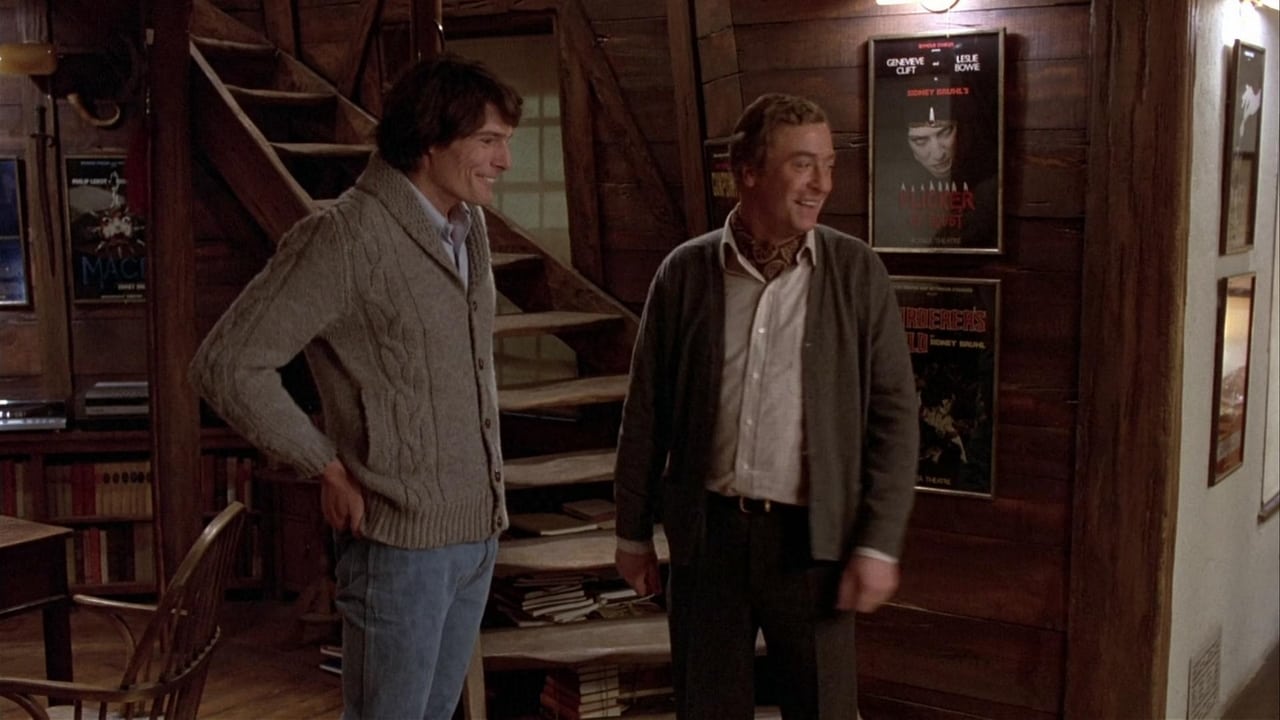
The premise clicks into place with satisfying precision: Sidney Bruhl (Michael Caine), a once-celebrated playwright now suffering a string of flops, receives an unsolicited manuscript from a former student, Clifford Anderson (Christopher Reeve). The play, also titled 'Deathtrap', is flawless – a guaranteed smash hit. Sidney, consumed by envy and desperation, jokingly suggests to his increasingly anxious wife, Myra (Dyan Cannon, pitch-perfect in her escalating panic), that perhaps the easiest way to reclaim success would be to invite the young author over... and kill him, stealing the script. It's a setup dripping with dark irony, immediately pulling you into its morally murky waters. What lengths will someone go to for fame, for relevance?
### A Masterclass in Manipulation
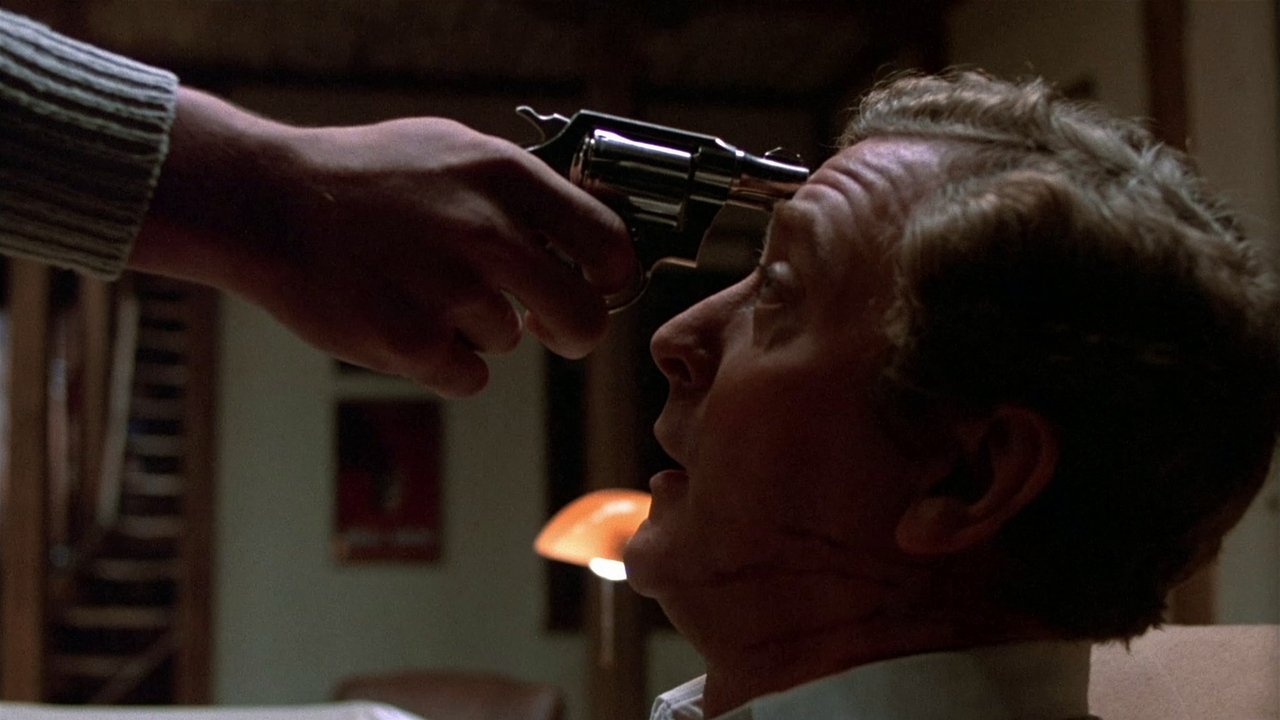
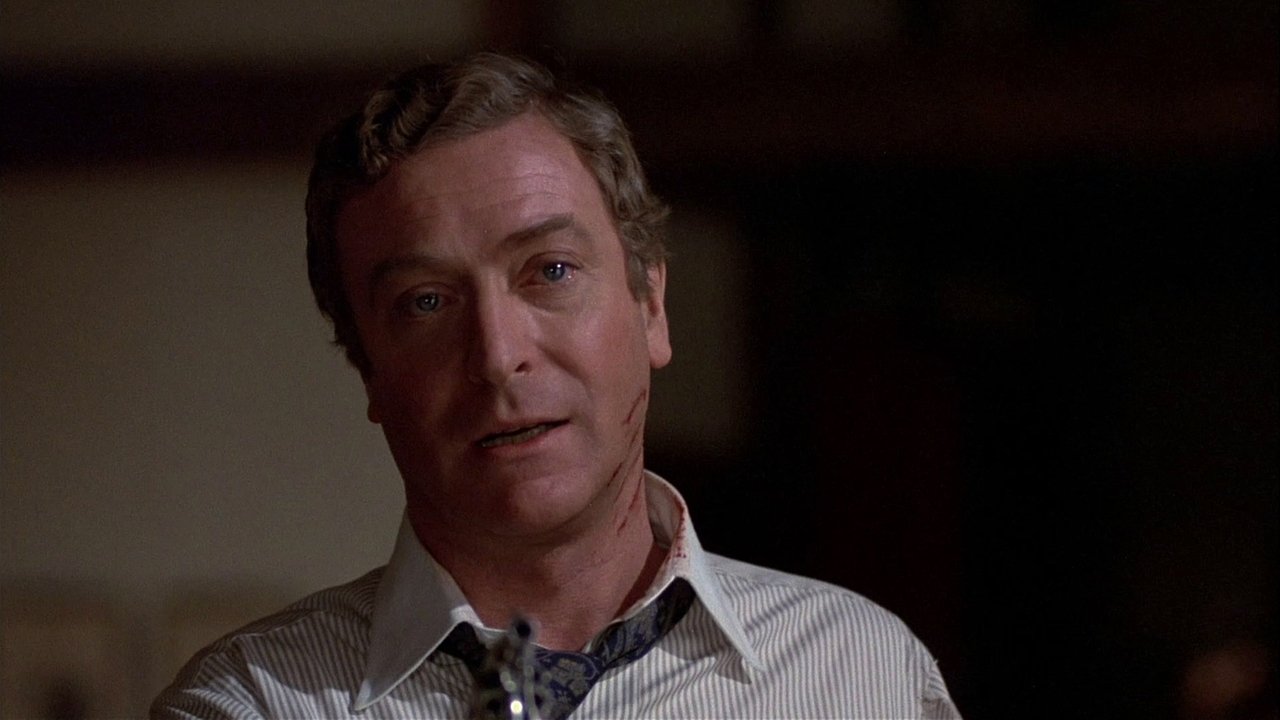
What truly elevates Deathtrap beyond a simple thriller is the electrifying dynamic between Caine and Reeve. Caine, already a master of conveying complex internal states, is simply brilliant as Sidney. He wears his character's sophisticated cynicism like a bespoke suit, but you constantly see the cracks – the raw hunger, the vulnerability beneath the veneer of control. His Sidney is charming, witty, and utterly ruthless, often in the same breath.
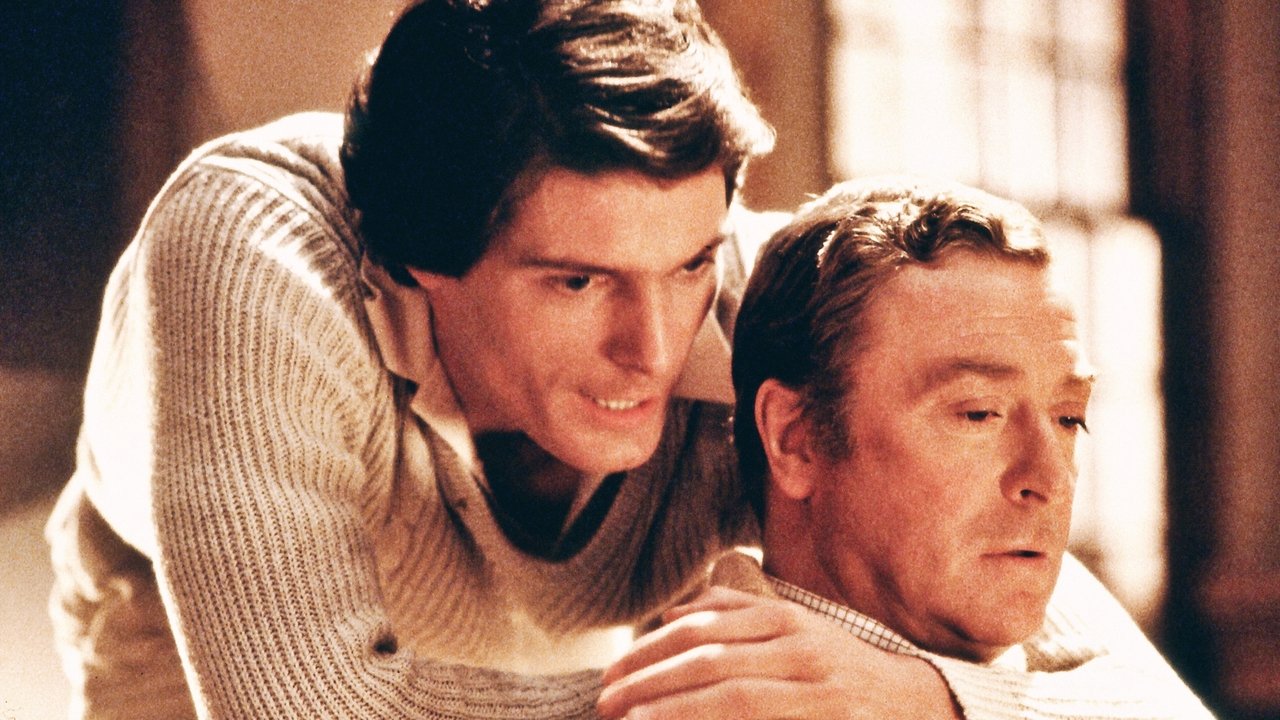
And then there's Christopher Reeve. Fresh off the global phenomenon of Superman (1978) and its sequel, casting him as the seemingly naive, hero-worshipping Clifford was a stroke of genius. It plays directly against the typecasting audiences expected. Reeve sheds the cape convincingly, embodying an eager, almost boyish enthusiasm that masks... well, that's where the fun begins, isn't it? The chemistry between them is palpable, a complex dance of admiration, rivalry, and simmering tension that fuels the entire film. Their scenes together crackle with unspoken implications, a battle of wits waged with smiles and carefully chosen words. Watching them circle each other in Sidney's weapon-adorned study – a set design masterpiece in itself, cluttered with the tools of staged violence – is pure cinematic pleasure.
It’s fascinating to remember the stir caused by that scene between Caine and Reeve back in '82. It was a bold move for a mainstream studio film, playing with audience expectations and star personas in a way that felt genuinely risky. Lumet, ever the fearless director (just think of Dog Day Afternoon (1975) or Network (1976)), doesn't shy away from the implications, adding another layer of provocative complexity to their relationship.
### From Stage to Screen, Trap Intact
Sidney Lumet faced the perennial challenge of adapting a stage play: how to make it cinematic without losing the claustrophobic intensity of the original setting? Primarily confined to the Bruhl estate, Lumet uses the camera not just to observe, but to prowl. His framing often emphasizes the isolation, the way the elegantly decorated house becomes a gilded cage. He masterfully uses close-ups to capture every flicker of doubt in Myra’s eyes or the subtle shifts in Sidney and Clifford’s power play. The source material, penned by Ira Levin (who also gave us the chilling paranoia of Rosemary's Baby and The Stepford Wives), provides Lumet with a narrative labyrinth, full of twists, turns, and meta-commentary on the very nature of storytelling and suspense. The film revels in its own cleverness, constantly pulling the rug out from under the audience just when we think we've found our footing.
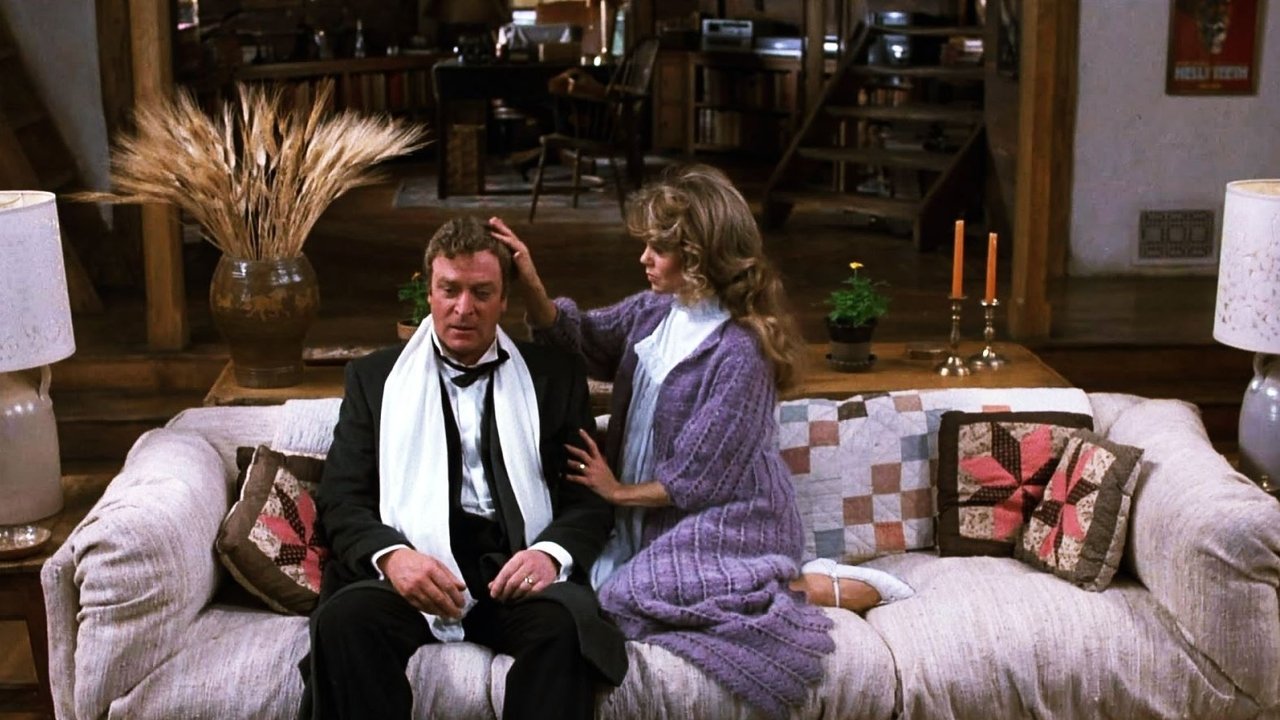
Dyan Cannon deserves special mention. Her Myra isn't just a bystander; she's the audience's surrogate, her frayed nerves and growing horror grounding the film's escalating theatricality. Her performance balances the comedic potential of her character's anxiety with genuine pathos. And let's not forget Irene Worth as the eccentric psychic Helga Ten Dorp, adding another unpredictable element to the mix.
### The Unfolding Mechanism
The film's structure, mimicking the five-character, one-set tradition of stage thrillers while cleverly expanding it just enough for the screen, feels deliberate and intricate. Every plot point, every line of dialogue, feels like another cog clicking into place. It’s a movie that rewards attention, perhaps even a second viewing, to fully appreciate how meticulously the trap is constructed. I recall renting this gem back in the day, the chunky plastic clamshell case promising dark thrills, and being utterly captivated by its sheer audacity. It felt like a puzzle box you couldn't wait to solve, even as you suspected the solution might be deeply unsettling.
The production itself wasn't without its interesting facets. Filmed largely on Long Island, the isolation of the setting feels authentic. While not a budget-buster (made for around $10.5 million), it certainly looks polished, focusing its resources on the performances and the richly detailed interiors. Its box office was respectable, around $19 million, but perhaps its challenging themes and shocking moments kept it from being the runaway hit its pedigree might have suggested. Still, its reputation as a supremely crafted thriller has only grown over the years.
### Final Verdict
Deathtrap remains a deliciously dark and witty thriller, a testament to sharp writing, stellar performances, and confident direction. It plays with genre conventions, audience expectations, and its own theatrical origins with mischievous glee. Caine and Reeve are simply outstanding, their psychological sparring match forming the core of the film's enduring appeal. While its stage roots are occasionally apparent, Lumet translates the suspense and claustrophobia effectively to the screen, creating an atmosphere thick with suspicion and shifting loyalties. It’s a film that respects its audience's intelligence, daring us to keep up with its hairpin turns.
Rating: 9/10
This rating reflects the superb performances, the brilliantly constructed plot derived from Levin's masterful play, Lumet's taut direction, and the film's sheer cleverness. It's a near-perfect execution of a complex premise, held back only slightly by a theatricality that might not resonate with absolutely everyone. For fans of intricate plotting and powerhouse acting, though, it remains a must-see from the VHS era. What lingers most is that feeling of being expertly manipulated, and enjoying every minute of it. Isn't that the ultimate sign of a successful trap?