Alright fellow tapeheads, pull up a comfy chair, maybe crack open a beverage reminiscent of simpler times. Tonight, we're digging into a gem that might not have graced every corner video store shelf back in the day, but finding it felt like uncovering buried treasure. We're talking about the 1980 Turkish classic, Banker Bilo – a film that perfectly encapsulates the comedic genius of Kemal Sunal while smuggling in some surprisingly sharp social commentary under the guise of slapstick.
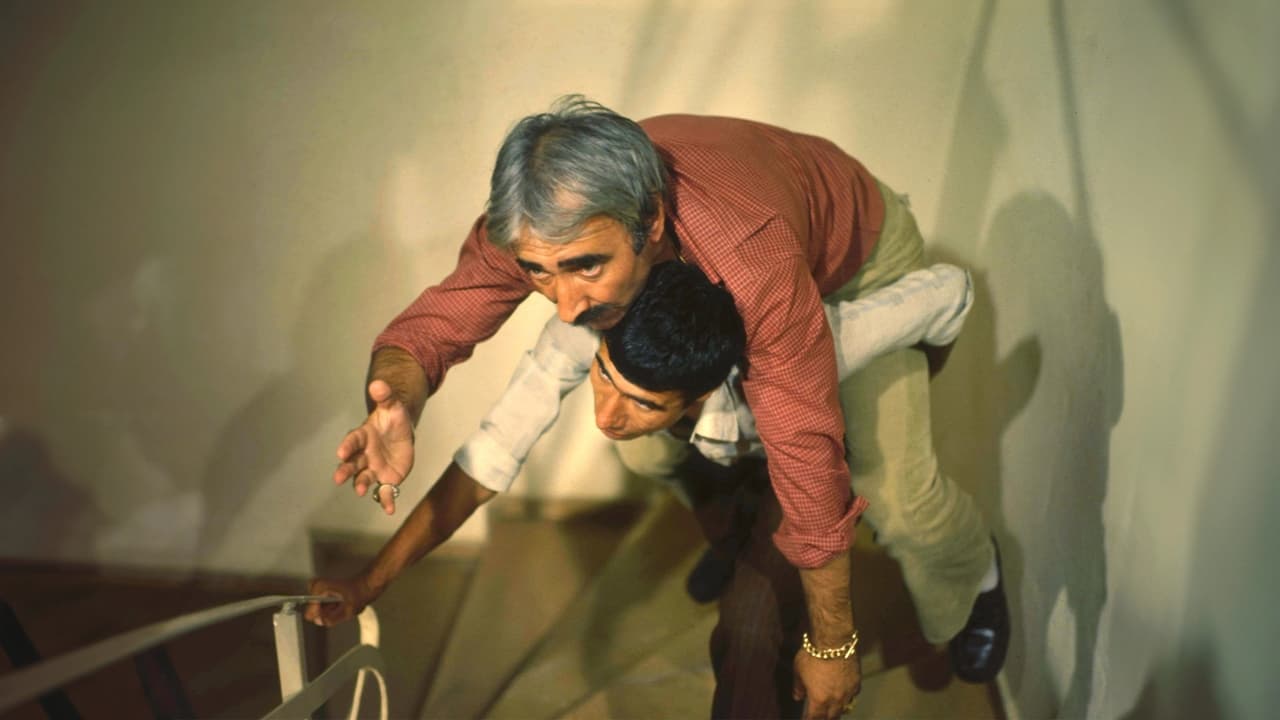
This wasn't your typical Hollywood fare, oh no. Watching Banker Bilo feels like tuning into a different frequency of funny, one deeply rooted in the specific anxieties and aspirations of its time and place. The film arrived just before the turbulent 1980 military coup in Turkey, and you can feel that underlying tension, that sense of people scrambling for a better life, often falling victim to those promising easy riches.
### The Innocent Abroad... Sort Of
At the heart of it all is Bilo, played by the legendary Kemal Sunal. If you're unfamiliar, think of Sunal as Turkey's everyman comedic hero – perpetually wide-eyed, fundamentally decent, but hilariously naive. In Banker Bilo, he embodies the hopeful villager dreaming of striking it rich working in Germany ("Almanya"), a common aspiration for many Turks during that era. His nemesis and fellow villager, the cunning Maho (Şener Şen, another giant of Turkish cinema often paired brilliantly with Sunal), promises to help him get there.
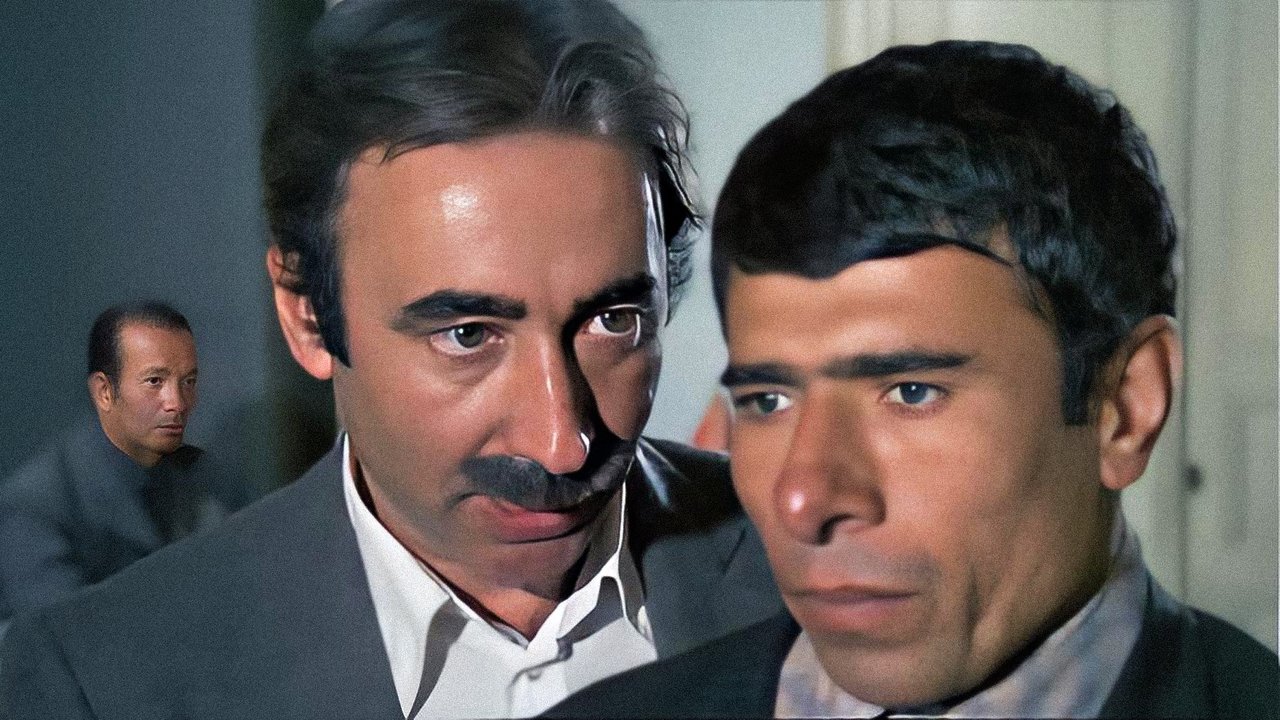
Of course, Maho’s "help" involves scamming Bilo and a group of others, abandoning them not in Munich, but smack-dab in the middle of Istanbul! This initial setup is pure gold, mining humor from Bilo’s disorientation and Maho’s shameless deceit. Kemal Sunal's physical comedy and masterful portrayal of bewildered innocence are front and center. He could convey more with a confused glance or a hesitant shuffle than many actors could with pages of dialogue. It’s a performance style that feels incredibly genuine, a world away from overly polished modern comedies. There's a raw, unvarnished quality to his presence that makes Bilo instantly sympathetic, even as you're laughing at his predicaments. A fascinating bit of trivia: Sunal's characters often spoke with a distinctive, almost stylized accent, further endearing his 'common man' persona to audiences who saw their own struggles reflected, albeit comedically, on screen.
### More Than Just Laughs
But here's where Banker Bilo elevates itself. Directed by the masterful Ertem Eğilmez, known for his incredibly popular Hababam Sınıfı school comedy series, the film doesn't just stick to simple fish-out-of-water gags. As Bilo navigates the bewildering urban landscape of Istanbul, trying to survive and eventually encountering Maho again (who has, naturally, reinvented himself as a wealthy, respectable businessman), the film digs into themes of class, exploitation, and the often-illusory nature of wealth and status in a rapidly changing society.
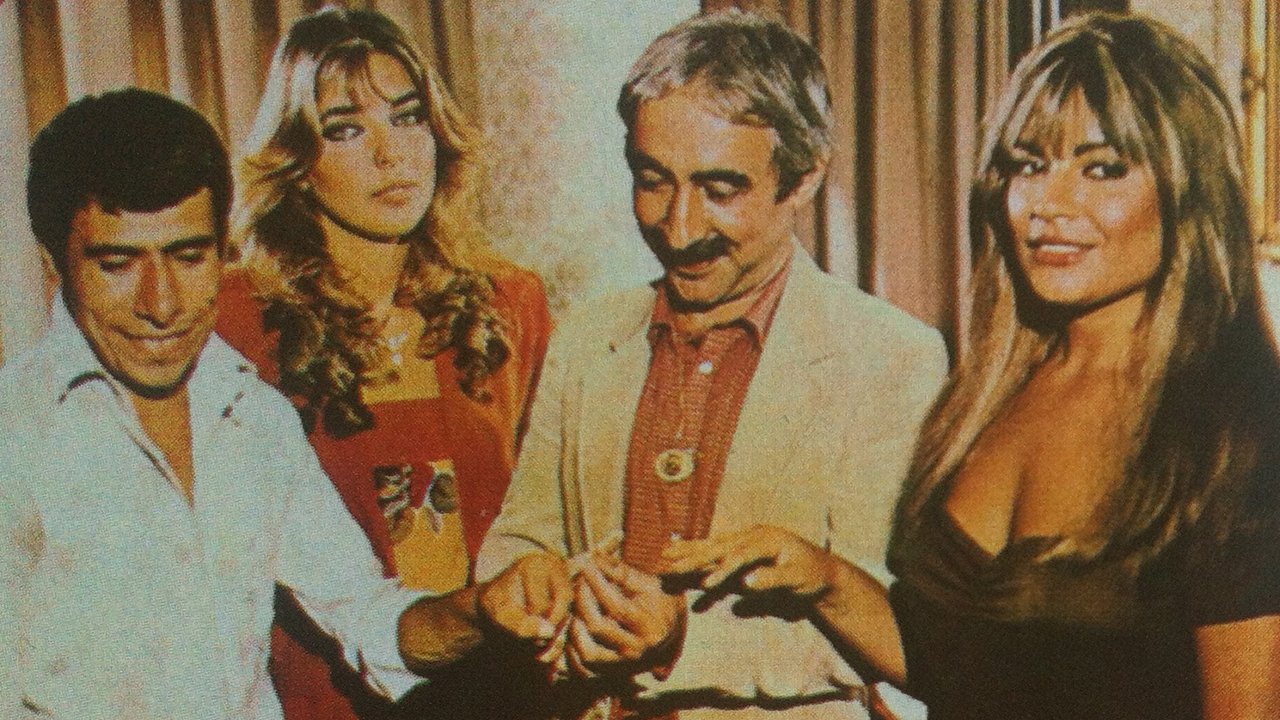
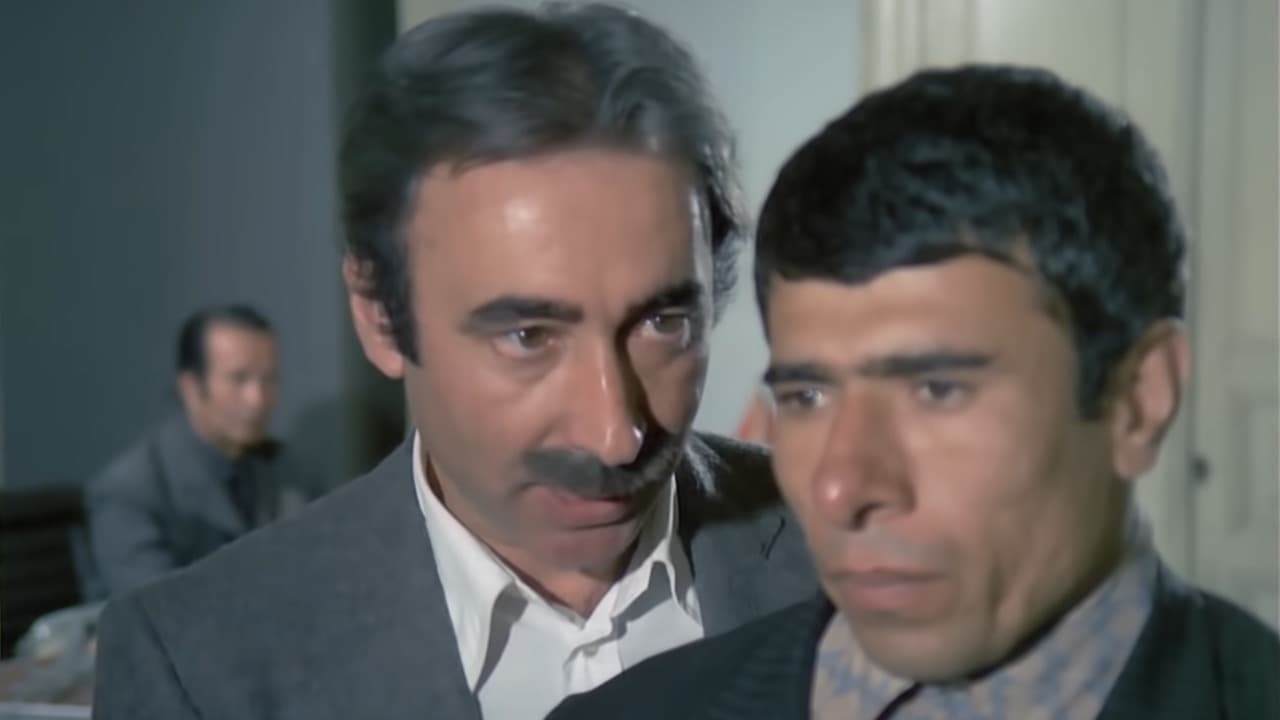
Eğilmez had a real knack for ensemble casts, and the supporting players here, like the ever-reliable İhsan Yüce as Bilo's eventual construction site mentor, add texture and warmth. The script, penned by Sadık Şendil (a frequent collaborator with Eğilmez), deftly balances the broad comedy with moments of genuine pathos. You laugh with Bilo, but you also feel the sting of his exploitation. The scenes depicting the harsh realities faced by migrant workers in the big city carry an unexpected weight. Remember how films back then weren't afraid to mix tones? Banker Bilo walks that tightrope beautifully.
The film cleverly satirizes the "köşeyi dönme" mentality – the obsession with getting rich quick – that was prevalent. Maho, despite his obvious crookedness, achieves outward success, highlighting the uncomfortable truth that sometimes, the unscrupulous do seem to win, at least for a while. This wasn't just comedy; it was social observation wrapped in laughter, something Turkish cinema of the period did exceptionally well. Its commentary on the scams targeting hopeful emigrants was particularly resonant, reflecting real-life tragedies.
### A Time Capsule of Turkish Cinema
Watching Banker Bilo today is like stepping into a time machine. The fashion, the cars, the bustling streets of Istanbul in 1980 – it’s all captured with that distinct late 70s/early 80s film stock look. There are no slick CGI or hyper-stylized edits here. Ertem Eğilmez’s direction is efficient and character-focused, letting the performances and the situational humor shine. The pacing might feel a little different to modern eyes, perhaps more leisurely, but it allows you to soak in the atmosphere and connect with the characters.
The film was, unsurprisingly, a huge hit in Turkey. Kemal Sunal was already a megastar, and his collaborations with Şener Şen and Ertem Eğilmez were box office gold. It cemented Sunal's image as the champion of the common man, battling absurdity and injustice with little more than his inherent goodness (and a healthy dose of luck). For many Turks, films like Banker Bilo weren't just entertainment; they were cultural touchstones, reflecting and commenting on their shared experiences.
***

Rating: 8/10
Justification: Banker Bilo scores high for its brilliant central performance by Kemal Sunal, its sharp and relevant social satire cleverly woven into broad comedy, and its status as a classic of Turkish cinema directed by the great Ertem Eğilmez. It perfectly captures a specific time and place, offering laughs alongside poignant commentary. It loses a couple of points perhaps for pacing that might test some modern viewers and humor that is very culturally specific at times, but its heart and humor remain universal.
Final Takeaway: Forget slick Hollywood formulas; Banker Bilo is pure, uncut 80s Turkish cinematic comfort food – hilarious, heartwarming, and surprisingly clever. It’s a reminder that sometimes the most resonant stories come wrapped in the simplest, most endearingly awkward packages, much like Bilo himself. A must-watch for fans of world comedy and Kemal Sunal's timeless appeal.