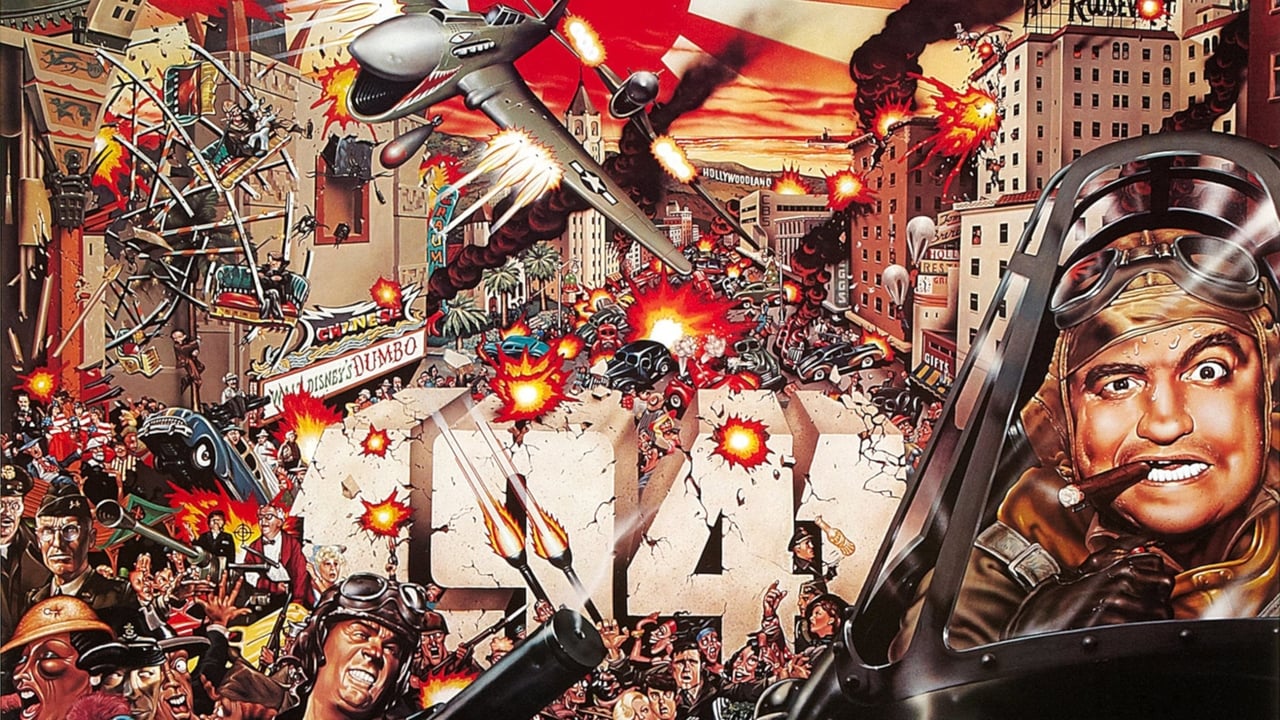
Alright, fellow tapeheads, let's rewind to a time when cinematic ambition sometimes outstripped coherence, resulting in glorious, beautiful messes. Dig out that slightly worn copy, adjust the tracking, because tonight we're diving headfirst into the sprawling, chaotic, and utterly unique spectacle that is Steven Spielberg's 1941 (1979). Coming off the world-conquering successes of Jaws (1975) and Close Encounters of the Third Kind (1977), what did the wunderkind director do next? He unleashed absolute pandemonium on Southern California.
### Hollywood Goes Bonkers
Forget subtle character studies; 1941 throws everything at the screen. Penned by Robert Zemeckis and Bob Gale (yes, the future masterminds behind Back to the Future!), the premise riffs on the very real (if somewhat overblown) panic that gripped the West Coast after Pearl Harbor. We follow a dizzying array of characters – jittery soldiers, horny teenagers, gung-ho flyboys, a lost Japanese submarine crew, and even a perpetually soused Army Air Corps pilot – during one frantic night in Los Angeles as paranoia runs rampant. It's less a single narrative and more a collision course of comedic vignettes, all barreling towards an explosive climax.
The sheer volume of talent packed into this film is staggering. You've got Dan Aykroyd as the straight-laced Sgt. Tree, barking orders amidst the escalating madness. John Belushi delivers a truly unhinged performance as Captain "Wild Bill" Kelso, a cigar-chomping P-40 pilot who seems to operate on pure id. Retro Fun Fact: Belushi actually learned to fly (somewhat) for the role, though insurance likely nixed him doing any real aerial stunts. Then there's Ned Beatty as a patriotic homeowner defending his patch of coastline, Tim Matheson and Nancy Allen as young lovers caught up in the frenzy, the late, great John Candy as a gung-ho soldier, and even Japanese screen legend Toshiro Mifune (star of countless Akira Kurosawa masterpieces) as the perplexed submarine commander. It's a who's-who of late 70s comedy and character actors, all dialed up to eleven.

### Practical Mayhem: They Built WHAT?!
Now, let's talk about why 1941 holds a special place in the VHS Heaven pantheon: the sheer, unadulterated practical effects extravaganza. Spielberg, armed with a hefty budget (reportedly ballooning to around $35 million – a massive sum back then, roughly $140 million today!), clearly decided to apply his blockbuster sensibilities to slapstick. Forget nuanced jokes; this movie prefers spectacular destruction.
The miniature work alone is breathtaking. Remember that scene with the Ferris wheel rolling off the Santa Monica Pier? That wasn't CGI, folks. That was a meticulously crafted miniature set being gloriously destroyed. Retro Fun Fact: The sequence involving Ned Beatty's house sliding off a cliff required building a full-sized facade on hydraulic gimbals – a massive, expensive undertaking for a single, albeit memorable, gag. You feel the weight and crunch of it all in a way that smoothed-out digital effects often miss.
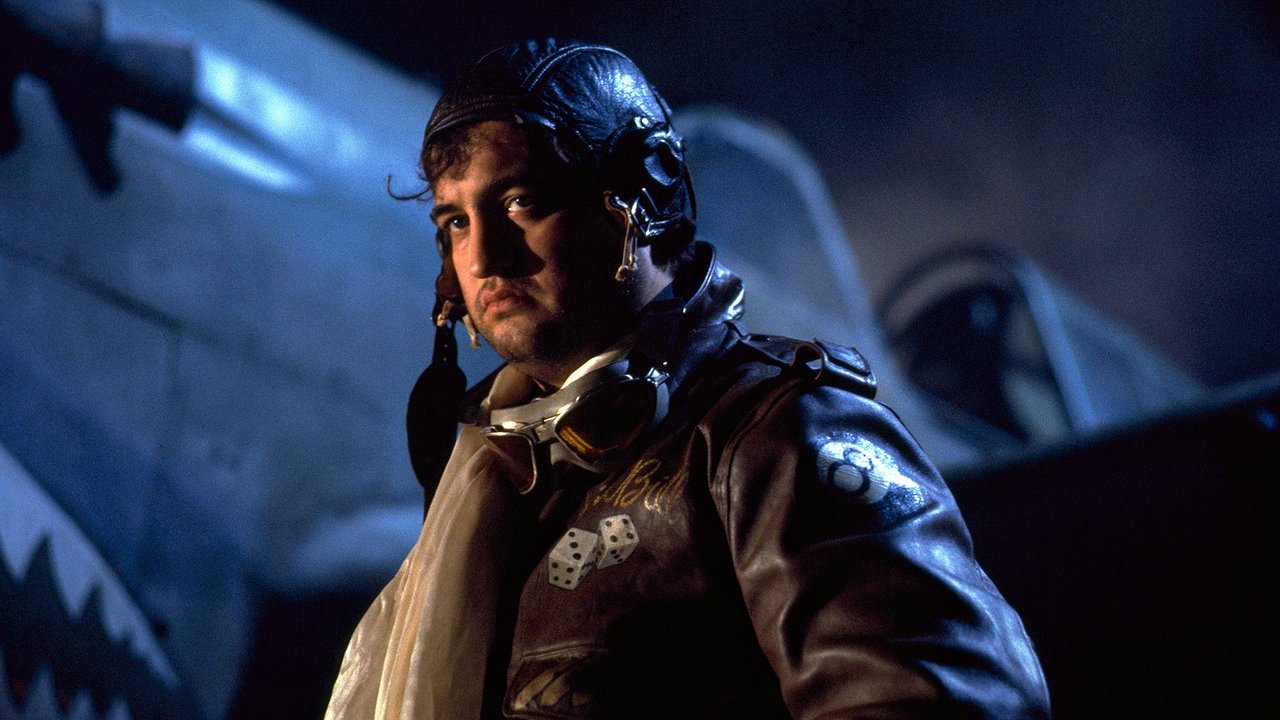
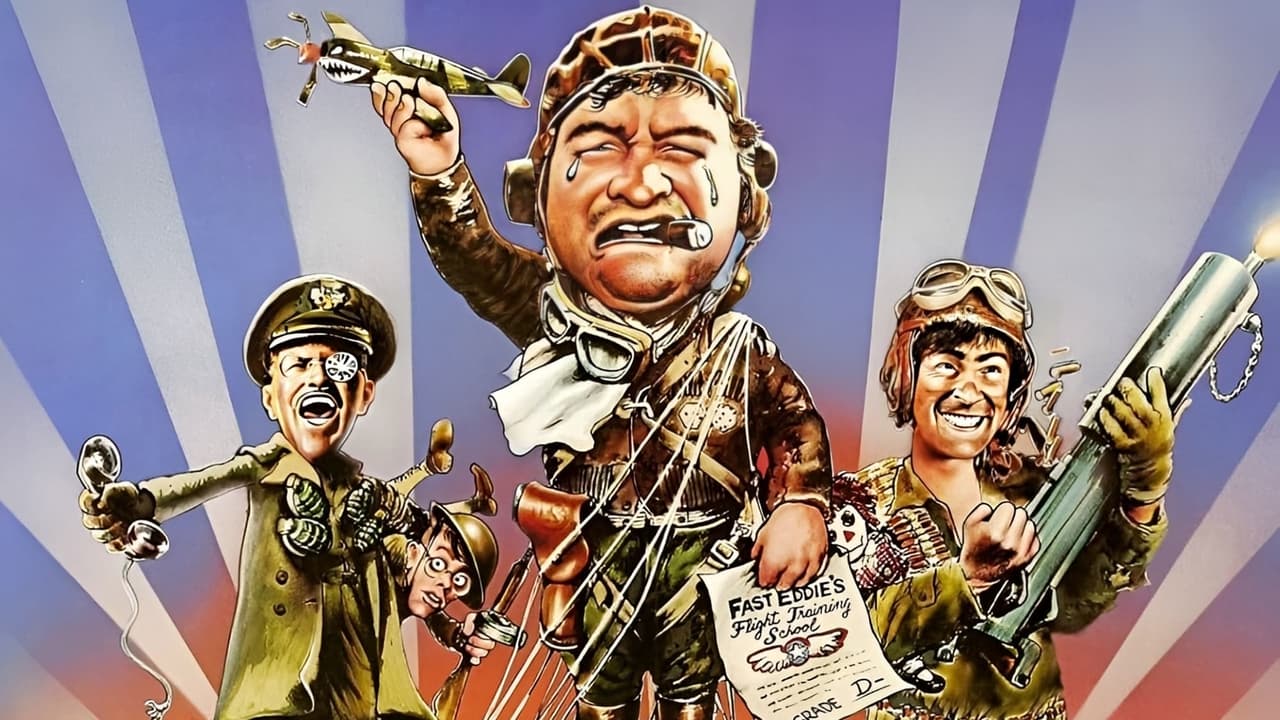
Spielberg stages action like few others, even when it's comedic chaos. The USO dance hall brawl is a masterclass in choreographed pandemonium, involving hundreds of extras, breakaway props, and stunts that look genuinely painful. And that tank rumbling down Hollywood Boulevard? Real tank (a mocked-up M3 Lee), real street (or a very convincing backlot version). The dogfight between Belushi's P-40 and the Japanese scout plane over the streets of L.A. feels incredibly visceral, combining model work, rear projection, and cockpit shots in that classic pre-digital style. Wasn't seeing that kind of intricate model work absolutely mesmerizing on a flickering CRT screen?
### A Glorious Misfire?
Despite the firepower behind and in front of the camera, 1941 famously landed with a bit of a thud back in '79. Critics were largely baffled, finding it loud, excessive, and short on laughs compared to the sheer scale of the production. Audiences didn't quite flock to it the way they did Spielberg's previous hits, though it did eventually turn a profit thanks to international markets and ancillary releases. Retro Fun Fact: There were whispers and reports during production about a party atmosphere and significant cocaine use on set, which some have speculated contributed to the film's sometimes manic and undisciplined feel. Spielberg himself has often reflected on it as a learning experience, perhaps biting off more than he could chew with sprawling comedy after tightly focused thrillers.
Yet, something funny happened on the way to the bargain bin. Through countless late-night cable airings and the golden age of VHS rentals, 1941 found its audience. It became that movie – the one you might have caught halfway through, utterly bewildered but strangely compelled by the non-stop energy and jaw-dropping destruction. I distinctly remember renting this oversized cassette, lured by the promise of Spielberg, Belushi, and explosions, and getting... well, exactly that, just maybe not in the way I expected. The extended cut, later released on LaserDisc and DVD, added nearly 30 minutes, fleshing out characters and storylines, arguably improving the pacing for some viewers.
### Final Verdict
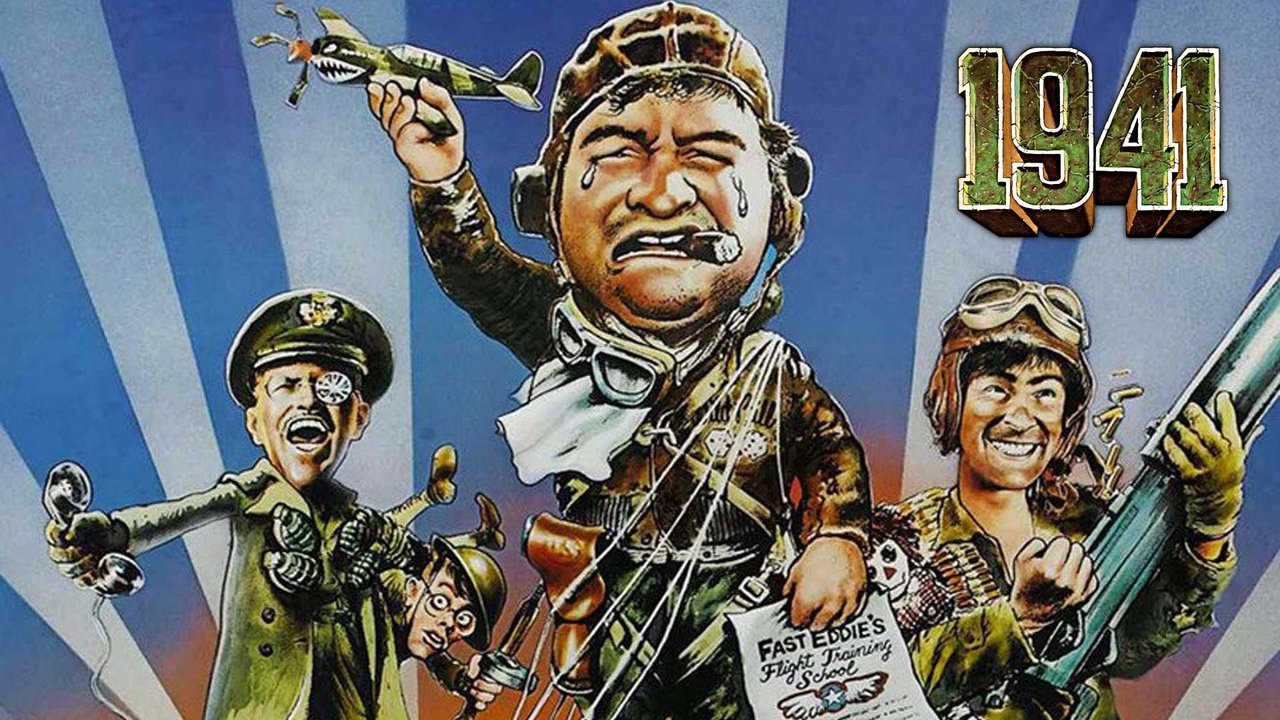
1941 isn't Spielberg's best film, not by a long shot. The comedy often feels forced, the pacing is frantic to the point of exhaustion, and it lacks the heart of his most beloved works. But as a time capsule of late-70s excess, a monument to practical effects craftsmanship, and a showcase for an insane ensemble cast letting loose, it’s undeniably fascinating. It’s the cinematic equivalent of a fireworks factory exploding – noisy, chaotic, maybe slightly dangerous, but you can’t quite look away.
Rating: 6/10 - The score reflects the undeniable technical brilliance and sheer audacity clashing with a script that buckles under its own weight. It’s a mess, but what a gloriously expensive and technically impressive mess it is!
Final Take: It's the sound and fury of blockbuster filmmaking applied to slapstick, signifying... well, maybe just a really loud night at the movies. Fire it up when you crave pure, unadulterated, practical-effects-driven chaos from a bygone era. Just don't expect subtlety.