Alright, fellow tapeheads, settle in. Tonight, we're digging out a gem that might not have been on every Blockbuster shelf back in the day, but finding it felt like uncovering a secret handshake into a whole different world of cinema. Forget the neon-drenched streets of Miami or the gritty alleys of New York for a moment; we're heading to a bustling, slightly chaotic apartment building in late 70s Istanbul with Kapıcılar Kralı (The King of the Watchmen) from 1979. This isn't your typical explosive action fare, but trust me, the maneuvering and social dynamite packed into this one offers its own kind of thrill.
### Welcome to the Microcosm
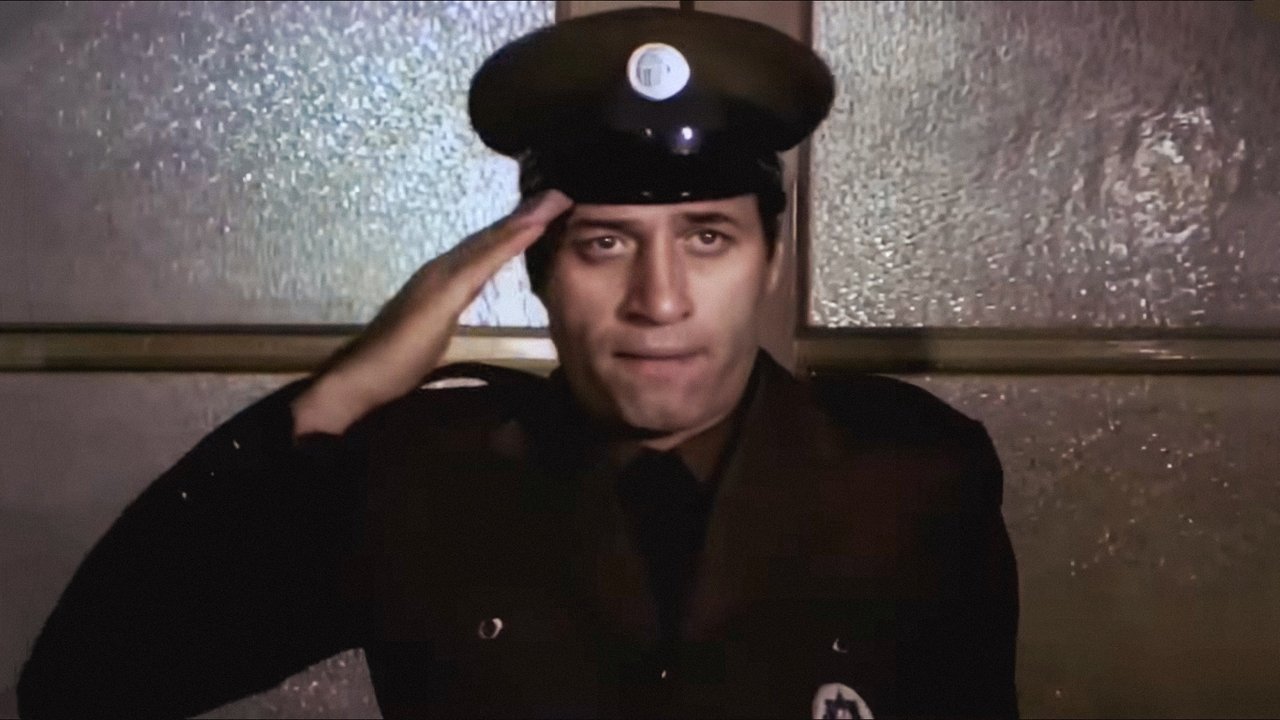
The premise is deceptively simple: Seyit, played by the legendary Turkish comedic actor Kemal Sunal, is the kapıcı – the doorman, caretaker, janitor, and general dogsbody – of a multi-story apartment building. But oh, Seyit is so much more than that. He’s the eyes and ears, the fixer, the manipulator, the quiet power broker navigating the complex ecosystem of tenants, from the penny-pinching landlord to the boozy intellectual, the gossiping housewives, and the struggling families. The building itself, filmed on location in the very real, vibrant Cihangir district of Istanbul (specifically the Safran Apartment building, which became iconic because of the film!), feels less like a set and more like a living, breathing character – a tangible slice of urban Turkish life captured on celluloid. You can almost smell the coal smoke and hear the distant city noise, a far cry from polished Hollywood backlots.
### The Reign of Kemal Sunal
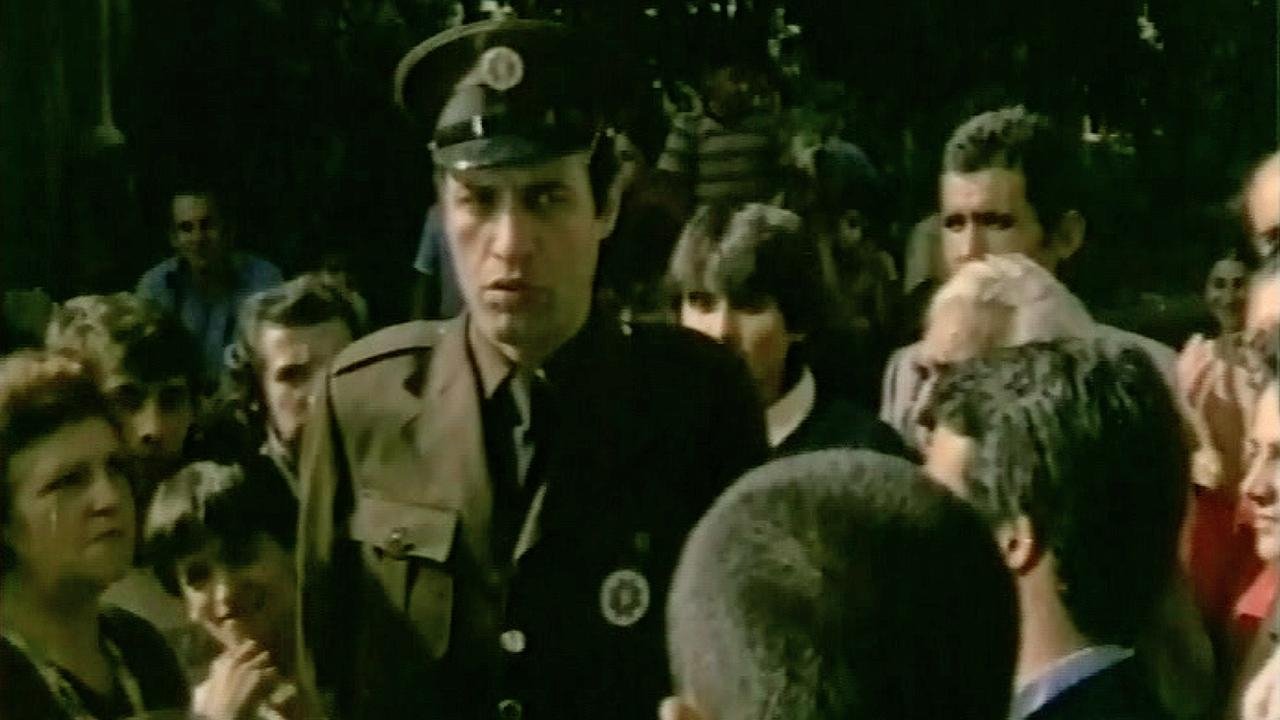
At the heart of it all is Kemal Sunal. If you’re unfamiliar, imagine Peter Sellers’ knack for physical comedy blended with a unique, almost Chaplinesque ability to convey sharp intelligence behind a facade of naive innocence. Sunal’s Seyit is a masterclass in subtle rebellion and ingenious scheming. He plays the subservient role demanded by his position, but behind those wide, observant eyes, the gears are constantly turning. He knows everyone’s secrets, leverages every scrap of information, and runs more side hustles than you can count (selling groceries at markup, mediating disputes for a fee, manipulating coal deliveries). Watching him outwit the often arrogant and clueless residents is the film's primary, and most satisfying, engine. His performance isn't loud; it's precise, relying on facial expressions and body language that translate perfectly, even if you're watching a slightly fuzzy VHS dub. It's the kind of performance that made him a national treasure in Turkey.
### A Portrait of Society, Laughs Included
While Sunal shines brightest, the ensemble cast is fantastic. Ayşen Gruda as Seyit's equally shrewd wife, Hacer, is his perfect partner in navigating the building's social minefield. And Şevket Altuğ as the perpetually drunk resident, nicknamed "Votkacı," provides some memorable comedic moments while also highlighting the diverse tapestry of lives crammed into this single building. Director Osman F. Seden, a prolific figure in Turkish cinema, and writer Sadık Şendil (adapting his own play) don't just aim for laughs. Kapıcılar Kralı is a sharp piece of social commentary, dissecting class divides, the struggles of the working poor, urban alienation, and the petty tyrannies of everyday bureaucracy. It’s funny, yes, often hilariously so, but there’s a definite satirical bite beneath the surface, reflecting the societal tensions of Turkey at the time. It swept awards at the prestigious Antalya Golden Orange Film Festival, proving its impact went beyond just popular entertainment.
### The "Practical Effects" of Real Life
So, where are the practical effects I usually rave about? Here, the "practical effect" is the reality. There's no CGI sheen, no perfectly lit sets. The apartments feel lived-in, sometimes cramped. The interactions feel authentic, occasionally awkward. The conflicts – arguments over garbage disposal, squabbles about noise, Seyit’s constant battle for respect and a decent living – feel grounded and relatable, even decades later and continents away. This lack of polish is the film's strength, lending it an almost documentary-like feel at times. It captures a specific time and place with an honesty that’s incredibly engaging. Watching it feels like peering through a window, not just watching a screen. Maybe that fuzzy VHS quality even added to the feeling of watching something real, something unvarnished?
This film reminds you that compelling cinematic experiences don't always need explosions or car chases. Sometimes, the most intense battles are fought with wits, whispers, and the strategic placement of a coal bucket. Kapıcılar Kralı offers a different kind of retro thrill – the thrill of discovering a smartly written, brilliantly performed character study that uses comedy to say something meaningful.
VHS Heaven Rating: 8.5/10 - The score reflects a truly outstanding comedic performance from a cultural icon (Kemal Sunal), sharp writing that blends humor and social commentary perfectly, and an authentic, lived-in feel that captures its era beautifully. It might lack the pyrotechnics of other films we cover, but its wit and warmth burn just as brightly.
Final Thought: Forget kings of the castle; sometimes the most powerful ruler is the one who holds the keys to the front door and knows exactly how to use them. A timeless Turkish delight well worth tracking down.