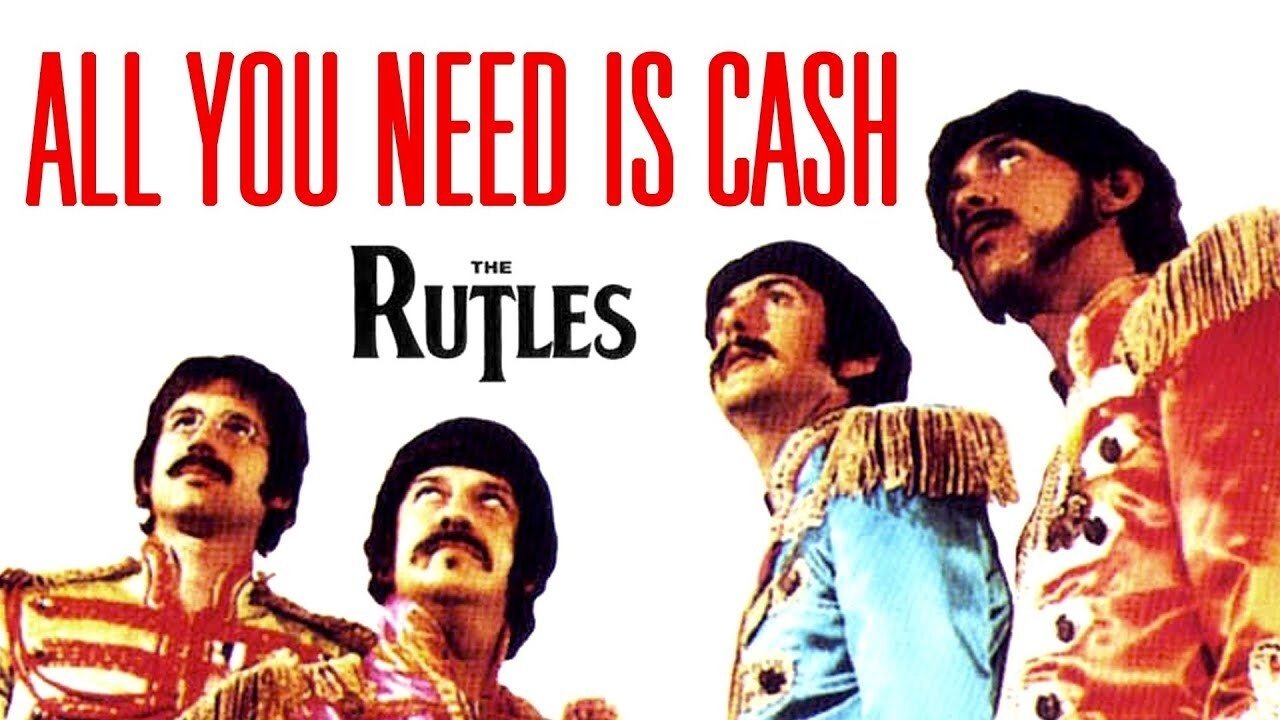
Alright, fellow tapeheads, gather ‘round. Let’s talk about a piece of pure comedic genius that probably sat on the shelf right between Monty Python and the Holy Grail and maybe a worn copy of A Hard Day’s Night in your local video haven. I’m talking about the film that dared to ask, "What if the Beatles story was… slightly sillier?" Dig out your VCR cleaner, because we’re popping in The Rutles: All You Need Is Cash (1978).
Maybe you stumbled upon this one late at night, flicking channels, or perhaps a friend with impeccable taste pressed a recorded-off-TV VHS copy into your hands. It wasn’t a blockbuster, initially airing as a TV special, but boy, did it find its audience. For those of us who grew up loving the Fab Four and clever satire, finding The Rutles felt like discovering a secret handshake. It’s a parody so pitch-perfect, so lovingly crafted, it almost feels like a parallel universe documentary.
### Meet the Pre-Fab Four
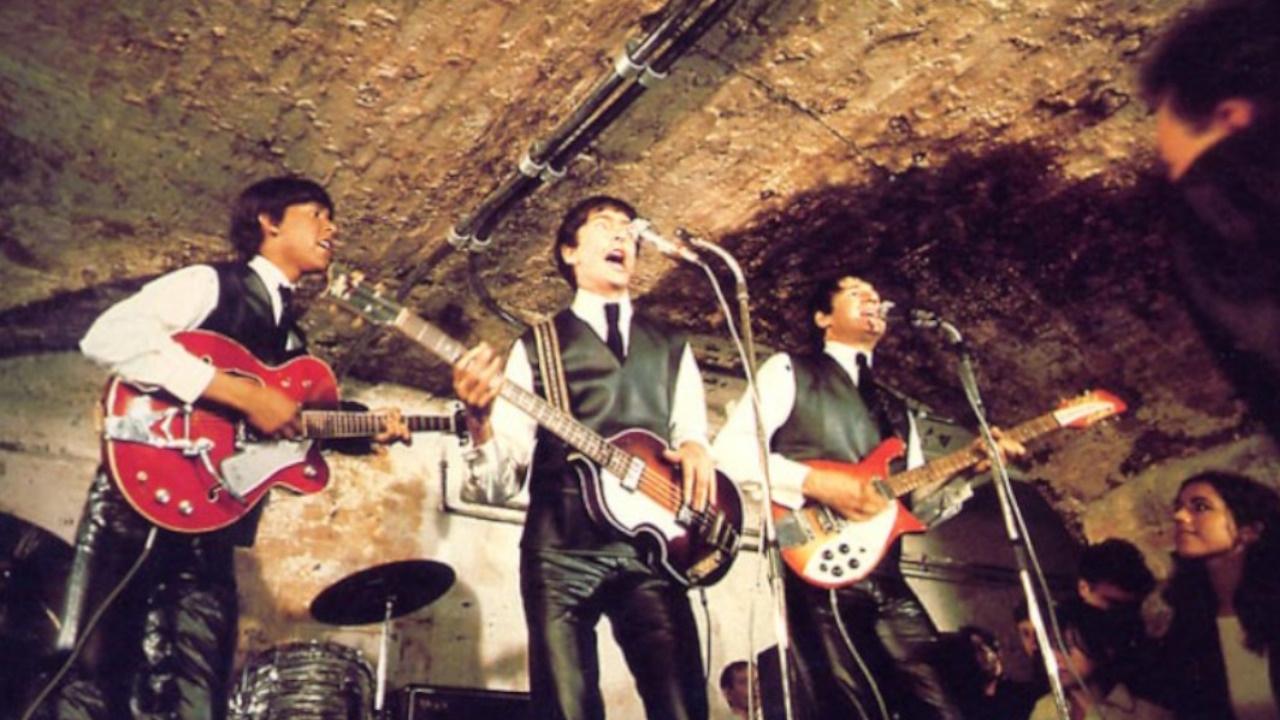
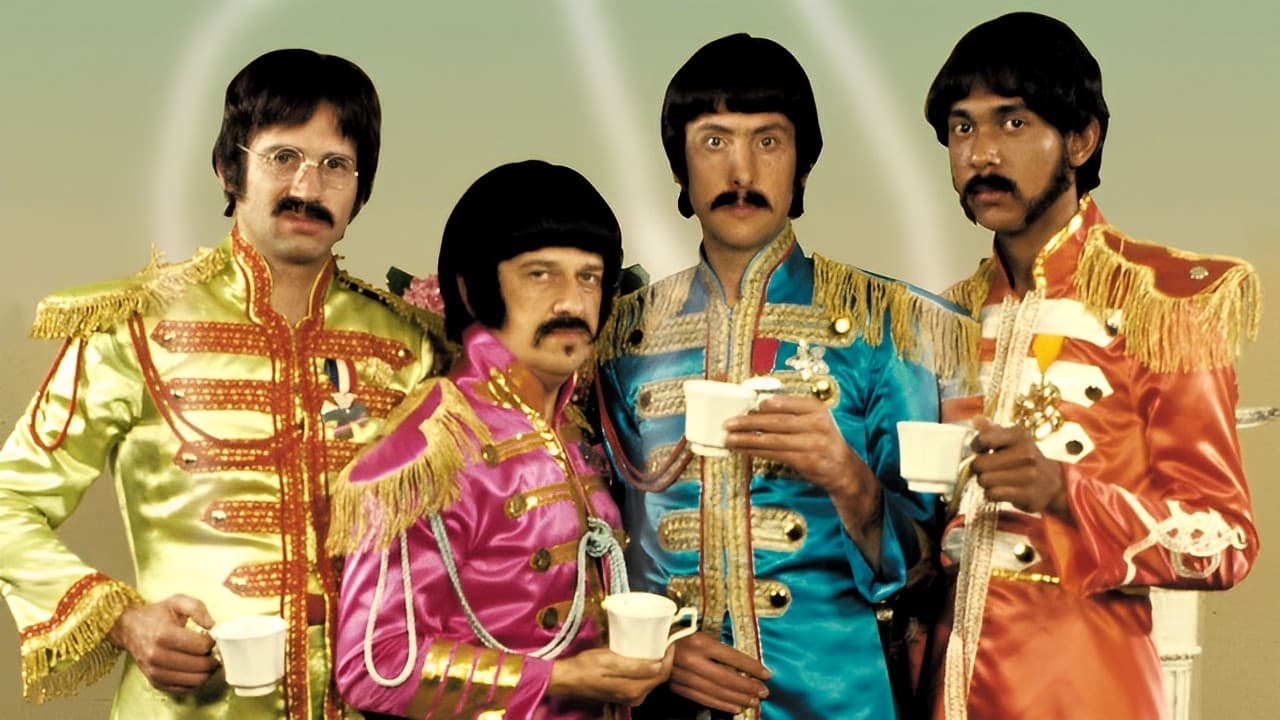
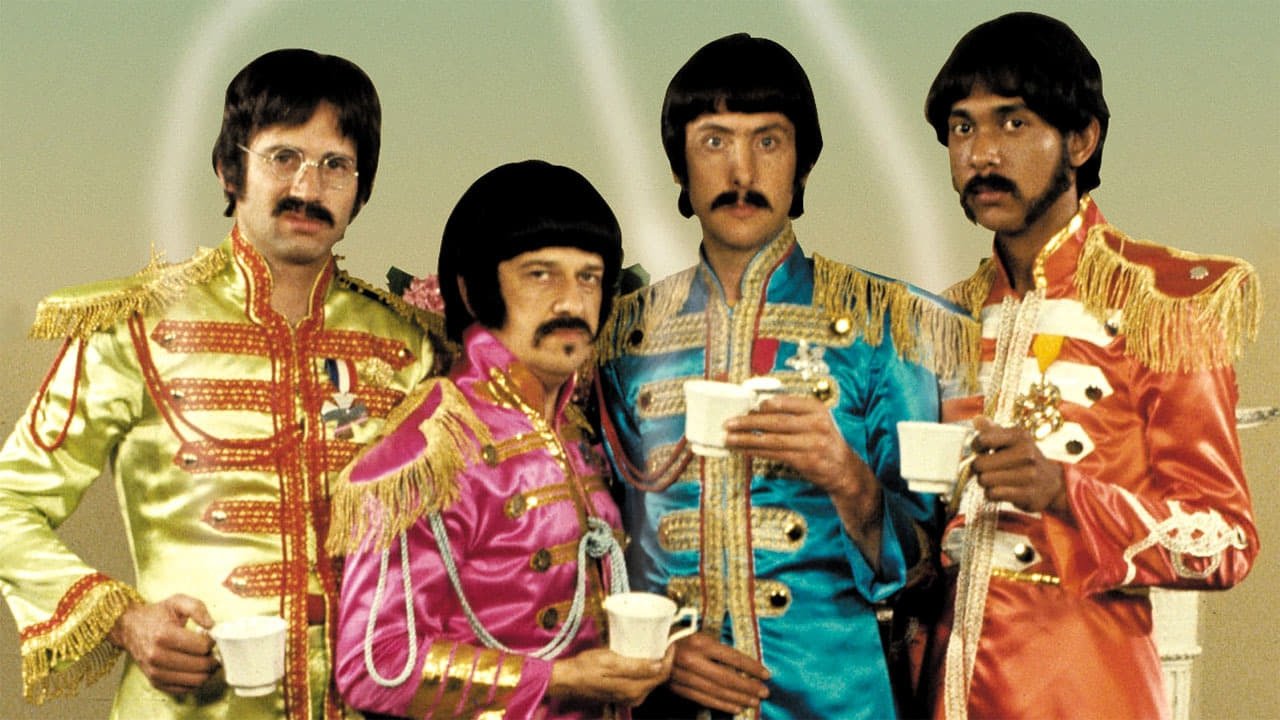
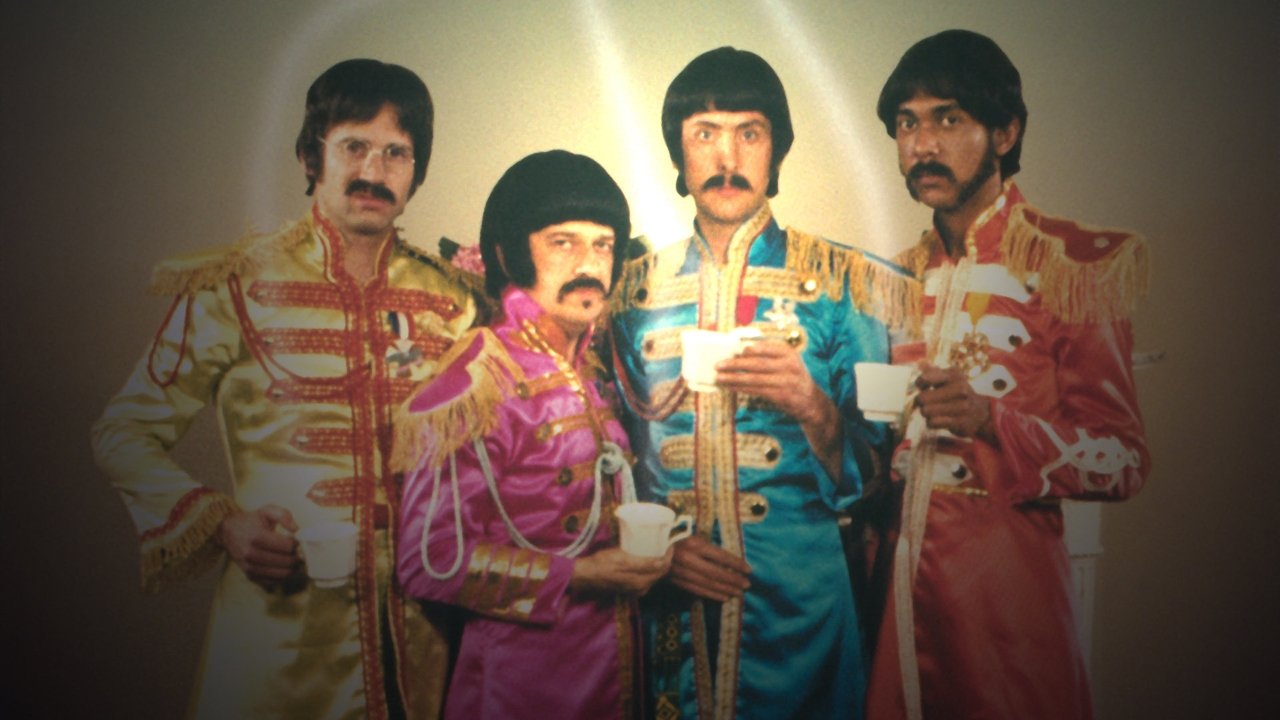
The genius starts right at the core concept: a mockumentary chronicling the meteoric rise and messy fall of The Rutles – Dirk McQuickly (Eric Idle), Ron Nasty (Neil Innes), Stig O'Hara (Ricky Fataar), and Barry Wom (originally Barrington Womble, played by John Halsey). Guided by a hilariously earnest narrator (also Idle), we follow their journey from the grimy Cavern Club equivalent in Liverpool (or was it Hamburg?) to global "Rutlemania," through their experimental phase, spiritual retreats, and inevitable breakup.
Directed partly by Idle himself and partly by Gary Weis, who honed his skills on those iconic early Saturday Night Live short films, the movie absolutely nails the look and feel of 60s rock documentaries. Remember those grainy black-and-white interviews, the slightly awkward press conferences, the psychedelic film clips? The Rutles recreates them all with uncanny accuracy and a layer of inspired absurdity. It helps that the project actually started as a sketch on Idle's post-Python show Rutland Weekend Television, later gaining traction after appearing on SNL.
### Cheese and Onions, Mate
But let's be honest, the absolute heart and soul of The Rutles is the music. Neil Innes, a frequent Python collaborator and musical comedy wizard (Bonzo Dog Doo-Dah Band, anyone?), didn't just write parodies; he wrote Rutles songs. These aren't cheap knock-offs. Tracks like "Ouch!", "Piggy in the Middle," "Cheese and Onions," and the sublime "I Must Be In Love" capture the essence of specific Beatles eras – the jangly Merseybeat, the trippy psychedelia, the later studio experimentation – with breathtaking skill. They are genuinely fantastic pop songs in their own right, layered with witty lyrical twists that poke gentle fun at the originals. You could listen to the soundtrack album (yes, it exists!) and be perfectly happy. It’s rumoured that John Lennon himself loved the film but perhaps felt "Cheese and Onions" hit a little too close to his own sound.
The commitment to the gag extends everywhere. The parodies of iconic moments are relentless and brilliant. The Ed Sullivan Show becomes the Ed Sullivan Show (with Ed Sullivan himself appearing via archive footage!), Shea Stadium becomes Che Stadium (complete with screaming fans and dodgy sound), A Hard Day's Night becomes A Hard Day's Rut, and the disastrous Apple Boutique becomes the equally doomed Rutle Corps headquarters. It skewers the hype, the media frenzy, the artistic pretensions, and the dodgy business dealings with surgical precision, yet always with an underlying affection.
### Cameos Galore and a Beatle's Blessing
Part of the fun, especially on rewatches, is spotting the cameos. Fellow Python Michael Palin pops up, as do SNL legends like John Belushi, Dan Aykroyd, and Bill Murray. Even Mick Jagger and Paul Simon appear as themselves, offering hilariously deadpan commentary. Perhaps the most legendary cameo, though, is from George Harrison himself, appearing briefly as a TV interviewer grilling the Rutles' press officer. His willingness to participate speaks volumes about the film's affectionate tone – it was parody born from genuine admiration. A retro fun fact: Harrison was reportedly instrumental in helping Idle secure some initial funding and encouraged the project.
The performances from the core four are spot-on. Idle captures the McCartney-esque charm and ambition as Dirk; Innes embodies the acerbic, Lennon-like wit of Nasty; Fataar nails the quiet, mystical vibe of Stig (the Harrison analogue); and Halsey is perfect as the steady, Ringo-esque Barry. They inhabit these roles completely, making the absurdity utterly believable within the film's context.
### Still Holding Our Hand After All These Years?
Does The Rutles feel dated? Well, it’s undeniably a product of the late 70s visually. But the humour? The music? Absolutely timeless. Its influence on the mockumentary genre is undeniable, paving the way for films like This Is Spinal Tap (which came six years later). It’s a masterclass in sustained parody, requiring a deep knowledge of the source material to fully appreciate, but still funny even if you only have a passing familiarity with Beatlemania. Watching it now, especially if you snagged an old VHS copy back in the day, feels like revisiting an old friend – one who happens to be incredibly witty and musically gifted. It’s smarter, gentler, and arguably more musically astute than many parodies that followed.
Rating: 9/10
Justification: This near-perfect score reflects the film's brilliant concept, Neil Innes's musical genius, Eric Idle's sharp writing, the spot-on performances, and its enduring status as the definitive Beatles parody. It's intelligent, hilarious, and crafted with genuine love. It only misses a perfect 10 perhaps because its specific focus requires some knowledge of the source material to unlock all the jokes.
Final Thought: Often imitated, never duplicated, The Rutles: All You Need Is Cash remains the greatest band documentary about a band that never existed – a prerequisite for any serious student of rock history, comedy, or worn-out videotapes. A legend, in its own lunchtime.