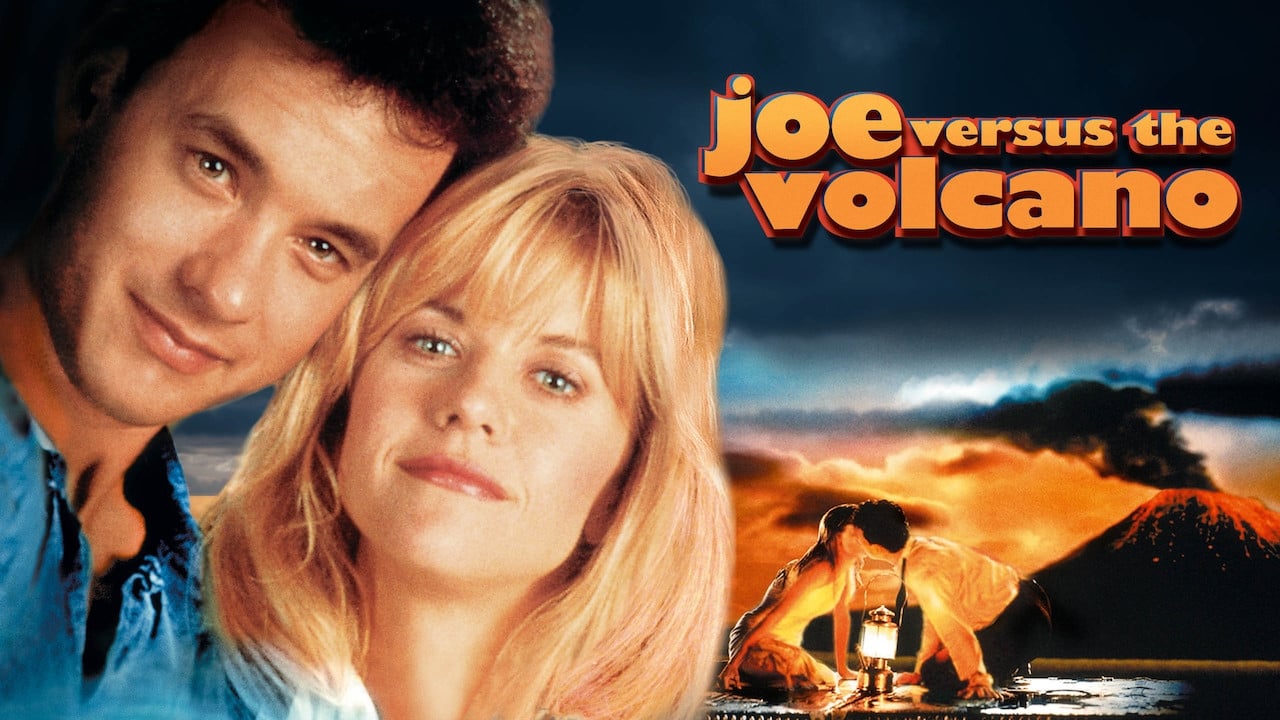
There’s a particular kind of fluorescent hum that defines the opening minutes of Joe Versus the Volcano, a soul-crushing buzz that perfectly mirrors the drab, dead-end existence of its hero. It’s a feeling many of us knew, maybe from dreary after-school jobs or the sterile waiting rooms of forgotten buildings. But then, this 1990 film takes a hard left turn into the wonderfully bizarre, offering a premise so unique it felt almost like a secret whispered between video store aisles: a dying man agrees to jump into a volcano for a billionaire, in exchange for living like a king for his final days. It wasn't your typical early 90s fare, and maybe that's exactly why it holds such a peculiar, cherished spot in the VHS Heaven archives.
### From Grey Skies to Island Vibes
Our titular Joe, played with a hangdog charm only Tom Hanks could muster at that stage of his career, starts his journey trapped in the Advertising Department of American Panascope Corporation, a place seemingly designed to leech the very colour from life. The oppressive, grey-green industrial setting is a masterstroke of production design by Bo Welch, who brought similarly distinct aesthetics to films like Beetlejuice (1988) and Edward Scissorhands (1990). When Joe receives a grim diagnosis (a "brain cloud," no less) and the outlandish offer from eccentric industrialist Samuel Graynamore (Lloyd Bridges, clearly having an absolute blast), the film blossoms. Suddenly, Joe is thrust into a world of tailored suits, first-class travel, and, most famously, an almost comical amount of high-end luggage.
The shift in visuals is striking. We move from the oppressive factory to sun-drenched California, then onto the vast, unpredictable Pacific. This wasn't just a narrative journey; it felt like the film itself was waking up alongside Joe. Written and directed by John Patrick Shanley, who was riding high off his Academy Award for writing Moonstruck (1987), this directorial debut was a bold, almost startlingly earnest fable. It reportedly cost around $25 million – a decent sum for the time – but only recouped about $39.4 million at the domestic box office. Critics were initially lukewarm, perhaps unsure what to make of its whimsical, philosophical tone. This wasn't the broad comedy some expected; it was something stranger, gentler, and ultimately, more resonant for those who connected with its offbeat rhythm.
### The Many Faces of Meg Ryan
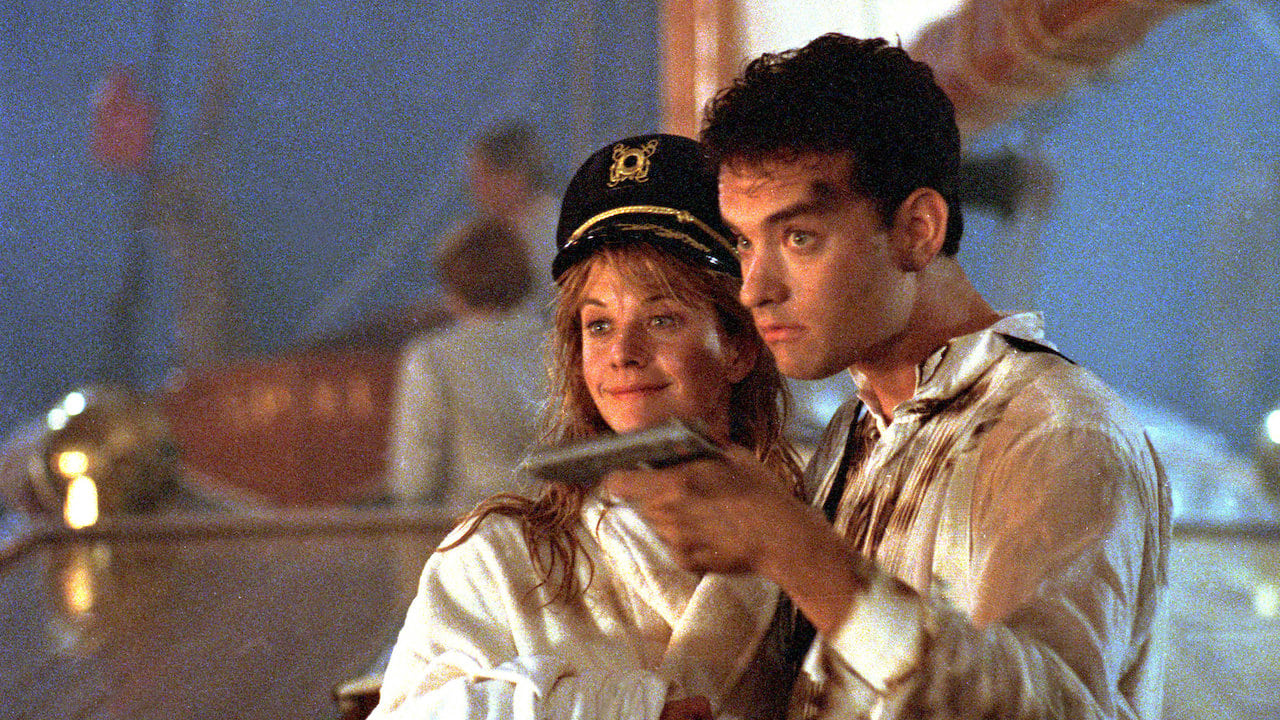
Of course, you can't talk about Joe Versus the Volcano without talking about Meg Ryan. In a delightful casting choice, Ryan plays not one, but three distinct characters who mark different stages of Joe's liberation: the timid office colleague DeDe, the flamboyant California socialite Angelica, and finally, the pragmatic and courageous Patricia. It's a showcase for Ryan's versatility, moving beyond the pure romantic comedy persona she was already cultivating. Her scenes with Hanks crackle with an early version of the chemistry that would later define classics like Sleepless in Seattle (1993) and You've Got Mail (1998). Watching this film now feels like witnessing the nascent stages of one of cinema's most beloved pairings, presented here in a far more surreal context. Patricia, in particular, steering the yacht Tweedledee towards the mythical island of Waponi Woo, feels like the true partner Joe needs for his existential leap.
### Luggage, Lightning, and Legendary Eccentricity
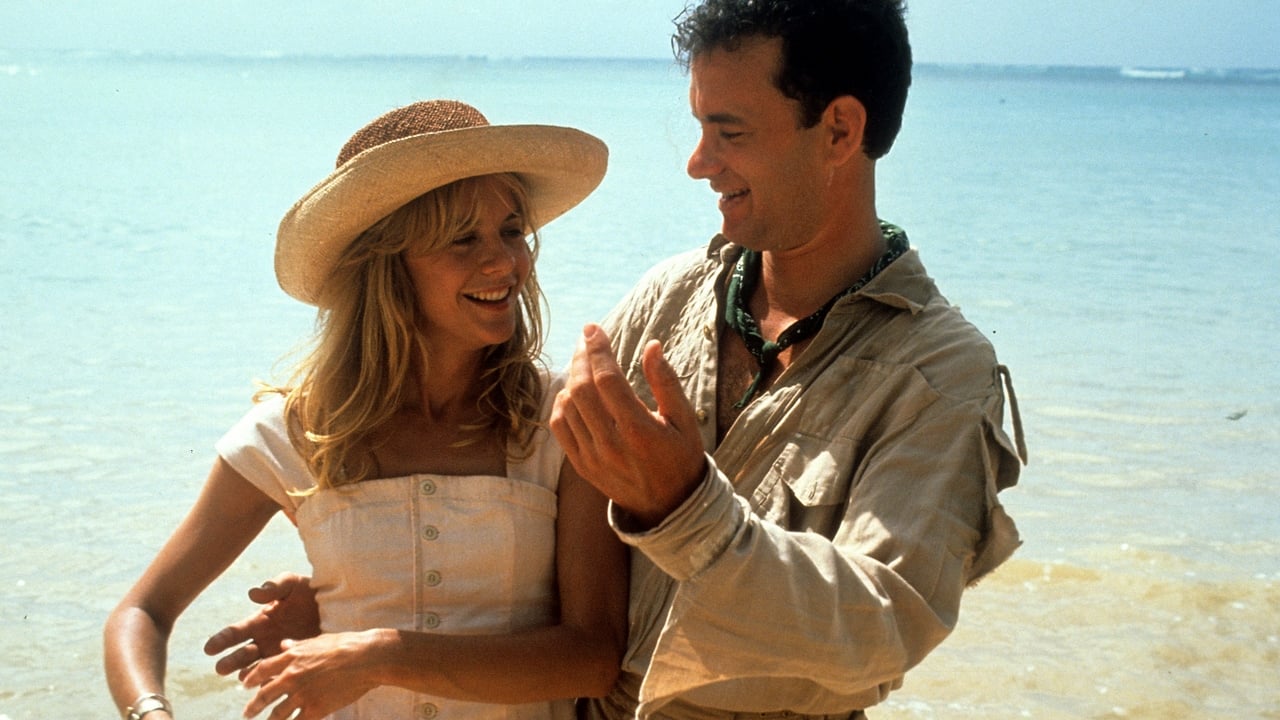
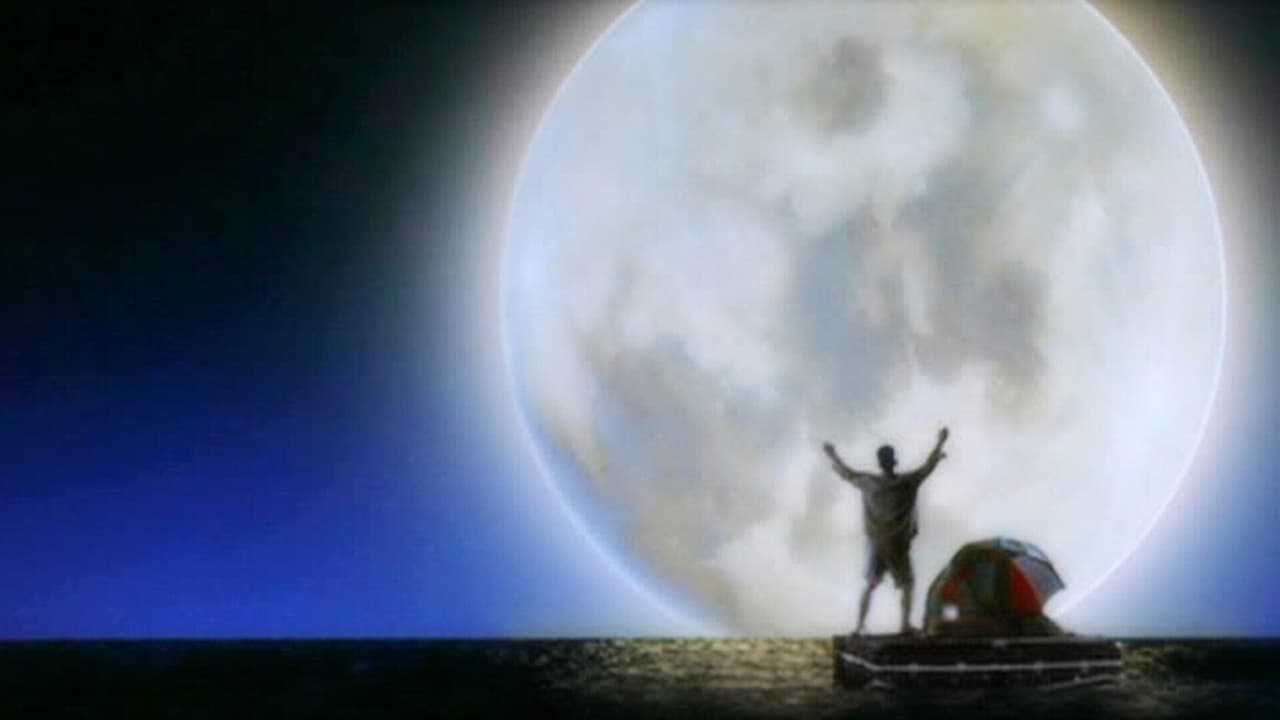
Let's be honest: this movie is weird, in the best possible way. Remember those steamer trunks? Reportedly genuine Louis Vuitton, bobbing absurdly in the ocean after a typhoon strikes – it’s an image that perfectly encapsulates the film's blend of luxury and existential peril. The island of Waponi Woo itself is a fantastic creation, inhabited by a tribe whose culture revolves around orange soda (the fictional "Grapo") and the appeasement of the "Big Woo" volcano. Shanley avoids easy stereotypes, presenting the Waponis (led by the wonderful Abe Vigoda as their chief) with a quirky dignity.
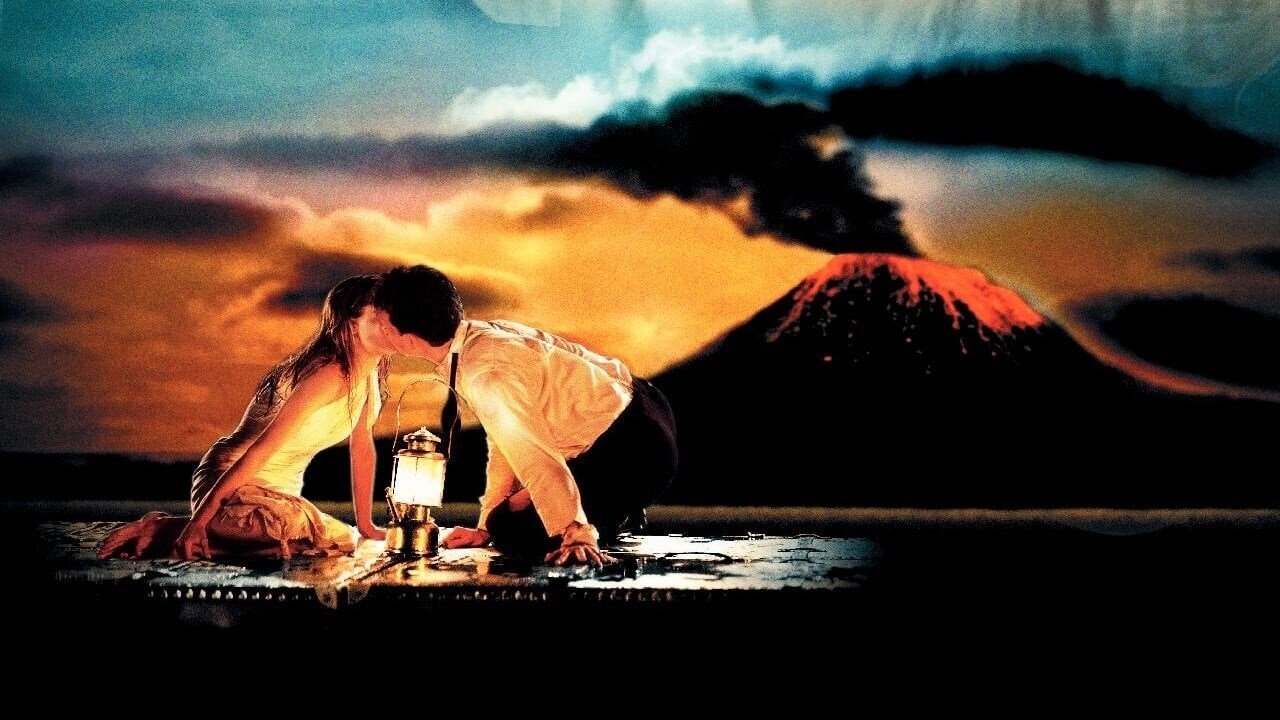
The film leans into its fairy-tale logic. Joe survives lightning strikes, floating on his luggage becomes a moment of serene beauty rather than pure desperation, and the climactic volcanic encounter plays out with surprising sweetness. Trivia buffs might enjoy knowing that much of the island footage was shot in Hawaii, providing a lush backdrop for the film's third act. There's also the persistent urban legend about Shanley intending the film as an allegory, with the different settings representing stages of life or consciousness. Whether intended or not, the film certainly invites interpretation, adding layers beneath its charmingly odd surface. It’s a film that wasn’t afraid to be sincere, philosophical, and visually inventive all at once – a rare combination then and now.
### Finding Its Cult Following on Tape
While it didn't set the box office alight initially, Joe Versus the Volcano found its true believers in the home video market. It became one of those treasured VHS tapes passed between friends, a discovery that felt personal and unique. Its themes of escaping drudgery, living life to the fullest (even under strange circumstances), and finding connection in unexpected places resonated more deeply over time. It’s a film that celebrates taking a leap of faith, both literally and metaphorically. It understands that sometimes, the most ridiculous-sounding adventures are the ones that truly wake us up. It might not be the slickest or funniest film of the era, but its heart is enormous, and its willingness to embrace the absurd is infectious.
Rating: 8/10
This rating reflects the film's sheer audacity, its enduring charm, and its status as a truly unique cult classic. While its pacing can meander, and its specific brand of whimsy isn't for everyone, Joe Versus the Volcano earns its points for Tom Hanks's earnest performance, Meg Ryan's delightful triple role, John Patrick Shanley's brave vision, and its unforgettable, quirky spirit. It’s a visually imaginative fable that wears its heart on its sleeve, flaws and all.
For anyone who ever felt stuck, dreamed of adventure, or just really appreciated well-made luggage, Joe Versus the Volcano remains a strangely comforting and inspiring journey – a reminder that sometimes, you just need to say yes to the volcano.