Alright, fellow tapeheads, slide that well-worn copy of The Mask into the VCR slot. Hear that satisfying clunk? Remember adjusting the tracking just so? Good. Because we're diving back into 1994, a time when one rubber-faced comedian teamed up with some truly eye-popping (literally!) visual effects to create something utterly unique and infectiously fun. Forget subtle; this movie hit the screen like a cartoon mallet swung by pure, unadulterated id.
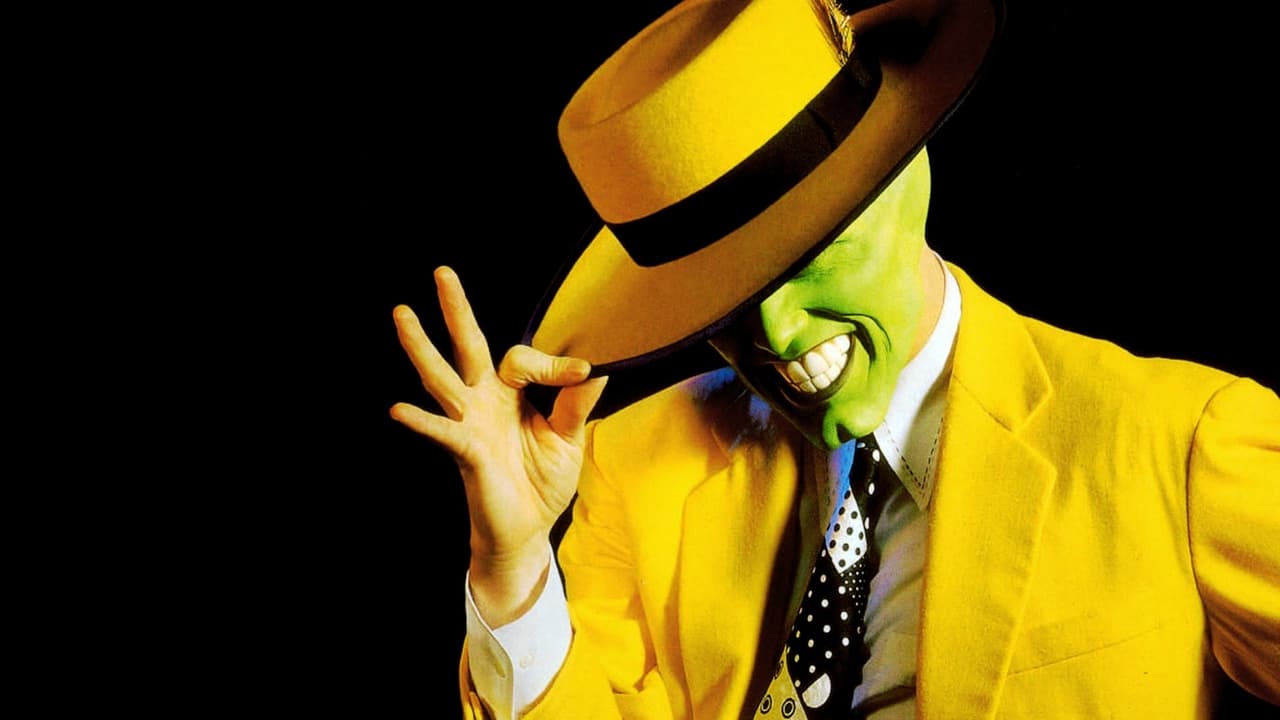
The Mask wasn't just another comedy; it felt like a jolt of pure energy, a live-action Tex Avery cartoon blended with a surprisingly slick neo-noir aesthetic. At its heart is Stanley Ipkiss (Jim Carrey), a down-on-his-luck bank clerk – the kind of genuinely nice guy who finishes last, gets walked all over, and probably still apologizes for it. His discovery of an ancient wooden mask unleashes his repressed inner self: a green-faced, zoot-suited tornado of chaos with powers limited only by his (and the animators') imagination.
Somebody Stop Me!
Let's be honest, 1994 was Jim Carrey's year. Hot off the heels of Ace Ventura: Pet Detective, The Mask solidified his superstardom. What made it work so brilliantly was how the revolutionary (for the time) digital effects weren't just layered onto his performance; they felt like an extension of it. Carrey’s incredible physical comedy, his ability to contort his face and body in ways that seemed humanly impossible, provided the perfect foundation for Industrial Light & Magic's groundbreaking CGI. He was the cartoon character, even before the digital artists added the impossibly wide grin or the eyes bugging out like cartoon dinner plates. It’s a synergy we rarely see today, where the effects often feel separate from the actor. Remember that "Cuban Pete" sequence? Pure Carrey, amplified by the tech.
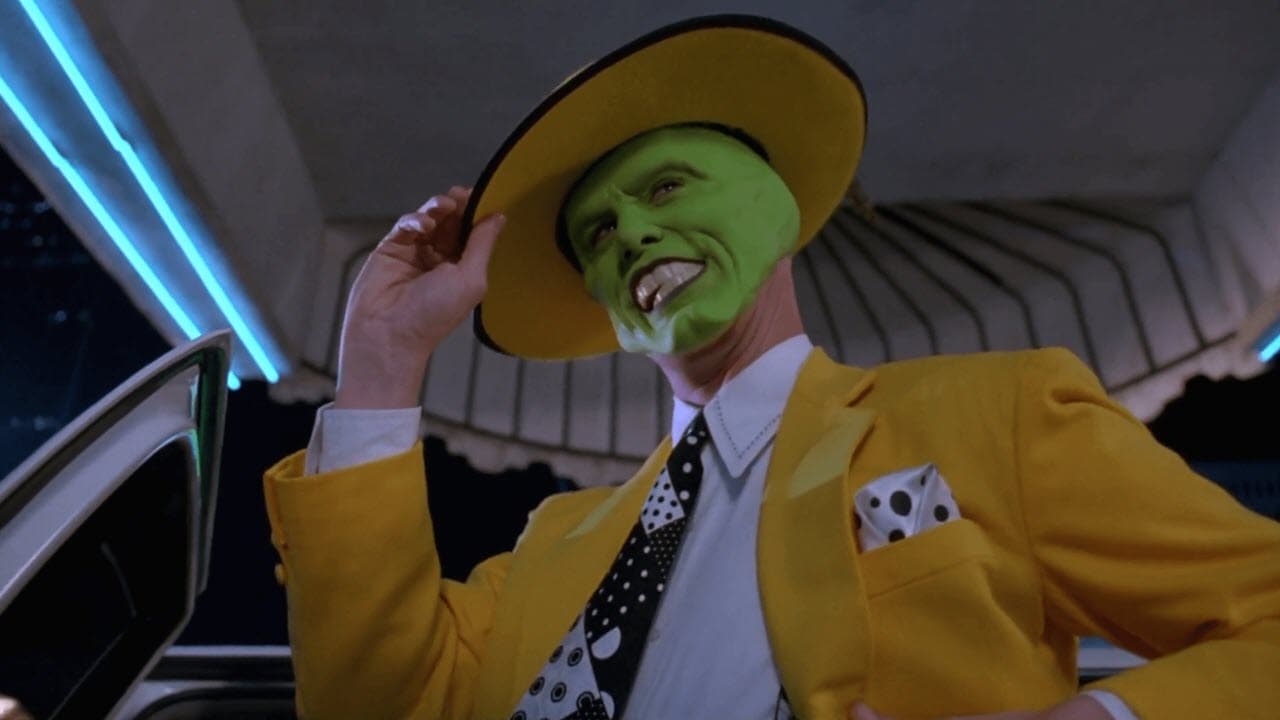
It's fascinating to think that the original Dark Horse comic book source material was significantly darker, almost horror-like. Director Chuck Russell, who knew a thing or two about blending horror and fantasy with films like A Nightmare on Elm Street 3: Dream Warriors, made a crucial decision to steer this adaptation towards manic comedy, tailoring it perfectly for Carrey's unique talents. This tonal shift proved genius, turning a potential cult oddity into a massive mainstream hit. The film was made for a relatively modest $23 million but exploded at the box office, raking in over $351 million worldwide – that’s like finding a winning lottery ticket in your VCR cleaning kit!
Hello, Gorgeous!
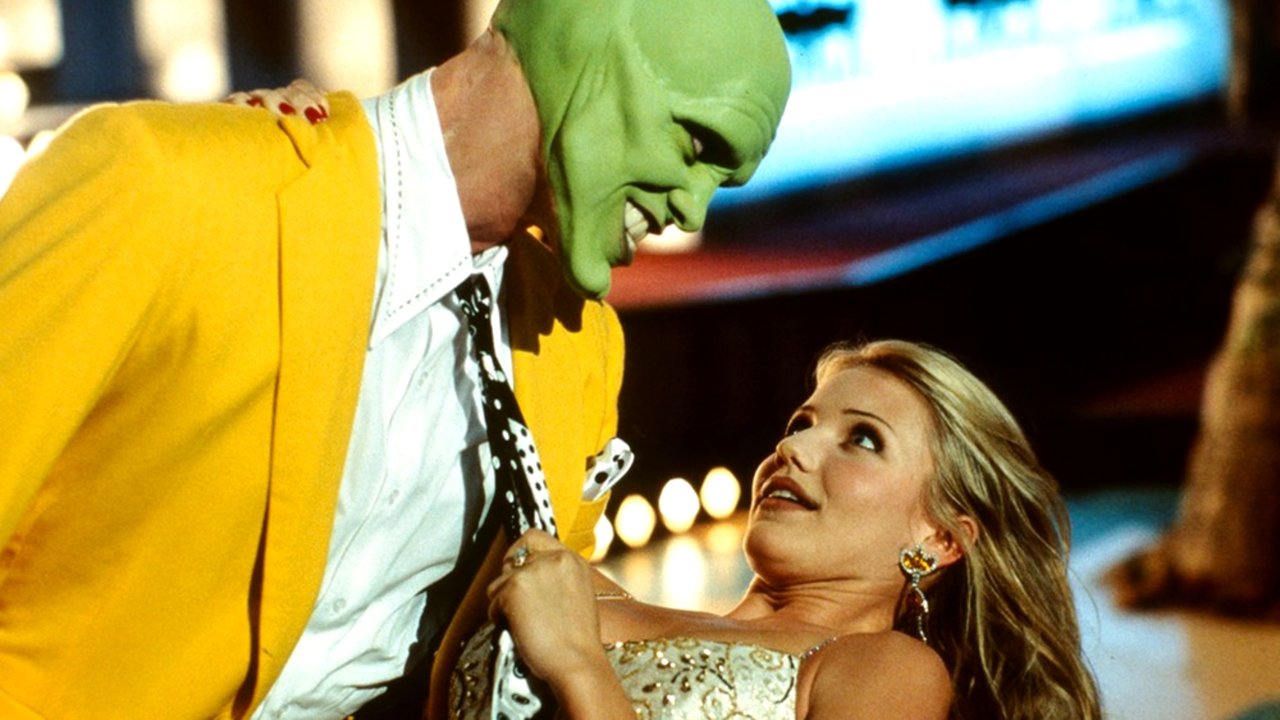
And speaking of discoveries, The Mask served as the electrifying debut for Cameron Diaz as Tina Carlyle, the gangster's moll who steals Stanley's heart (and ours). Walking into that bank, radiating movie-star charisma from frame one – it was an entrance that announced a major new talent. Diaz held her own against Carrey’s whirlwind energy, providing the essential femme fatale glamour that grounded the film's more outlandish moments. The chemistry between them sizzles, giving the zany plot a much-needed emotional core. We also get great support from Peter Riegert as the weary detective trying to make sense of the chaos, and the late Richard Jeni as Stanley's cynical best pal.

Visual Anarchy and That Swingin' Soundtrack
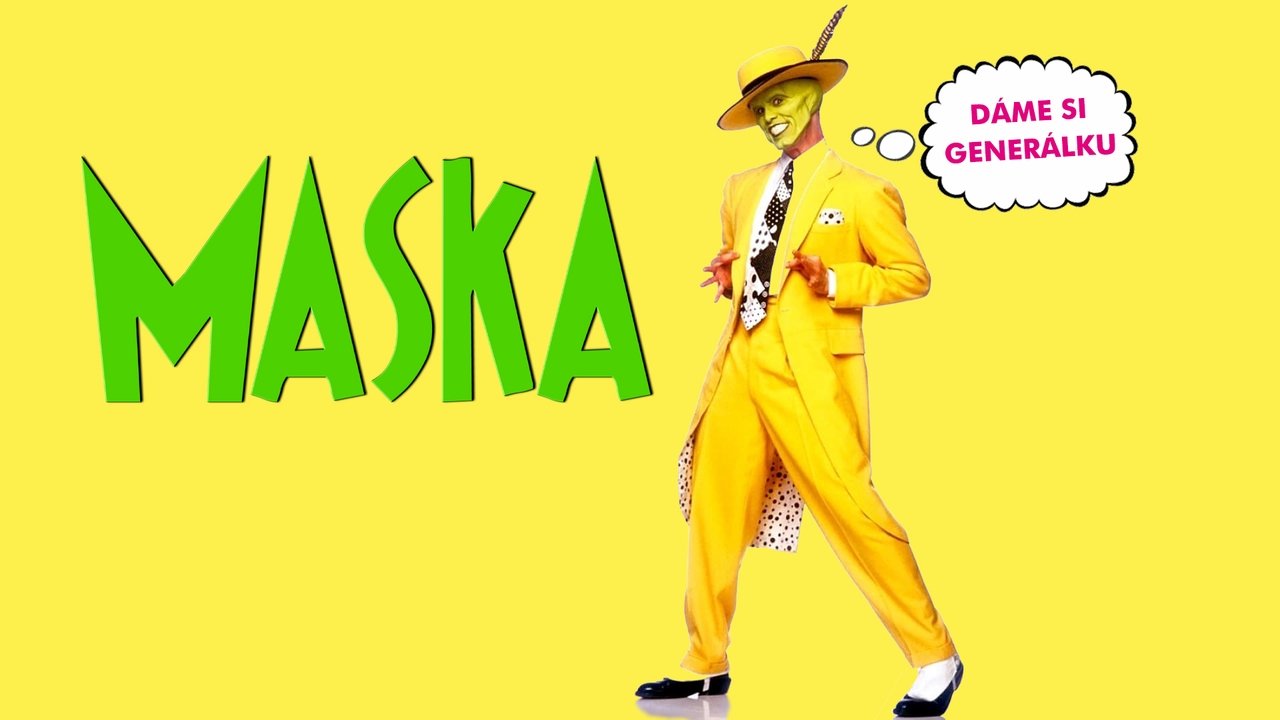
The look of Edge City, where the film is set, is pure 90s does 40s – a stylish blend of classic noir tropes (smoky nightclubs, gangsters in sharp suits) and contemporary grit. The production design perfectly complements the film's split personality. But it’s the effects that truly defined The Mask for its era. Yes, looking back through our HD-spoiled eyes, some of the CGI might seem a bit rubbery now. But in 1994? Watching the Mask pull a giant mallet out of his pocket, his jaw dropping to the floor, or his heart literally pounding out of his chest – it felt revolutionary! It was a glimpse into the future of filmmaking, blending practical makeup and costumes (that iconic yellow zoot suit!) with digital wizardry in a way few films had managed before. They weren't just effects; they were visual punchlines delivered with anarchic glee.
And let's not forget that killer soundtrack! The film helped spark a mini-revival of swing and big band music, with tracks like Royal Crown Revue's "Hey Pachuco!" becoming synonymous with the Mask's hyperactive energy. It perfectly captured the retro-cool vibe the movie was aiming for. Did you know the Coco Bongo club set was designed to evoke the legendary Copacabana and the vibrant style of 1940s Hollywood musicals? It all added to the film's unique, hyper-stylized world.
Still Ssssmokin'?
Rewatching The Mask today is like mainlining pure, uncut 90s nostalgia. It's loud, it's colorful, and it's relentlessly energetic. While the effects have aged, the sheer force of Carrey's performance and the film's imaginative spirit remain incredibly potent. It captured lightning in a bottle – a perfect storm of star power, timely effects innovation, and a concept just crazy enough to work. It led to an animated series and a less-than-stellar sequel years later (without Carrey, a fatal flaw), but the original remains a benchmark of 90s blockbuster comedy.
---
VHS Heaven Rating: 8/10
Justification: The Mask earns its high score for being a defining comedy of its era, showcasing a transcendent comedic performance from Jim Carrey perfectly melded with then-groundbreaking visual effects. Its energy is infectious, Cameron Diaz's debut is iconic, and its unique blend of genres still feels fresh. While some CGI shows its age, the sheer creativity and fun factor remain undeniable. It perfectly captured a moment in pop culture.
Final Take: A Day-Glo explosion of cartoon physics and star-making charisma that proved CGI could be hilarious. Still guaranteed to put a ridiculously oversized grin on your face, even if the tracking lines flicker a bit.