It starts with a simple, almost mundane premise: a grown man, twice divorced and creatively blocked, decides the root of his problems lies in his relationship with his mother. The solution? Move back into her house to understand her, and thus, himself. This setup, in the hands of Albert Brooks, becomes the foundation for 1996's Mother, a film that resonates with a quiet, uncomfortable, and often hilarious truth long after the tape clicks off in the VCR. It's the kind of film that might have initially seemed like a standard mid-90s comedy rental, maybe picked up on a whim, but revealed itself to be something far more insightful and enduring.
### The Neurotic Son Returns
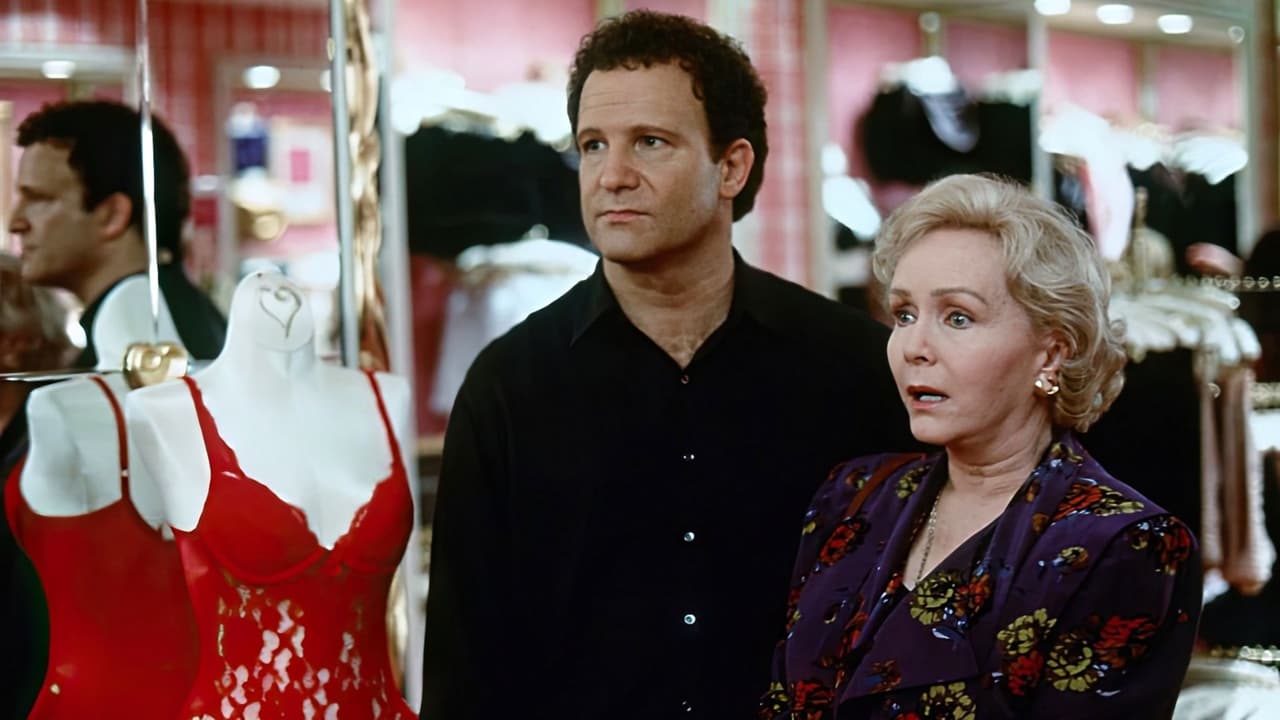
Albert Brooks, both directing and starring as John Henderson, brings his signature brand of intelligent, observational, and deeply neurotic humor to the forefront. John isn't just looking for answers; he's conducting an almost anthropological study of his own mother, Beatrice, played to perfection by the legendary Debbie Reynolds. He arrives not with open arms, but with a metaphorical magnifying glass, scrutinizing every gesture, every passive-aggressive comment, every frozen food item she buys in bulk. Brooks is masterful at portraying the specific anxieties of middle-aged disappointment, the way we can regress instantly when back in our childhood homes. His quest isn't just about understanding his mother; it's about excavating his own perceived shortcomings, hoping to find their origins neatly packaged in her behavior. Remember that feeling, returning home as an adult, where suddenly you're navigating unspoken rules and dynamics you thought you'd long outgrown? Brooks taps into that vein with excruciating accuracy.
### A Star Is Reborn (Again)
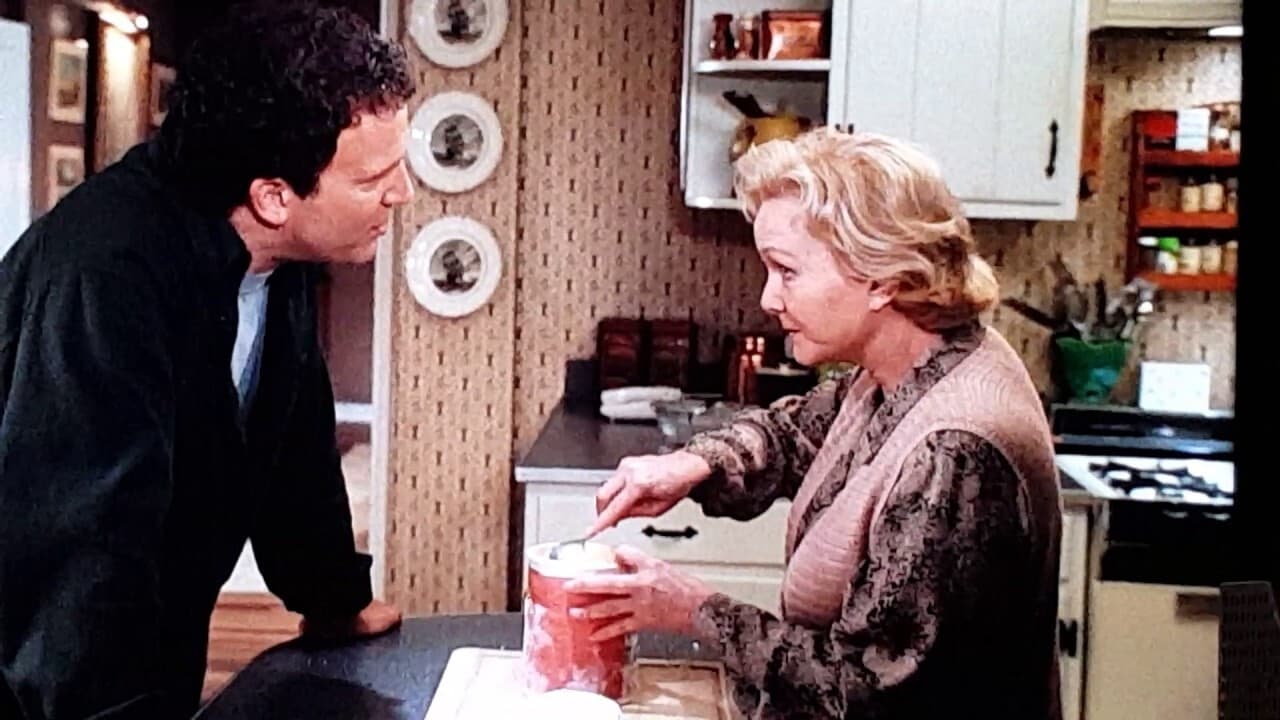
While Brooks is the catalyst, the absolute soul of Mother is Debbie Reynolds. After years away from leading roles, her return here wasn't just a comeback; it was a revelation. Many actresses were reportedly considered, but it's impossible now to imagine anyone else embodying Beatrice Henderson. Reynolds sheds her 'Singin' in the Rain' effervescence for something far more complex and subtly devastating. She isn’t a caricature of a difficult mother; she’s a mother, specific and universal all at once. Her Beatrice is loving but guarded, helpful but subtly controlling, proud but deeply insecure. Watch the way she defrosts a single slice of bread, or her non-committal responses to John’s probing questions, or the quiet pride mixed with confusion when dealing with her other son, the more overtly successful Jeff (Rob Morrow). It’s a performance built on tiny gestures, micro-expressions, and line deliveries that land with the gentle thud of uncomfortable recognition. There’s no grand melodrama, just the steady rhythm of ingrained familial patterns. Reynolds earned a Golden Globe nomination for this, and frankly, it remains one of the most authentic portrayals of maternal complexity captured in 90s cinema. It's reported that Brooks screen-tested numerous actresses, searching for someone who could embody both the warmth and the subtle antagonism, and Reynolds absolutely nailed that delicate balance.
### Unpacking the Baggage, One Freezer Meal at a Time
Co-written by Brooks and his frequent collaborator Monica Johnson (who also worked with him on gems like Lost in America (1985) and Modern Romance (1981)), the script is deceptively simple. There are no huge plot twists or dramatic confrontations in the traditional sense. Instead, the film finds its power in the accumulation of small moments: John trying to get Beatrice to buy "good" ice cream, the simmering tension over thawed sherbet, the analysis of why she never seemed to offer genuine encouragement. These aren't earth-shattering events, but they speak volumes about the invisible walls and miscommunications that can define long-term family relationships. Brooks uses these mundane details to explore deeper themes: the expectations we place on parents, the difficulty of seeing them as flawed individuals rather than just "Mom" or "Dad," and the painful realization that sometimes, there are no easy answers or grand epiphanies to unlock our adult lives. What does Beatrice’s parsimony really mean? Is it simple frugality, a lack of generosity, or something else entirely tied to her own past? The film wisely never provides a definitive answer, letting the ambiguity linger, much like real life.
### The Quiet Craft of Observation
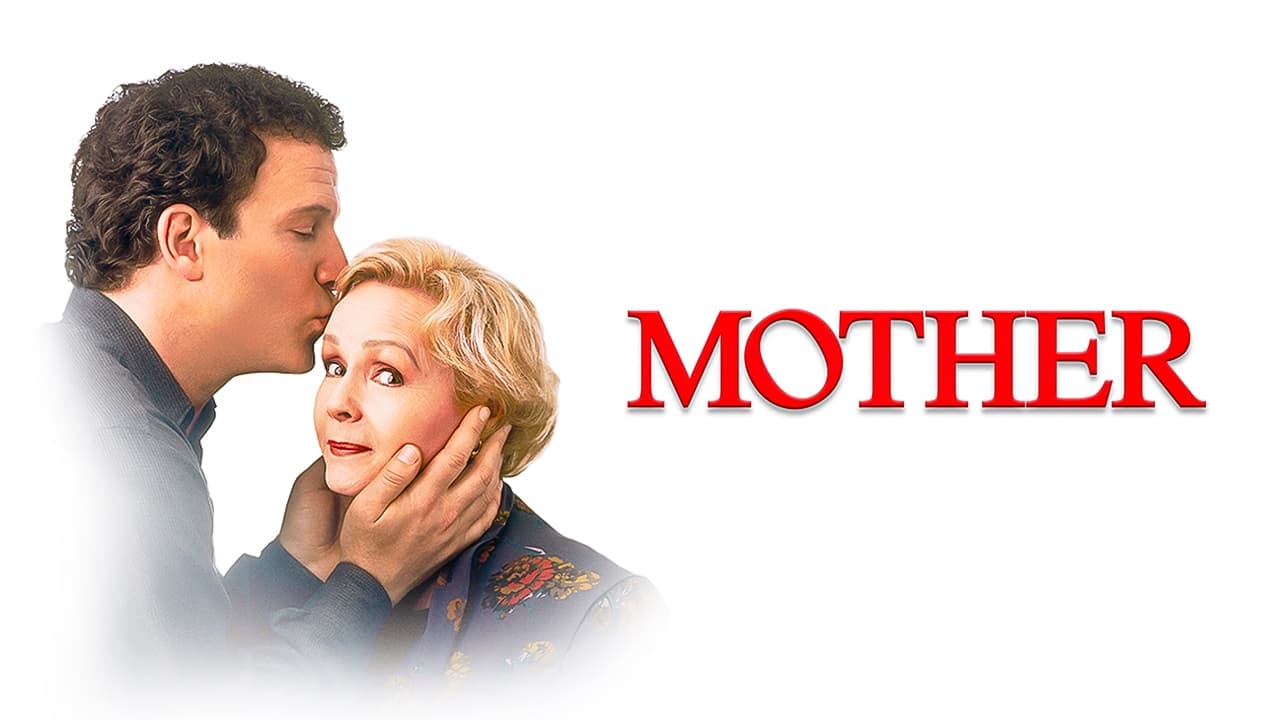
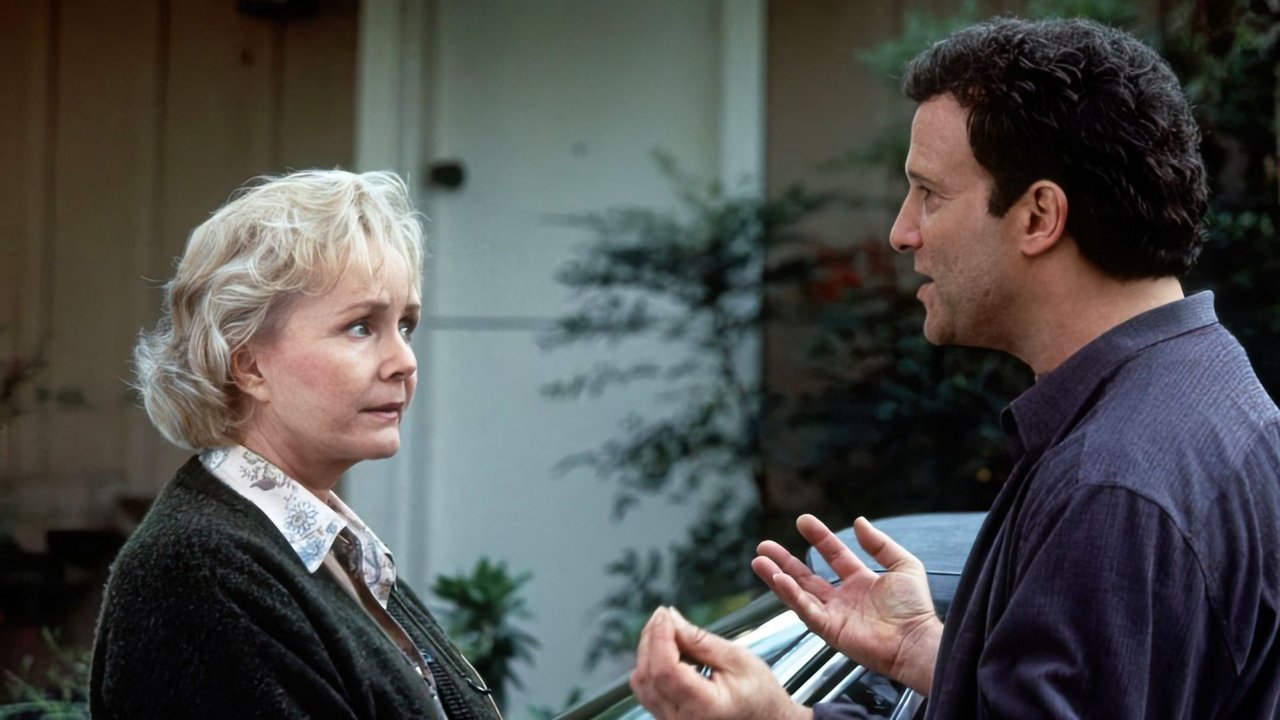
Brooks’ direction is unobtrusive, allowing the performances and the dialogue to shine. There’s no flashy camerawork or intrusive score. He creates a realistic, slightly claustrophobic atmosphere within Beatrice’s meticulously maintained home, emphasizing the feeling of being trapped not just physically, but emotionally. The production design subtly reinforces Beatrice's character – everything is neat, practical, perhaps a little dated, reflecting a life lived with careful control. This wasn't a big-budget spectacle; shot for around $8 million, it relied entirely on its character work and sharp writing, ultimately finding a receptive audience and grossing a respectable $19 million – a testament to its relatability. Seeing it back then, perhaps on a rented tape nestled between bigger action flicks or broader comedies, it felt like discovering a small, polished gem.
Rating: 9/10
Mother earns this high score for its razor-sharp writing, its uncomfortably funny observations about family dynamics, and most importantly, for giving us Debbie Reynolds' magnificent, nuanced performance. It bypasses easy sentimentality and sitcom tropes, instead offering a mature, thoughtful, and deeply resonant look at the enduring, complicated bond between a mother and her adult son. It’s a film that stays with you, prompting reflections on your own family history long after the credits roll.
What lingers most, perhaps, is the film's quiet insistence that understanding doesn't always lead to resolution, but simply… understanding. And sometimes, as John Henderson discovers, that has to be enough. A true standout from the mid-90s indie comedy scene, and a tape well worth revisiting.