The hum of the VCR fades into the background, leaving only the flickering image and a knot tightening in your stomach. Some films don't creep up on you; they crash-land, unleashing chaos from the moment the wheels touch the tarmac. Nightmare City (or Incubo sulla città contaminata, 1980) is exactly that kind of brutal cinematic assault, a film that feels less like a story unfolding and more like a frantic bulletin from the edge of annihilation. Forget shuffling ghouls; director Umberto Lenzi (infamous for cannibalistic fare like Cannibal Ferox) unleashes something far more terrifying in its sheer speed and ferocity.

Sunrise of the Sickos
The premise is chillingly abrupt: a military transport plane, unmarked and unresponsive, makes an emergency landing. When the doors burst open, it's not the weary crew who emerge, but a horde of radiation-scarred figures, faces blistered and mutated, moving with unnatural speed and wielding whatever weapons come to hand – knives, axes, even submachine guns. They aren't the shambling dead; they're irradiated, blood-craving maniacs, seemingly retaining some twisted intelligence. News reporter Dean Miller (Hugo Stiglitz, a staple of Mexican action cinema lending his name to the chaos) witnesses the massacre at the airport firsthand, his scoop quickly turning into a desperate fight for survival as the contagion spreads like wildfire through the unnamed European city. Forget Romero's creeping dread; Lenzi throws us headfirst into pandemonium.
Relentless Italian Mayhem
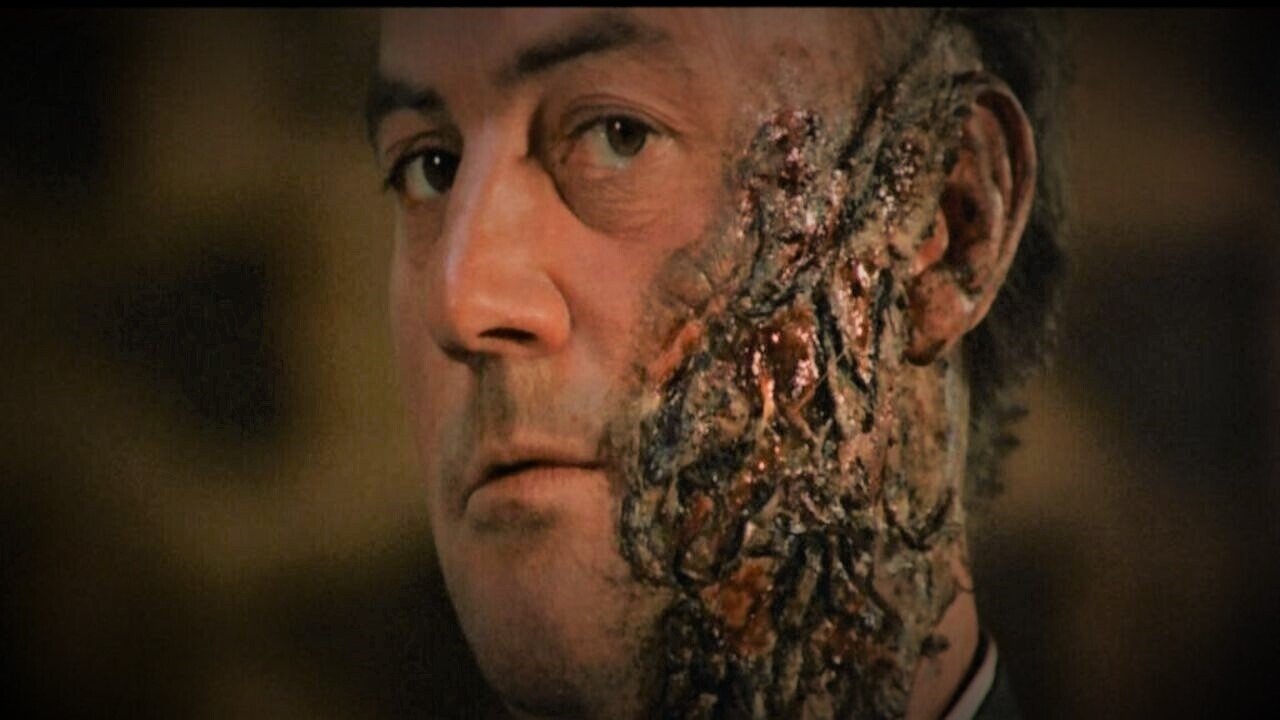
What truly sets Nightmare City apart, especially for its time, is the sheer velocity of its threat. These infected beings sprint, they climb, they coordinate attacks. Watching it back in the day, perhaps late at night on a worn-out tape, this relentless energy felt genuinely unsettling. It broke the established "rules" of zombie cinema. Lenzi himself bristled at the zombie label, insisting it was an anti-nuclear proliferation film. This quasi-explanation fuels the monsters' bizarre need to drink blood – apparently, radiation victims need fresh blood cells to avoid decomposition. Does it make scientific sense? Absolutely not. Does it provide an excuse for geysers of stage blood and frantic, messy attacks? You bet it does.
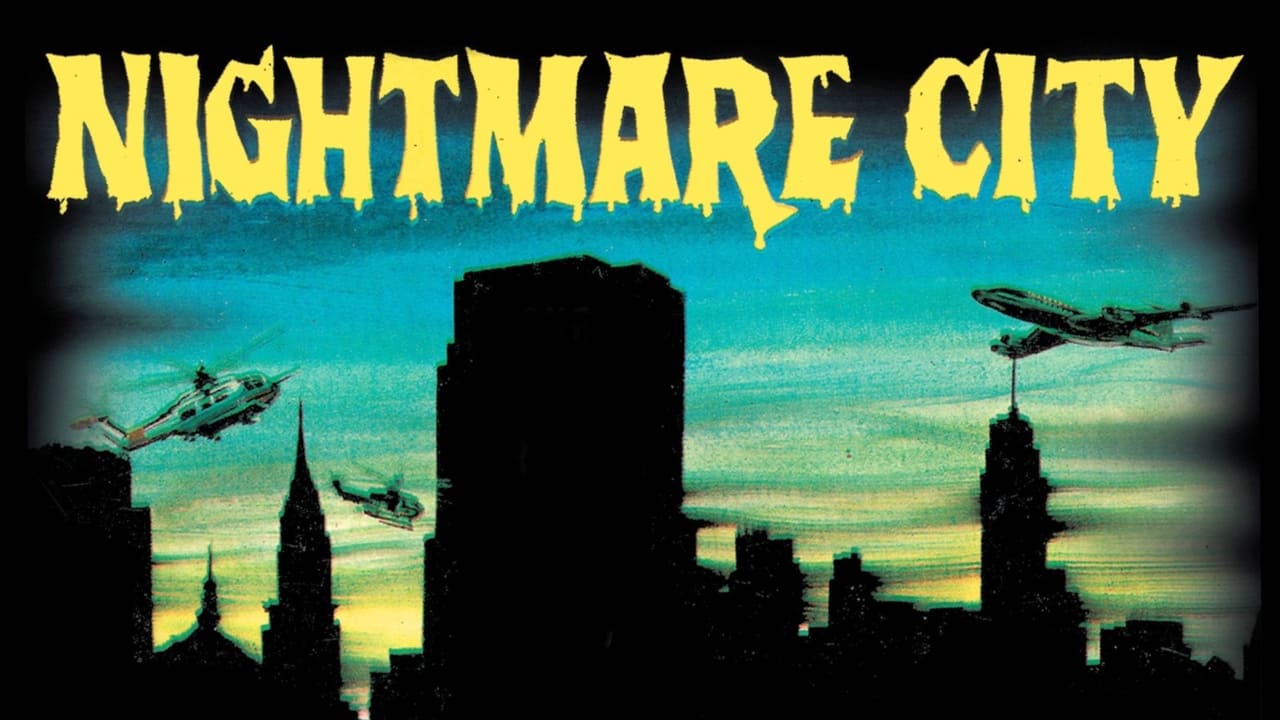
The practical effects, while clearly products of their low-budget origins, possess a certain grotesque charm. The lumpy, pizza-faced makeup of the infected might look dated now, but there's an undeniable ugliness to it that sticks with you. The gore is plentiful, messy, and often over-the-top in that uniquely Italian way – think exploding heads, hatchet wounds, and countless squibs detonating with gusto. It's said that the sheer amount of fake blood used on set became a running joke amongst the crew. This commitment to visceral horror, even on a shoestring, earned Nightmare City a notorious spot on the UK's "Video Nasties" list, cementing its cult status among gorehounds hunting for forbidden fruits at the local rental shop. I distinctly remember the lurid cover art practically daring you to take it home.
Running on Fumes and Fury
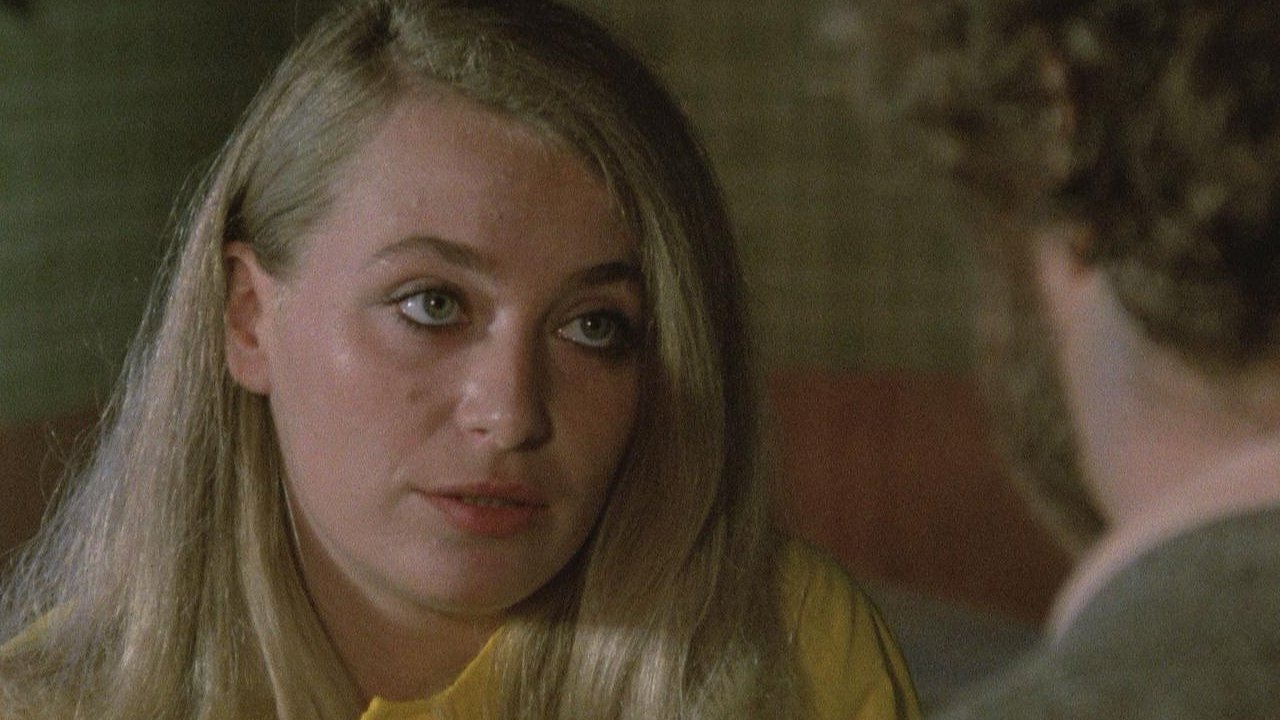

Hugo Stiglitz provides a stoic, perpetually bewildered center to the storm as Miller, racing across the city to save his wife Anna (Laura Trotter), a doctor trapped in a hospital under siege. Their frantic journey provides the film's narrative thread, linking together various set pieces of escalating carnage – an ambush in a television studio (leading to some fantastically chaotic live-broadcast mayhem), the aforementioned hospital siege, and desperate shootouts with overwhelmed authorities. The plot logic occasionally takes a backseat to the spectacle; characters make baffling decisions, and the military seems comically inept. But honestly, were you renting Nightmare City for intricate plotting? No, you were there for the relentless onslaught.
The film's frantic energy is amplified by Stelvio Cipriani's driving, repetitive score, a synth-heavy pulse that rarely lets up, mirroring the characters' constant state of panic. Filmed primarily in Rome and Madrid, Lenzi uses the urban landscape effectively, turning familiar cityscapes into hunting grounds. There's a palpable sense of societal breakdown, achieved not through nuance, but through sheer, unrelenting chaos depicted on screen. The dubbing, typical of Italian genre exports of the era, adds another layer of charming awkwardness, sometimes undercutting the tension but mostly contributing to the film's overall bizarre appeal.
A Contaminated Legacy?
Nightmare City is undeniably rough around the edges. The acting is uneven, the script has holes you could drive a contaminated C-130 through, and the ending… well, let's just say it’s a choice (Spoiler Alert!: The infamous "it was all a dream... or was it?" ending feels like a cop-out, yet somehow perfectly fits the film's disregard for convention). But despite its flaws, or perhaps because of them, the film possesses a raw, untamed energy that's hard to shake. Its influence, particularly the concept of fast, aggressive "infected" rather than slow zombies, can arguably be seen echoed decades later in films like Danny Boyle's 28 Days Later (2002).
Did that twist genuinely surprise anyone back then, or just elicit a groan? It feels like a classic slice of Italian exploitation – eager to shock, technically limited, but bursting with a kind of gonzo enthusiasm. It's the kind of film that thrived in the VHS era, passed around between friends with whispers of its extreme gore and bizarre premise.
VHS Heaven Rating: 6/10
Justification: Nightmare City isn't high art, nor is it even top-tier Italian horror. It's hampered by its budget, sometimes laughable effects, and questionable plot choices (especially that ending). However, its historical significance as an early "fast zombie/infected" progenitor, its sheer relentless energy, Umberto Lenzi's commitment to gruesome spectacle, and its earned status as a Video Nasty give it undeniable cult appeal. It delivers exactly the kind of chaotic, gory mayhem promised by its lurid cover, making it a memorable, if flawed, trip back to the wilder side of the VHS shelves.
Final Thought: For all its B-movie shortcomings, Nightmare City remains a fascinatingly frantic and influential piece of Euro-horror history, a radioactive espresso shot of pure 80s exploitation that still delivers a uniquely messy jolt.