The static hiss of the tracking adjustment fades, and the murky depths fill the screen. There’s a particular kind of darkness that permeated certain VHS tapes, a visual gloom that mirrored the often nonsensical dread lurking within the film itself. And few films swim in those murky, questionable waters quite like 1984's Devil Fish (also known sometimes, perhaps more aptly, as Shark: Rosso nell'oceano or Monster Shark). This isn't the refined terror of Spielberg's ocean; this is something dredged from the id of Italian exploitation cinema, genetically spliced with B-movie logic, and unleashed upon unsuspecting video renters.
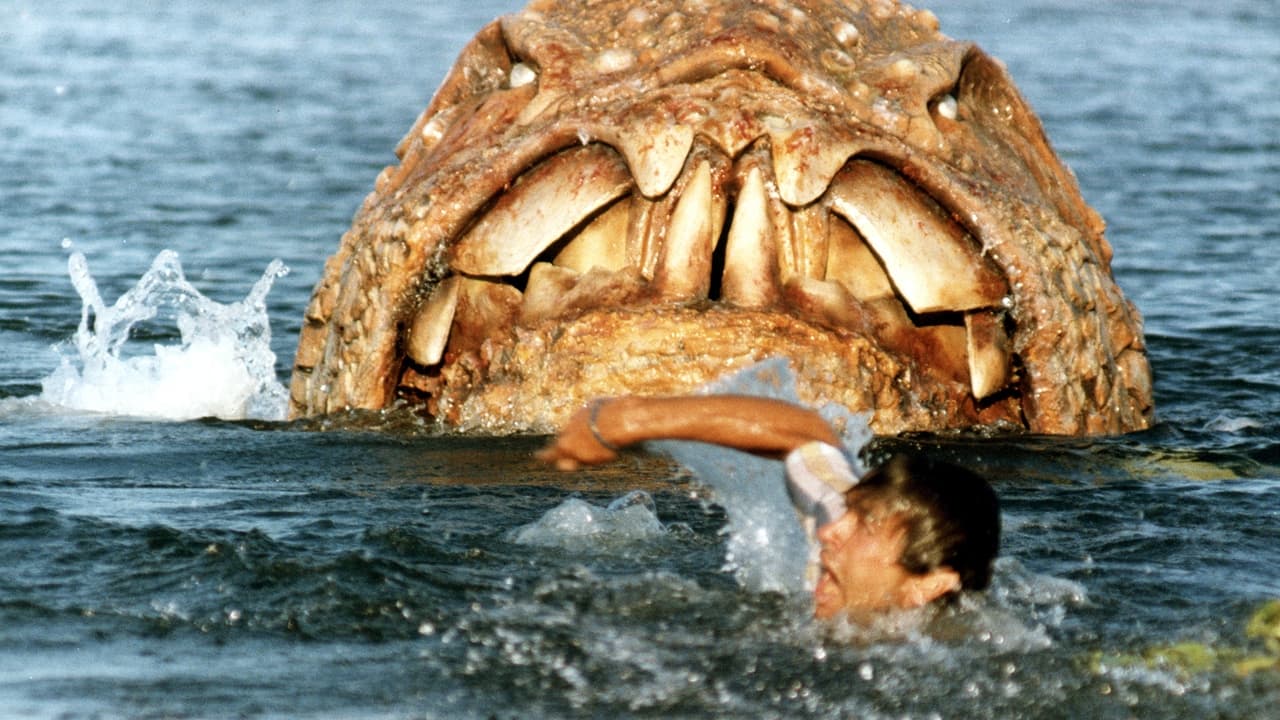
The premise alone feels like a fever dream cooked up after a late-night pizza and too many creature features. Off the coast of Florida, people start disappearing, torn apart by… something. Enter marine biologist Dr. Stella Dickens (Valentine Monnier) and rugged dolphin trainer Peter (Michael Sopkiw, a familiar face to fans of Italian actioners like 2019: After the Fall of New York), alongside the grizzled Sheriff Gordon (Gianni Garko). They soon discover they're dealing with no ordinary shark. No, this is a prehistoric piscine nightmare, a vaguely shark-like entity seemingly blended with hints of octopus, a genetic abomination cooked up in a lab for nefarious corporate purposes. Because, of course it was.
Murky Waters, Italian Hands
Helmed by Lamberto Bava, son of the legendary Mario Bava and a director who'd later give us the gooey delights of Demons (1985), Devil Fish feels distinctly like an attempt to cash in on the Jaws phenomenon, albeit filtered through a uniquely Italian, low-budget lens. Interestingly, the script boasts contributions from genre heavyweights Luigi Cozzi (the mad genius behind Starcrash and Contamination) and Dardano Sacchetti (writer on Fulci classics like The Beyond). One wonders what chaotic brainstorming sessions led to this particular blend of creature feature and surprisingly dull industrial espionage subplot. Shot primarily in Florida, there's a strange disconnect between the sunny American locale and the often grim, unmistakably European exploitation sensibilities.
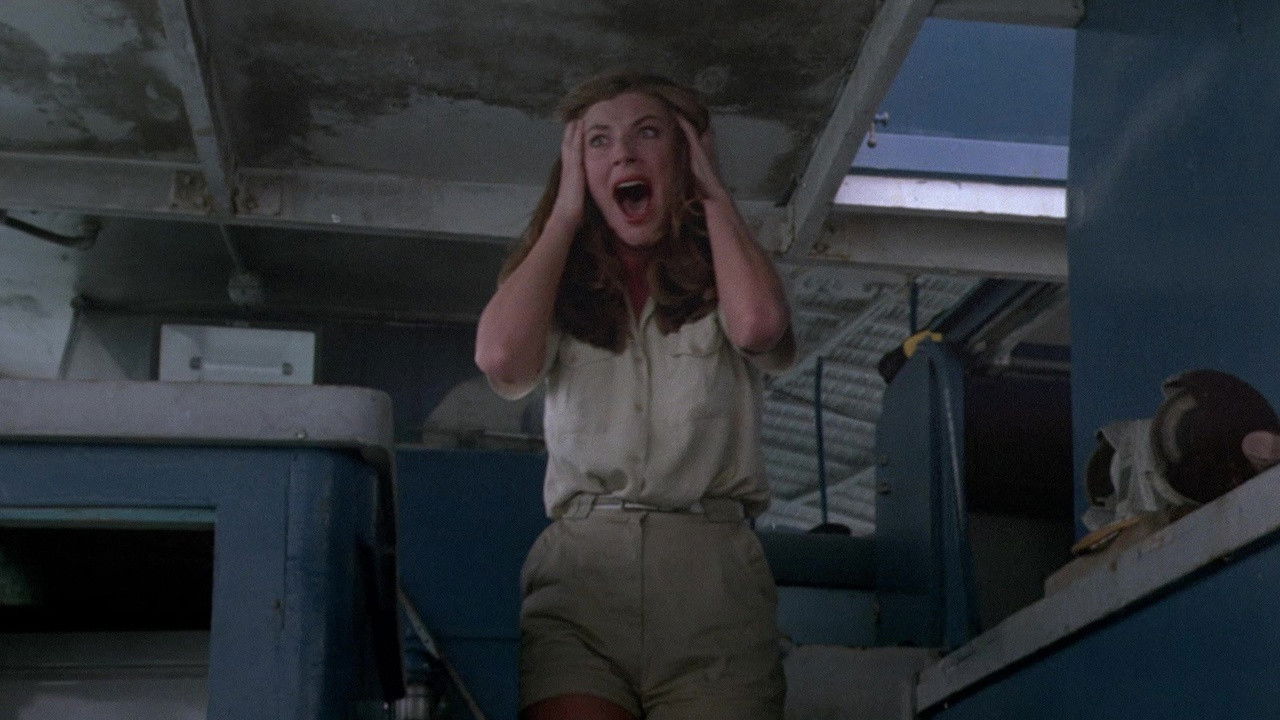
The film tries to build tension, showcasing bloody diving masks and panicked swimmers, but the real star – or perhaps the real source of unintentional hilarity – is the titular monster. Forget the terrifying verisimilitude of Bruce the Shark; the Devil Fish is a marvel of rubbery, immobile practical effects. Its appearances are often fleeting, obscured by murky water or frantic editing, perhaps wisely so. When we do get a good look, it’s… well, it’s something. Doesn't that monster design still feel unnerving, albeit perhaps for entirely different reasons than intended? It possesses a certain primitive charm, a reminder of an era when filmmakers had to physically build their monsters, however unconvincing the result. I recall pausing the tape frequently, trying to get a clear look, half-convinced the VCR was eating the crucial monster scenes.
Creature Comforts and Corporate Conspiracies
The plot lurches between standard monster-on-the-loose tropes and a surprisingly convoluted narrative involving a sinister corporation (aren't they always?) weaponizing ancient DNA. Michael Sopkiw brings his usual stoic, slightly wooden B-movie heroism, while the rest of the cast gamely navigates the often nonsensical dialogue and plot twists. The attempts at scientific explanation are gloriously absurd, delivered with a seriousness that only heightens the camp factor. Remember arguing with friends about whether the science in these movies made any sense back then?
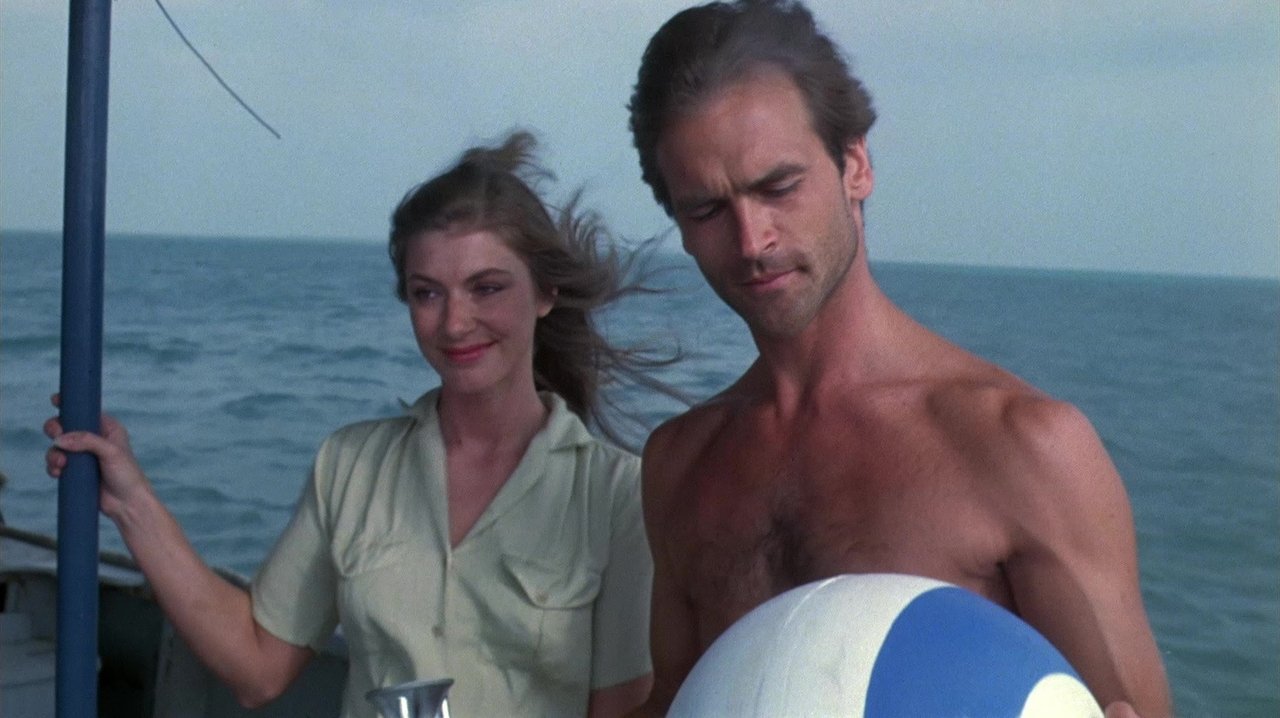
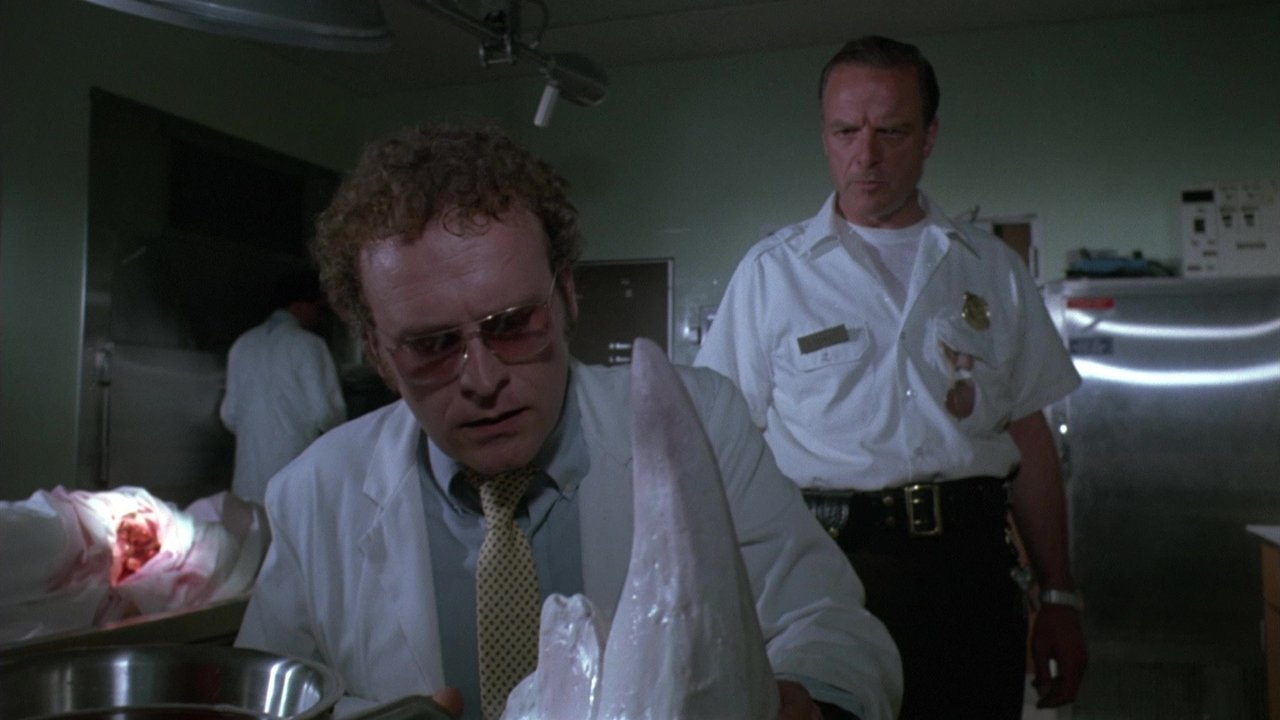
What Devil Fish lacks in budget, convincing effects, or narrative coherence, it almost makes up for in sheer audacity. There's an earnestness to its schlock that's hard to dislike entirely. It knows what it is: a quick, cheap thrill designed to grab your attention on the video store shelf with its lurid cover art promising aquatic terror. The underwater photography has moments of atmospheric murkiness, and the synthesized score occasionally hits a note of genuine 80s dread, even if it mostly just noodles along. It’s the kind of film where you find yourself rooting for the creature, if only because it seems marginally more interesting than the human drama unfolding.
Retro Fun Facts While specifics on the Devil Fish puppet's creation are scarce, it embodies the "more is more" approach often seen in Italian knock-offs – why just a shark when you can hint at tentacles and prehistoric weirdness? The film was part of a wave of Italian-produced genre films shot in English with international casts, often using American locations like Florida to increase their marketability abroad, aiming squarely for that lucrative VHS market where baffling oddities could become cult favorites overnight.
The Verdict
Devil Fish is not a good film by any conventional measure. The pacing is uneven, the acting ranges from functional to stiff, the plot is ludicrous, and the monster is more likely to elicit chuckles than screams. Yet, for connoisseurs of 80s Italian exploitation and creature feature cheese, it holds a definite, algae-covered charm. It’s a fascinating relic of a time when Jaws rip-offs were plentiful, practical effects were king (even when they looked like rejected bath toys), and the sheer weirdness you could discover on VHS felt limitless.

Rating: 4/10
Why this score? The film is objectively flawed – poor effects, silly plot, uneven execution drag it down significantly. However, for fans of the genre and era, its sheer B-movie audacity, the unintentional humor derived from its monster and plot, and its status as a notable Italian Jaws knock-off helmed by Lamberto Bava give it just enough points to be a watchable, MST3K-worthy curiosity rather than a complete waste of tape.
Final Thought: It may not be cinema's finest hour, but Devil Fish is a perfect example of the bizarre, often baffling, but undeniably memorable finds that made browsing the horror section of the video store such an adventure. Sometimes, you just needed a rubber monster and a nonsensical plot to make a Friday night complete.