The flickering static clears, replaced by the suffocating green hell of the jungle. It’s not just the humidity you feel pressing in; it’s the weight of something deeply wrong, a primordial dread mixed with a very modern, human sickness. This isn't a journey you necessarily want to take, but like staring at wreckage, you can't quite look away. This is the territory of Umberto Lenzi's Eaten Alive! (originally Mangiati vivi!, 1980), a film that drags you kicking and screaming into the heart of darkness, Italian exploitation style.
Into the Savage Green
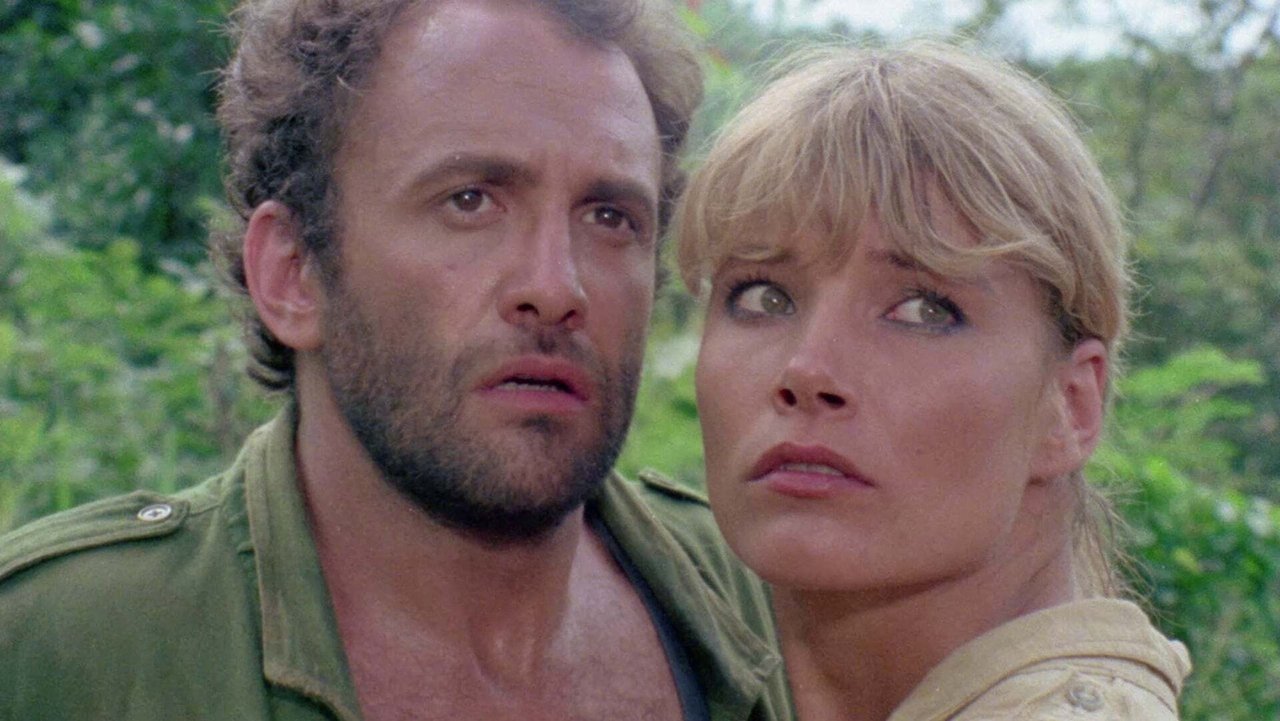
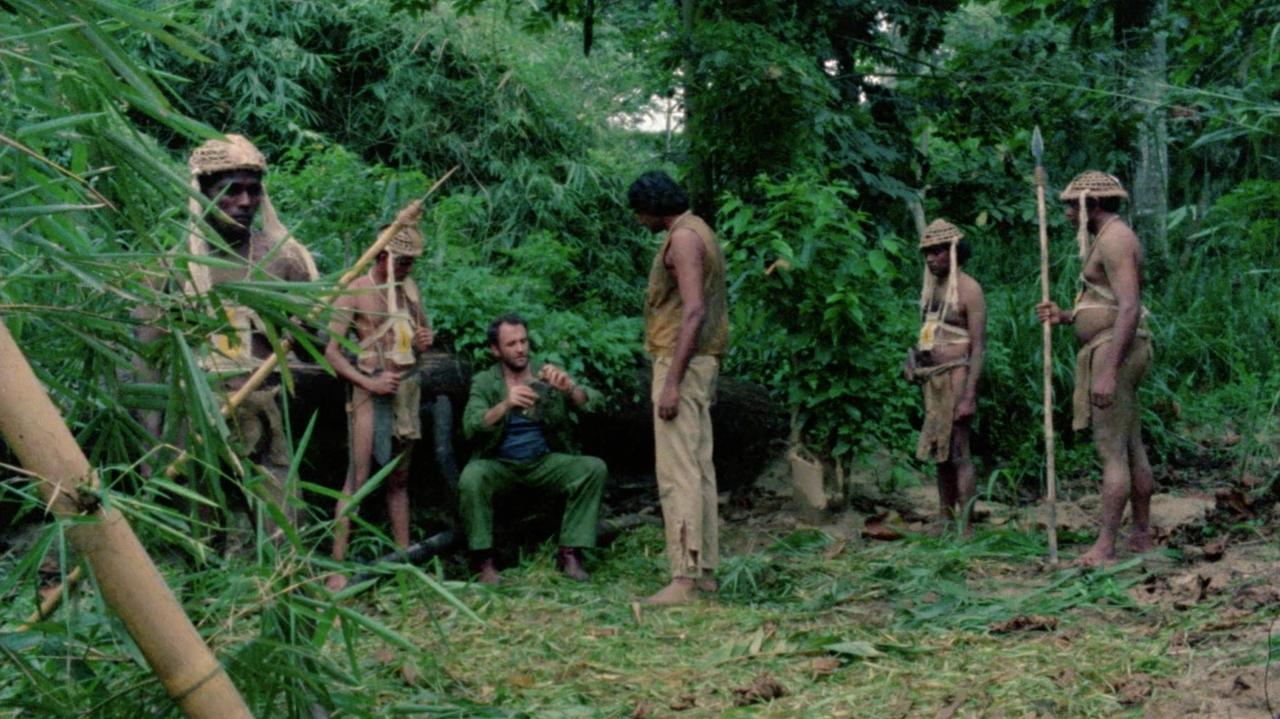
The premise is simple, almost archetypal for the jungle adventure genre Lenzi often played in: Sheila (the ever-watchable Janet Ågren) ventures into the treacherous wilds of New Guinea seeking her missing sister, Diana. What she finds is far worse than just being lost. Diana has fallen under the sway of Jonas (Ivan Rassimov), a charismatic, chillingly paternal cult leader whose jungle commune, 'The Purification,' echoes the horrifying real-world events of Jonestown that were still raw in the public consciousness just two years prior. As if a manipulative death cult wasn't enough, the surrounding jungle is home to indigenous tribes whose practices live up to the film’s blunt, brutal title. It’s a collision course of manufactured madness and primal survival.
Lenzi's Grindhouse Gospel
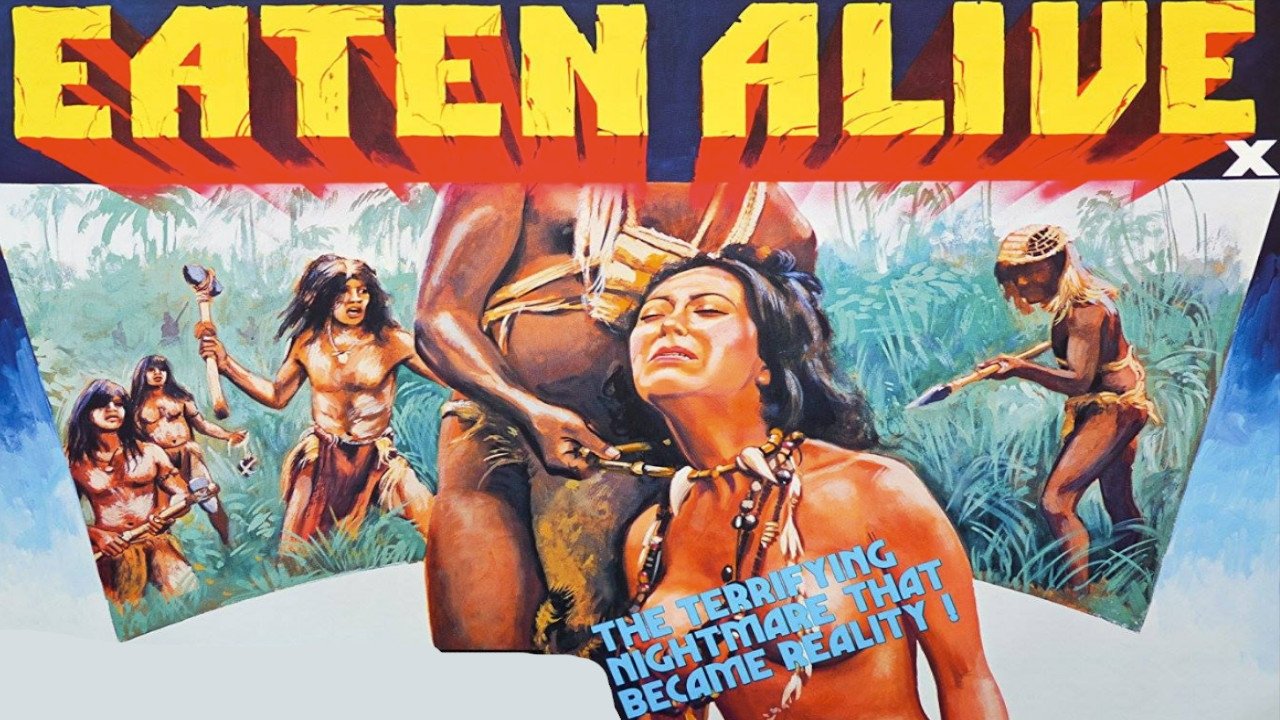
Umberto Lenzi, a prolific purveyor of Italian pulp cinema (who would later give us the even more infamous Cannibal Ferox in 1981), wasn't known for subtlety. Eaten Alive! is raw, grimy, and relentlessly paced, throwing heaps of nudity, graphic violence, and general sleaze at the screen. Lenzi aims for shock and visceral reaction, building an atmosphere thick with sweat, paranoia, and decay. The narrative logic often takes a backseat to the next set piece designed to make you squirm, a hallmark of the director’s grindhouse sensibilities. You weren't renting a Lenzi film for intricate plotting; you were signing up for an assault on the senses. I distinctly remember the lurid cover art on the VHS box promising exactly this kind of forbidden thrill, a tape often hidden away on the higher shelves of the rental store.
Cults and Cannibals
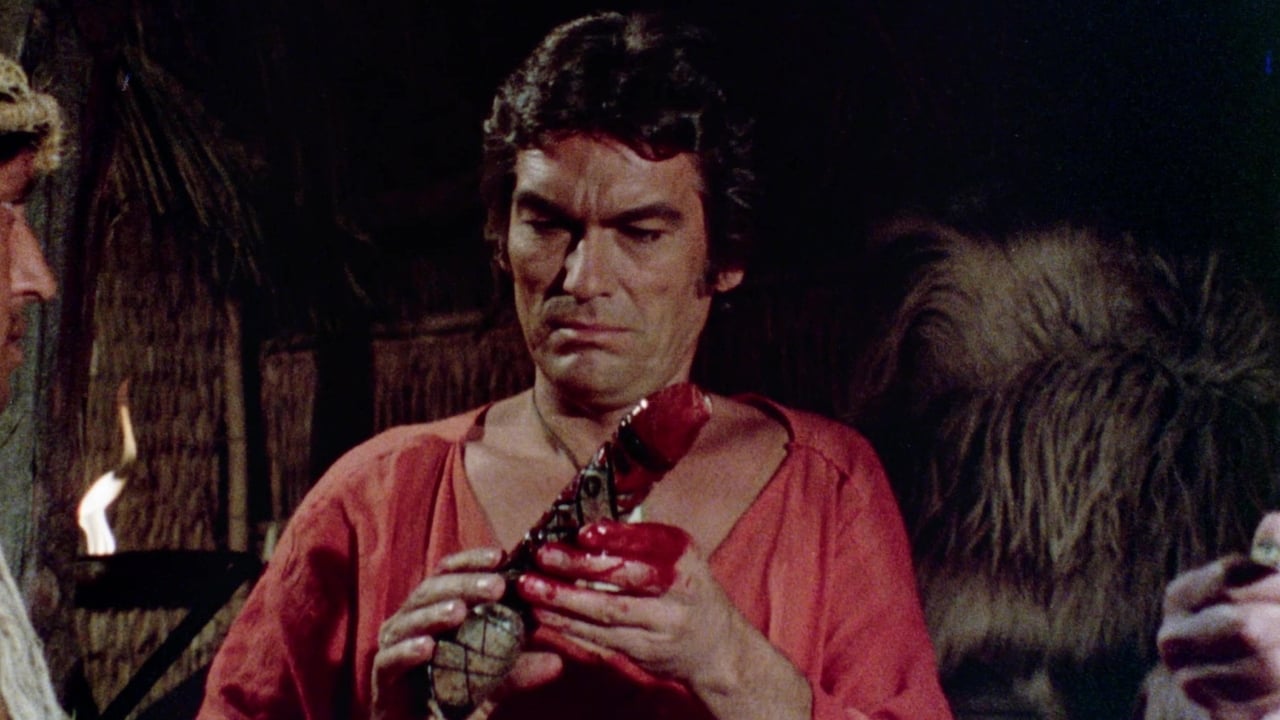
The film juggles its threats, pitting the manipulative psychological horror of Jonas's cult against the visceral terror of the cannibal tribes. Ivan Rassimov, a frequent Lenzi collaborator, is genuinely unnerving as Jonas. His calm demeanor and piercing eyes create a believable portrait of a man utterly convinced of his divine, dangerous mission. He radiates a quiet menace that feels disturbingly authentic. On the other side, the depiction of the indigenous tribes falls squarely into the exploitative tropes of the era – savage, unknowable, driven by primal urges. It’s uncomfortable territory, standard for the cannibal subgenre but jarring nonetheless. And caught between these forces? Robert Kerman, who pulls double duty here just as he did, famously, in Ruggero Deodato's Cannibal Holocaust the same year. His presence lends a strange sort of intertextual grit to the proceedings.
Dark Legends of the Jungle Shoot
The making of these Italian jungle nightmares is often as grim as the films themselves. While set in New Guinea, Eaten Alive! was actually filmed in Sri Lanka, a common practice for these budget-conscious productions seeking exotic, untamed locations. Reports persist that Lenzi padded out the runtime with stock footage, allegedly lifted from earlier jungle adventures like The Mountain of the Cannibal God (1978), another tell-tale sign of exploitation filmmaking efficiency.
However, the darkest shadow hanging over Eaten Alive!, and the Italian cannibal cycle in general, is the inclusion of real animal cruelty. Several scenes depict graphic violence against animals, staged for the camera. It’s a deplorable practice, deeply unsettling then and utterly unacceptable now. While a grim hallmark that contributed to the film's notoriety and subsequent banning in various countries (including the UK, where it became a 'video nasty'), it’s an element that makes recommending the film incredibly difficult, even for seasoned genre fans. It's a brutal reminder of the ethical boundaries crossed in pursuit of shock value during this era.
Atmosphere Forged in Grime
Despite the questionable content and narrative shortcomings, Lenzi does manage to conjure moments of genuine atmospheric dread. The oppressive jungle environments, the decaying commune structures, and the sheer unrelenting grimness create a potent, if unpleasant, mood. The practical gore effects, while variable, sometimes hit with surprising visceral impact – think rusty machetes and gnawed bones. The score, often a mix of library cues and pulsating electronic dread, adds to the disorientation. It’s a film that feels dirty, dangerous, and disturbingly plausible in its depiction of humanity devolving at the edge of civilization.
A Nasty Relic of the VHS Shelves
Does Eaten Alive! hold up? As a piece of storytelling, it’s deeply flawed – nonsensical at times, reliant on shock over substance. As a historical artifact of the peak Italian exploitation era, it’s fascinatingly grim. It captures a specific moment when filmmakers pushed boundaries (often unethical ones) in a desperate bid to stand out in a crowded market. Watching it now feels like unearthing something forbidden, a tape passed around furtively, whispered about for its graphic content. The graininess of the transfer, the sometimes-dubious acting, the sheer audacity of its premise – it all contributes to that specific late-night VHS vibe. It's not 'good' in the traditional sense, but it is undeniably potent.
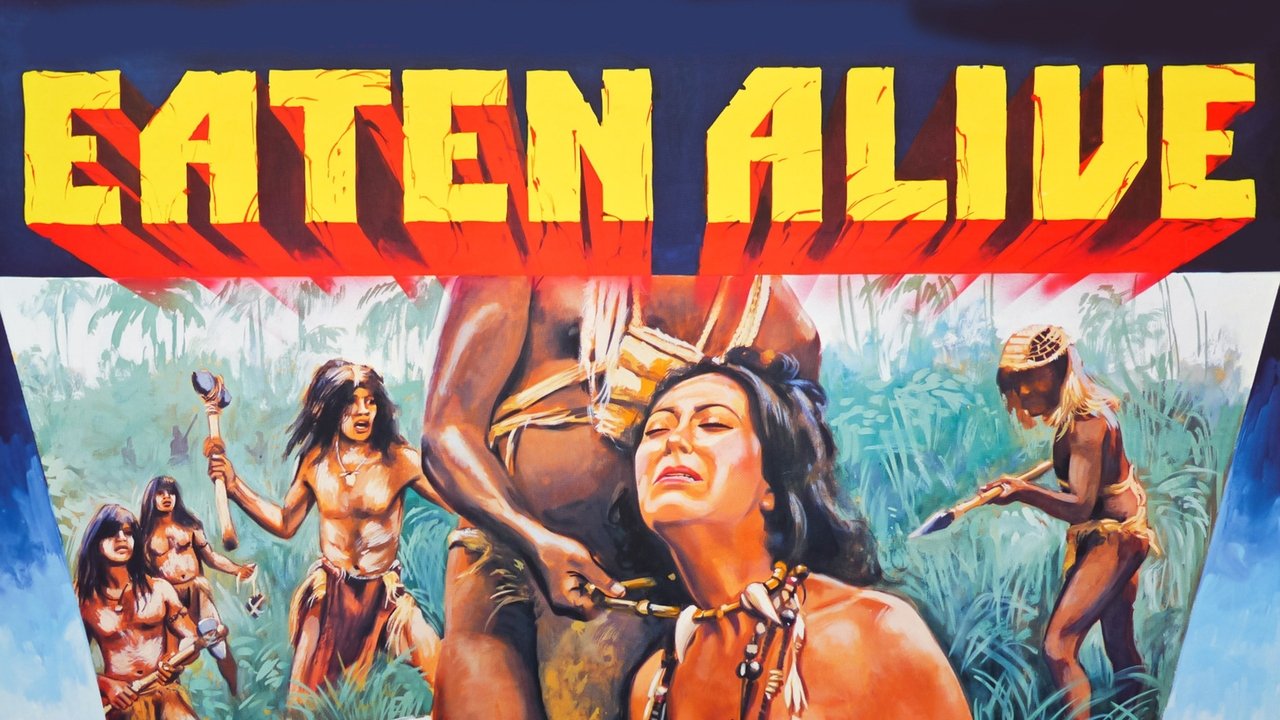
VHS Heaven Rating: 4/10
Justification: The rating reflects the film's status as a significant, if notorious, entry in the Italian cannibal cycle, boasting a genuinely creepy performance from Rassimov and moments of effective, grimy atmosphere. However, it's severely hampered by its nonsensical plot, reliance on cheap exploitation tropes, and, most significantly, the inexcusable real animal cruelty that makes it ethically troubling and difficult to watch, let alone enjoy fully. It earns points for its historical context within the genre and its raw, unsettling mood, but loses heavily for its blatant transgressions and overall crudeness.
Eaten Alive! remains a challenging watch, a grimy testament to the extremes of 80s exploitation cinema. It’s a film many will find repulsive, but for students of the genre or those morbidly curious about the darkest corners of the VHS era, it offers a potent, uncomfortable glimpse into a jungle of human depravity. Just be prepared for what you find there.