Some VHS tapes felt cursed from the moment you slid them into the whirring mouth of the VCR, promising a particular kind of grainy, late-night delirium. Zombie Flesh Eaters 2 (or Zombi 3 as many knew it internationally, a title itself tangled in a web of unofficial sequels and marketing sleight-of-hand) was precisely that kind of tape. Released in 1988, it arrived bearing the hallowed name of Lucio Fulci, the Italian maestro of Mazz Rater, promising another descent into visceral, eye-gouging horror. But like the shambling corpses within, the story behind the film is one of fractured creation and unexpected resurrection.
A Tropical Nightmare, Twice Directed
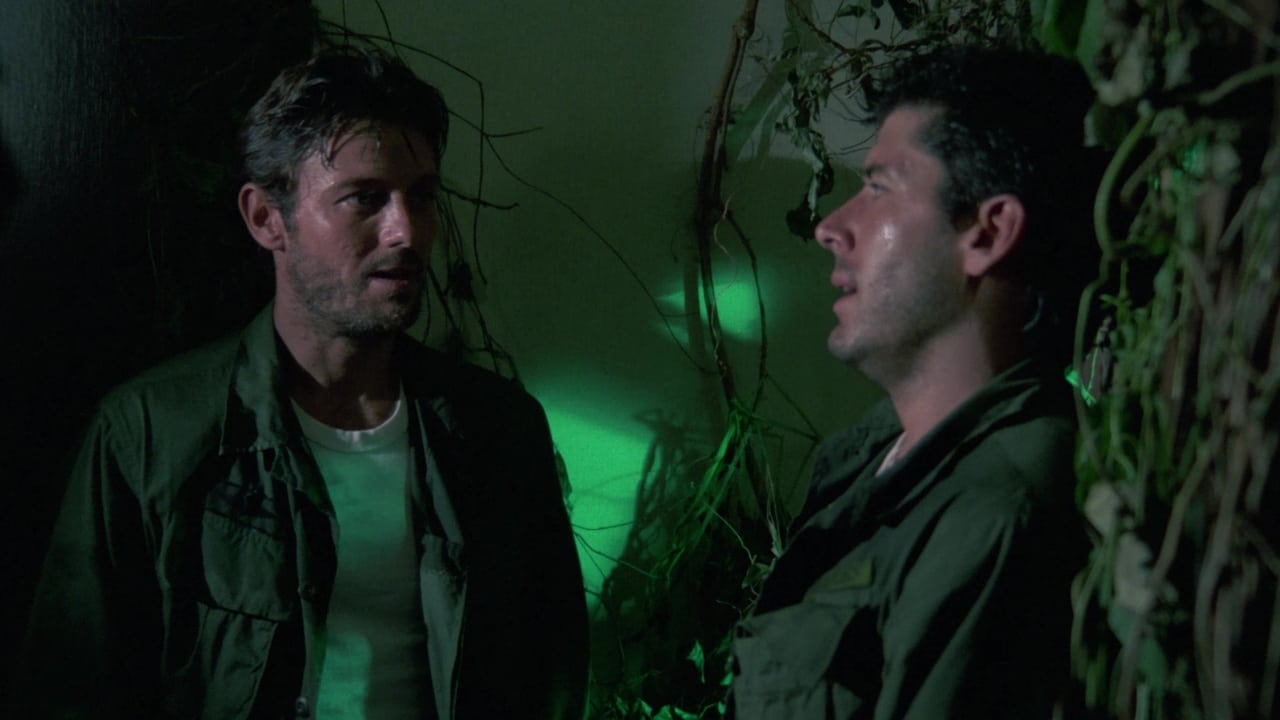
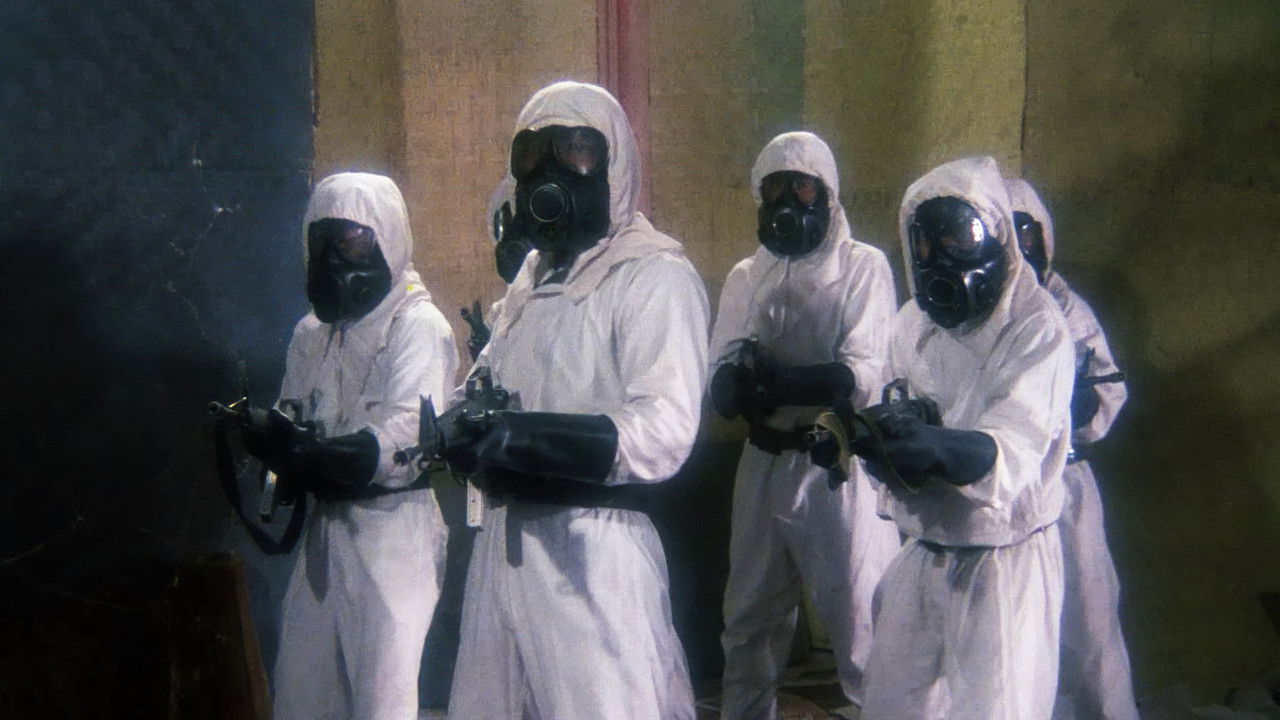
The setup drips with familiar bio-hazard dread: a stolen chemical weapon, "Death One," accidentally unleashed near a tropical resort in the Philippines. Soon, soldiers and tourists alike are succumbing, returning as screeching, ravenous ghouls. It’s classic Italian zombie fare – thin plot, exotic locale ripe for decay, and a relentless focus on bodily destruction. But something feels… off. The pacing stutters, the tone careens wildly, and the signature Fulci despair feels diluted, occasionally replaced by something approaching action-movie absurdity.
There's a dark legend behind this, though it's less supernatural and more contractual. Lucio Fulci, already battling illness, reportedly directed only a portion of the film (estimates vary, but perhaps around 70 minutes of footage) before having to abandon the project. Enter the infamous duo of Bruno Mattei (often working under pseudonyms like Vincent Dawn) and writer Claudio Fragasso (yes, the mind behind the legendary Troll 2), tasked with cobbling together a finished product. They reportedly shot additional scenes, focusing heavily on action and splattery set-pieces, creating a film that feels like two different, sometimes warring, visions stitched together. This production turmoil, born from Fulci's declining health, explains the film's often jarring shifts – from moments of genuinely unsettling zombie design to scenes that feel more like a low-budget Rambo knock-off, but with the undead.
Gore Galore and Glorious Goofs
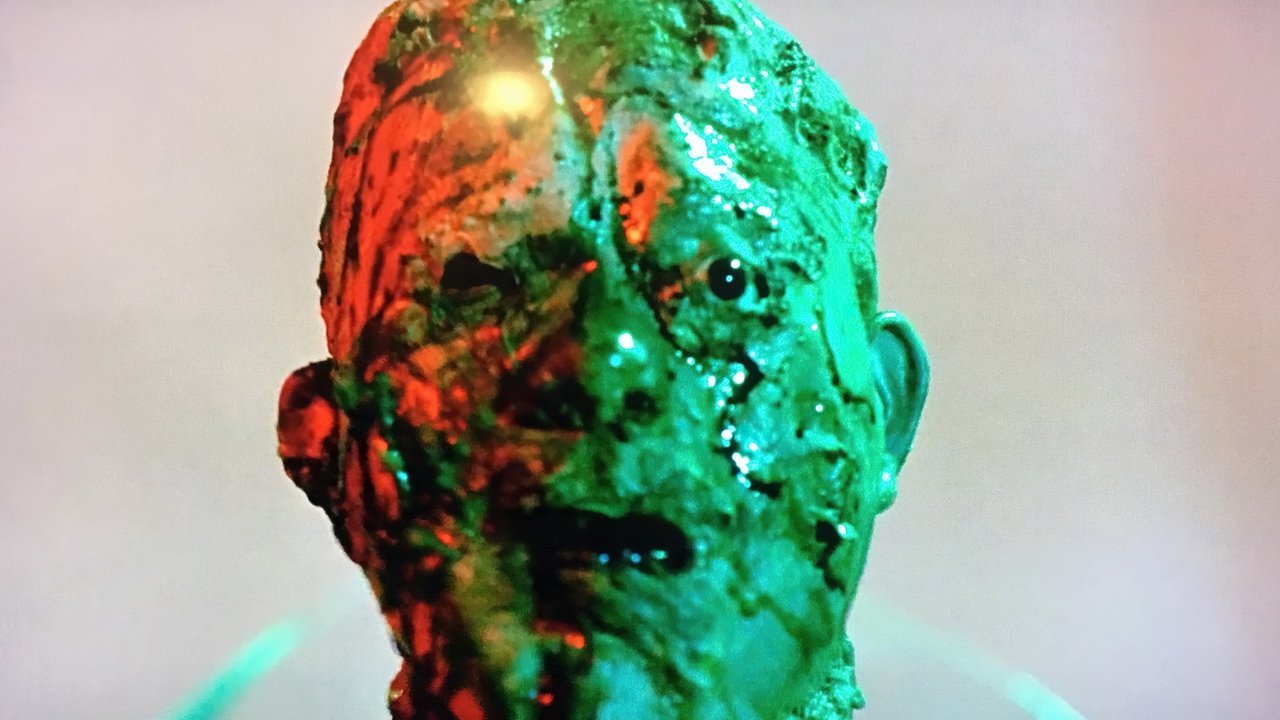
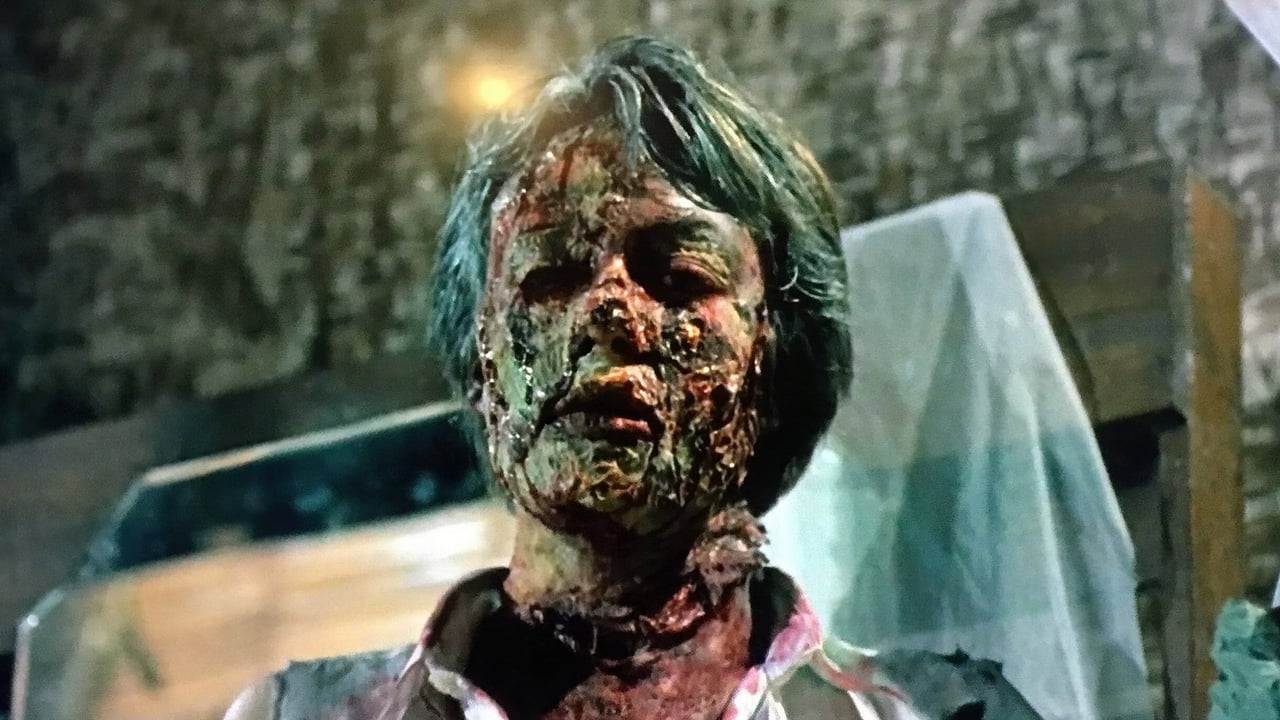
Let's be honest, you didn't rent a Fulci-adjacent zombie film in the late 80s for nuanced character arcs. You came for the gore, and in that regard, Zombie Flesh Eaters 2 delivers in messy, enthusiastic bursts. The practical effects, while variable, have that tangible, stomach-churning quality that CGI rarely replicates. We get flesh-ripping, gut-munching, and some truly memorable zombie make-up, particularly the initial transformation scenes which retain a sliver of that Fulci body horror. Remember that one zombie whose head detaches and flies through the air, still chomping? It's utterly ridiculous, undeniably cheap-looking, yet possesses a kind of gonzo charm that’s hard to hate. It’s the sort of image that sticks with you, less out of fear and more out of sheer disbelief. Doesn't that perfectly capture the weird magic of these Italian gut-churners?
The performances are largely functional, delivering the necessary screams and exposition. Deran Sarafian (who would go on to direct films like Death Warrant) makes for a stoic enough lead, alongside Beatrice Ring as one of the imperiled survivors. Genre stalwart Ottaviano Dell'Acqua (often credited as Richard Raymond), a familiar face from countless Italian action and horror flicks (including Fulci’s original Zombi 2), adds a touch of rugged authenticity amidst the chaos. The real star, however, is the relentless tide of the undead and the increasingly desperate attempts to survive them.
More Than the Sum of Its Severed Parts?
This film is a fascinating mess. It’s undeniably hampered by its troubled production. The script, credited to Claudio Fragasso and his wife Rossella Drudi, feels like a patchwork quilt of zombie tropes and military action clichés, likely strained further by the need to integrate existing Fulci footage with Mattei's additions. Logic frequently takes a holiday, characters make baffling decisions, and the dialogue occasionally dips into glorious absurdity. Yet, there's an undeniable energy to it. Mattei and Fragasso, whatever their shortcomings, knew how to deliver exploitation thrills. The film barrels forward with a certain reckless abandon, throwing everything at the screen – zombie birds, machete fights, exploding heads, that aforementioned airborne cranium.
Shot on location in the Philippines, the sweaty, humid atmosphere adds a layer of grime. The score is a typical pulsating synth affair of the era, effective in driving the action even if not particularly memorable. It’s a film born of circumstance, a collision of styles forced by necessity. Some reports even suggest the producers insisted on adding more gore after Fulci left, leaning into the elements Mattei and Fragasso were known for. It ultimately cost around $1-2 million – a respectable sum for Italian exploitation at the time – but its legacy is less about box office returns and more about its cult status as a strangely compelling hybrid.
Legacy of the Living Dead… Again
Zombie Flesh Eaters 2 / Zombi 3 stands as a curious footnote in the Italian horror cycle. It lacks the poetic dread of Fulci's best work (The Beyond, City of the Living Dead) and the satirical bite of George A. Romero's foundational epics. Yet, it’s far from forgettable. For fans of the genre, it’s a prime example of the chaos and charm of late-80s Italian exploitation cinema. It’s messy, illogical, frequently silly, but also undeniably energetic and packed with the kind of practical gore effects that defined the era. It represents a strange handover, a bridge between Fulci's fading golden age and the anything-goes B-movie aesthetic of Mattei and Fragasso, who would continue the unofficial Zombi lineage with Zombi 4: After Death and Zombi 5: Killing Birds.
Did it capture the lightning in a bottle of Fulci’s original Zombi 2 (aka Zombie Flesh Eaters)? Not even close. But did it provide 90 minutes of gruesome, often unintentionally hilarious, zombie mayhem perfect for a late-night VHS session? Absolutely.
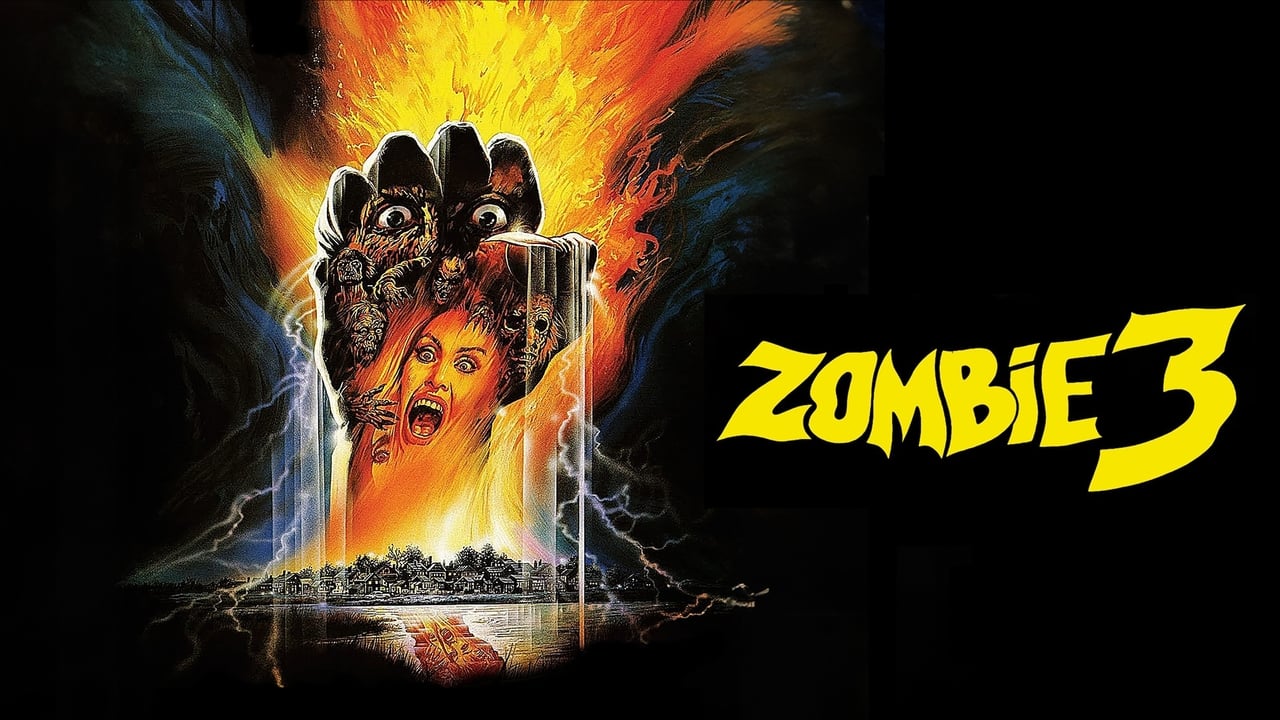
Rating: 5/10
Justification: The score reflects the film's deeply flawed nature – the incoherent plot, jarring tonal shifts, and variable quality stemming from its troubled production. However, it earns points for its sheer energetic drive, memorable gore set-pieces (flying head!), unintentional humor, and its status as a fascinating, if messy, artifact of late-stage Italian zombie cinema. It's undeniably entertaining in a schlocky way, perfect for hardcore genre fans who appreciate the chaos.
Final Thought: A Frankenstein's monster of a movie, stitched together from the remnants of a master's vision and the go-for-broke energy of exploitation journeymen. It’s not ‘good’ cinema, but damn if it isn’t a memorable slice of VHS-era zombie madness.