The neon bleeds onto wet San Francisco streets, reflecting a promise of violence as old as storytelling itself. There’s a particular kind of grim satisfaction baked into the DNA of the early 80s revenge thriller, a stripped-down, brutal calculus that An Eye for an Eye (1981) delivers with the unwavering focus of its star. Forget the internet memes and the Total Gym commercials for a moment; this is Chuck Norris near the beginning of his ascent, channeling a quiet fury that felt raw and immediate on grainy VHS back in the day.

Code of Silence, Code of Vengeance
The setup is pure pulp: Sean Kane (Chuck Norris) is a dedicated SFPD narcotics detective whose partner is brutally murdered in an ambush orchestrated by a shadowy drug ring. When bureaucracy and perceived corruption tie his hands ("You get your man, Kane, but you do it by the book!"), Kane slams down his badge with righteous indignation and sets out to dispense his own brand of justice. It’s a narrative thread worn smooth by countless films before and since, but director Steve Carver (who would later re-team with Norris for the arguably more iconic Lone Wolf McQuade) gives it a gritty, street-level feel that captures the era's urban anxieties. This isn't the glossy action of later decades; it’s grounded in murky alleyways and dimly lit warehouses, the kind of places where bad things happen just out of sight.
The Roundhouse vs. The Aristocrat
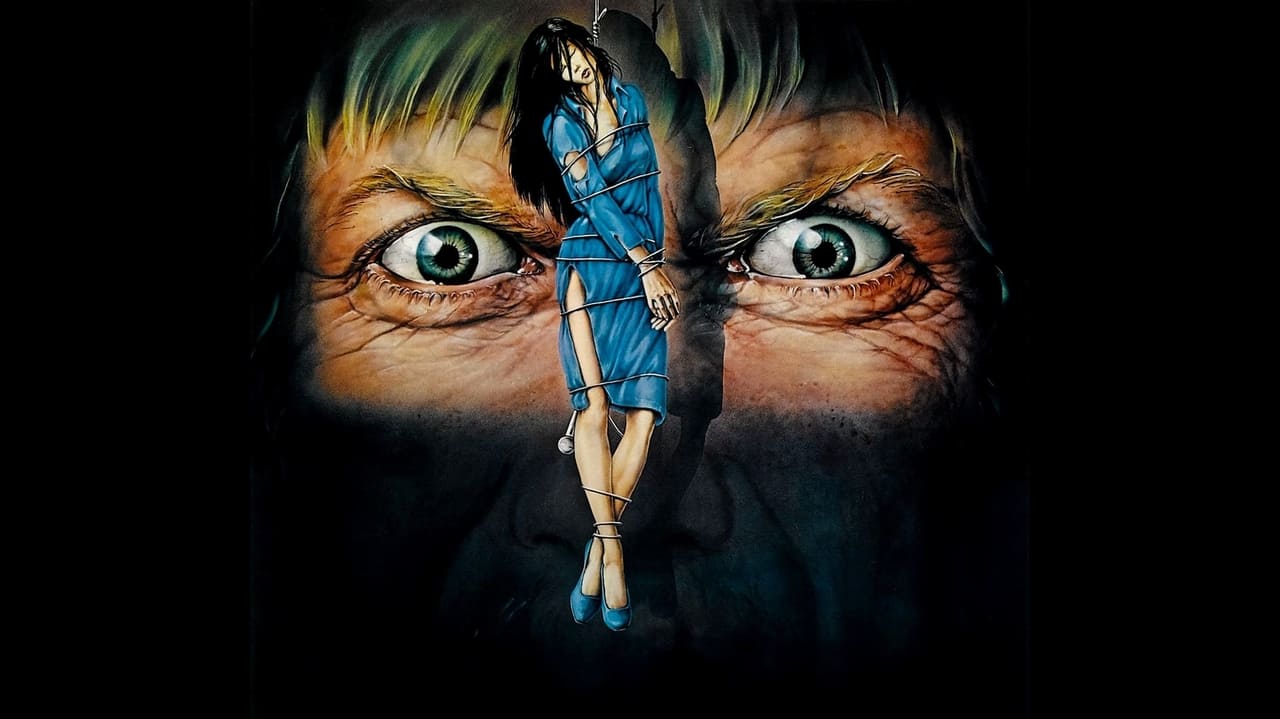
What truly elevates An Eye for an Eye beyond a standard programmer is the fascinating collision of its lead actors. Norris, already a world champion martial artist, brings an undeniable physical presence. His fight scenes here feel less choreographed than simply executed – efficient, impactful, and showcasing the speed and precision that made him famous. Remember how different his fighting style felt compared to the more flamboyant theatrics often seen then? It was direct, no-nonsense. It’s said Norris, known for his discipline, performed many of his own stunts, adding a layer of authenticity to the beatdowns.
Then, stepping into the antagonist's finely polished shoes, is the legendary Sir Christopher Lee as Morgan Canfield, the sophisticated kingpin behind the drug operation. Fresh off decades of defining screen villainy from Dracula to Scaramanga in The Man with the Golden Gun, Lee brings an icy gravitas that’s almost jarringly effective against Norris’s stoic heroism. Lee reportedly found Norris professional and pleasant to work with, even if the material wasn't Shakespeare. His presence lends the film a peculiar, almost unexpected weight. Seeing him coolly orchestrate chaos while Norris prepares to dismantle it piece by piece creates a compelling, if slightly unusual, dynamic. Adding another layer of cool is Richard Roundtree, forever Shaft in the minds of many, playing Kane’s conflicted former captain, caught between loyalty and the law.
Grime and Punishment
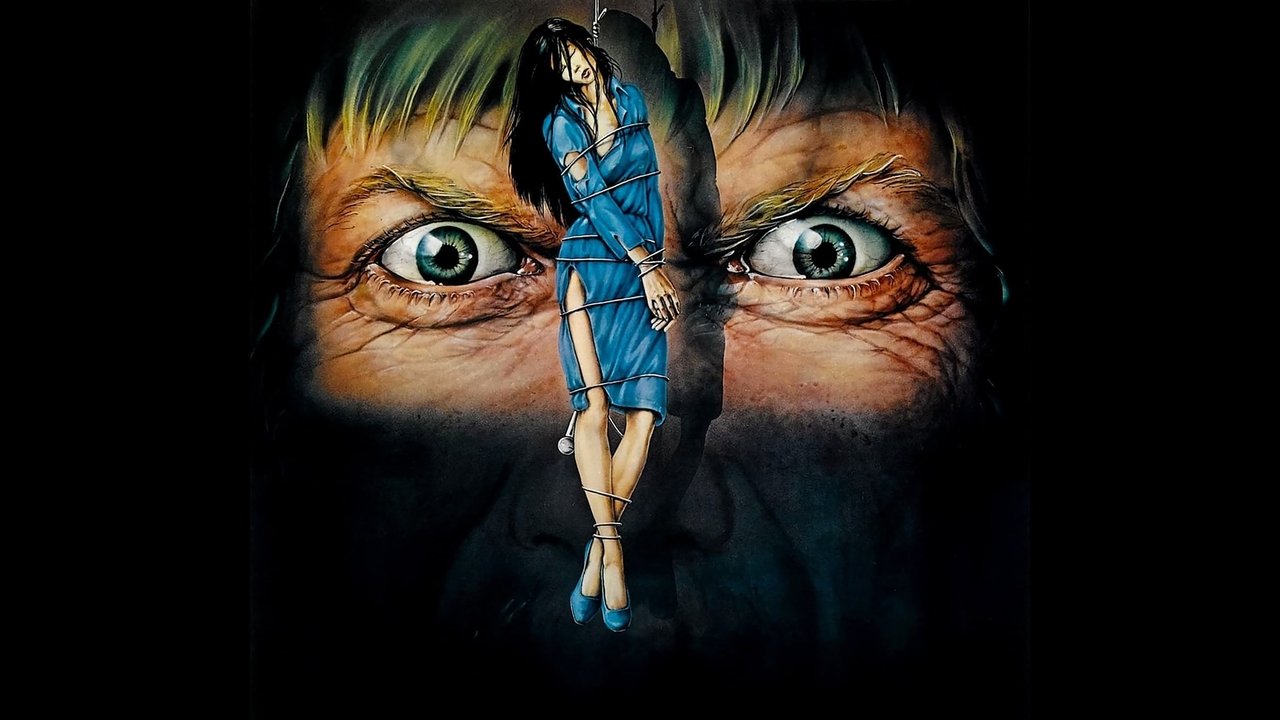
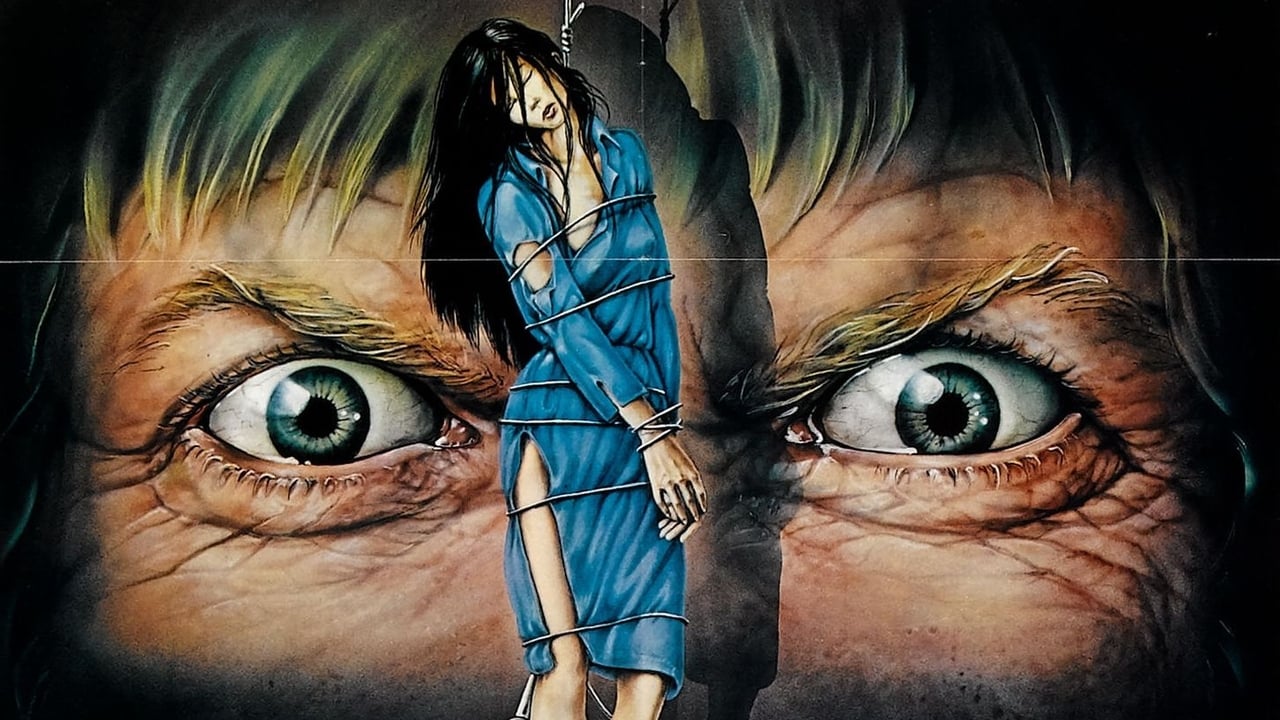
The film effectively uses its San Francisco locations, showcasing not just the tourist spots but the working docks and shadowy corners of the city. There’s an atmospheric grime to the cinematography, leaning into the shadows and the rain-slicked pavements. The score, while typical of the era, effectively underscores the tension during Kane’s investigation and the sudden bursts of violence. It’s not subtle, but it gets the job done, amplifying the feeling of impending confrontation.
This was made for a reported $4 million and pulled in over $11 million at the box office – a solid return demonstrating the audience appetite for this kind of straightforward action vehicle. It’s interesting to note that the script, co-written by James Bruner who also penned Norris vehicles like Invasion U.S.A. and Missing in Action, keeps things remarkably lean. There’s little fat here; it’s all focused on Kane’s relentless pursuit. Look closely during some sequences, and you might spot veteran character actor Mako (known for everything from Conan the Barbarian to The Sand Pebbles) as James Chan, adding another familiar face to the proceedings.
Lasting Kicks?
Spoiler Alert! (Though, let's be honest, the trajectory is clear from the start). The inevitable final confrontation between Kane and Canfield delivers the expected catharsis, even if Lee’s character isn’t given a physical challenge to match Norris. The satisfaction comes from seeing the meticulously constructed criminal enterprise crumble under the focused rage of one man.
Does An Eye for an Eye transcend its genre trappings? Not entirely. The plot is undeniably formulaic, the dialogue functional rather than poetic, and some supporting characters feel underdeveloped. Yet, there’s an earnestness to it, a commitment to its simple premise, that remains appealing. It represents a specific moment in action cinema – pre-Schwarzenegger Cuisinart-of-death body counts, pre-Willis smirking irony – where the hero’s stoicism and physical prowess were the main draw. It captures Norris before he became a caricature, showcasing the genuine martial arts skill and quiet intensity that first made him a star.
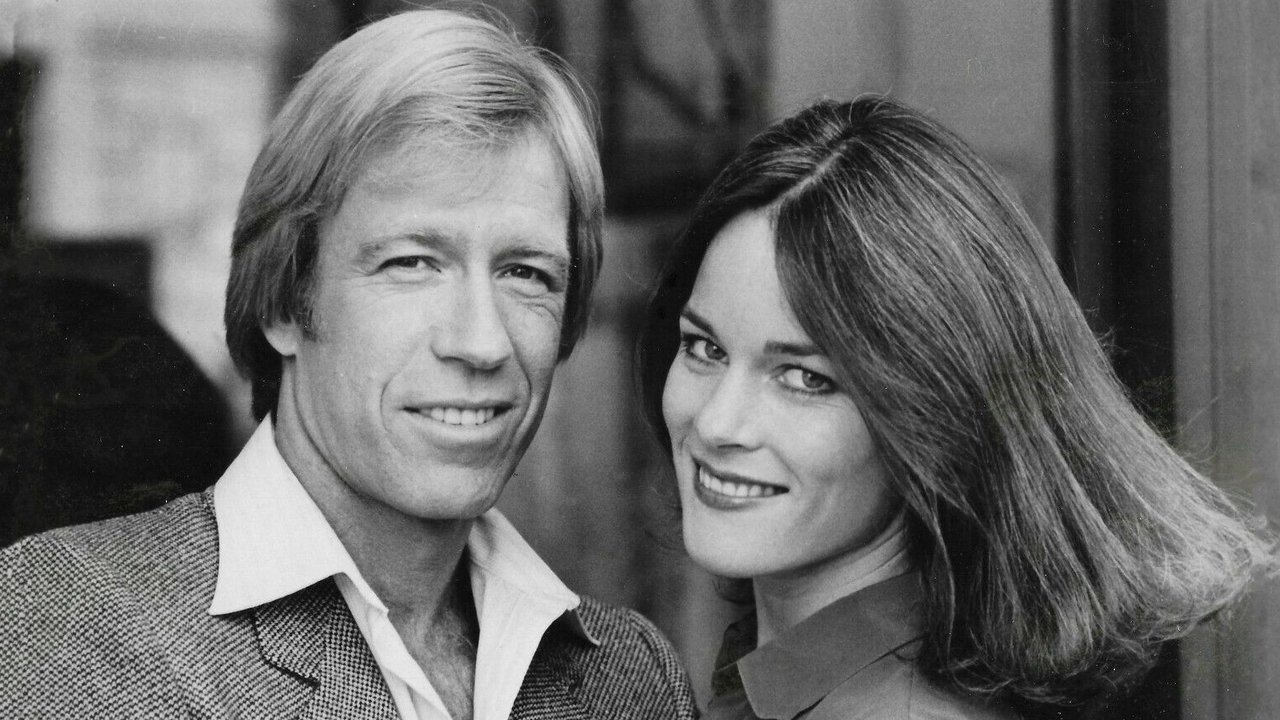
VHS Heaven Rating: 6/10
Why this score? An Eye for an Eye earns points for its effective, gritty atmosphere, Chuck Norris's grounded early performance and solid fight choreography, and the undeniable screen presence of Christopher Lee lifting the material. It delivers exactly what it promises: a straightforward, satisfying early 80s revenge thriller. However, it loses points for its highly predictable plot, lack of character depth beyond the leads, and generally formulaic nature. It's a competent genre piece, not a groundbreaking classic.
Final Thought: This tape might not be the crown jewel of your action collection, but it's a vital piece of the Chuck Norris puzzle and a perfect slice of early 80s gritty filmmaking. It’s a reminder of a time when action heroes felt a little more human, even when delivering devastating roundhouse kicks, and when seeing Christopher Lee turn up anywhere felt like an event. Doesn't that specific blend of raw action and unexpected casting feel uniquely of its time?