Alright, fellow tapeheads, gather 'round the flickering glow of the metaphorical CRT. Tonight, we're sliding a well-worn cassette into the VCR, the satisfying clunk echoing memories of late nights and rewinding thrills. We're talking about a Hong Kong actioner that hit like a sledgehammer back in '86: Corey Yuen's Righting Wrongs (or maybe you knew it as Above the Law depending on which video store shelf you raided). Forget your slick, green-screened modern fare for a moment. This is pure, unadulterated, 80s Hong Kong kinetic energy, the kind that left you breathless and maybe a little worried for the stunt team.
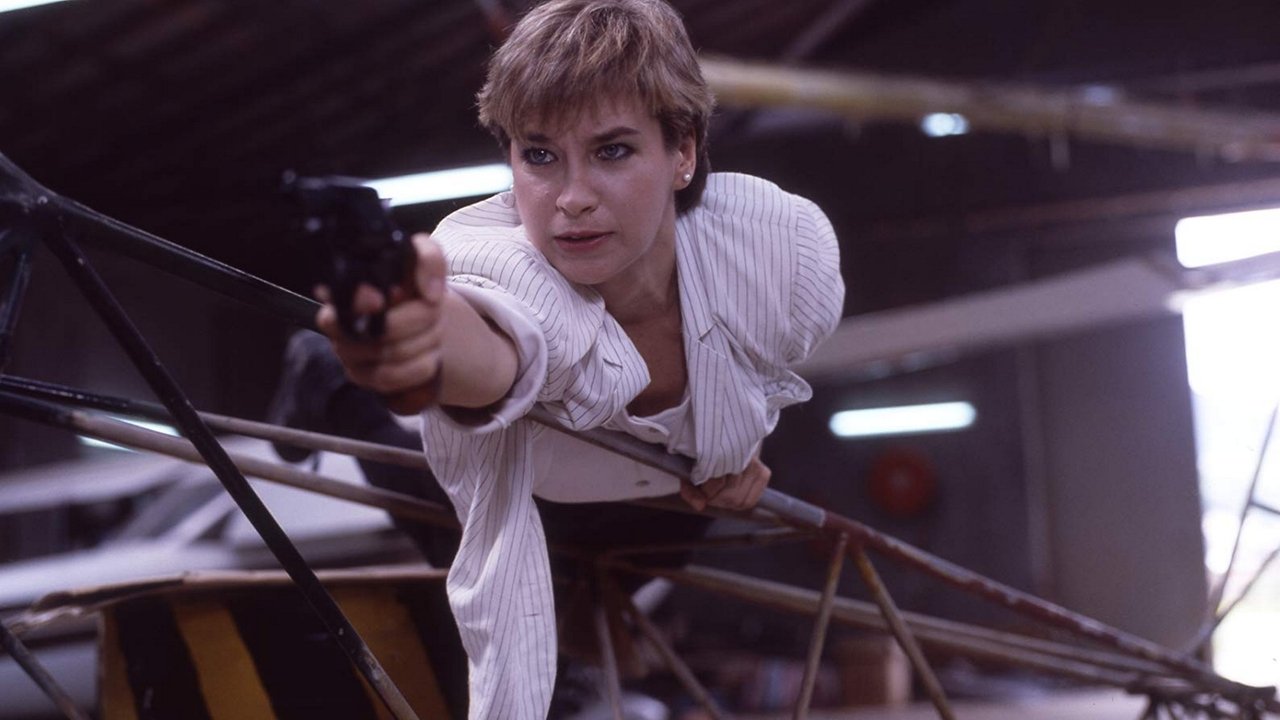
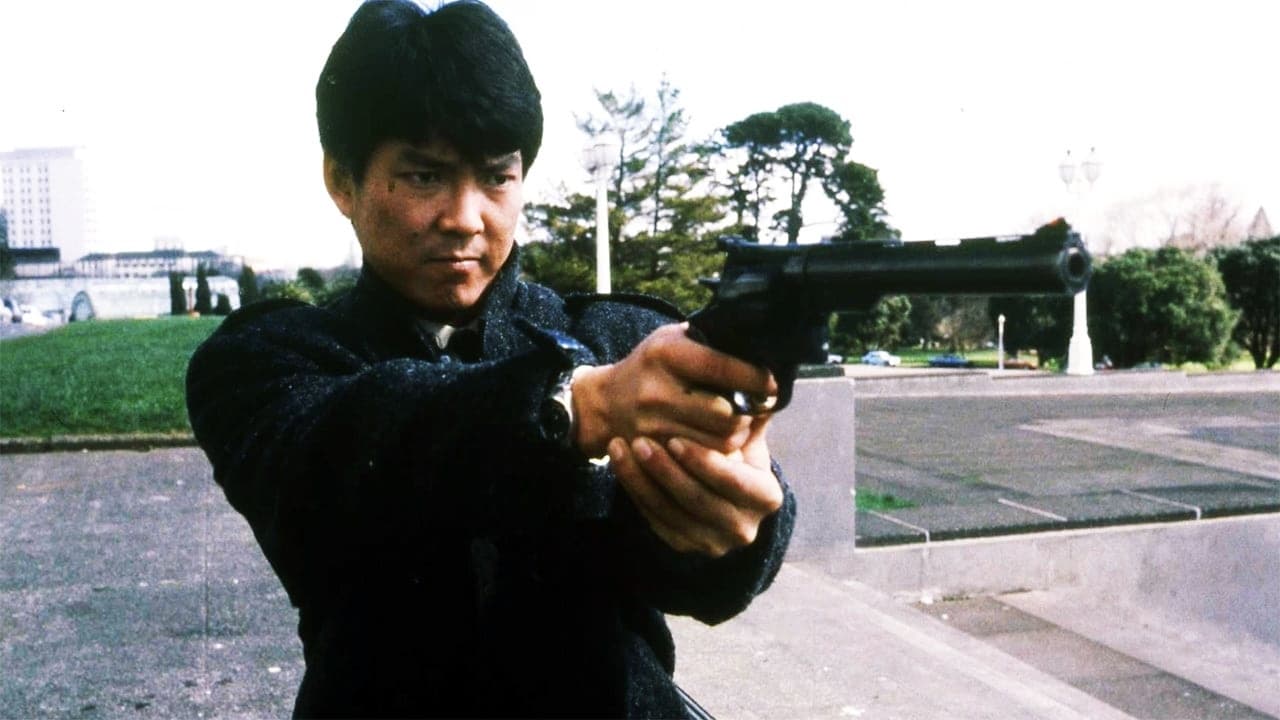
This wasn't just another chop-socky flick. Righting Wrongs slammed together a gritty crime thriller plot with some of the most jaw-droppingly acrobatic and dangerous stunts of the era. The premise itself is darker than your average Golden Harvest outing: Yuen Biao plays Jason Chan, a righteous prosecutor so disgusted by legal loopholes letting criminals walk free that he decides, well, to right some wrongs himself, vigilante-style. It’s a setup that promises intensity, and boy, does this film deliver.
### When Righteous Fury Meets Raw Power
Yuen Biao, one of the legendary "Three Dragons" alongside his Peking Opera brothers Jackie Chan and Sammo Hung, is simply electric here. His character wrestles with morality, but when the action kicks in, his physical prowess is undeniable. Forget wire-fu trickery; Biao’s movements are grounded yet superhuman – flips, kicks, and falls that look agonizingly real because, often, they were. He brings a certain dramatic weight alongside the expected physical brilliance, selling the internal conflict of a man pushed too far.
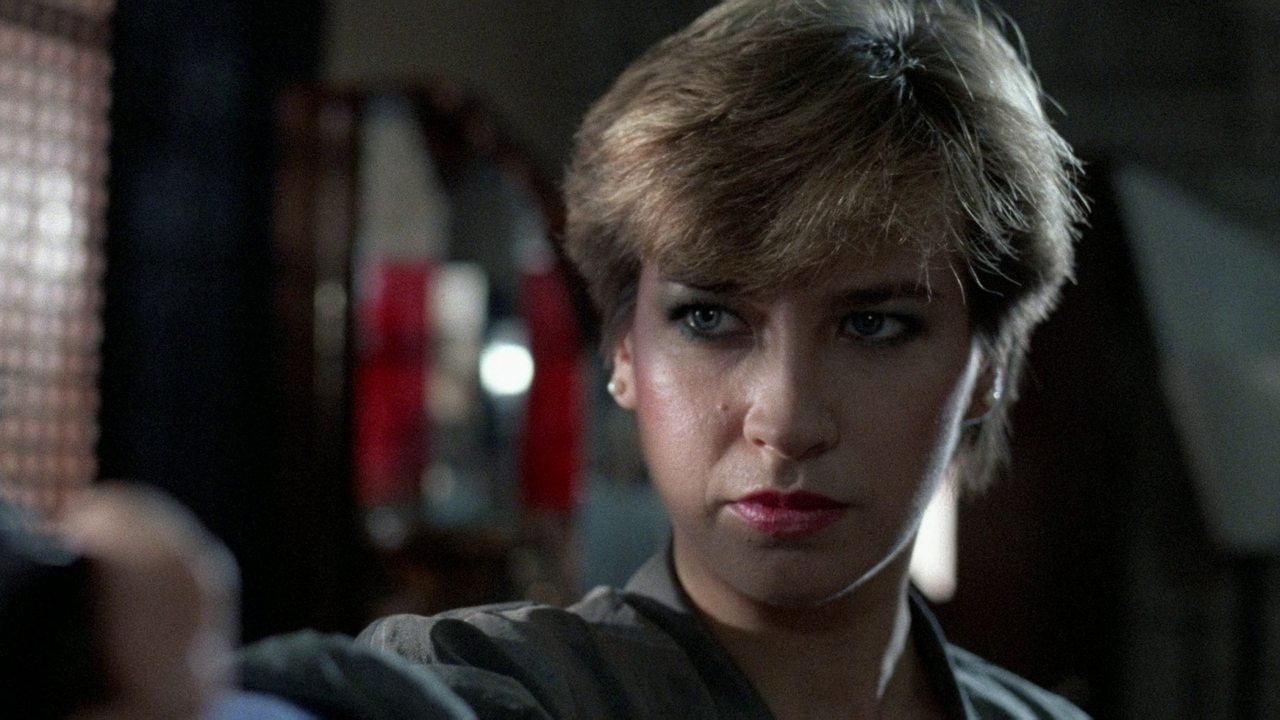
But Biao isn't alone in bringing the thunder. This film marks a significant moment: the arrival of American martial arts champion Cynthia Rothrock onto the Hong Kong scene. Playing Senior Inspector Cindy Si, she’s not just arm candy or a damsel; she’s a force of nature, matching Biao kick for kick. Watching Rothrock, with her signature scorpion kick and lightning-fast strikes, go toe-to-toe with HK stunt veterans was a revelation back then. A little retro fun fact: Golden Harvest reportedly discovered Rothrock during a martial arts demonstration in the US, and Righting Wrongs became one of her first major starring roles in Hong Kong, instantly making her an icon for action fans worldwide. Her chemistry (and combat synchronicity) with Biao is fantastic.
### The Golden Age of "How Did They Survive That?" Stunts
Let's talk about the real star here: the action, directed with ferocious energy by Corey Yuen. Yuen, who would later give us Hollywood hits like The Transporter (2002), was already a master choreographer, and Righting Wrongs showcases his knack for staging intricate, brutal, and utterly practical mayhem. Remember how real those bullet hits looked back then? The squibs, the shattering glass – it felt visceral. The fight choreography is top-tier, blending traditional kung fu with more modern, hard-hitting techniques. One standout sequence involves Yuen Biao battling assassins in an apartment, using furniture,picture frames, and sheer agility in a breathtaking display.
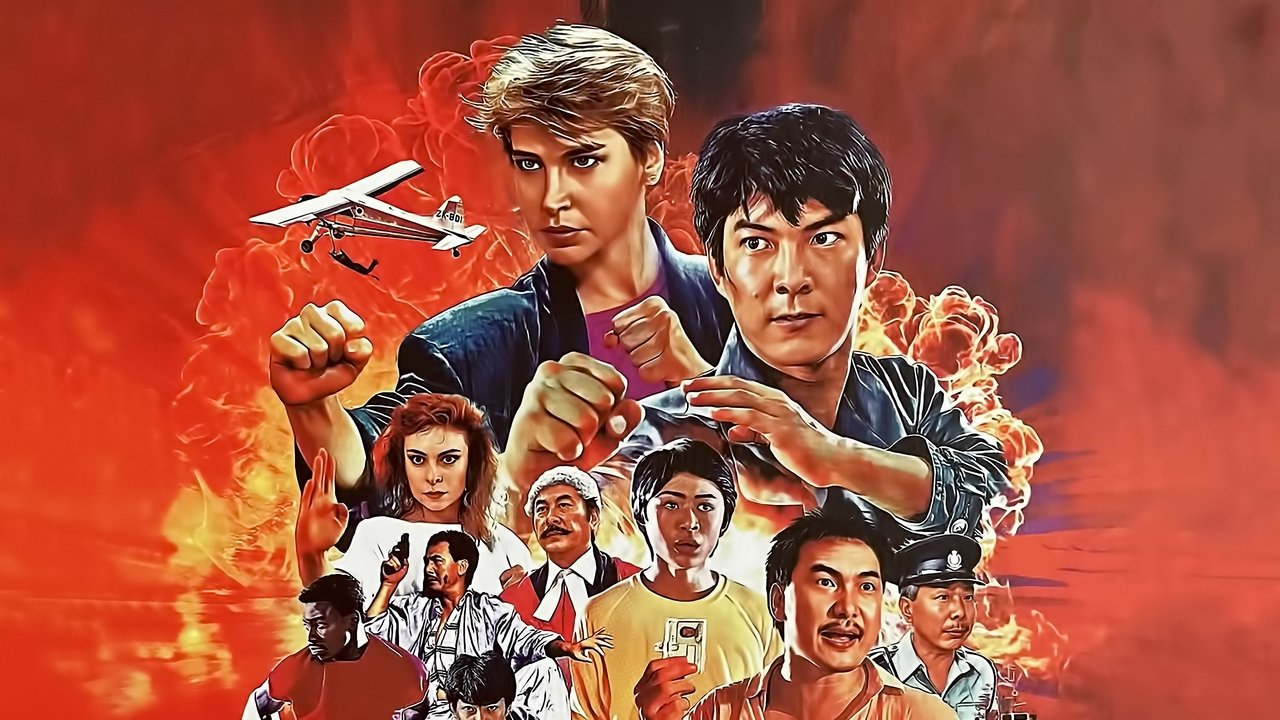
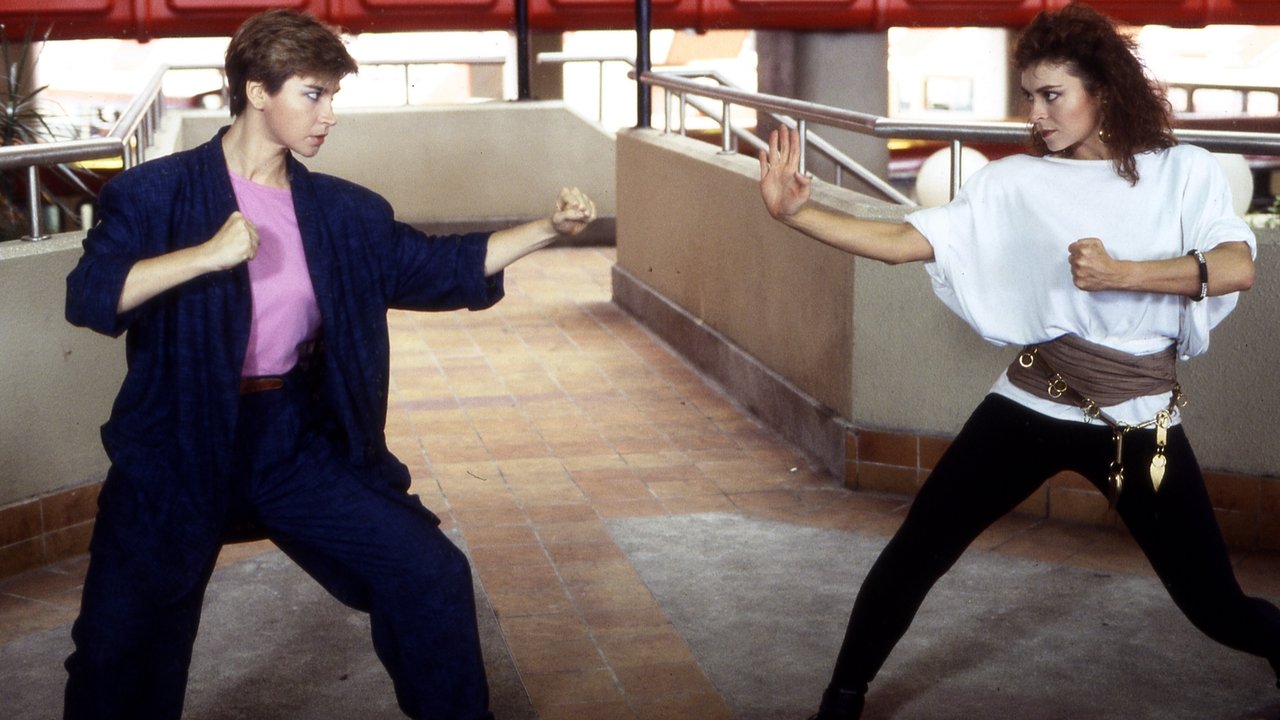
But it’s the stunt work that truly defines Righting Wrongs. We’re talking about falls from serious heights, car chases with real metal crunching, and fight scenes perilously close to moving vehicles. This was the era before digital safety nets, where the gasp you let out watching wasn't just for the character, but for the performer. And that leads us to the finale. Spoiler Alert for a 35+ year old movie! The legendary airplane stunt. Watching Yuen Biao (or more accurately, his incredibly brave stunt doubles for the most dangerous parts) clinging to, falling from, and battling atop a speeding aircraft... well, it remains one of the most audacious and genuinely dangerous-looking sequences ever committed to film. Reports from the set confirm just how perilous this sequence was, pushing the absolute limits of practical stunt work in a way that CGI simply cannot replicate. That raw edge, that sense of real jeopardy, is something uniquely thrilling about films from this period.
### More Than Just Flying Fists
While the action is the main draw, Righting Wrongs isn't afraid to get surprisingly dark. The themes of systemic corruption, vigilante justice, and the blurred lines between right and wrong give it a cynical edge uncommon in many contemporary HK action films. This tonal darkness actually led to some behind-the-scenes debate, resulting in multiple endings for the film. The original Hong Kong release featured a notoriously downbeat conclusion that stunned audiences. Fearing international viewers wouldn't accept such bleakness, an alternate, more conventionally heroic ending was filmed for the export version (often titled Above the Law). Finding a VHS copy back in the day could be a lottery – which ending would you get? It's a fascinating footnote (Barry Wong's script clearly wasn't afraid to provoke) and a reminder of how audience expectations could shape a film's final form across different markets.
Supporting players like Melvin Wong as the conflicted Superintendent Wong add texture, grounding the high-flying action in something resembling police procedure, even as Yuen Biao throws the rulebook out the window (and possibly through a windshield). The pulsating synth score typical of the era perfectly complements the relentless pace. The film did solid business in Hong Kong (grossing over HK$10 million, a respectable sum then) and became a cornerstone title for showcasing both Yuen Biao's leading man capabilities and introducing Cynthia Rothrock to a global audience hungry for authentic female action heroes.
---
Rating: 8.5/10
Justification: Righting Wrongs earns this high score for its absolutely phenomenal, boundary-pushing practical stunt work and fight choreography, showcasing Yuen Biao and Cynthia Rothrock at their peak. The sheer audacity and physical commitment on display are breathtaking. While the plot can feel a bit grim and the tonal shifts might be jarring for some, the relentless energy, iconic performances, and unforgettable action set pieces make it a must-see for any fan of 80s Hong Kong action. The different endings add a layer of historical curiosity.
Final Word: This is pure, uncut, VHS-era adrenaline – raw, dangerous, and utterly compelling. It’s a potent reminder of a time when action heroes bled, and the thrills felt terrifyingly real. Fire up the VCR, this one still kicks hard.