It often starts with a sound, doesn't it? Not the main theme, necessarily, but perhaps the grating whine of a struggling engine, or the anxious, clipped tones of a man meticulously detailing every potential hazard on a journey not yet begun. For me, thinking back to Carlo Verdone's 1981 Italian comedy classic, Bianco, rosso e Verdone (often known internationally simply as Three Brothers, though that title misses the playful patriotism of the original), it's the cacophony of three distinct personalities hitting the road, a perfect overture to a film that’s less about reaching the destination and more about the glorious, frustrating, and deeply human chaos of the journey itself.
Three Faces of Italy on Four Wheels
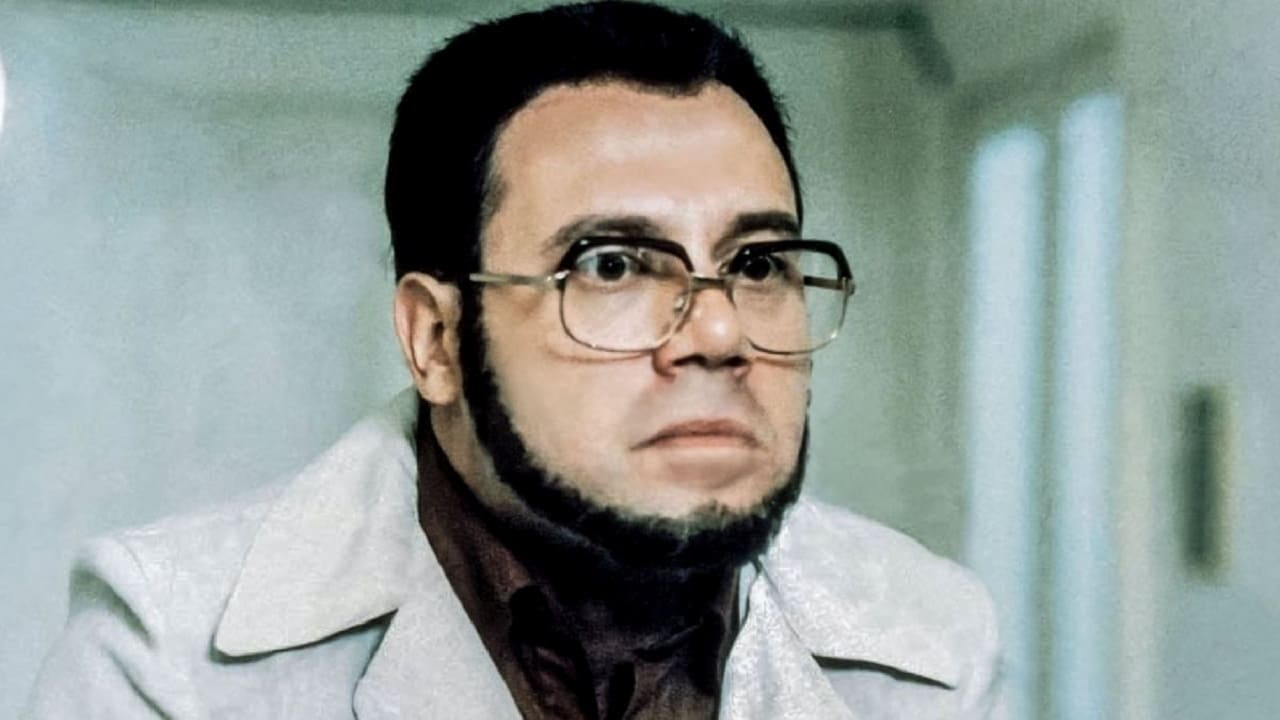
The premise is deceptively simple: it's election day in Italy, and three men are travelling south to Rome to cast their votes, summoned by their elderly grandmother. What elevates this beyond a standard road movie is that all three protagonists are played, with astonishing versatility, by Carlo Verdone himself, who also directs and co-writes. We have Furio Zòccano, the insufferably pedantic and hypochondriac Torinese husband, whose obsessive planning drives his long-suffering wife Magda (Irina Sanpiter) to the brink. Then there’s the sweet-natured, slightly dim Roman, Mimmo, burdened by the formidable presence of his diabetic grandmother, the unforgettable Sora Lella (Elena Fabrizi), in the passenger seat of his Alfasud. Finally, Pasquale Ametrano, the silent, almost perpetually unlucky Southern Italian émigré returning from Germany, whose journey in a battered Alfasud seems cursed from the start. Each character represents a different facet of the Italian psyche, a walking, driving stereotype pushed to hilarious, yet strangely recognizable, extremes.
Verdone's Masterclass in Character
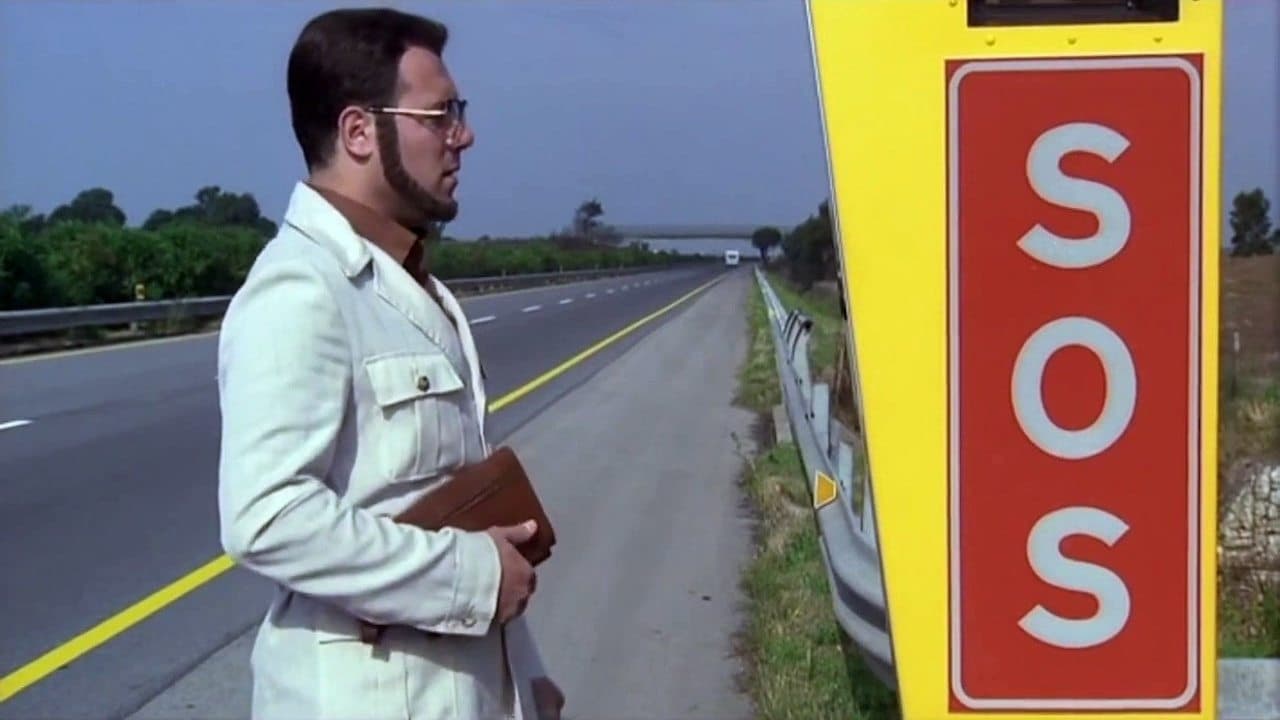
Watching Verdone shift between these roles is still remarkable. It’s not just wigs and accents; he embodies each man’s distinct rhythm, posture, and worldview. Furio’s tense precision, Mimmo’s wide-eyed naivety, Pasquale’s weary resignation – they feel like completely separate entities. Verdone, who burst onto the scene the previous year with Un sacco bello (1980), cemented his status as a major comedic force here. His performance isn't just caricature; there's a kernel of truth in each portrayal that resonates. Who hasn't known someone with Furio's anxieties, Mimmo's well-meaning ineptitude, or Pasquale's quiet desperation? It's this grounding in observation, honed alongside veteran screenwriters Leonardo Benvenuti and Piero De Bernardi (responsible for countless cornerstones of Italian comedy), that keeps the humour from feeling merely absurd. It’s a comedy born from the lived Italian experience.
Sora Lella: An Icon is Born
While Verdone is the triple-threat star, the film’s heart arguably belongs to Elena Fabrizi, better known as Sora Lella. Playing Mimmo's imposing, scene-stealing grandmother, she delivers lines with a deadpan authority and earthy wisdom that became instantly iconic in Italy. What makes her performance even more special is the delightful piece of behind-the-scenes trivia: Elena Fabrizi was Carlo Verdone's actual grandmother! This wasn't stunt casting; she possessed a natural screen presence and impeccable comedic timing. One can only imagine the unique dynamic on set, directing one's own nonna in scenes demanding both humour and pathos. Her portrayal is gruff yet deeply loving, a perfect counterpoint to Mimmo's gentle nature, and their interactions provide some of the film's warmest and funniest moments.

Road Trip Reflections
The film uses the framework of the road trip – specifically the journey down the Autostrada del Sole – as a stage for its social commentary. The endless queues at toll booths, the chaotic service stations (Autogrill), the regional clashes, the sheer exhaustion and frustration of travel – it’s all rendered with affectionate exasperation. The choice of cars feels deliberate too: Furio’s sensible but bland Fiat 131 Mirafiori, Mimmo and Pasquale’s identical but distinctly fated Alfa Romeo Alfasuds – vehicles that were ubiquitous sights on Italian roads in the early 80s. The film captures that specific moment in Italian life, a country grappling with modernity yet still deeply tied to tradition and regional identity, all played out against the backdrop of a civic duty – voting. It's a snapshot delivered with humour rather than cynicism, a knowing wink to the audience sharing these experiences. Reportedly grossing significantly more than its modest budget, the film tapped into a shared cultural understanding, becoming a massive hit in its homeland.
Why It Endures on Tape and Beyond
I remember finding this on VHS, perhaps in a slightly dusty corner of the 'World Cinema' section, drawn in by the promise of Italian comedy. Watching it on a flickering CRT, the grainy image somehow suited the slightly worn-around-the-edges charm of Pasquale's journey or the lived-in feel of Mimmo's car interior. It felt authentic, a window into a specific time and place, yet universally relatable in its portrayal of family dynamics and the minor indignities of everyday life. The humour translates remarkably well, even decades later, because it’s fundamentally character-based. Even if some specific cultural references might require a quick search now, the human comedy remains potent.
Rating: 8/10
This rating reflects the film's sheer comedic brilliance, driven by Verdone's incredible multi-role performance and the iconic presence of Sora Lella. It's a sharply observed slice of Italian life, a road movie that uses its journey to paint a portrait of a nation with affection and wit. While perhaps intensely Italian in its specifics, the underlying themes of family, frustration, and the absurdity of navigating modern life are universal. The structure, essentially three parallel stories, can feel slightly episodic, but the consistent humour and Verdone's energy tie it all together beautifully.
Bianco, rosso e Verdone remains a touchstone of Italian comedy, a film that feels both incredibly specific to its early 80s setting and timeless in its humour. It leaves you chuckling, yes, but also with a lingering fondness for its flawed, frustrating, utterly human characters navigating the long road home. What better definition of a classic worth revisiting?