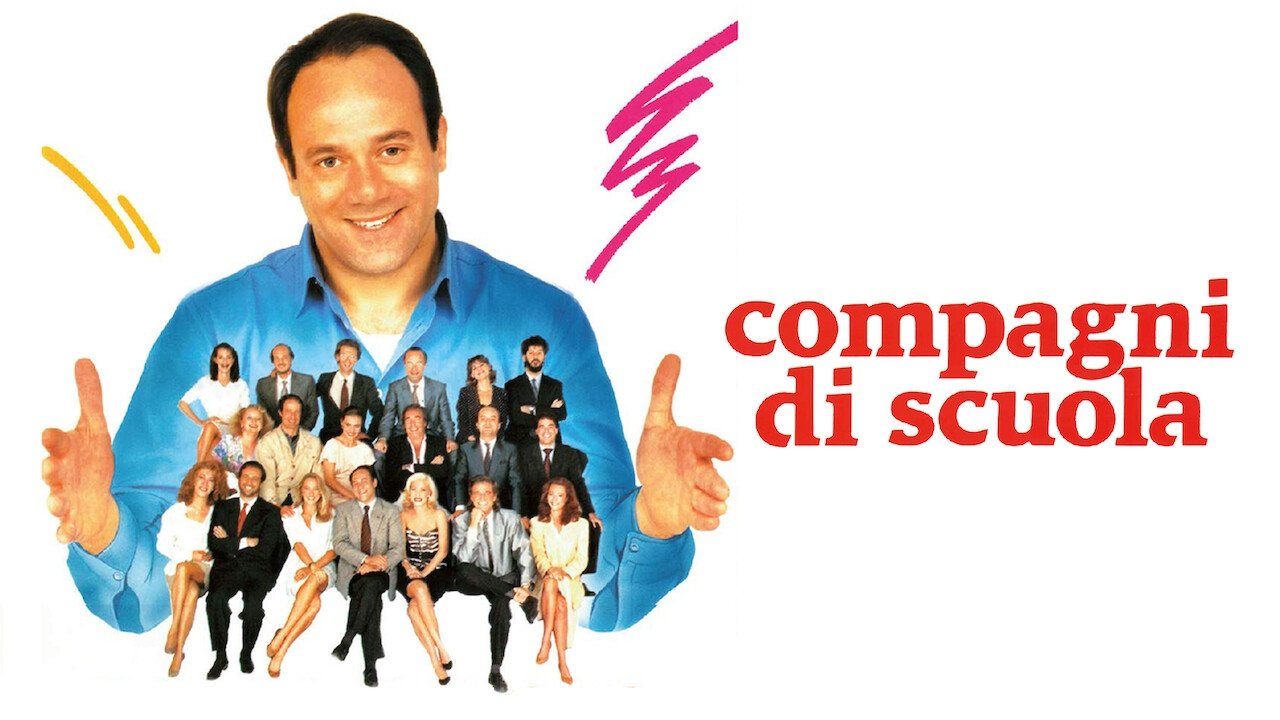
Okay, pull up a comfy chair, maybe grab a Peroni or a chinotto if you can find one, because we're diving into a gem from the golden age of Italian video rentals today. Forget the usual Hollywood fare for a moment and let's talk about Carlo Verdone's 1988 masterpiece, Compagni di scuola (often found internationally as Schoolmates, though the original title has a warmer ring to it). This isn't your typical breezy comedy; it’s more like uncorking a bottle of vintage wine that’s both sparkling and surprisingly complex, with a bittersweet aftertaste that lingers long after the credits roll. For many Italians, this film isn't just a movie; it's a cultural touchstone, a mirror held up to a generation grappling with the transition from youthful dreams to adult realities.
### The Reunion You Didn't Know You Needed
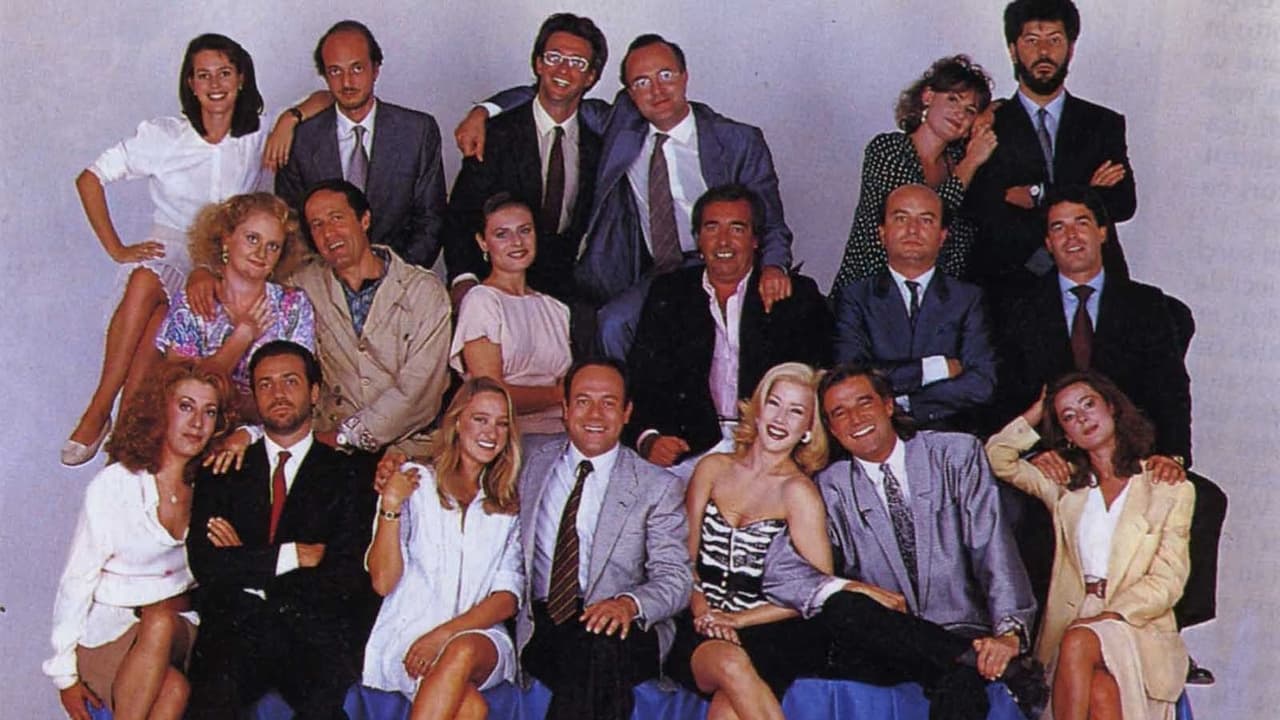
Imagine the awkward energy, the forced smiles, the simmering old rivalries, and the faint glimmers of rekindled connection – that’s the swirling vortex of a high school reunion, and Compagni di scuola throws us right into the heart of one. The premise is simple: the well-meaning but slightly naive Federica, played with award-winning charm by Nancy Brilli, decides to host a 15-year reunion for her former classmates at her family's sprawling seaside villa. What could possibly go wrong? Well, when you gather thirty-odd thirty-somethings, each carrying their own baggage of successes, failures, heartbreaks, and compromises, the potential for chaotic brilliance is immense. And Carlo Verdone, who not only directs but also co-writes (with the legendary duo Leo Benvenuti and Piero De Bernardi) and stars, masterfully orchestrates this human symphony.
### A Veritable Who's Who of Woes and Wins
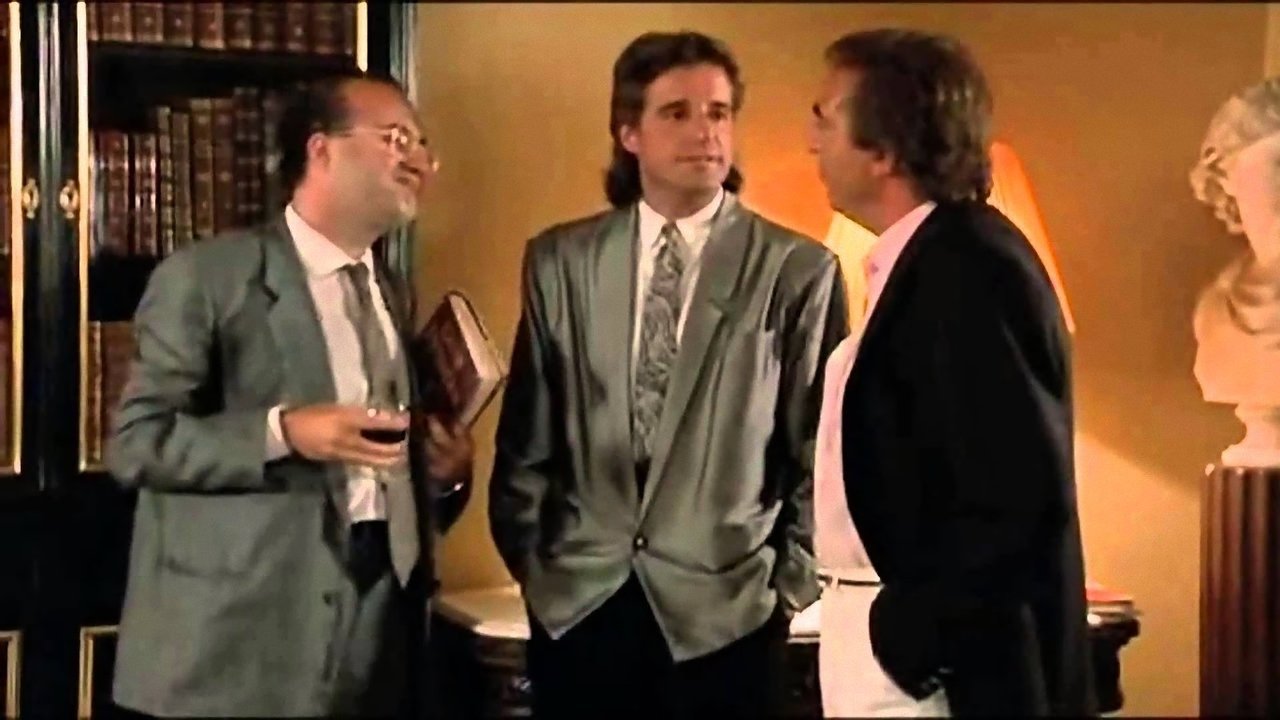
Verdone himself plays Piero Ruffolo, nicknamed "il Patata" (the Potato), a perpetually unlucky and deeply insecure high school teacher whose life seems to be a series of unfortunate events. He’s the relatable anchor in a sea of often larger-than-life personalities. And what a sea! The ensemble cast is sprawling, featuring some of the best Italian actors of the generation. There's the impossibly arrogant Mauro Valenzani (Massimo Ghini, oozing smug charisma), the former class beauty still trading on her looks (Athina Cenci), the cynical radio host (Piero Natoli), the anxious doctor (Christian De Sica in a memorable cameo), and dozens more, each sketched with remarkable efficiency and depth.
It’s fascinating how Verdone manages to give so many characters their moment, weaving their individual stories – some hilarious, some deeply poignant – into the fabric of the long night at the villa. Nancy Brilli deservedly won the David di Donatello (Italy's Oscar equivalent) for Best Supporting Actress for her portrayal of Federica. Her journey from enthusiastic hostess to someone grappling with the messy reality of her old friends is one of the film's emotional cores. Fun fact: Brilli actually suffered a real-life motorcycle accident during filming, which was cleverly written into the script to explain her character’s bandaged arm! Talk about turning lemons into Limoncello.
### Laughter Through Tears: The Verdone Touch
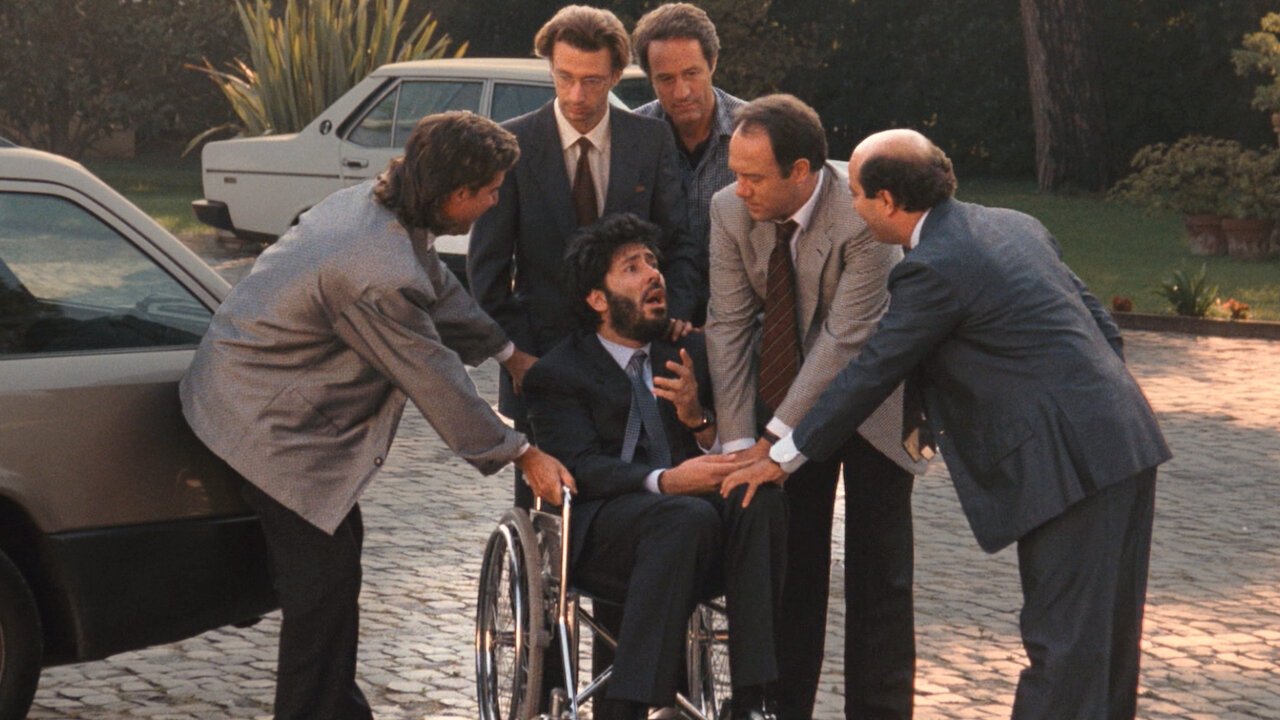
What makes Compagni di scuola endure is its perfect balance of comedy and melancholy. This isn't just slapstick; the humor often arises from keenly observed human behavior, from the awkwardness of social pretense, and from the characters' desperate attempts to project an image of success. Verdone, alongside Benvenuti and De Bernardi (veterans who penned countless classics of Italian comedy), crafts dialogue that crackles with authenticity. You’ll laugh out loud at Piero’s misfortunes or Mauro’s sheer audacity, but moments later, the film can deliver a quiet gut punch as characters confront loneliness, infidelity, professional stagnation, or the painful gap between who they thought they'd be and who they've become.
It’s a film that feels remarkably honest about the disappointments that often accompany adulthood. The villa itself, the gorgeous Villa Volpi in Sabaudia (later seen in other films), becomes a character – a beautiful, isolated stage where masks slip and truths, both funny and harsh, are revealed under the moonlight and the influence of alcohol. The score by Fabio Liberatori, a frequent Verdone collaborator, perfectly complements this tonal tightrope walk, shifting effortlessly between lighthearted melodies and more somber, reflective cues.
### Retro Fun Facts & Italian Impact
Getting Compagni di scuola made wasn't straightforward. Verdone reportedly fought hard for his vision of a longer, more complex ensemble piece, resisting pressure to make something simpler. The gamble paid off handsomely; the film was a massive critical and commercial success in Italy, grossing over 10 billion lire (a significant sum back then) and solidifying Verdone's reputation not just as a comedic actor, but as a director with a unique voice capable of blending populist appeal with genuine pathos. It’s often cited alongside films like The Big Chill (1983), but Compagni di scuola possesses a distinctly Italian sensibility – perhaps a bit louder, more openly emotional, and arguably, even more cynical beneath the surface humour. Managing such a large, talented cast required meticulous planning, and Verdone was praised for creating a believable, chaotic microcosm of society within the villa's walls. It’s a masterclass in ensemble filmmaking.
### Why Rewind This Tape?
Even if you didn't grow up watching Carlo Verdone movies on a fuzzy CRT screen, Compagni di scuola offers something universal. It taps into that bittersweet ache of nostalgia, the curiosity about paths not taken, and the complex ways our past shapes our present. It’s a snapshot of late-80s Italy, yes, but its themes of friendship, aging, and the search for meaning resonate across cultures and decades. It’s funny, it’s sad, it’s insightful, and it features a stunning array of performances. For fans of ensemble dramas or anyone curious about exploring the richer side of 80s European cinema beyond the usual exports, this is a must-watch. It's a film that treats its audience with intelligence, offering laughs and reflection in equal measure.
VHS Heaven Rating: 9/10
Justification: Compagni di scuola is a near-perfect blend of comedy and drama, anchored by a brilliant ensemble cast led by the multi-talented Carlo Verdone. Its script is sharp, observant, and deeply human, capturing the chaotic energy and underlying melancholy of a school reunion with remarkable skill. While its runtime might feel generous (around 2 hours), every moment feels earned, contributing to the rich tapestry of characters and stories. It's a high point of 80s Italian cinema that remains funny, touching, and relevant. The slightly lower mark acknowledges its cultural specificity which might make some nuances less immediate for non-Italian viewers, but its core themes are universal.
Final Thought: Like any reunion, Compagni di scuola reminds us that while time changes faces and fortunes, the echoes of who we once were, and the bonds we once shared, never truly fade away – even if they’re now viewed through a haze of cigarette smoke, spilled wine, and bittersweet laughter. A true classic worth tracking down.