Maledetto il giorno che t'ho incontrato
It’s a curious thing, isn't it? How some cinematic pairings just lodge themselves in your memory, not necessarily for sweeping romance, but for the sheer, baffling, undeniable connection between two profoundly damaged souls. That’s the immediate, lasting impression left by Carlo Verdone’s 1992 Italian gem, Maledetto il giorno che t'ho incontrato (often known internationally, perhaps less poetically, as Damned the Day I Met You). Watching it again after all these years, it feels less like a simple comedy and more like stumbling upon a shared therapy session that just happens to be hilarious and, unexpectedly, quite moving.
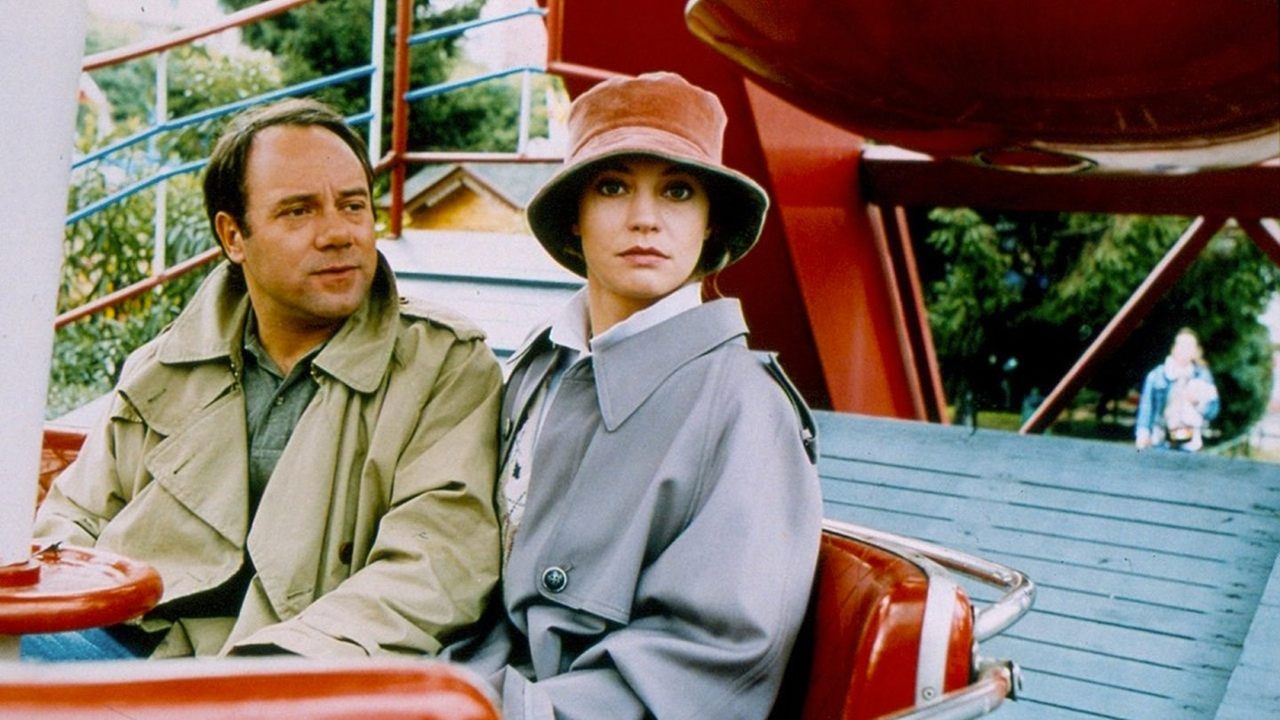
Anxiety Finds Company
At its heart, the film introduces us to two characters practically vibrating with neuroses. Bernardo (played by director/writer Carlo Verdone himself) is a Roman rock journalist grappling with anxiety, hypochondria, and an obsessive quest to prove Jimi Hendrix was murdered. He catalogues his pills with near-religious fervour and approaches life with the weary caution of someone perpetually expecting disaster. Then there’s Camilla (Margherita Buy, in a performance that rightfully earned her accolades), a struggling actress plagued by eating disorders, crippling insecurity, and a disastrous pattern of falling for unavailable, often abusive, men.
They meet, predictably, through mutual acquaintances entangled in their respective relationship dramas. What unfolds isn't a typical meet-cute; it's more like two exposed nerves accidentally brushing against each other. Yet, amidst the panic attacks, the dietary restrictions, the therapy appointments, and the shared litany of failed relationships, something unexpected blossoms: a friendship. Verdone and Buy are simply electric together. Their chemistry isn't built on flirtation, but on a shared wavelength of barely suppressed panic and a desperate need for someone, anyone, to understand the chaos within. Their rapid-fire exchanges, often overlapping and fuelled by mutual exasperation and recognition, feel startlingly authentic. You believe these two could simultaneously drive each other insane and be the only people on Earth who truly get each other.
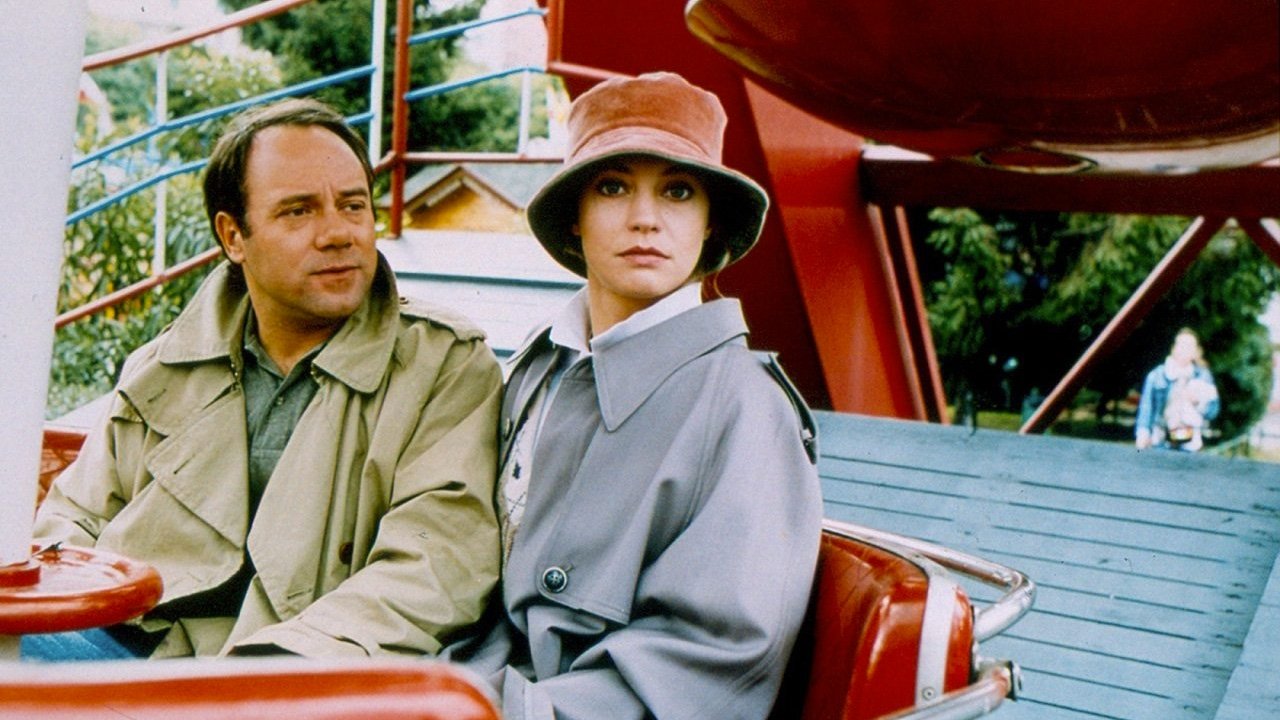
From Roman Sunlight to London Grey
The narrative cleverly uses Bernardo's Hendrix obsession to shift the setting, taking our neurotic duo from the familiar chaos of Rome to the sprawling anonymity of London. He’s there to interview a key figure for his biography; she follows, ostensibly for acting opportunities but clearly seeking refuge and connection. This change of scenery allows the film to explore their dynamic in isolation. Away from their usual support (or lack thereof), they become each other's reluctant anchors. The London sequences, filmed with a keen eye by cinematographer Danilo Desideri (who also won a David di Donatello award for his work here), capture both the city's iconic landmarks and a certain melancholic distance that mirrors the characters' internal landscapes.
One fascinating detail that always stuck with me is Bernardo’s meticulous research into Hendrix. It’s not just a plot device; it feels like a genuine character trait, a manifestation of his need for order and truth in a world (and mind) that feels overwhelmingly chaotic. It grounds his anxieties in something tangible, something he can investigate. Did Verdone draw on any specific research rabbit holes himself? One wonders. The film certainly feels personal, reflecting a knack for observing human frailty that characterized much of Verdone's best work, reminiscent perhaps of his earlier films like Bianco, rosso e Verdone (1981) but with a more mature, bittersweet edge.
Laughing Through the Pain
What elevates Maledetto il giorno... beyond a simple quirky comedy is its willingness to lean into the pain beneath the anxieties. Camilla's struggles with self-worth and her destructive relationship patterns are portrayed with unflinching honesty by Buy. There are moments where her vulnerability is almost difficult to watch, yet Buy imbues her with such fragile humanity that you can't help but root for her. Similarly, Verdone doesn't just play Bernardo for laughs; there's a palpable sadness beneath the hypochondria, a loneliness that his obsessions try, and fail, to fill.
The script, co-written by Verdone and Francesca Marciano, is sharp, witty, and deeply empathetic. It finds humour not in mental health struggles, but in the absurdities of how these characters try (and often fail) to navigate the world with them. It’s a delicate balance, and the film walks it beautifully. It understands that sometimes, the most profound connections are forged not in shared joys, but in shared vulnerabilities. This understanding likely contributed to its massive success in Italy, where it swept the David di Donatello Awards, winning five major statuettes including Best Actor, Best Actress, Best Supporting Actress for Elisabetta Pozzi (as Bernardo's exasperated therapist), Best Screenplay, and Best Cinematography. It clearly struck a chord.
A Neurotic Masterpiece? Maybe.
Does the film feel dated in places? Perhaps some of the attitudes or comedic beats land differently now. But the core performances and the underlying emotional truth remain potent. Watching Bernardo and Camilla navigate their complex, co-dependent, yet ultimately supportive friendship feels remarkably resonant even today. It speaks to that universal human need for connection, even – perhaps especially – when we feel fundamentally broken. It’s a reminder that sometimes, the people who understand our specific brand of madness are the ones who can truly help us heal, or at least cope. Finding this on a dusty VHS tape back in the day might have felt like uncovering a slightly offbeat, foreign treasure – a different kind of cinematic comfort food.
Rating: 8.5/10
This score reflects the film's masterful blend of comedy and drama, powered by two phenomenal central performances that feel utterly lived-in. Verdone's direction is assured, finding both the humour and the pathos in his characters' anxieties without resorting to cheap caricature. While perhaps lesser-known internationally than it deserves, it’s a standout of early 90s Italian cinema, a film whose neurotic heart beats with surprising warmth and honesty.
It leaves you wondering: Can two people burdened by their own internal static truly find harmony together, or just a slightly less chaotic frequency? Maledetto il giorno che t'ho incontrato suggests maybe, just maybe, the latter is more than enough.