The fluorescent lights of Lanier College hummed with a peculiar emptiness, didn't they? Not the bustling energy of mid-terms, but the unnerving quiet that settles just before the storm. That's the space where Final Exam lives – less a frantic caffeine-fueled panic, more a slow, creeping dread that sinks into your bones like damp cold. Released in 1981, smack-dab in the golden deluge of slice-and-dice flicks, Jimmy Huston's entry often gets relegated to the footnotes, overshadowed by its more visceral, high-body-count cousins. But pull that worn-out tape from its sleeve, slot it into the VCR, and you might find something curiously different simmering beneath the surface.
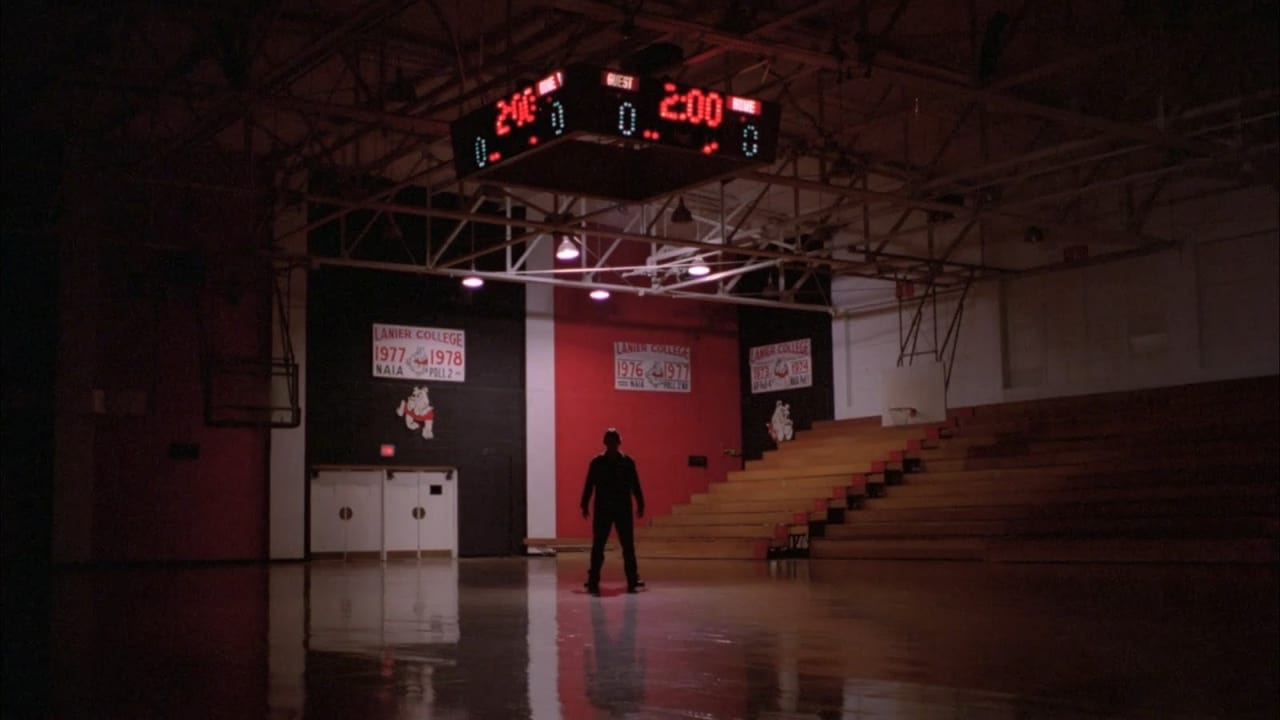
The Quiet Before the Cutting
Forget the breakneck pacing of Camp Crystal Lake or Haddonfield on Halloween night. Final Exam takes its sweet, agonizing time. For a significant chunk of its runtime, it feels less like a horror film and more like a low-key college hangout movie. We follow the students – the jocks, the nerds, the lovers – through their end-of-semester routines: studying, pulling pranks, navigating fledgling romances. There's an almost mundane quality to it all, punctuated by moments of camaraderie and collegiate silliness. Director Jimmy Huston, who also penned the script, seemed less interested in replicating the established slasher formula beat-for-beat and more in letting us simply exist alongside these characters before the inevitable axe falls. Does it test the patience? Absolutely. Some find this extended build-up excruciatingly slow, a fatal flaw in a genre predicated on tension and release. But for others, there's a strange effectiveness to it. The banality makes the eventual intrusion of violence feel jarring, almost violating.
Meet the Class (Before It's Dismissed)
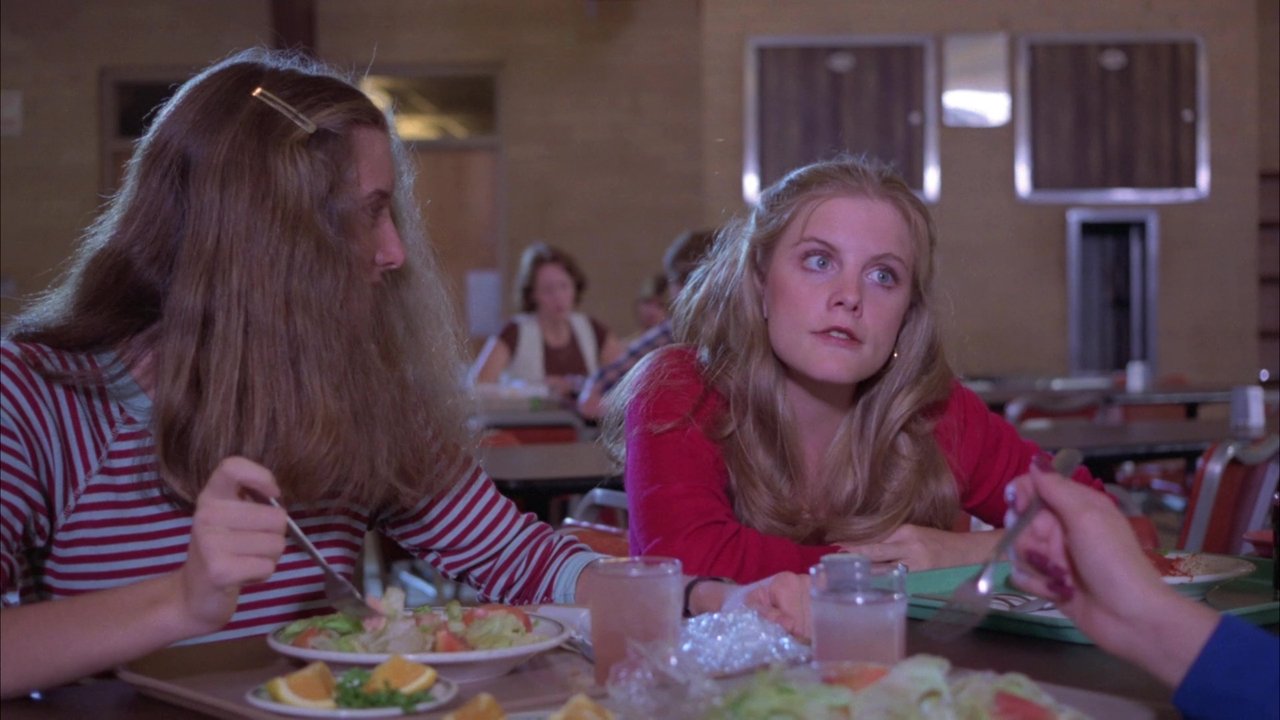
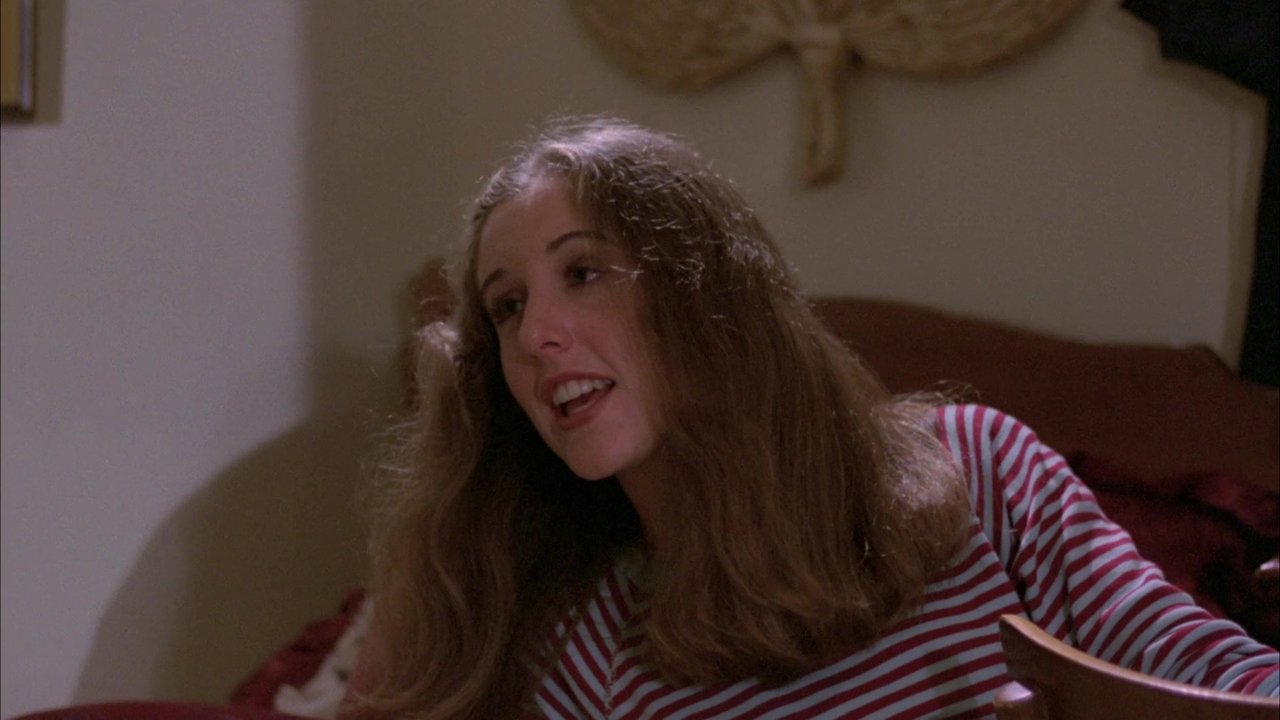
The ensemble cast, largely unknowns then and now, embodies the familiar archetypes. You've got your pranksters, your sensitive final girl Courtney (Cecile Bagdadi), and the bookish outsider, Radish, played with a memorable awkwardness by Joel S. Rice. Radish, obsessed with morbid facts and lurking on the periphery, often feels like the audience surrogate, the one character seemingly aware he's trapped in a horror narrative framework. While character depth isn't exactly Shakespearean, the extended time spent with them allows for a flicker of connection. You get a sense of their minor dramas and aspirations, making their eventual targeting feel slightly less anonymous than the usual slasher fodder. The film was shot on a shoestring budget – reportedly around $360,000 – at Limestone College in Gaffney, South Carolina. That real campus environment, with its sprawling lawns and echoing halls emptying out for the summer, becomes a character in itself, amplifying the isolation as the student body dwindles.
The Unseen Threat
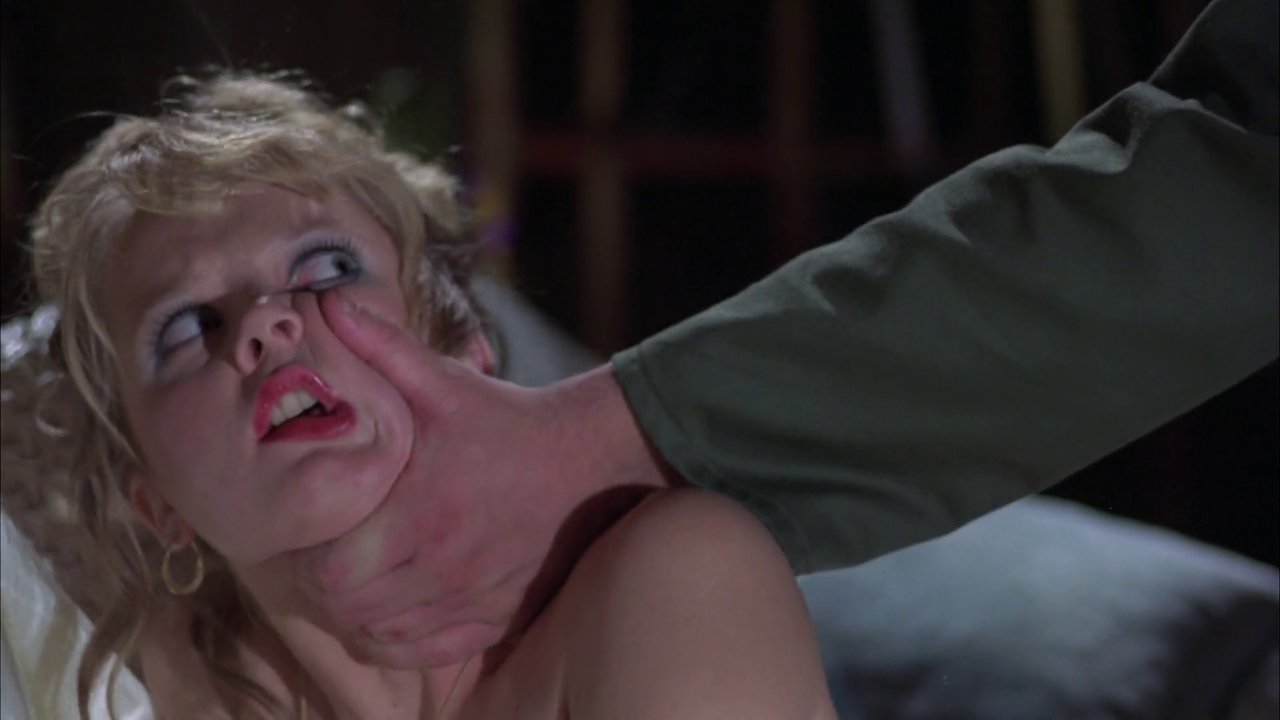
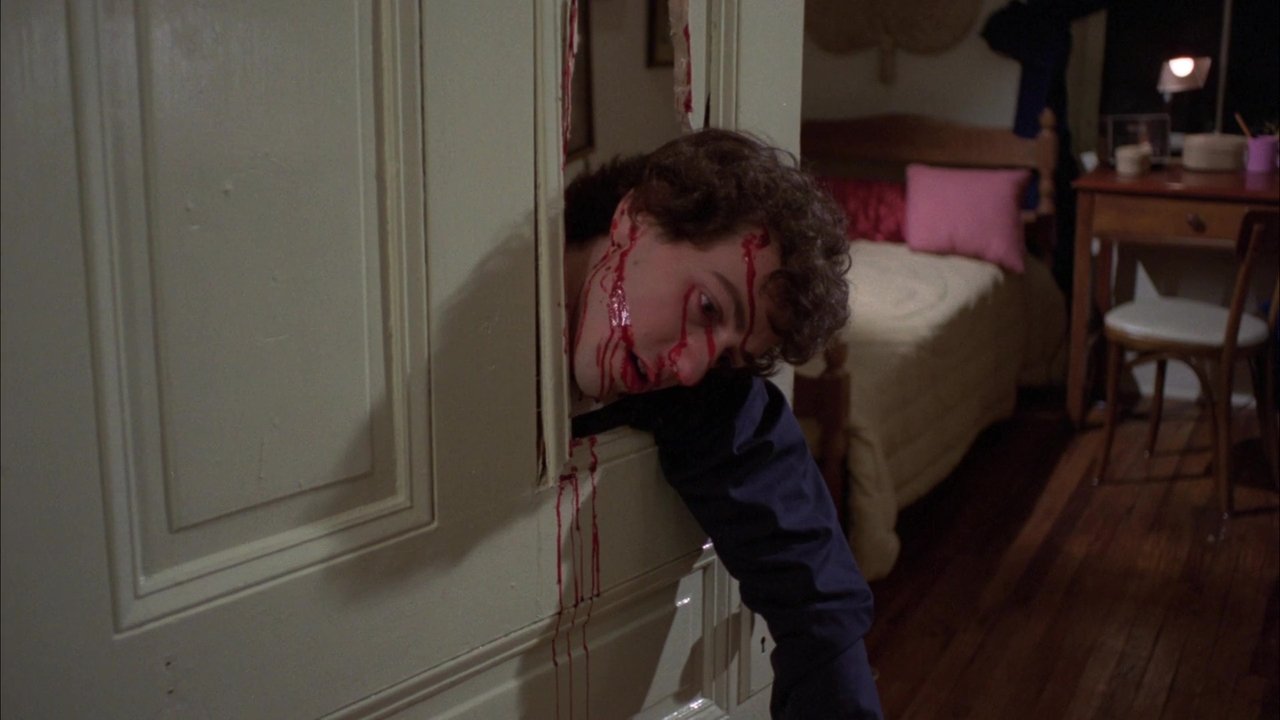
When the violence finally erupts, it's… well, it's certainly there. But compared to the gruesome practical effects showcases of its contemporaries, Final Exam feels almost restrained. The kills happen, often shrouded in shadow or occurring just off-screen, relying more on implication and the aftermath than explicit gore. This was a deliberate choice by Huston, perhaps partly dictated by budget, but also seemingly aiming for a different kind of fear – the fear of the unseen, the sudden puncture of normalcy. The killer himself is notoriously generic: a hulking figure in dark clothing, utterly devoid of backstory, motive, or even a distinctive mask. He's less a terrifying icon like Michael Myers or Jason Voorhees, more a blunt instrument of narrative necessity. Is this lack of identity a chilling void, representing random, motiveless violence? Or is it just… lazy writing? The debate continues among slasher aficionados. Doesn't that blankness, though, possess its own kind of unsettling quality in a strange way?
An Oddball Relic of the VHS Boom
Final Exam isn't the film you reach for when you want relentless carnage or jump scares. It’s the quirky outlier, the slasher film that forgot it was supposed to be sprinting and decided to meander instead. Its pacing is undeniably its most defining – and divisive – feature. Yet, there's an undeniable atmosphere woven into its fabric. The dimly lit campus grounds, the echoing silence of near-empty dorms, the hauntingly simple piano notes of Gary S. Scott's score… it all contributes to a feeling of quiet menace. It's a film that feels distinctly of its time, a low-budget gamble during the slasher gold rush that found its cult following primarily through video rentals, passed between fans who appreciated its peculiar, slow-burn rhythm. It never spawned sequels or became a household name, but it holds a strange, dusty corner in the annals of 80s horror.
VHS Heaven Rating: 5/10
The score reflects the film's deep flaws – the glacial pacing for much of its runtime, the underdeveloped killer, and the relatively tame execution compared to genre expectations. However, it earns points for its surprisingly effective atmospheric moments, the genuine sense of place created by the campus setting, a standout performance from Joel S. Rice, and its unique, almost defiant refusal to follow the standard slasher playbook. It requires patience, perhaps even a specific mood, but offers a strangely melancholic, low-key dread unlike almost anything else from the era.
Final Exam remains a curio – a testament to the sheer variety churned out during the slasher boom, proving that even within a rigid formula, filmmakers could find ways to be different, even if unintentionally. It’s the kind of movie you might have rented on a whim back in the day, expecting one thing and getting something else entirely – a quiet, slightly awkward, but strangely memorable end-of-term report from the slasher academy.