There are some VHS tapes that practically radiated malice from the shelf of the local video store. Tucked between gaudy action flicks and creature features, certain covers promised something genuinely nasty, something that felt illicit just holding the clunky plastic case. Ruggero Deodato's 1980 shocker, House on the Edge of the Park (Italian: La casa sperduta nel parco), was unequivocally one of those tapes. Often found lurking near its spiritual predecessor, The Last House on the Left, its mere presence suggested a descent into human cruelty that went beyond ghosts and goblins.
The Invitation You Shouldn't Accept
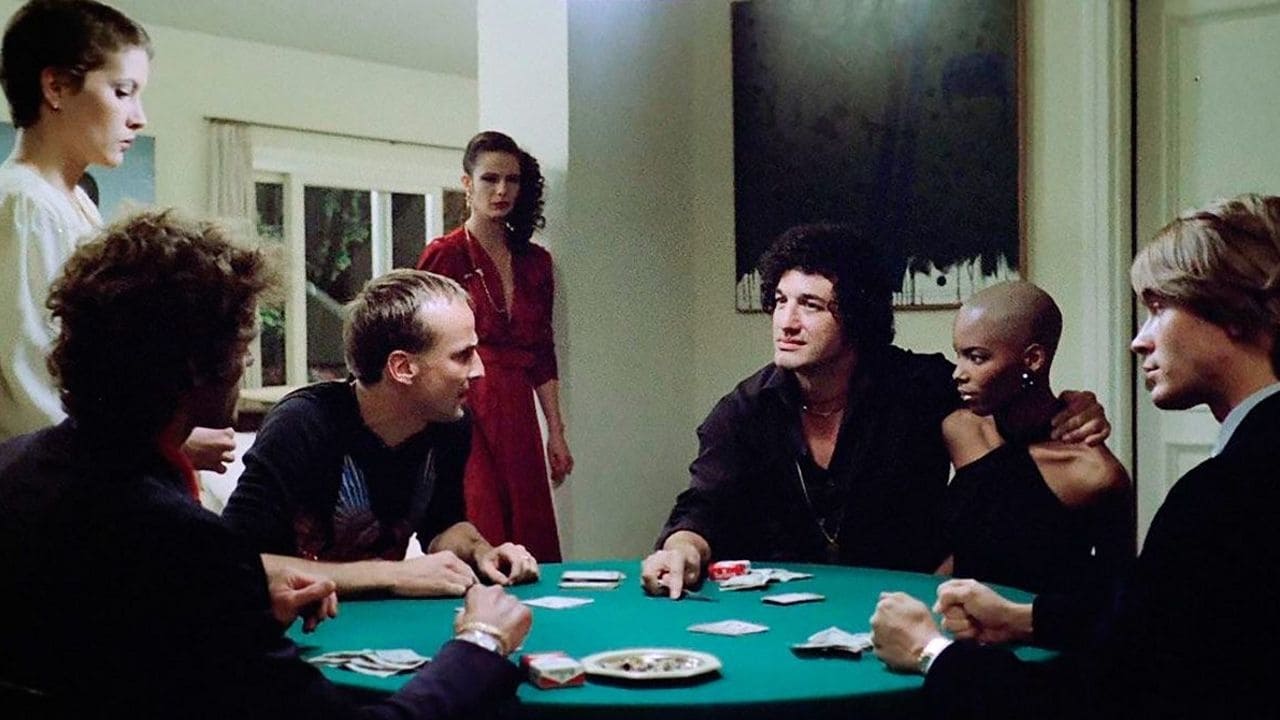
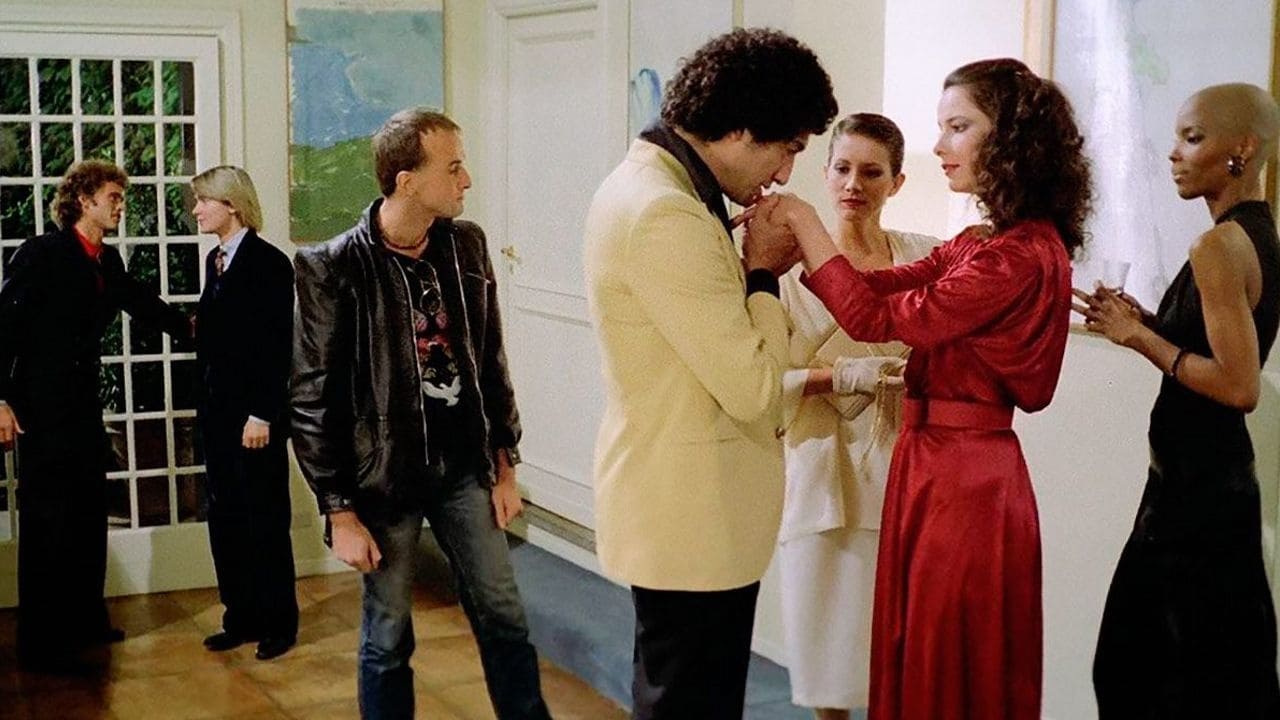
The setup is deceptively simple, almost mundane, lulling you into a false sense of security before the vise tightens. Alex (David Hess), a hulking, charismatic mechanic with eyes that hold barely suppressed violence, and his twitchy, younger companion Ricky (Giovanni Lombardo Radice, credited as John Morghen), encounter a group of affluent partygoers whose car has broken down. An invitation is extended – come back to their fancy villa for drinks, for fun. You scream at the screen, "Don't do it!" but they do. And from the moment Alex and Ricky cross the threshold, the air crackles with impending doom. The initial charm curdles into menace, the polite smiles of the hosts freezing as they realize they've invited predators into their pristine cage.
Echoes of Krug
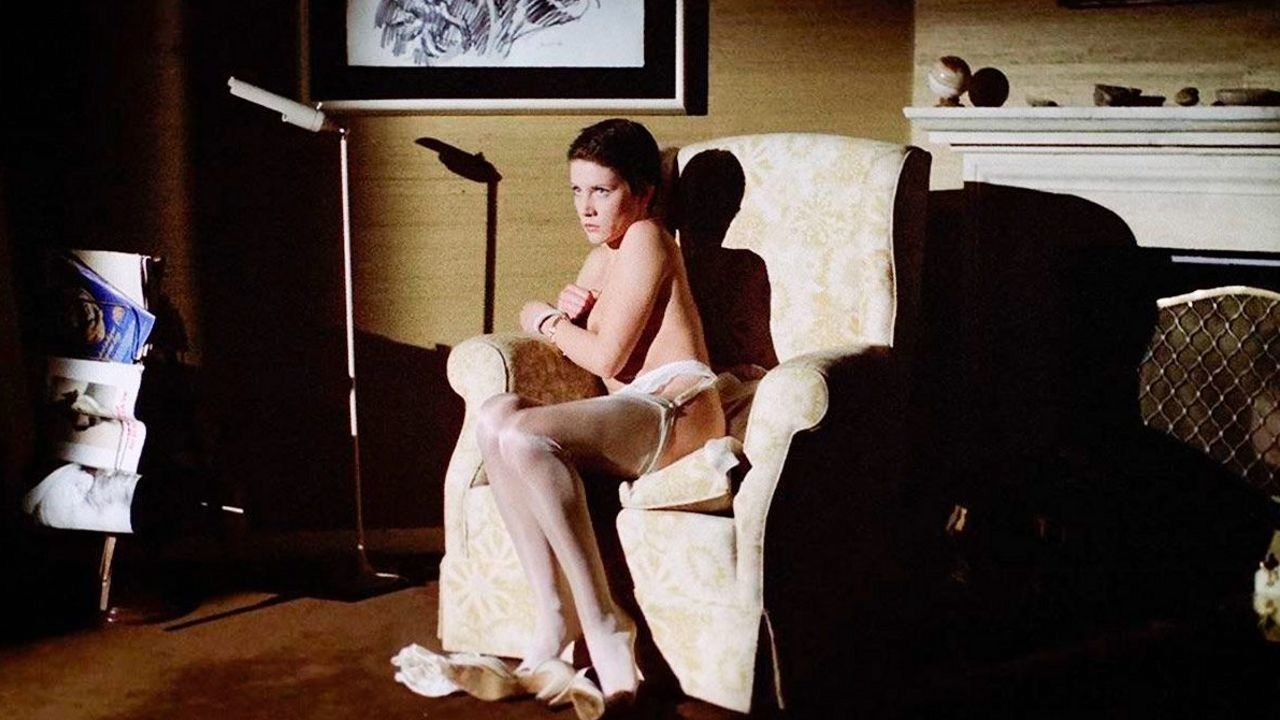
It's impossible to discuss this film without acknowledging David Hess. His casting is a deliberate, chilling masterstroke. Seeing him here, years after his unforgettable turn as Krug Stillo in Wes Craven's The Last House on the Left, feels like witnessing a terrifying ghost return. Alex is Krug, perhaps mellowed slightly by time but no less capable of sudden, brutal savagery. Hess embodies this role with a terrifying naturalism; his laid-back demeanor makes the explosions of violence feel even more shocking. He even co-wrote and performed the film’s unsettlingly jaunty theme song, adding another layer of disquietude. Rumor has it Hess found the role intensely difficult, a shadow he couldn't easily shake off, much like his experience on Last House. You can almost believe it watching his performance – it feels disturbingly authentic.
Deodato's Theatre of Cruelty
Coming hot off the global firestorm that was Cannibal Holocaust, director Ruggero Deodato brings a similar sensibility here, albeit trading jungle savagery for parlor room terror. There's less graphic gore than you might expect (though it certainly doesn’t shy away), but the psychological torment is relentless. Deodato traps us in the opulent house with these characters, forcing us to watch the slow, agonizing breakdown of civility. The power dynamics shift constantly, the tension ratcheting up with every cruel game, every veiled threat, every moment of humiliation. Shot quickly and reportedly on a tight budget (around $500,000 USD, a pittance even then), the film has a raw, unpolished energy that enhances its grim realism. There’s a palpable sense of claustrophobia, amplified by the single location setting. The story goes that Deodato aimed to make a statement about class conflict, the animalistic nature lurking beneath societal veneers – whether it succeeds or simply wallows is up for debate, but the intent feels present in the film's oppressive atmosphere.
Partners in Menace
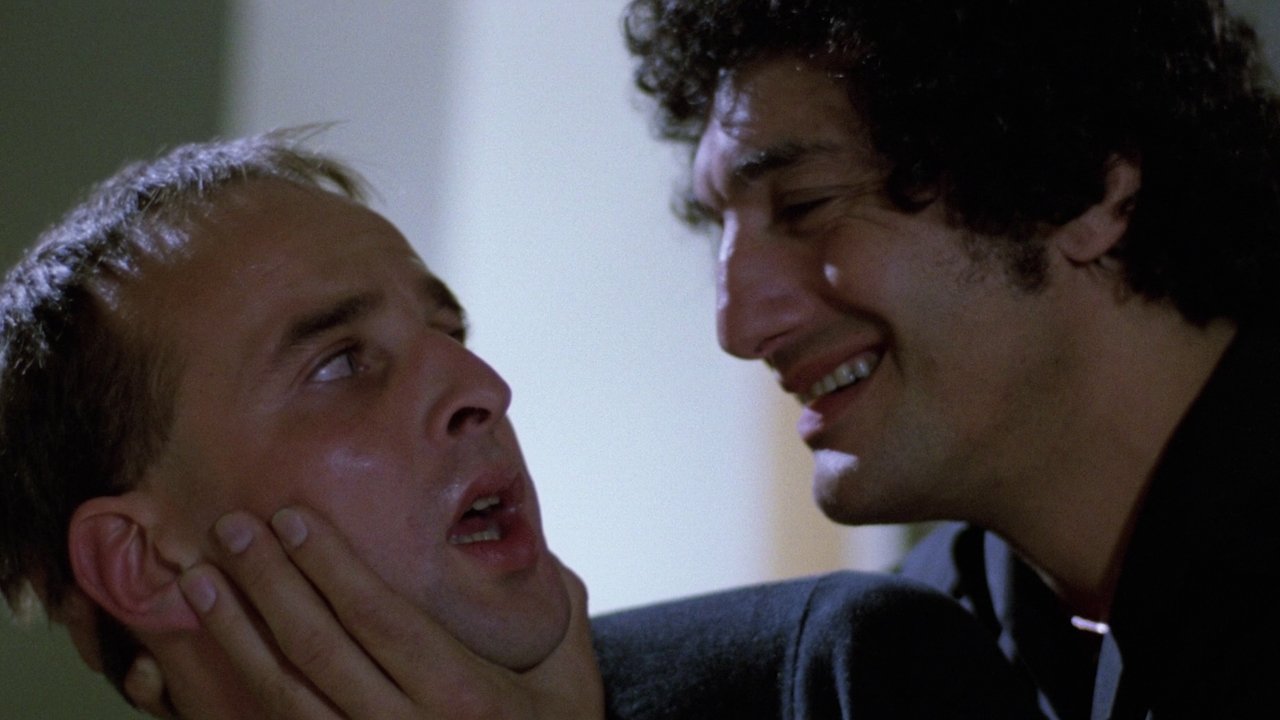
Alongside Hess, Giovanni Lombardo Radice delivers a performance that’s pure nervous energy and unpredictable volatility. Ricky is the ostensibly weaker link, yet his desperation and psychosexual hang-ups make him just as dangerous, perhaps even more so, than the calculating Alex. Radice became a fixture in Italian horror, known for his often gruesome on-screen demises in films like Fulci's City of the Living Dead and Cannibal Ferox, but here, he gets to inflict the suffering, and he does so with unnerving conviction. The interactions between Hess and Radice feel horribly real – a toxic codependency built on fear and shared darkness. Annie Belle, as one of the unfortunate hosts, navigates a difficult role, primarily reacting to the escalating terror.
A Notorious Reputation Earned
House on the Edge of the Park quickly gained infamy, particularly in the UK where it landed squarely on the notorious "Video Nasties" list compiled by the Director of Public Prosecutions, leading to its ban and seizure alongside films like The Driller Killer and I Spit On Your Grave. Renting this tape felt like an act of rebellion, whispering about its content with friends who’d dared to watch it. Did that forbidden allure enhance the viewing? Absolutely. It felt dangerous because, in a very real sense within the cultural context of the time, it was considered dangerous media. That reputation clings to it still, marking it as a particularly potent dose of 80s exploitation cinema.
The Unsettling Aftertaste
The film culminates in a twist that attempts to re-contextualize the preceding horror. (Spoiler Alert! Though I'll tread lightly). Whether this final reveal elevates the material or feels like a cheap shot is a long-standing point of contention among fans. For me, it adds another layer of bleakness, suggesting that cruelty isn't just the domain of the disenfranchised invaders but can fester just as virulently beneath the polished surfaces of the privileged. It doesn't necessarily redeem the ugliness, but it complicates it in a way that lingers.
---

Rating: 6/10
Justification: House on the Edge of the Park is a genuinely unpleasant and uncomfortable film, and that’s entirely by design. It achieves its goal of creating dread and showcasing human brutality with chilling effectiveness, largely thanks to the powerhouse performances of Hess and Radice and Deodato's unflinching direction. However, its relentless bleakness, exploitative nature, and thin plot keep it from being a genuinely great film, landing it firmly in the realm of challenging cult horror. The low budget shows, and the twist, while memorable, doesn't entirely land for everyone. It earns its score for its raw impact and historical notoriety within the VHS era, rather than sophisticated filmmaking.
Final Thought: This isn't a film you "enjoy" in the traditional sense. It’s a cinematic endurance test, a grimy, disturbing artifact from the height of exploitation filmmaking that still has the power to get under your skin. For fans of raw 80s horror and the specific brand of menace David Hess could conjure, it remains a grimly fascinating, if deeply uncomfortable, watch. Definitely not one for the faint of heart, even decades later.