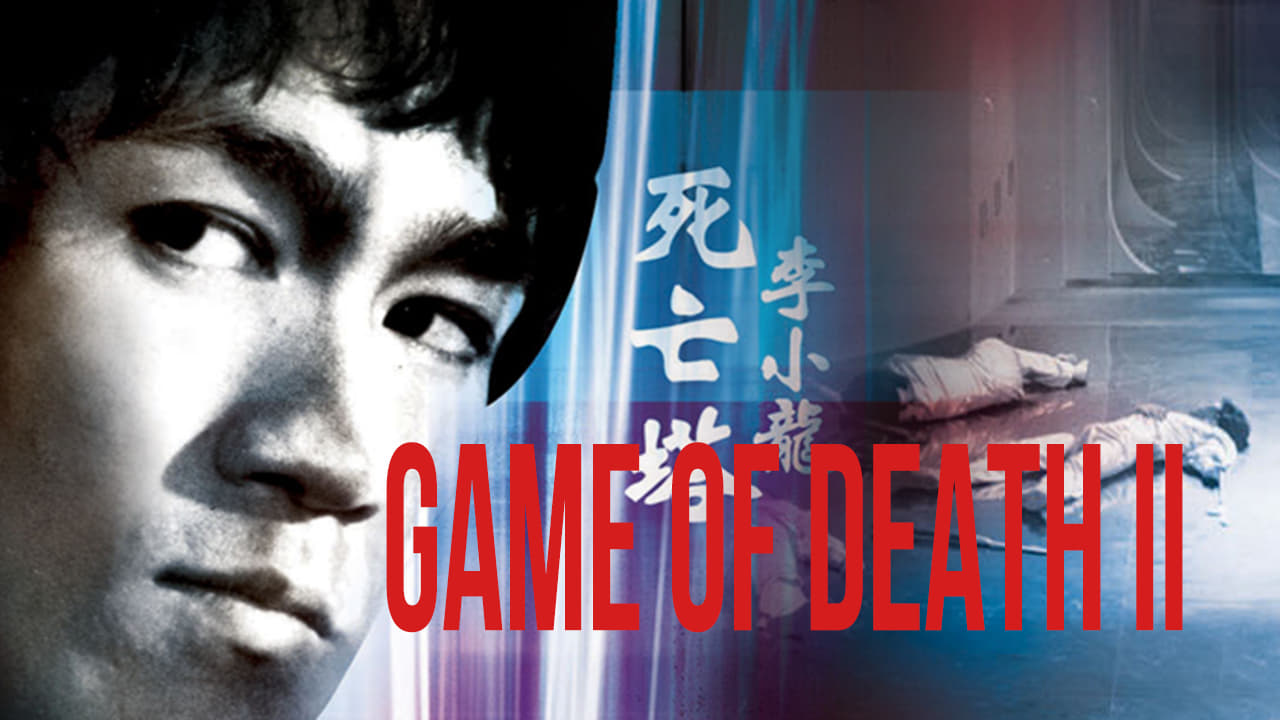
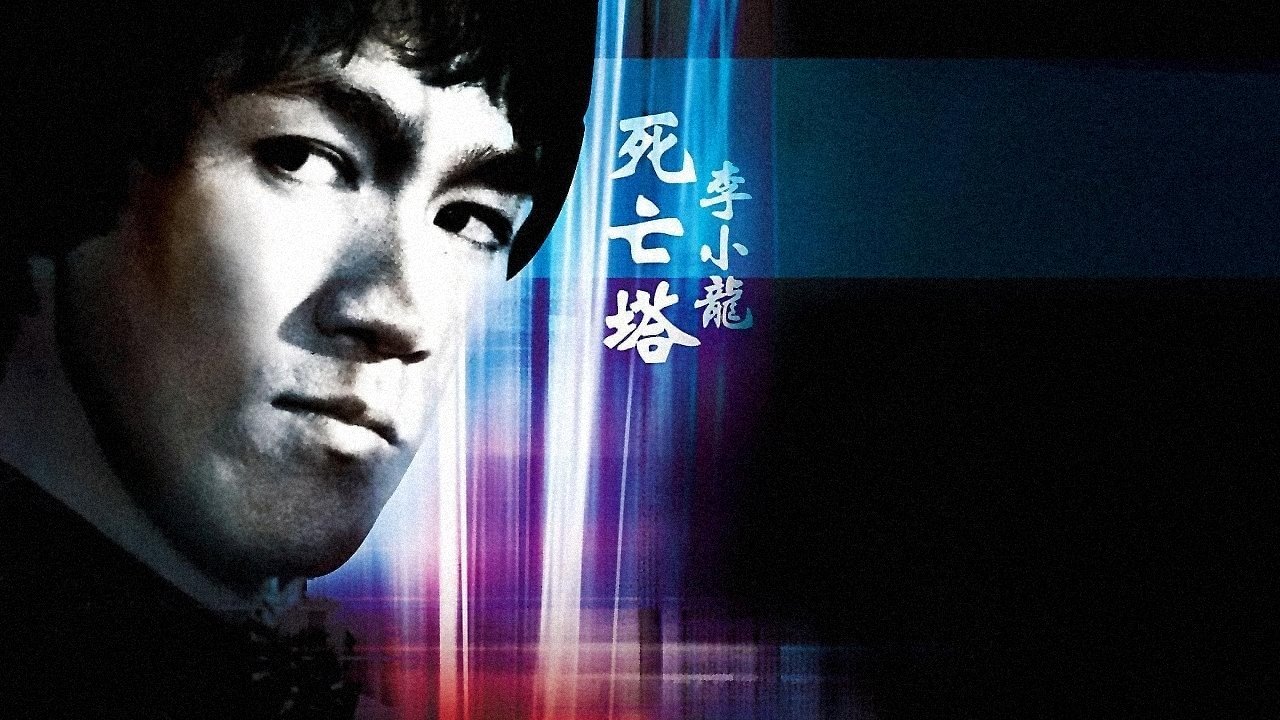
Alright, fellow tapeheads, slide that worn-out cassette into the VCR, maybe give the tracking knob a little tweak, and let's talk about one of the stranger artifacts from the golden age of video rentals: 1981's Game of Death II, also known to many of us under the arguably cooler title, Tower of Death. This wasn't just a movie; it was practically an urban legend whispered about in schoolyards and video store aisles – a new Bruce Lee film, years after his tragic passing? The reality, as we discovered popping this into our machines, was something far weirder, cobbled together with the kind of brazen recycling that only the Hong Kong film industry of the era could pull off.
### Resurrecting a Legend (Sort Of)
Let's be honest, the main draw – and the central gimmick – was the promise of more Bruce Lee. The film opens with Billy Lo (Lee's character from the original Game of Death, though continuity is… fluid) investigating the death of a friend. We get tantalizing glimpses of the man himself, mostly achieved through repurposed footage – eagle-eyed fans will spot outtakes from Enter the Dragon (1973), particularly the greenhouse sequence, cleverly edited in. And then there’s that scene: the filmmakers infamously spliced in footage from Bruce Lee's actual funeral. It felt ghoulish then, and it feels even more questionable now, a stark reminder of the film's exploitative DNA.
After these initial scenes establish a mystery involving a suspiciously skilled martial artist friend and a potential conspiracy, Billy Lo himself meets an untimely demise (off-screen, naturally). The torch is passed to his brother, Bobby Lo, played by Tong Lung (real name Kim Tai-chung). Now, here's a neat piece of trivia: Tong Lung was actually one of Bruce Lee's stand-ins for the fight sequences filmed for the original Game of Death project back in '72-'73. So, in a way, there's a strange kind of continuity, even if it involves a different actor playing a different character meant to evoke the original star.
### Enter the Real Action Stars
Once the film shifts focus to Bobby Lo seeking vengeance and answers, it arguably finds slightly firmer footing, becoming less a séance trying to conjure Bruce Lee and more a standard, albeit enjoyably convoluted, early 80s Hong Kong action flick. Bobby travels to Japan, encountering suspicious characters and eventually discovering the mysterious Fan Yu temple, which hides the titular Tower of Death – an underground fortress where nefarious deeds occur.
This is where the real action talent gets to shine. Forget the awkward Bruce Lee cutaways; the fights featuring Tong Lung and, more importantly, the legendary Hwang Jang-lee are the reason this tape got rewound back in the day. Hwang, often called the "King of Leg Fighters," plays Chin Ku, the master of the Fan Yu temple and the film's primary antagonist. His screen presence is immense, radiating cold menace, but it's his kicking ability that truly astounds. Remember those scenes? The speed, the precision, the sheer height of those kicks – it felt utterly superhuman before wire-fu and CGI smoothed everything out. Seeing him unleash flurries of high kicks that looked genuinely dangerous was electrifying. You believed every potential impact could shatter bone. This was raw, physical performance, captured with that slightly frantic energy characteristic of Hong Kong action cinema.
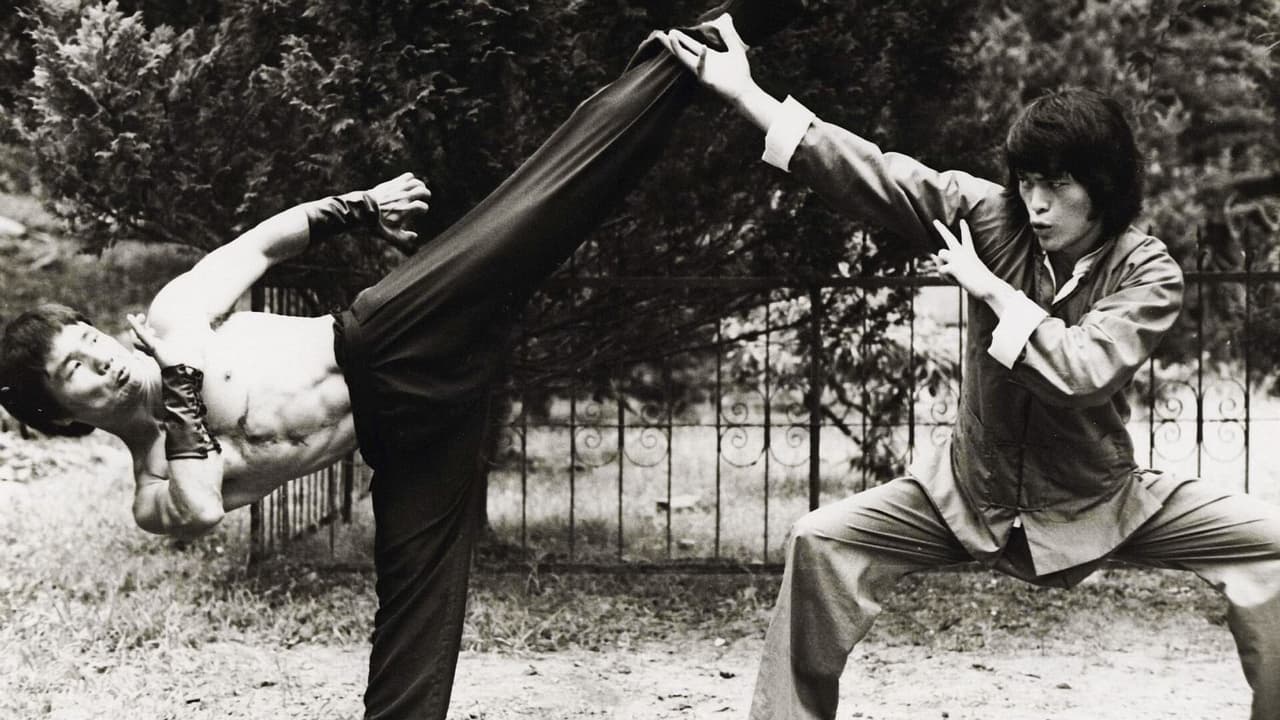
The action choreography, some handled by the great Corey Yuen (who would later direct stateside hits like The Transporter (2002)), delivers the goods. It's pure practical stunt work: bodies hitting the ground hard, real falls, intricate weapon fights (especially in the underground tower finale), and that satisfyingly crunchy sound design that made every blow feel substantial. Compared to today’s often weightless digital action, there's a visceral quality here that's hard to replicate. Was that lion fight sequence utterly bizarre and maybe a bit cruel-looking? Yes. Did it add to the film's strange, unpredictable charm? Absolutely.
### A Frankenstein's Monster We Couldn't Resist
Directed primarily by Ng See-yuen, a hugely influential figure who produced Jackie Chan's breakout hits Snake in the Eagle's Shadow (1978) and Drunken Master (1978), Game of Death II is undeniably a patchwork affair. The editing is often jarring, desperately trying to stitch together footage from different sources and eras. The plot takes some wild leaps in logic, and the dubbing, as was often the case, adds another layer of unintentional comedy.
Yet, despite its flaws and its ethically dubious origins, there's an undeniable energy to it. It’s a product of its time – an attempt to capitalize on a global phenomenon, built with spare parts and genuine martial arts talent. Finding this on the shelf felt like unearthing a forbidden treasure. It wasn't the seamless Bruce Lee experience the box art sometimes implied, but it was an experience – a sometimes baffling, sometimes thrilling slice of early 80s action weirdness. I distinctly remember renting this from a local store, expecting a lost classic, and getting... well, this. And you know what? I wasn't entirely mad about it.
VHS Heaven Rating: 5/10
The Score Explained: It's a tough one to rate. The shameless exploitation and clumsy construction drag it down significantly. However, the inclusion of the phenomenal Hwang Jang-lee delivering some truly breathtaking kicking displays, coupled with decent fight choreography elsewhere and its sheer value as a bizarre historical artifact of the "Brucesploitation" era, elevates it beyond pure trash. It earns points for the genuine moments of old-school HK action prowess that shine through the Frankensteinian stitching.
Final Thought: Game of Death II is the cinematic equivalent of finding a bootleg cassette tape where someone recorded over half the songs – jarring, ethically questionable, but occasionally hitting a pocket of pure, raw energy that reminds you why you loved the original artist in the first place... even if he barely features. Approach with caution, but appreciate the kicks.