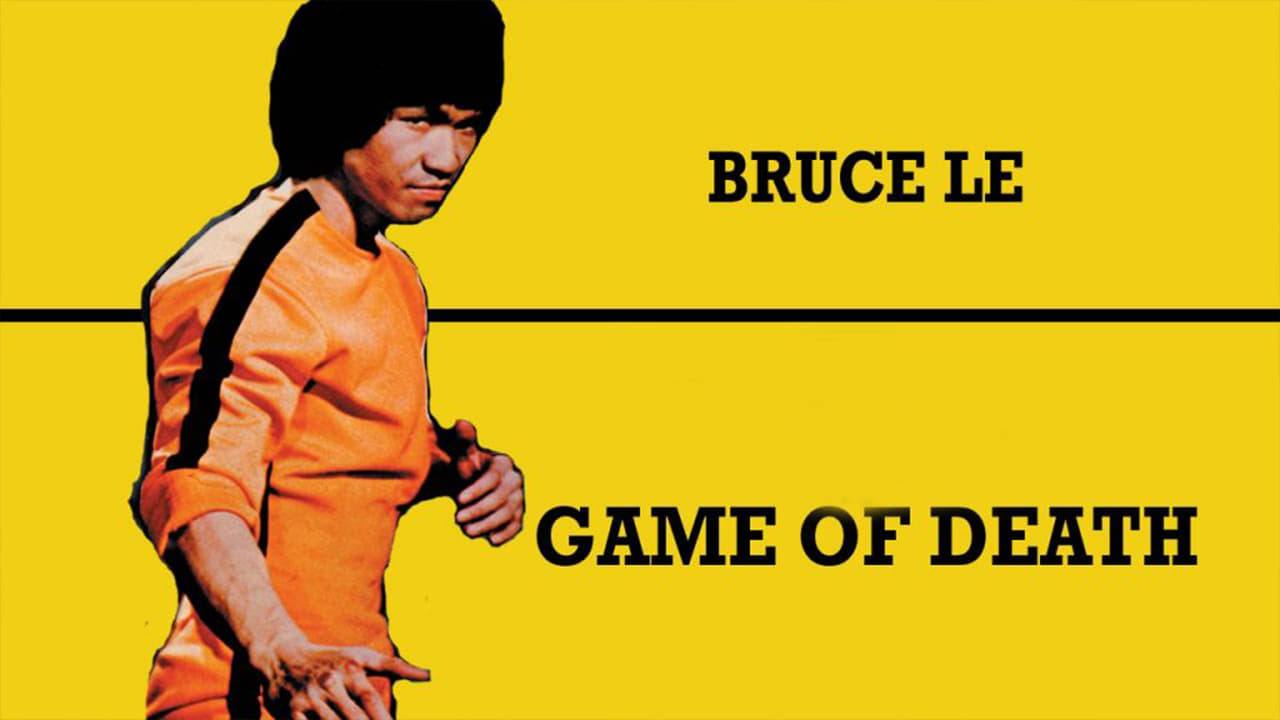
Alright, settle in and adjust the tracking on this one. Remember popping Game of Death into the VCR, maybe late on a Friday night? The anticipation was electric. New Bruce Lee footage! Well, sort of. This 1978 release isn't just a movie; it's a fascinating, sometimes frustrating, and utterly unique piece of cinematic history, assembled from the fragments left behind by a legend gone too soon. It’s a film built around a ghost, and watching it always felt a bit like uncovering a hidden treasure map where half the coordinates are smudged.
Patchwork Perfection? Or Just Patches?
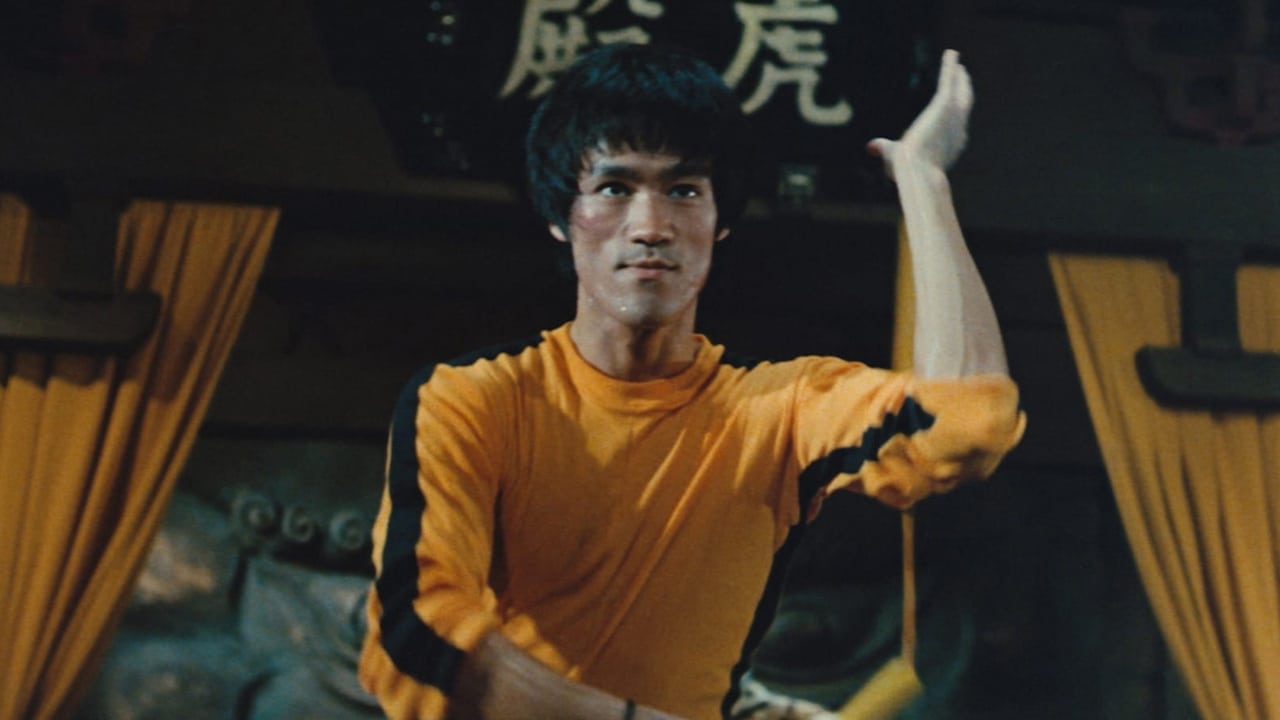
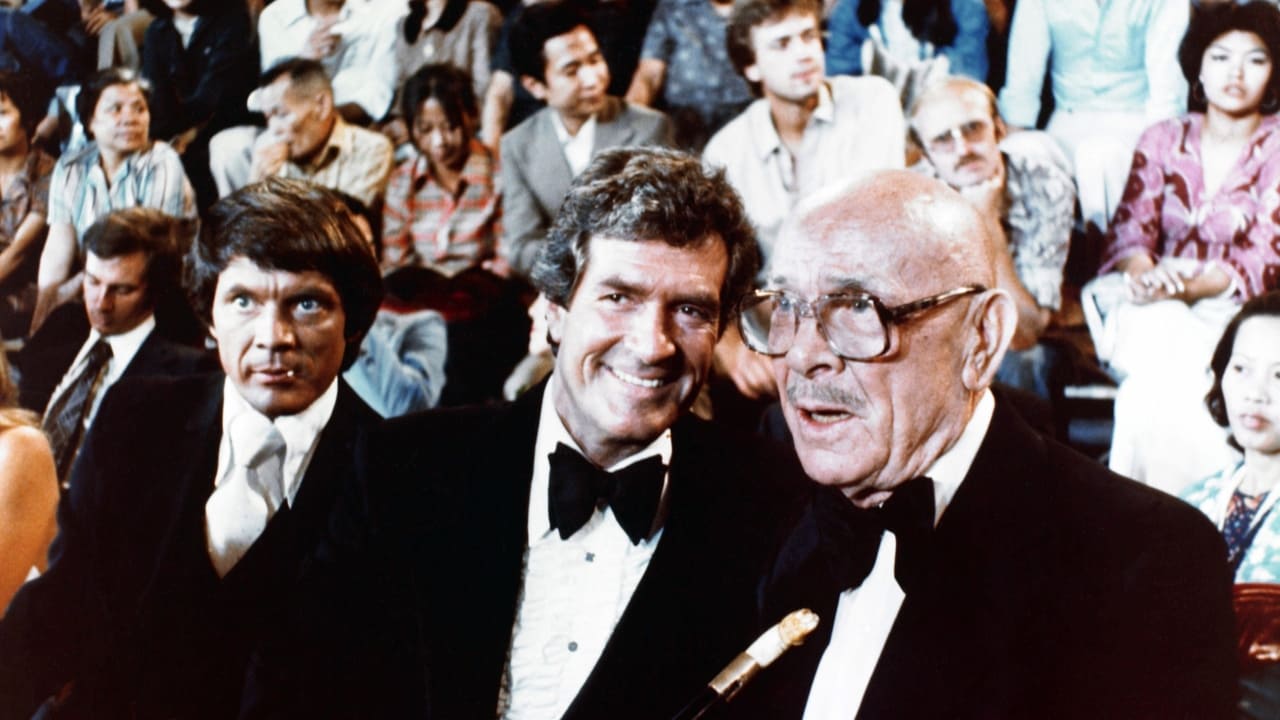
Let's be upfront: the plot cooked up to bridge the gaps around Bruce Lee's tragically limited footage is pure 70s B-movie fodder. Lee plays Billy Lo, a martial arts movie star (sound familiar?) who refuses to join a sinister crime syndicate run by Dr. Land (Dean Jagger) and Steiner (Hugh O'Brian – wait, wasn't he Wyatt Earp?). When Billy fakes his own death after an assassination attempt, he seeks revenge, culminating in a climb through a multi-level pagoda guarded by diverse martial arts masters. It’s… functional. It gets us from A to B, stringing together scenes with obvious body doubles, awkward close-ups of Lee from other movies, and even – infamously – a shot where Lee’s face is literally pasted onto a mirror reflection. You have to admire the sheer audacity, even as you chuckle.
This patchwork approach was director Robert Clouse's monumental challenge. Having directed Lee’s breakthrough Enter the Dragon, he was perhaps the logical choice, but piecing together a coherent film from roughly 40 minutes of Lee’s original fight concepts and narrative required some… creative license. They used multiple doubles, including Kim Tai-chung and even a young Yuen Biao for some stunts. Honestly, sometimes the height difference or the sudden sunglasses indoors are jarringly noticeable, part of the film’s strange, undeniable charm for retro fans. We knew it wasn't all Bruce, but we desperately wanted to believe.
When the Real Dragon Ignites the Screen
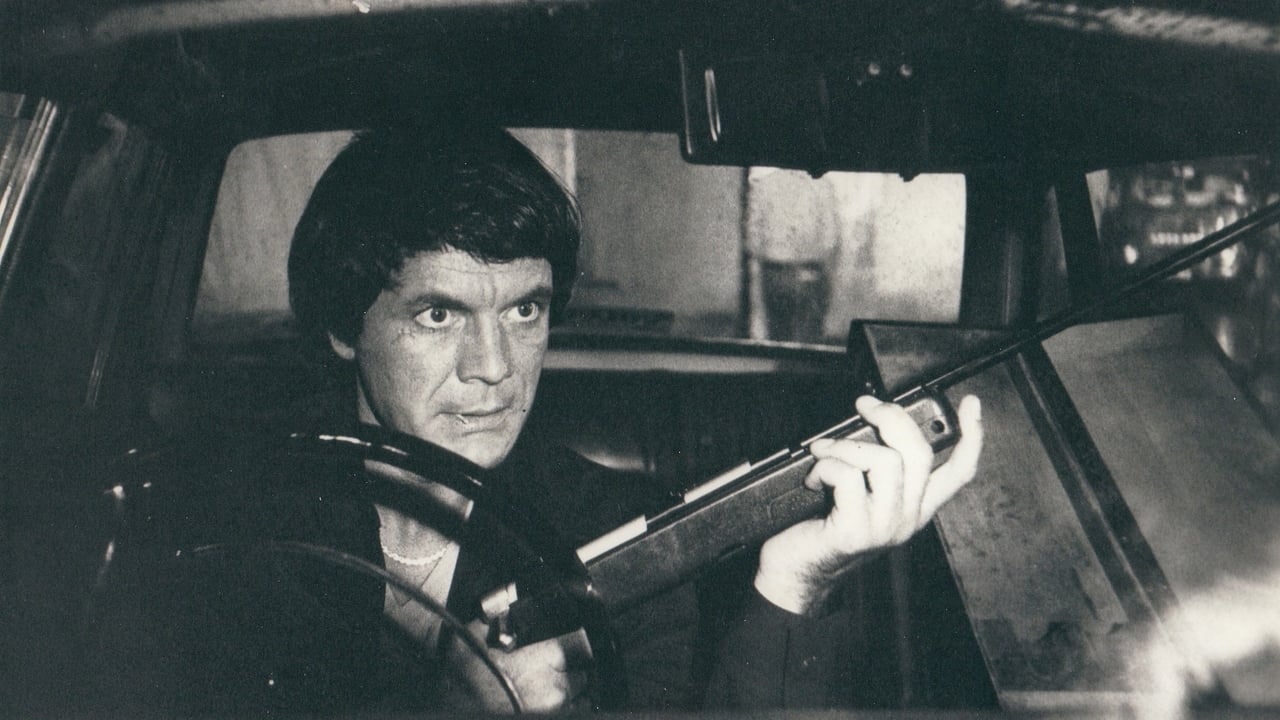
But then… then you get to the final act. The reason anyone rented this tape, the reason it still holds a place in martial arts lore: the pagoda sequence. Suddenly, the fuzzy doubles vanish, the awkward edits cease, and Bruce Lee himself explodes onto the screen in that iconic yellow-and-black tracksuit. This is the footage Lee shot before his death for his original vision of Game of Death, a philosophical exploration of martial arts adaptability. And folks, it is breathtaking.
Forget the smooth, wire-fu enhanced acrobatics of later decades. This is raw, grounded, and unbelievably intense. Lee’s nunchaku battle with Dan Inosanto, his fluid trapping against Hapkido master Ji Han-jae, and finally, the unforgettable clash with the towering Kareem Abdul-Jabbar – it's pure physical poetry. Remember how real those hits looked? The speed was blinding, the choreography intricate yet brutal. Lee wanted to showcase different fighting styles, and even in these edited snippets, you feel the power and philosophy behind each encounter. It’s a tantalizing glimpse of what might have been, showcasing practical fight choreography at its absolute peak. Reportedly, Lee filmed over 100 minutes for his original concept, making the final 15-20 minutes we see here both precious and frustratingly brief.
More Than Just the Fights
While the Lee footage is the main draw, the surrounding 1978 production has its own strange appeal. Seeing established actors like Oscar-winner Gig Young (in his final role) and Dean Jagger navigate this bizarre martial arts plot adds a layer of surrealism. And the score! None other than John Barry, legendary composer for the James Bond films, provides the soundtrack. It’s a smooth, sometimes unexpectedly melancholic score that feels both slightly out of place and weirdly fitting for this cobbled-together elegy. The film was a box office success, riding the wave of Lee's posthumous fame, even if critics were (understandably) divided on the ethics and execution of its completion.
The Verdict
Game of Death is less a coherent film and more a cinematic artifact. It’s undeniably flawed, often clumsy in its attempts to hide its seams, and the story created around the original footage is flimsy at best. Yet, the moments when the real Bruce Lee takes center stage are electrifying, a potent reminder of his unparalleled talent and screen presence. The practical, visceral impact of his choreography feels worlds away from today’s CGI-heavy action scenes. It’s a testament to his power that even these fragments shine so brightly.
Rating: 6/10
The rating reflects the undeniable messiness of the overall production (dragging the score down), heavily counterbalanced by the sheer historical importance and visceral thrill of the authentic Bruce Lee footage (pulling it back up). It's required viewing for Lee fanatics and martial arts historians, but newcomers might be baffled by the jarring shifts.
Final Thought: A fascinating, Frankenstein's monster of a movie, Game of Death is perhaps the ultimate VHS curiosity – flawed, controversial, yet containing moments of action brilliance that flicker as brightly and tragically as the legend himself. It’s a ghost in the tape machine, and sometimes, that’s exactly what you want to find.