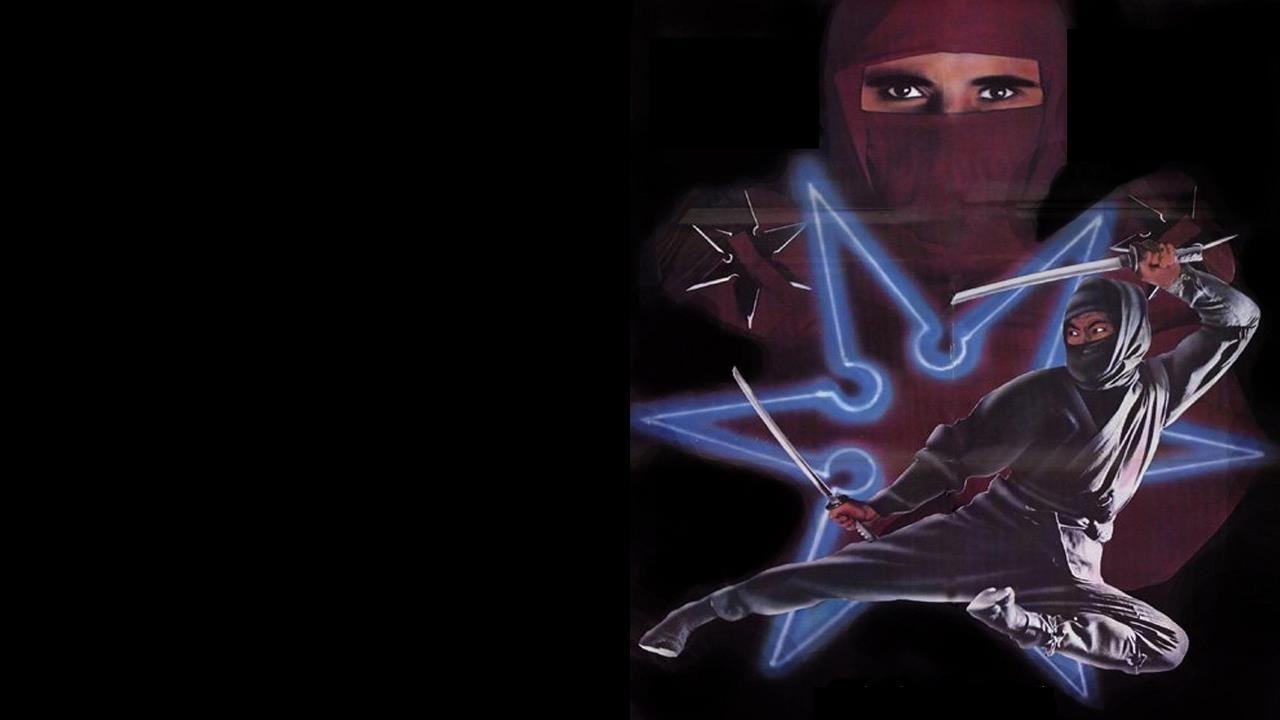
Okay, dim the lights, maybe adjust the tracking just a bit on that imaginary CRT, and let’s talk about a film that practically roundhouse-kicked open the door for the 80s ninja craze in the West. I'm talking about Cannon Films' wonderfully earnest and occasionally baffling 1981 classic, Enter the Ninja. Finding this gem on the video store shelf, often with its slightly worn cardboard sleeve, felt like unearthing forbidden knowledge – the secrets of the silent warrior, delivered with maximum Golan-Globus efficiency.
### The Italian Ninja?
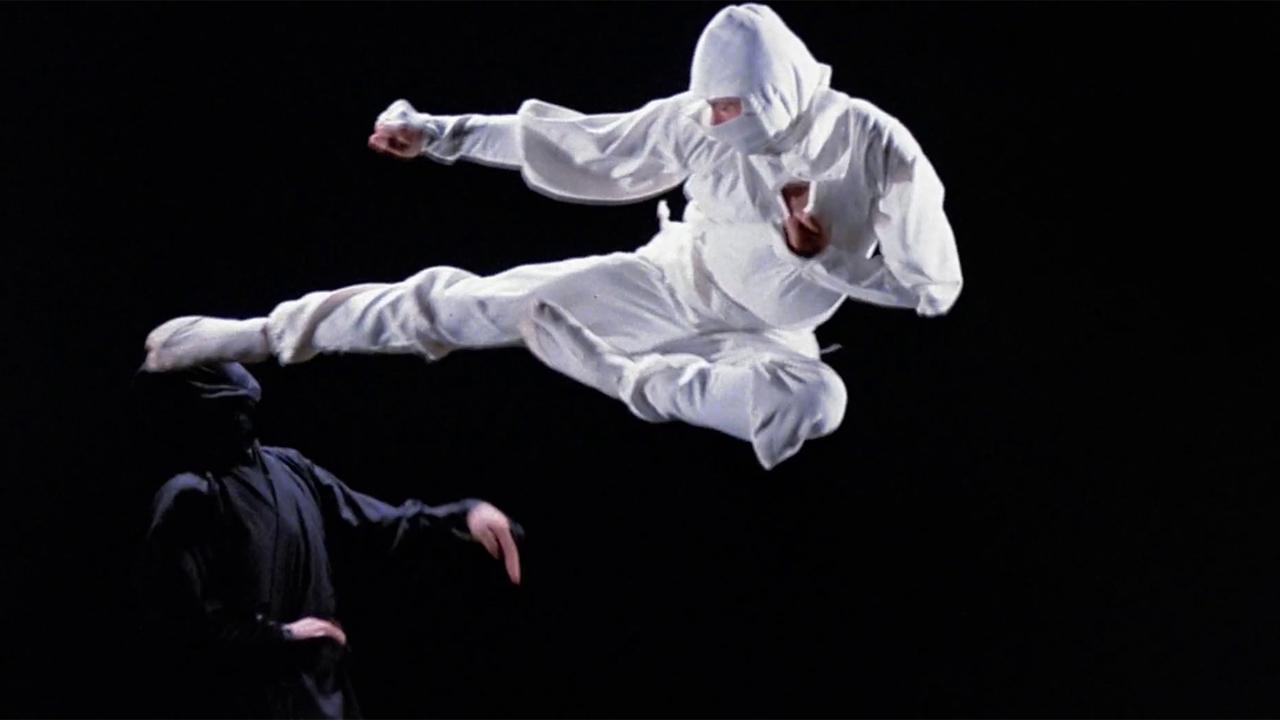
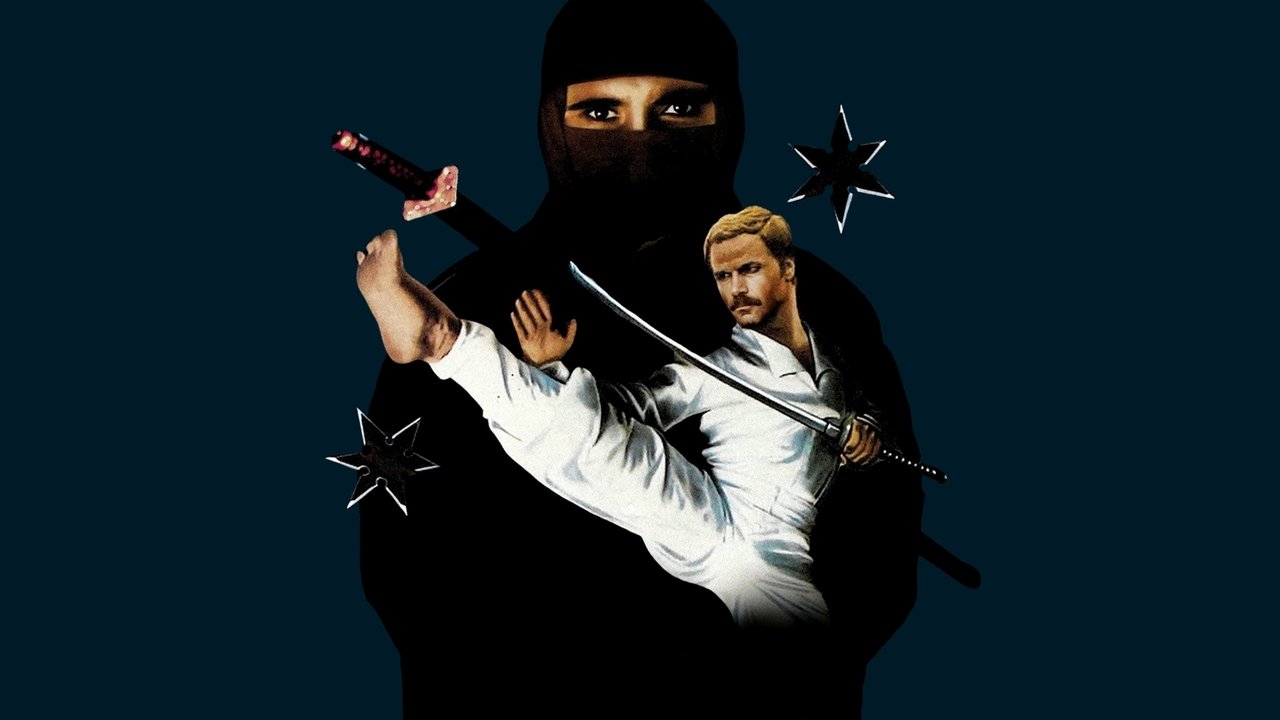
Right off the bat, Enter the Ninja throws you a curveball. Our hero, Cole, the newly minted master ninja, isn't your typical stoic martial artist. He's played by none other than Franco Nero, the legendary Italian actor best known for intense European dramas and iconic Spaghetti Western roles like Django (1966). Seeing Nero, rocking a very prominent mustache beneath his ninja hood, is… something. It’s a casting choice so wonderfully out-of-left-field it circles back around to being awesome. Adding to the delightful strangeness, Nero’s lines were reportedly dubbed by another actor, giving Cole a generic American action hero voice that clashes hilariously with Nero's intense blue eyes and distinctly non-American screen presence. Word has it that Menahem Golan, the director and Cannon Films impresario (one half of the legendary Golan-Globus duo), simply had to have Nero, regardless of martial arts background or accent suitability. That’s the kind of glorious, gut-instinct filmmaking that defined Cannon.
### Ninjutsu vs. Corporate Greed
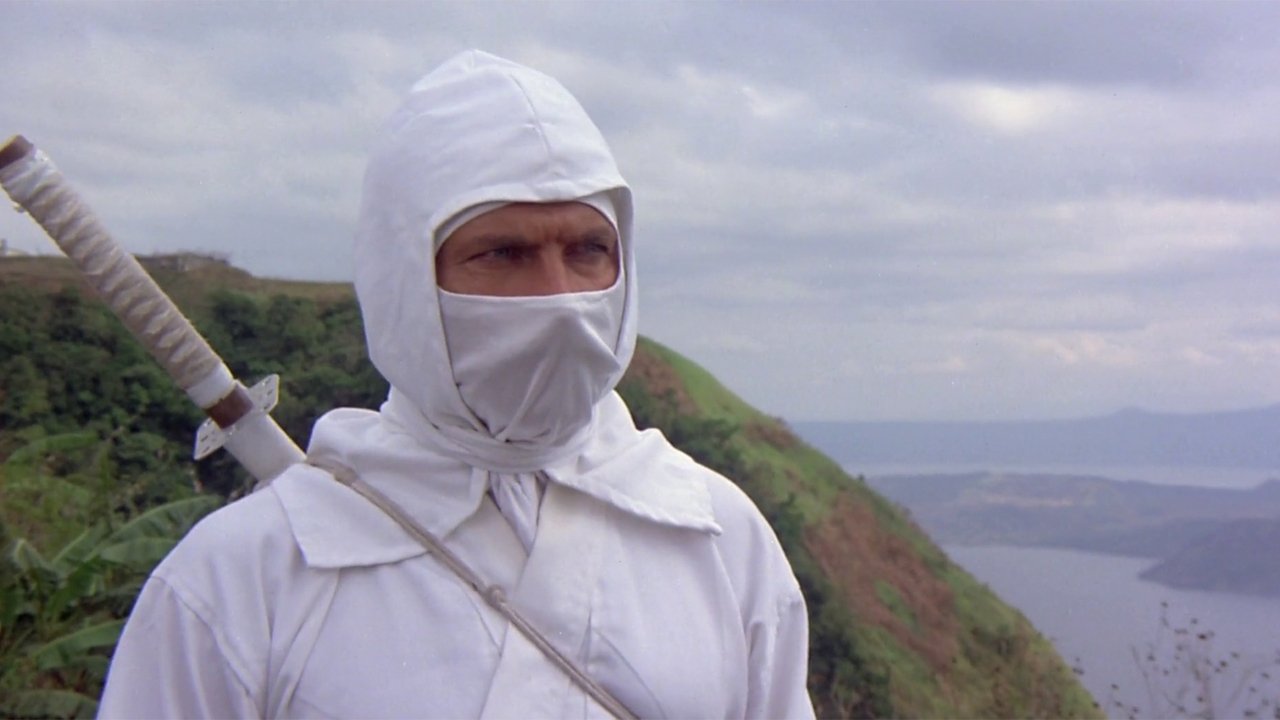
The plot is pure 80s action template: Cole finishes his ninjutsu training in Japan (depicted with surprising reverence, showcasing traditional techniques) and heads to the Philippines to visit his old war buddy Frank Landers (Alex Courtney) and his wife, Mary Ann (Susan George). Frank owns a farm, but wouldn't you know it, a nefarious corporation led by the sneering Mr. Venarius (Christopher George, no relation to Susan) wants the land for its oil reserves. Cue the intimidation tactics, escalating violence, and the inevitable moment where Cole has to unpack his ninja gear. It’s simple, direct, and provides the perfect excuse for Cole to unleash his deadly skills on waves of hapless corporate goons.
### Birth of a Legend: Enter Sho Kosugi
While Nero is the star, the film truly ignites whenever Sho Kosugi is on screen as Hasegawa, Cole’s rival from the ninja school who feels betrayed and seeks vengeance (and eventually aligns himself with Venarius). Kosugi, a genuine martial artist, moves with a speed and precision that feels utterly authentic. You can see why this film, despite being his first major credited role (often initially billed below the less prominent Christopher George!), catapulted him to stardom as the face of 80s ninja cinema, leading to follow-ups like Revenge of the Ninja (1983) and Ninja III: The Domination (1984). His screen presence is magnetic; every time he draws a sword or throws a shuriken, you believe it. Fun fact: The film's initial martial arts coordinator and co-writer was Mike Stone, a real-life karate champion who actually trained stars like Elvis Presley and Bruce Lee. His influence adds a layer of credibility to the fight choreography, even amidst the more outlandish moments.
### Raw, Grounded Action (Mostly!)
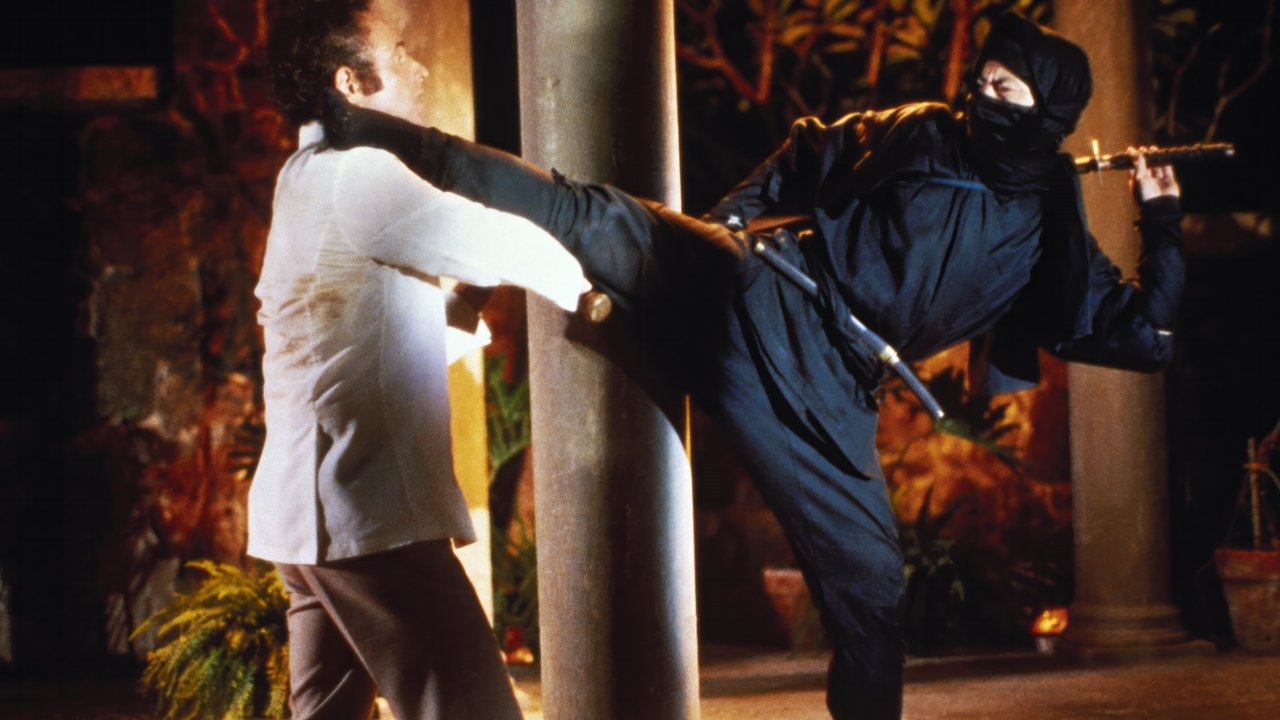
And let's talk about that action. Forget the slick, wire-fu, CGI-heavy fights of today. Enter the Ninja offers something refreshingly tangible. The combat is often grounded, emphasizing throws, joint locks, and weapon techniques that feel genuinely painful. Remember how impactful those scenes felt back then? When Cole dispatches guards using stealth and shadows, or when Kosugi unleashes a flurry of kicks and sword strikes, it felt real because it largely was. Stunt performers were taking hard falls, sword fights had a dangerous clang, and the use of practical ninja tools – smoke bombs, caltrops, grappling hooks – felt inventive and cool. Golan wasn't afraid to show the brutal efficiency of ninjutsu. Sure, the final confrontation involves some… let’s call them bold costume choices (hello, rainbow-colored ninja henchmen!), but the core action retains that gritty, 80s directness. The Philippines locations, standing in for various settings, add to the slightly rough-around-the-edges, B-movie charm that Cannon Films perfected.
### Legacy of the Silent Killer
Enter the Ninja wasn’t exactly a critical darling upon release. Critics scoffed at the plot holes, the sometimes awkward dialogue, and Nero's unconventional casting. But audiences, especially on home video? They ate it up. Made for a reported $1.5 million, it became a significant hit for Cannon, proving there was a massive appetite for ninja action. It arguably codified the "Western ninja" archetype – the outsider mastering Japanese arts – and directly paved the way for countless imitators and the aforementioned sequels (though technically unrelated in plot). It cemented Sho Kosugi as an icon and remains a foundational text for anyone exploring the glorious wave of 80s action B-movies.
VHS Heaven Rating: 7/10
Justification: While undeniably cheesy in parts, hampered by a dubbed lead and some baffling creative choices (the disco ninja fight?), Enter the Ninja delivers exactly what it promises: non-stop, old-school ninja action. Franco Nero's bizarre presence adds unique charm, Sho Kosugi is electrifying, and the practical stunt work and fight choreography have a raw energy often missing today. It's a pivotal film in the 80s action canon and the genesis of the Western ninja craze. Points are docked for the dubbing, uneven plot, and moments of unintentional humor, but its historical importance and sheer entertainment value keep it high.
Final Thought: Rewinding this tape reminds you of a time when ninja were mysterious, deadly, and occasionally sported glorious mustaches – pure, unadulterated 80s action bliss, best enjoyed late at night with the volume up.