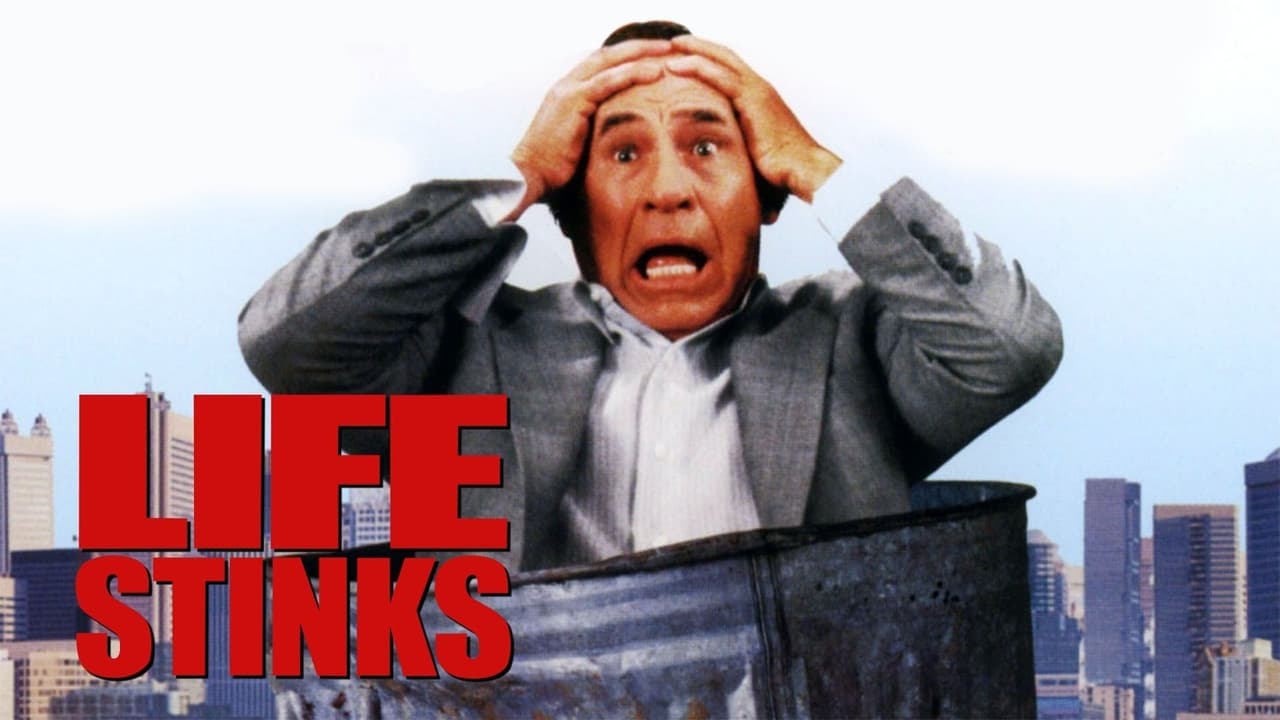
Alright, rewind your minds with me. Picture this: You're browsing the towering shelves of the local video store, the scent of popcorn and plastic clamshell cases in the air. You hit the comedy section, expecting the usual laugh riots, and then you spot it – a Mel Brooks movie you maybe haven't seen as much as Spaceballs or Young Frankenstein. It's Life Stinks from 1991, and the cover promises Brooksian humor, but… something feels different. This wasn't just another spoof; this was Mel trying something else, a social satire wrapped in slapstick, and finding it on VHS felt like unearthing a slightly misunderstood gem.
### From Penthouse to Pavement
The setup is classic fish-out-of-water, cranked up to 11. Mel Brooks, playing the absurdly wealthy and utterly callous CEO Goddard Bolt, makes a ludicrous bet with his equally slimy corporate rival, Vance Crasswell (a perfectly smarmy Jeffrey Tambor, years before Arrested Development). The challenge? Bolt must survive penniless in one of Los Angeles' roughest slums for 30 days. If he wins, he gets development rights to the area; if he loses, Crasswell gets his company. It's a high-concept premise straight out of the late 80s/early 90s playbook, pitting cartoonish wealth against cartoonish poverty.
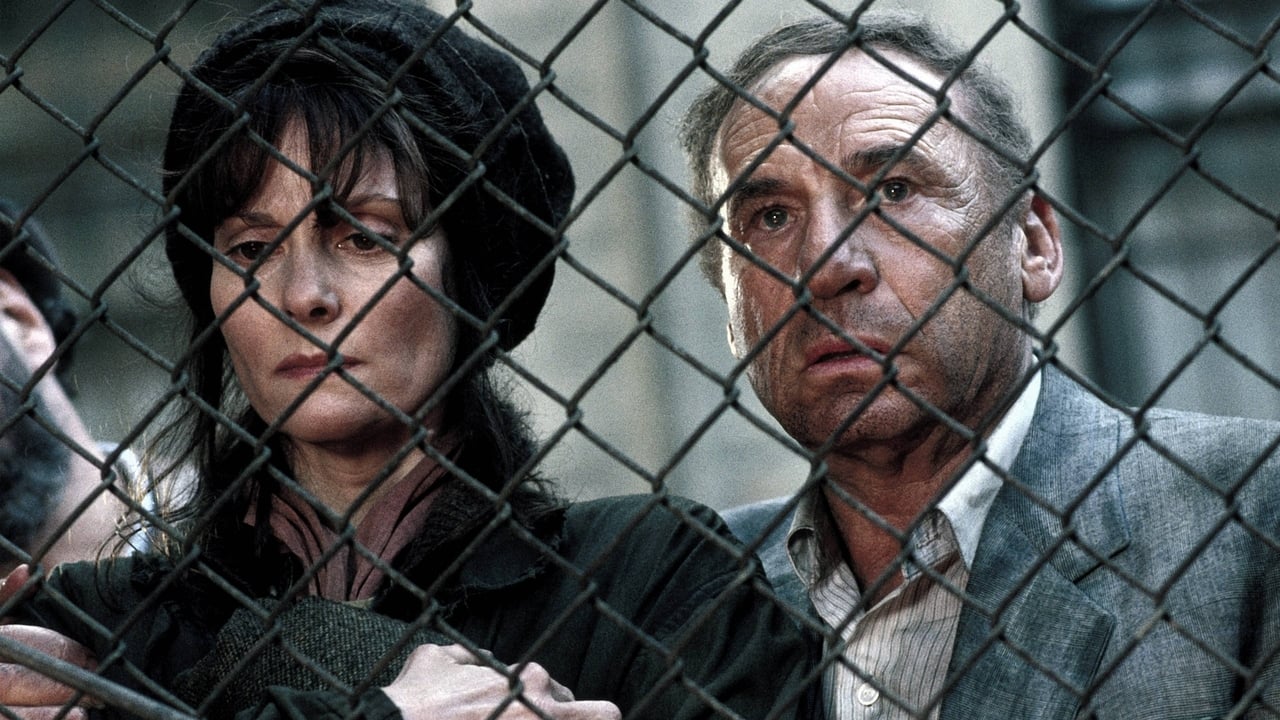
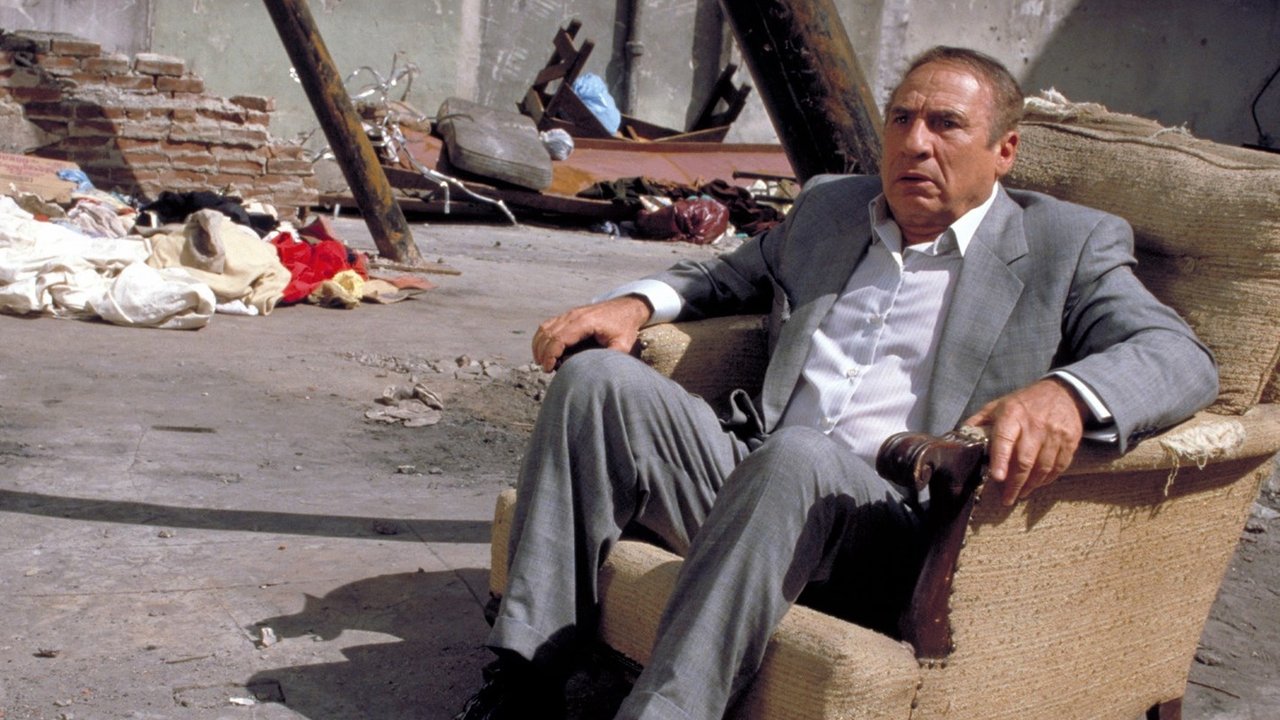
Bolt, stripped of his identity and cash (and hilariously, his toupee early on), finds himself completely unprepared for the harsh realities of life on the streets. This is where the film tries to balance Brooks' signature physical comedy – pratfalls, exaggerated reactions, sight gags – with a genuine attempt at depicting the struggles of the homeless community he encounters. Does it always succeed? Maybe not perfectly, but the effort is fascinating to watch.
### Finding Heart Amidst the Hardship
The crucial turning point, and arguably the film’s strongest asset, is Bolt's encounter with Molly, played with incredible spirit and vulnerability by Lesley Ann Warren. Fresh off memorable roles in films like Clue (1985) and Victor/Victoria (1982), Warren absolutely shines here. Molly is a force of nature – a former dancer, fiercely protective of her fellow street dwellers, and possessing a resilience that Bolt initially can't comprehend. Their relationship forms the emotional core of the film. Warren brings a depth that elevates the material, grounding the sometimes-outlandish comedy and providing a necessary counterpoint to Brooks’ broader performance. Their dance sequence together, amidst the urban decay, is a strangely beautiful, almost surreal moment that sticks with you.
It’s interesting to learn that Brooks, known for his laser-focused parodies, considered Life Stinks a more personal project. Co-written with his frequent collaborators Rudy De Luca and Steve Haberman, along with Ron Clark, the script aimed for something beyond laughs. Filmed partly on location in genuinely rough parts of LA and partly on meticulously crafted studio sets designed to look like urban blight, the film walks a tightrope. It wants to make you laugh at Bolt's ineptitude but also feel sympathy for the plight of the homeless characters, like the philosophical Sailor (Howard Morris, one of Brooks' longtime ensemble players) and the jittery Fumes (Teddy Wilson).
### A Different Kind of Brooks
Directing himself, Brooks navigates tricky territory. The comedy is often broad, leaning into vaudevillian routines that feel like classic Mel. But then there are moments of surprising pathos, attempts to highlight systemic neglect and the simple humanity often overlooked. This tonal balancing act wasn't always appreciated at the time. Life Stinks received a rather lukewarm reception, critically and commercially. Pulling in just over $4 million against a reported $13 million budget, it was a financial disappointment, especially compared to Brooks' earlier smashes. Perhaps audiences weren't ready for a Mel Brooks film that asked them to feel and laugh in this particular way.
Looking back from our VHS Heaven perch, the film feels like a product of its time, certainly. The depiction of homelessness might seem simplistic or even a bit sanitized by today's standards, and the ending wraps things up with a rather convenient Hollywood bow. Yet, there’s an undeniable sincerity to it. Brooks wasn't just making fun; he seemed genuinely invested in the idea that connection and empathy are more valuable than riches – a theme perhaps more resonant now than ever.
### The Verdict on VCR Rewind
Life Stinks isn't peak Mel Brooks parody, and it's not a gritty social realist drama. It’s a curious, often charming, sometimes awkward hybrid. The comedy lands in fits and starts, but the performances, especially Lesley Ann Warren's, are genuinely affecting. The production design effectively creates Bolt's jarring new world, a far cry from the sleek corporate towers he starts in. It’s a film with its heart firmly, if sometimes clumsily, in the right place.

Rating: 6.5/10
Justification: The score reflects the film's undeniable charm and good intentions, particularly Warren's standout performance and Brooks' willingness to try something different. However, it's docked points for its tonal inconsistencies, occasional heavy-handedness, and a premise that feels somewhat dated. It doesn't reach the comedic heights of Brooks' best, nor the dramatic depths it sometimes aims for, but it remains a fascinating and often endearing entry in his filmography.
Final Thought: For fans who only know Mel Brooks for his masterful spoofs, Life Stinks offers a surprisingly sweet, if slightly uneven, chaser – a reminder from the VHS era that even comedy legends sometimes just wanted to tell a story with a little bit of heart, even if life, occasionally, stinks. Worth digging out of the archive for a nostalgic look.