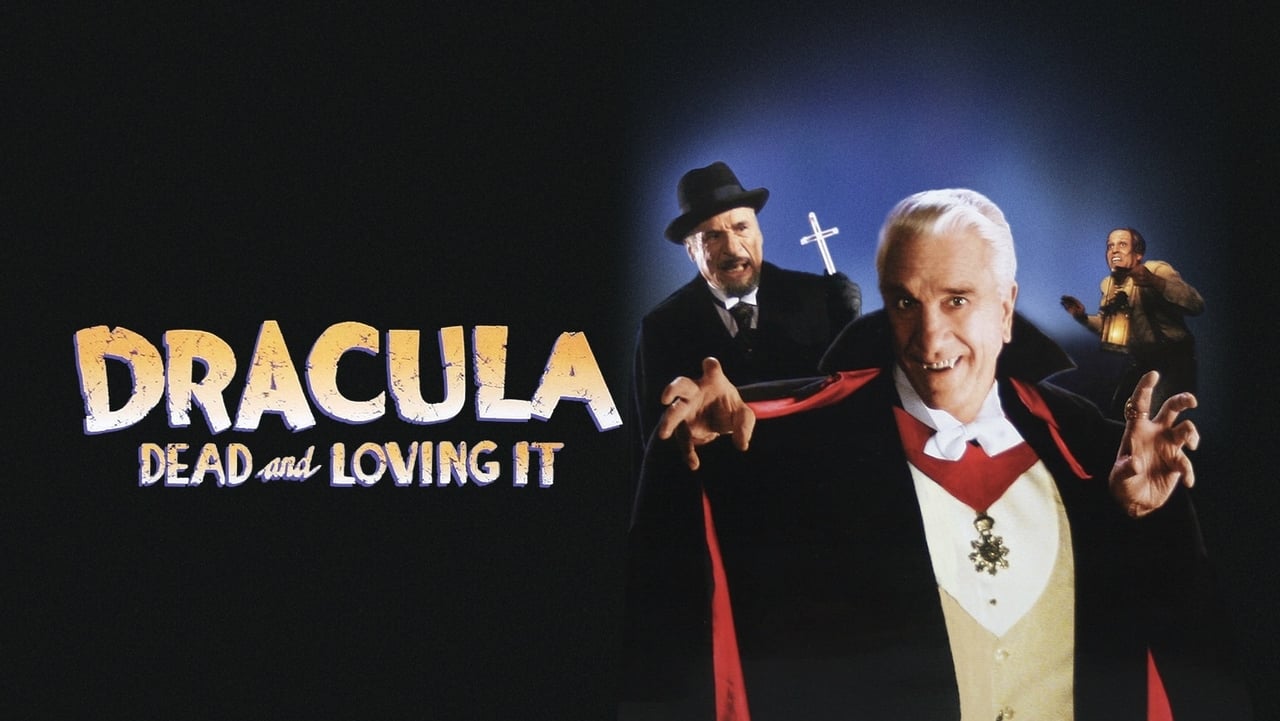
Alright, fellow tape travellers, let's rewind to the mid-90s. Picture this: you're scanning the comedy section at Blockbuster, the fluorescent lights humming overhead. You've seen Spaceballs, you quote Young Frankenstein religiously, and then your eyes land on it – a familiar gothic font, but with Leslie Nielsen's unmistakable silver hair and mischievous grin plastered across the cover. Mel Brooks takes on Dracula? With the king of deadpan himself in the cape? You grab that clamshell case faster than Renfield snatches a fly. That's the feeling Dracula: Dead and Loving It (1995) evokes, a late-career Brooks parody that, while maybe not reaching the stratospheric heights of his 70s masterpieces, still offers a coffin-load of goofy charm tailor-made for a fuzzy CRT viewing.
### The Count of Cracks and Creaks
Let's be honest, following up legendary spoofs like Blazing Saddles or the aforementioned Young Frankenstein (often hailed as one of the greatest comedies ever) is a monumental task. By 1995, the parody landscape had shifted, and Brooks, teaming up again with writers Rudy De Luca and Steve Haberman (a film historian specializing in Universal Horror, which adds a fun layer of expertise!), aimed his satirical stake squarely at Bram Stoker's classic, particularly the lavish Francis Ford Coppola version from 1992. The result is pure, unfiltered Brooksian silliness, powered by the comedic engine that was Leslie Nielsen.
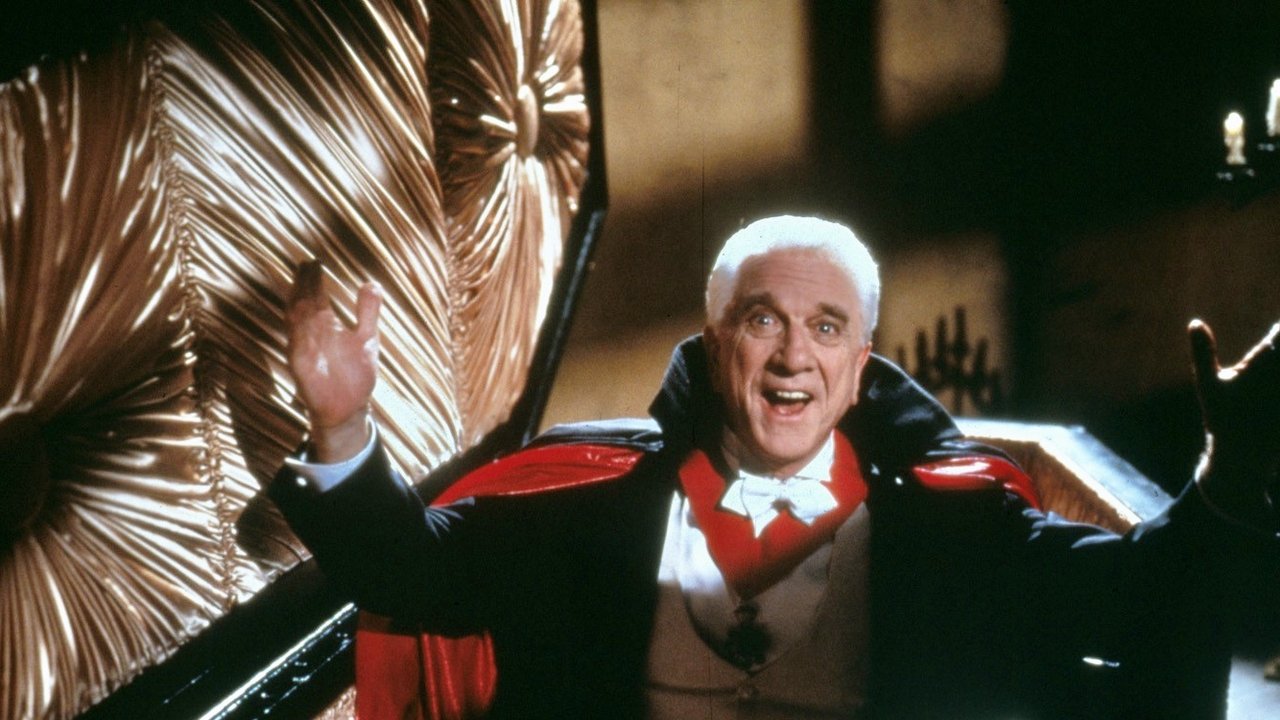
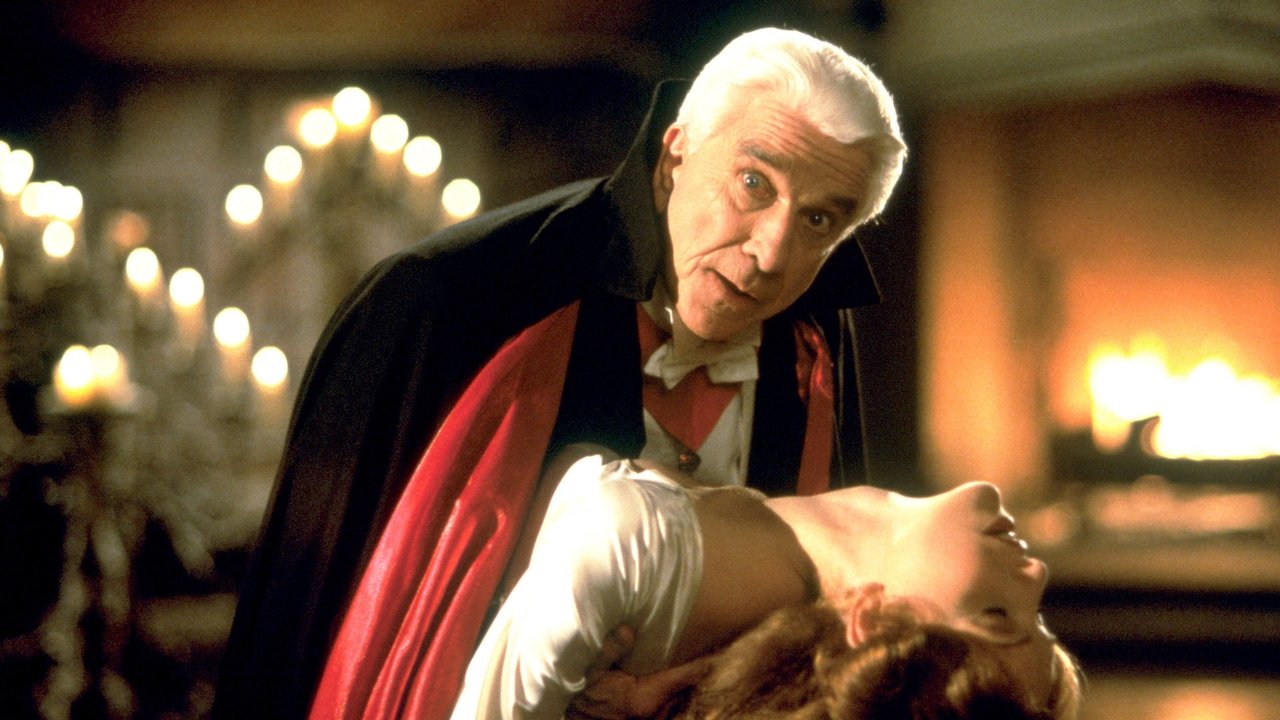
Nielsen, already firmly established as the master of playing absurdity with utter seriousness thanks to Airplane! and the Naked Gun series, is perfectly cast. His Dracula is less menacing, more mildly inconvenienced and prone to slapstick indignities. He glides with aristocratic flair one moment, only to trip over his own cape or splat against a window the next. Remember that gag where his shadow has a mind of its own? Pure comedic gold, executed with that practical, almost vaudevillian timing that feels delightfully old-school now. It wasn't CGI making the shadow dance; it was clever camera work and performance, a hallmark of Brooks's hands-on style.
### Gags, Gore (the Fake Kind!), and Glorious Goofiness
The film leans heavily into visual gags and groan-worthy puns, exactly what you'd expect from Brooks. Some jokes land perfectly – the exaggerated blood sprays during feeding scenes are ridiculously over-the-top, a clear poke at cinematic gore trends. Think fire-hose levels of fake blood, the kind that looked gloriously sticky and messy on VHS. Modern digital blood rarely has that same tactile absurdity. Other gags, like the recurring "Master?" / "Yes?" bit with Renfield, might wear thin for some, but they’re delivered with such commitment, particularly by the scene-stealing Peter MacNicol.
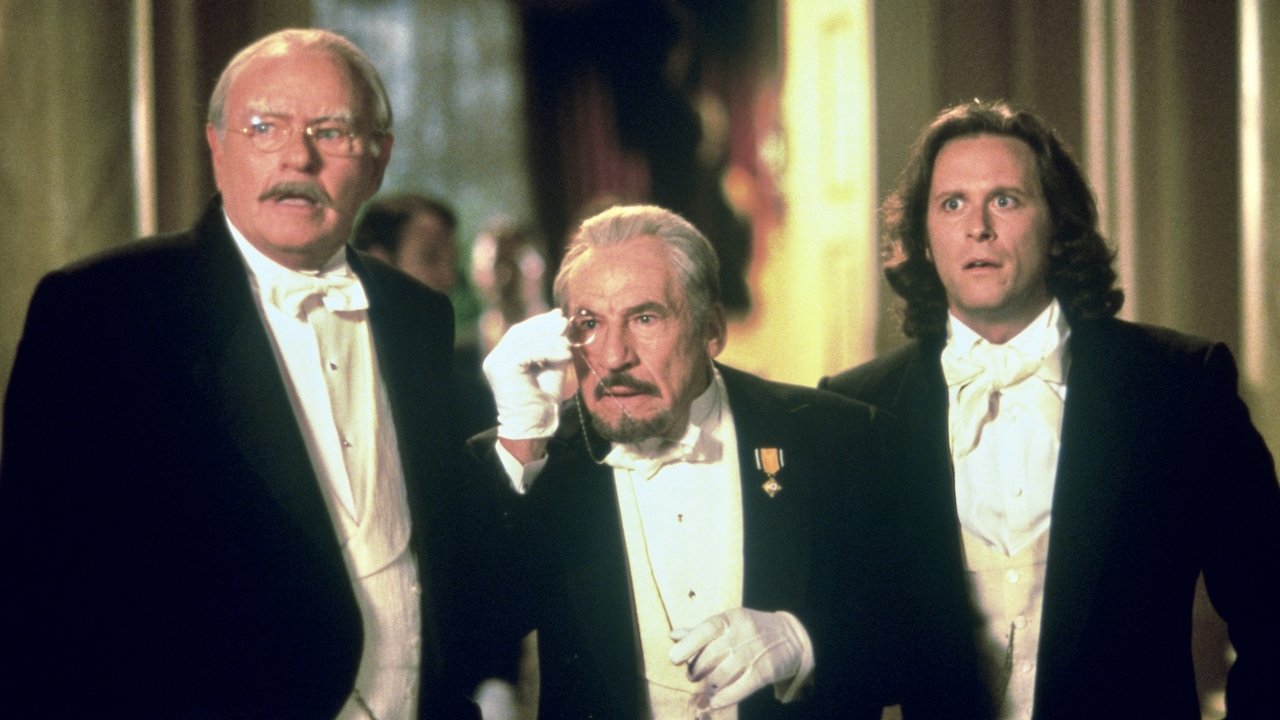
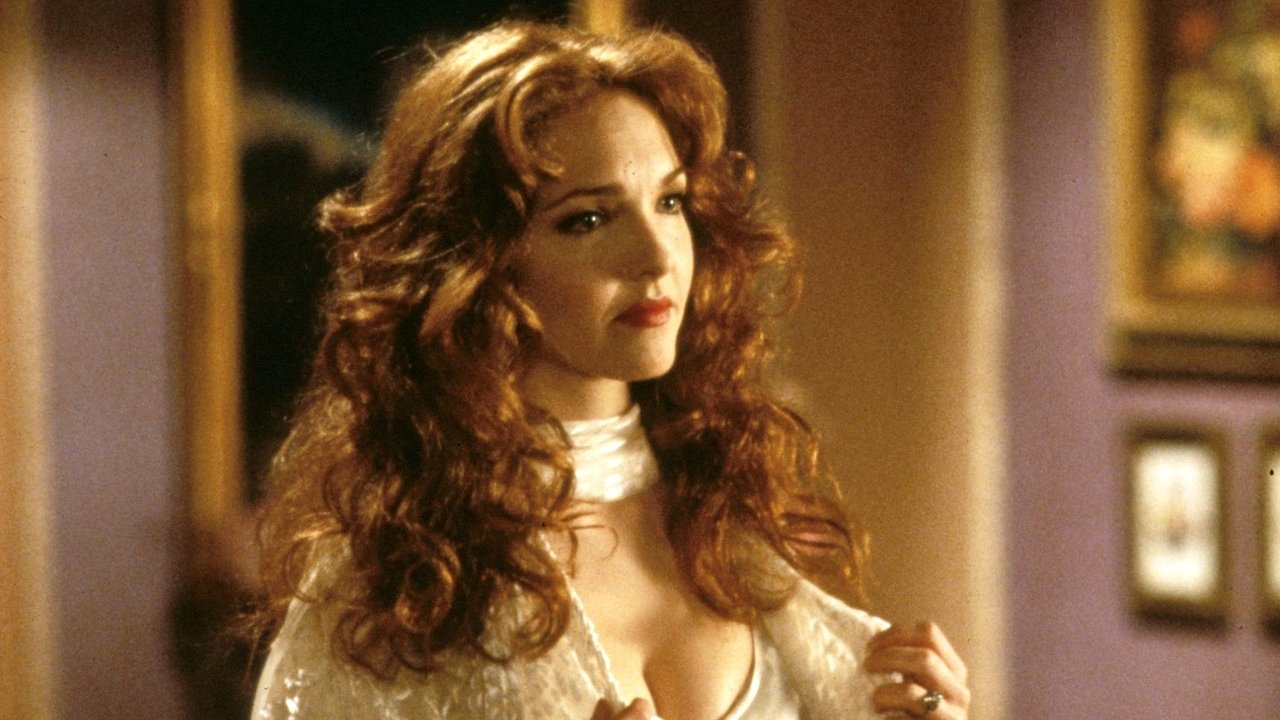
MacNicol's Renfield is a whirlwind of manic energy, bug-eyed devotion, and unsettling dietary habits. He throws himself into the role with gusto, a perfect foil to Nielsen's composed clumsiness. And Mel Brooks himself steps in front of the camera as Professor Van Helsing, bringing his trademark Yiddish-inflected exasperation to the vampire hunter role. His Van Helsing is less intrepid hero, more bewildered academic constantly flustered by Dracula's antics and his own occasionally faulty methods. The ensemble, including Amy Yasbeck as Mina and Lysette Anthony as the rapidly vampirized Lucy, gamely plays along, understanding the assignment is broad, silly, and requires maximum earnestness in the face of utter nonsense.
### More Than Just a Rehash?
While the film lovingly sends up specific Dracula tropes and famous scenes (the arrival at Castle Dracula, the seduction attempts, the stake-driving), it doesn't quite achieve the sublime balance of homage and satire found in Young Frankenstein. Sometimes the jokes feel a bit too obvious, the setups a little too familiar if you know Brooks's playbook. It reportedly had a decent budget (around $30 million), allowing for some impressive gothic sets and costumes that genuinely mimic the look of classic vampire films, but it didn't quite set the box office alight, earning back roughly its budget but failing to become the cultural phenomenon some of Brooks’s earlier work achieved. Critics at the time were somewhat mixed, often comparing it unfavorably to his past glories.
Yet, watching it now, there’s an undeniable warmth to it. It feels like a comfortable old sweater – maybe not high fashion, but cozy and familiar. The commitment to practical gags, the sheer joy Nielsen takes in sending up the stoic Dracula archetype, and the rapid-fire delivery (even when the jokes don't all connect) make it an endearing watch. Did you know Brooks specifically wanted Nielsen because he could play the absurdity straight, a trick Brooks felt was essential after seeing Nielsen in Airplane!? That understanding of comedic performance shines through.
### The Final Bite
Dracula: Dead and Loving It might not be the sharpest stake in Mel Brooks’s comedic arsenal, lacking the consistent genius-level writing of his peak films. However, fueled by a perfectly cast Leslie Nielsen delivering his signature deadpan mastery and Peter MacNicol’s unforgettable Renfield, it’s a thoroughly enjoyable slice of 90s parody. The gags are broad, the puns are plentiful, and the commitment to goofy, practical comedy feels wonderfully nostalgic in today's effects-heavy landscape. It’s like finding that favourite funny tape tucked away at the back of the shelf – maybe a little worn, but guaranteed to raise a smile and a few chuckles.
VHS Heaven Rating: 6/10
Justification: While undeniably funny in parts thanks to Nielsen and MacNicol, the film relies heavily on familiar Brooks tropes and doesn't quite hit the comedic highs or satirical sharpness of his best work. Its reliance on obvious gags and a somewhat looser structure keeps it from greatness, but its charm, cast, and commitment to practical silliness earn it solid points for nostalgic entertainment.
Final Thought: It may not suck the life out of you with laughter quite like Young Frankenstein, but for a dose of Nielsen's deadpan genius wrapped in Brooksian absurdity, Dracula: Dead and Loving It still has just enough bite to be worth resurrecting from the video vault.