The air hangs thick and damp, smelling of coal dust and something far worse – stale blood and a twenty-year-old grudge. Long before the first heart-shaped box arrives, Valentine Bluffs holds its breath, trapped between the memory of a mining disaster and the promise of renewed slaughter. This isn't your typical glossy slasher locale; this is 1981's My Bloody Valentine, a film steeped in the grime and grit of a working-class town where the deepest darkness isn't just underground.

Directed by George Mihalka, this Canadian export carved its own grim niche in the early 80s slasher boom. It eschewed summer camps and suburban streets for the oppressive, echoing shafts of the Hanniger Mine and the worn-down familiarity of a town bracing for a party it perhaps shouldn't be throwing. The legend is simple, brutal, and effective: Harry Warden, a miner driven mad after being trapped during a methane explosion (caused by supervisors eager to get to the annual Valentine's dance), vowed bloody vengeance if the town ever dared celebrate February 14th again. Twenty years later, with memories faded and a new generation eager for revelry, the killings begin anew. Is Harry back, or is someone else wielding the pickaxe?
### Down the Mine Shaft
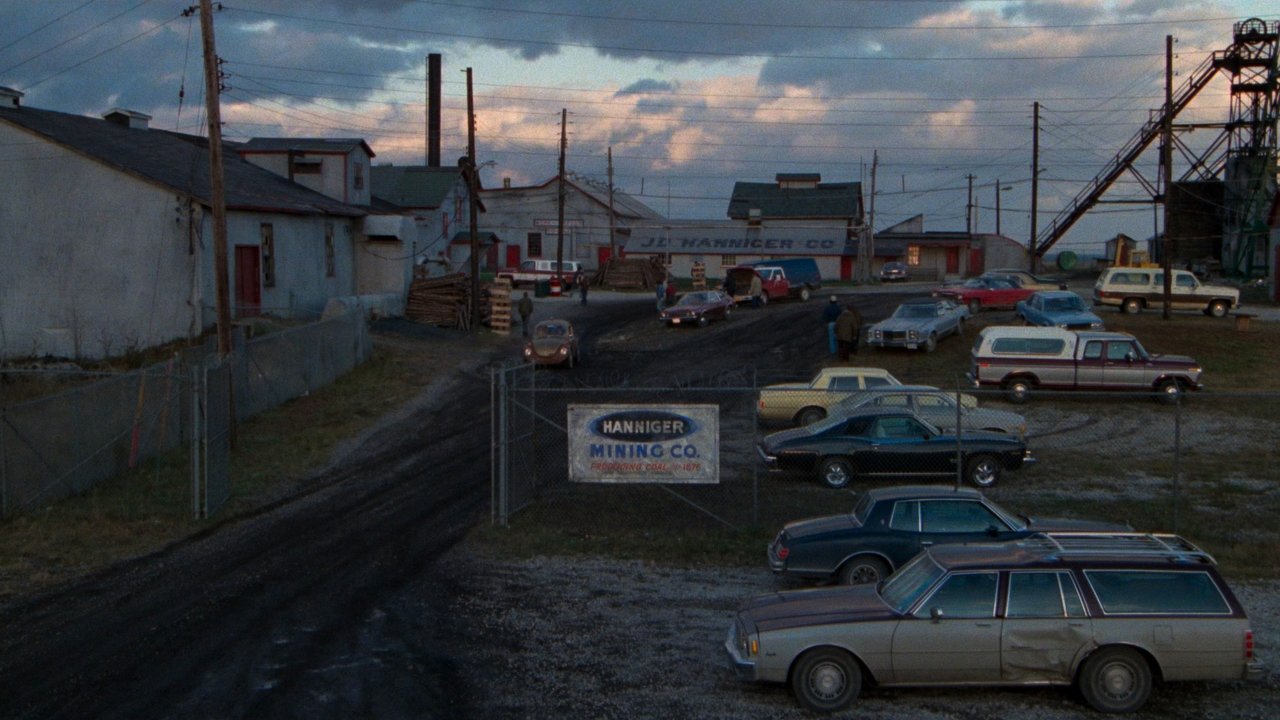
What sets My Bloody Valentine apart, especially viewed through the grainy glow of a CRT, is its commitment to atmosphere. Mihalka and cinematographer Norman Leigh filmed in a real, decommissioned mine – the Princess Colliery in Sydney Mines, Nova Scotia. You can practically feel the chill, the damp seeping into your bones. The labyrinthine tunnels aren't just a setting; they're a character, swallowing light and sound, transforming the familiar mining equipment into instruments of terror. Forget jump scares relying on musical stings; the true horror here is the claustrophobia, the disorientation, the knowledge that escape routes are few and help is far, far away. That authenticity, born from shooting in such a challenging and genuinely hazardous location (cast and crew reportedly faced tough conditions), bleeds onto the screen.
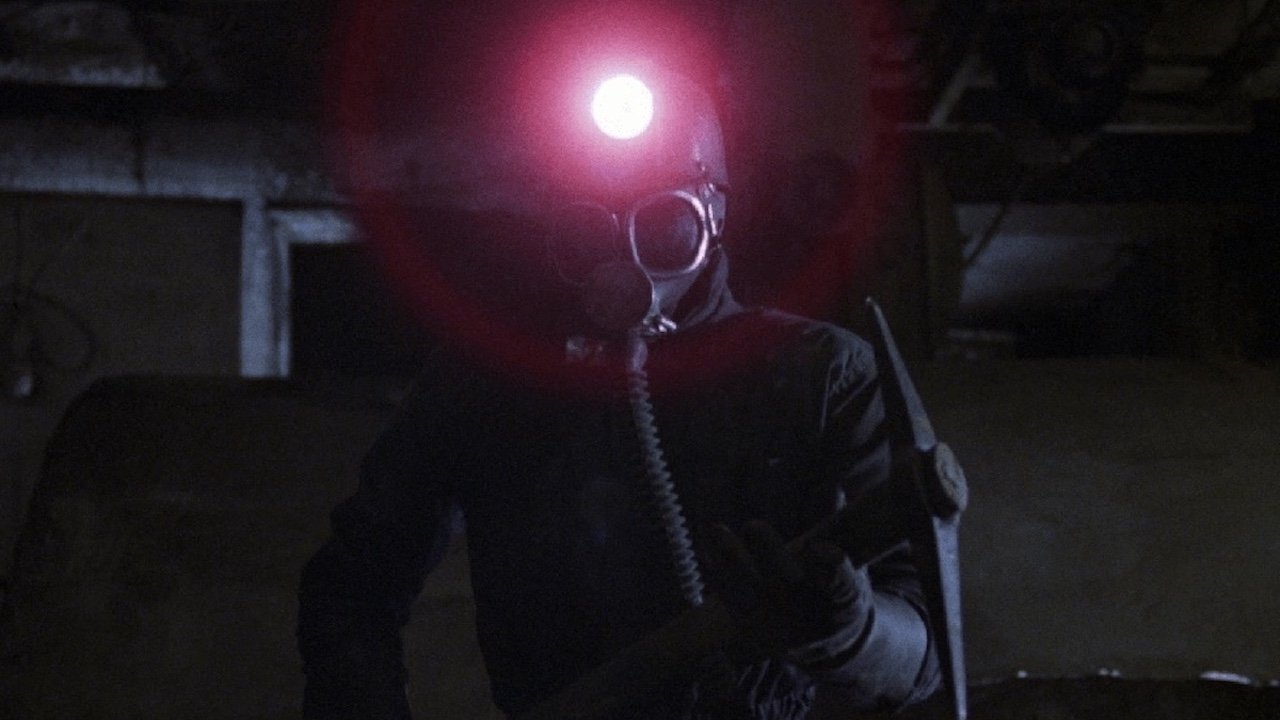
The killer, clad in full mining gear – heavy boots, dark coveralls, face obscured by a gas mask, headlamp cutting through the gloom – remains one of the era's most effective slasher designs. Stripped of personality, relentless, embodying the town's buried trauma, the Miner is terrifying precisely because he feels like a force of industrial-age vengeance sprung directly from the earth. Doesn't that silhouette, glimpsed at the end of a long, dark tunnel, still send a shiver down your spine?
### A Town Dressed in Dread
The film wisely spends time establishing the town and its inhabitants. We get the central love triangle between T.J. (Paul Kelman), Axel (Neil Affleck), and Sarah (Lori Hallier), a dynamic that adds a layer of small-town melodrama and potential red herrings. While the performances are earnest, typical of the era's slashers, they effectively ground the horror. These aren't just anonymous teens; they're young adults tied to the town's fate, their relationships strained under the shadow of the past and the escalating present danger. The supporting cast, particularly the older townsfolk like the bartender Happy (Jack Van Evera), add texture and history, reminding us of the tragedy that started it all.
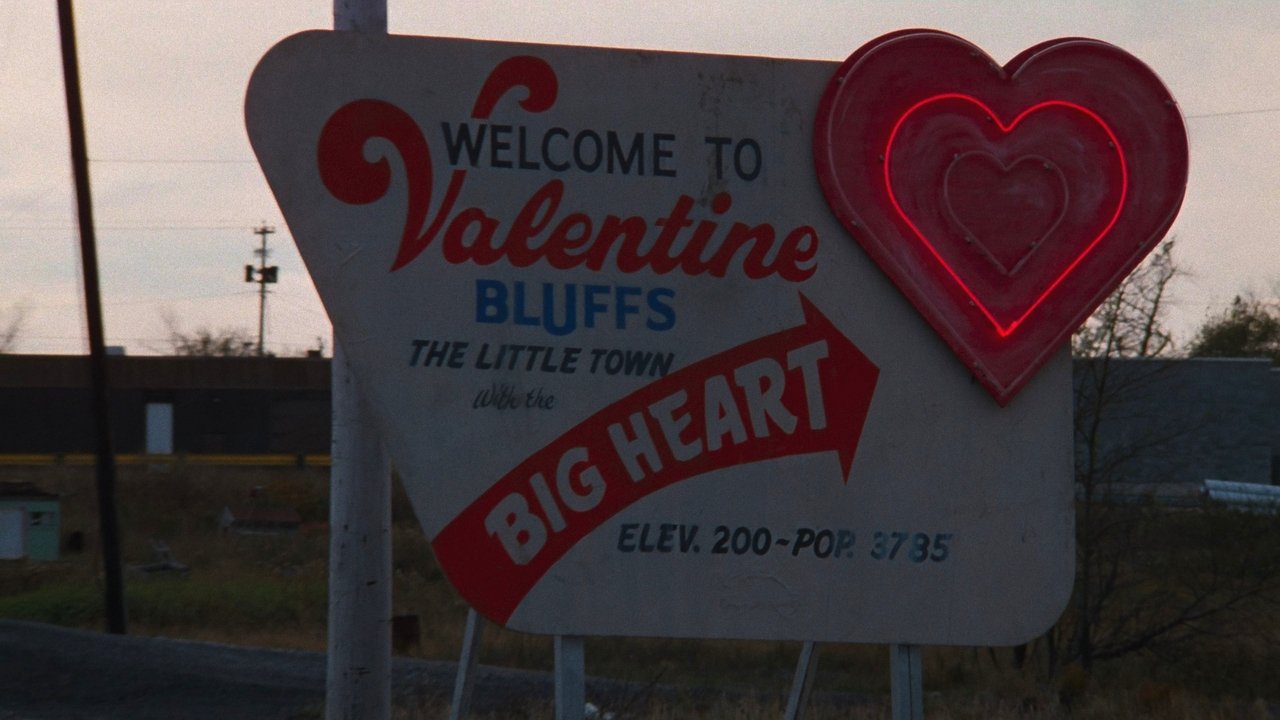
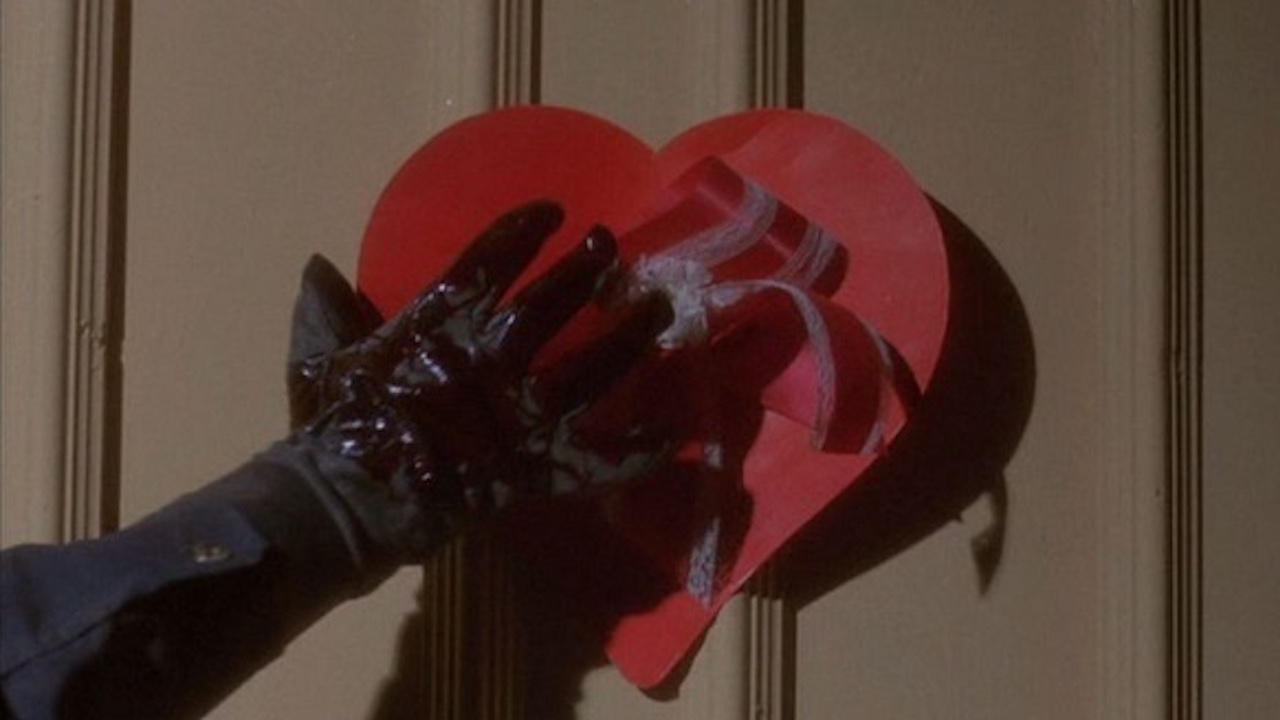
The production design further enhances the feeling of a town slightly out of time, decorated for a forbidden celebration. Red hearts contrast starkly against the dreary industrial backdrop. The infamous scene in the laundromat, with its gruesome discovery hidden amongst the tumbling clothes, perfectly captures this clash of the mundane and the monstrous. It’s moments like these, grounded in recognizable locations twisted into nightmare fuel, that stick with you.
### Cut Short by the Censors
Of course, no discussion of My Bloody Valentine on VHS is complete without acknowledging the elephant in the room: the MPAA. The film became notorious for the sheer amount of graphic violence excised to secure an R rating. We're talking about nearly nine minutes of expertly crafted practical gore effects by Tom Burman (whose impressive credits include work on Invasion of the Body Snatchers (1978) and Cat People (1982)). For years, fans could only imagine the full extent of the pickaxe impalements, the nail-gun horrors, and the infamous head-in-the-boiling-pot sequence.
Discovering the uncut version decades later, often through bootlegs or special edition releases, felt like uncovering buried treasure – albeit gruesome treasure. Seeing the kills as originally intended confirms the film's brutal efficiency. While the theatrical cut remains tense and atmospheric, the restored gore elevates the horror, making the Miner's rampage feel genuinely shocking and unrestrained. It’s a prime example of how censorship, while perhaps well-intentioned, could significantly blunt the impact filmmakers were aiming for back in the VHS heyday. Reportedly made for around $2.3 million CAD, its initial box office (~$5.7 million USD) was modest, but its reputation, particularly fueled by the legend of the cut scenes, grew exponentially over time.
### Legacy in the Labyrinth
My Bloody Valentine wasn't a game-changer like Halloween (1978) or Friday the 13th (1980), but it stands as a superior example of the early 80s slasher cycle. Its unique setting, memorable killer, and gritty atmosphere give it a distinct identity. It’s less polished than some of its contemporaries, but that blue-collar feel works in its favor, adding a layer of grim realism. Its influence might be subtle, but its dedicated cult following speaks volumes. The 2009 3D remake, while delivering on gore, couldn't quite capture the original's suffocating dread. And who can forget that haunting folk ballad playing over the end credits, leaving you with a final chill as the tape clicked off?
Rating: 8/10
The score reflects the film's masterful atmosphere, iconic killer design, and effective use of its unique setting. The slightly dated performances and familiar slasher tropes prevent a perfect score, but the sheer visceral impact (especially in its uncut form) and the palpable sense of dread elevate it significantly above many of its peers. The MPAA cuts hindered its initial impact, but time has been kind, cementing its status as a must-watch Canadian horror classic.
My Bloody Valentine remains a potent piece of 80s horror, a grimy love letter stained with coal dust and blood. It's a film that understands that sometimes the most terrifying monsters are the ones forged in human tragedy, lurking not in space or fantasy, but deep beneath the ground we walk on. Fire up the VCR – Valentine Bluffs is waiting.