Why remake a masterpiece? More pointedly, why remake Alfred Hitchcock's Psycho (1960) almost frame by frame, swapping timeless monochrome dread for lurid, late-90s colour? That question hangs heavy in the air, thick as the Bates Motel's stagnant swamp water, when confronting director Gus Van Sant's audacious, perhaps foolhardy, 1998 version of Psycho. Seeing this tape on the rental shelf back in the day felt... odd. Not quite a sequel, not quite a reimagining, but something stranger: a meticulously crafted echo, a high-budget phantom limb of cinema.

A Carbon Copy Unease
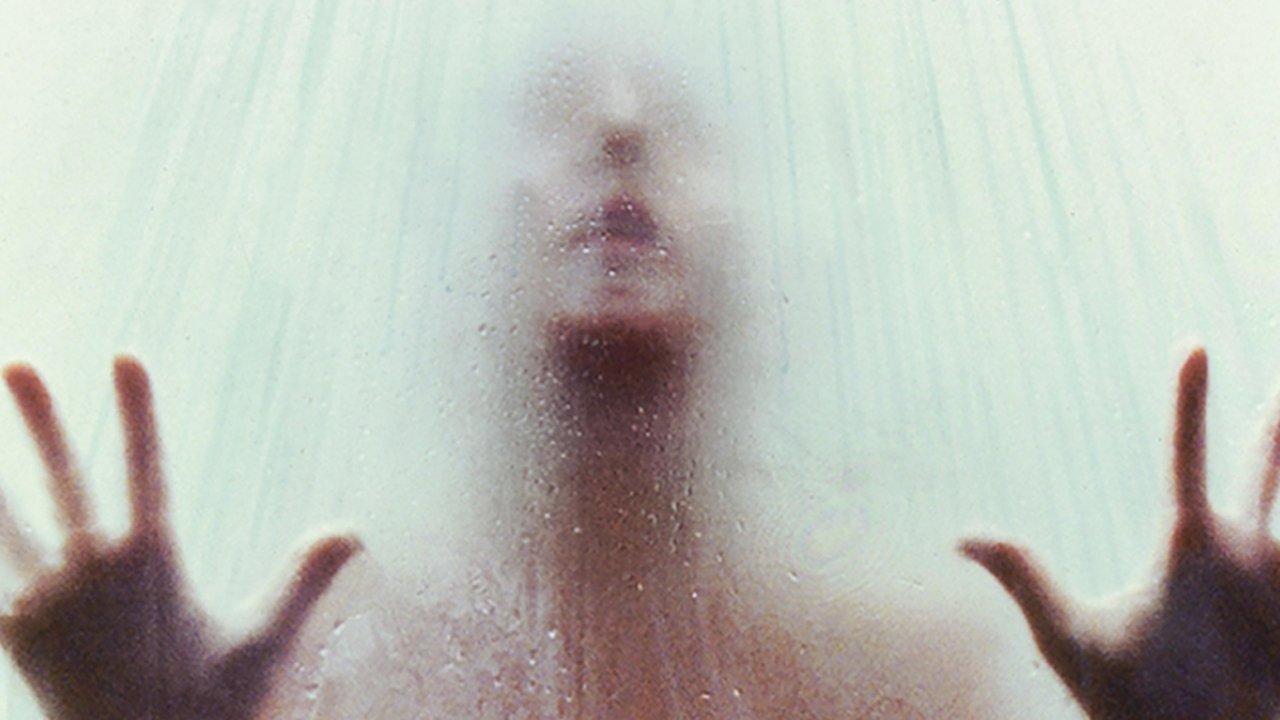
The experience of watching Van Sant's Psycho is deeply unsettling, but often not in the way intended. It’s like listening to a cherished song covered note-for-note by a technically proficient but emotionally vacant band. The compositions are there, the cuts land in roughly the same places, Joseph Stefano's (based on Robert Bloch's novel) dialogue remains largely intact. Yet, the magic, the suffocating tension that Hitchcock conjured seemingly from shadows and suggestion, feels diluted, almost sterilised by the clinical replication. The infamous shower scene, the parlour conversation, the reveal – they arrive as expected, signposted moments in a journey we've taken before, only this time the landscape feels artificial, rendered in colours that somehow bleach the fear rather than enhance it. It's a fascinating exercise in cinematic mimicry, but one that primarily highlights the singular genius of the original. Remember how Hitchcock used black-and-white not just stylistically, but to obscure, to misdirect, to make the Cherry Syrup blood feel viscerally shocking? Here, the realism of colour paradoxically lessens the impact.
Casting Shadows
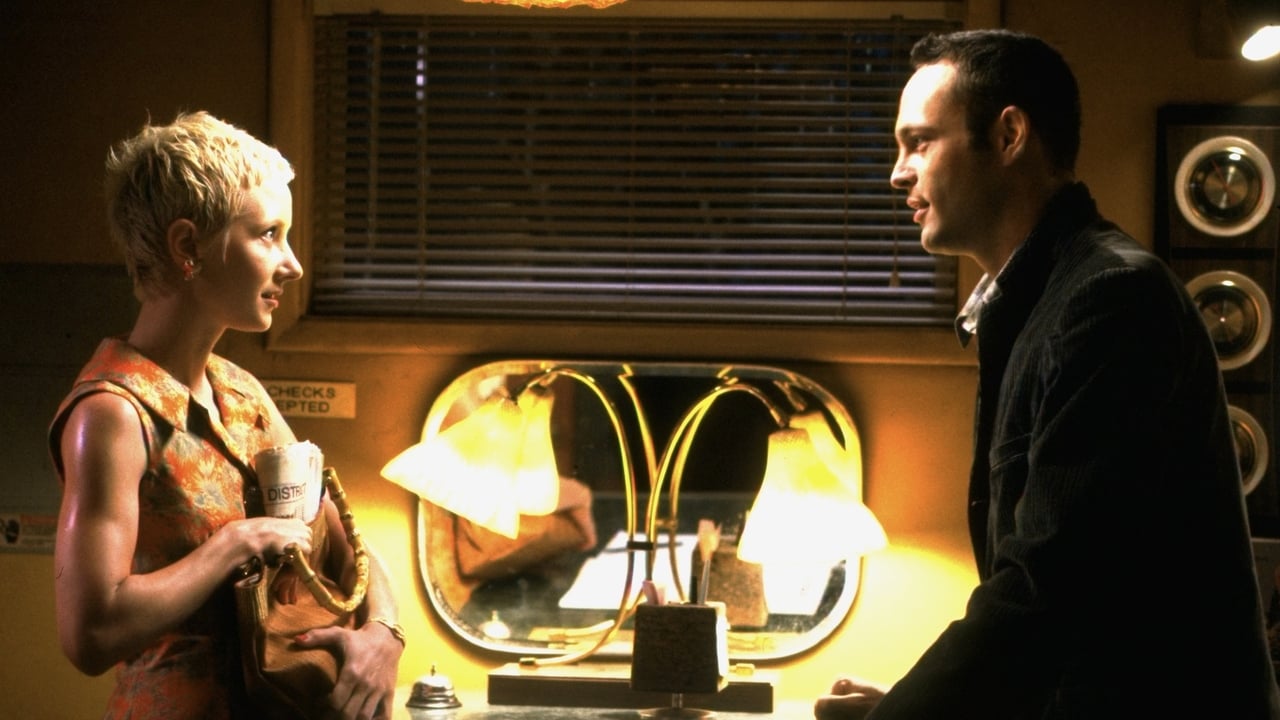
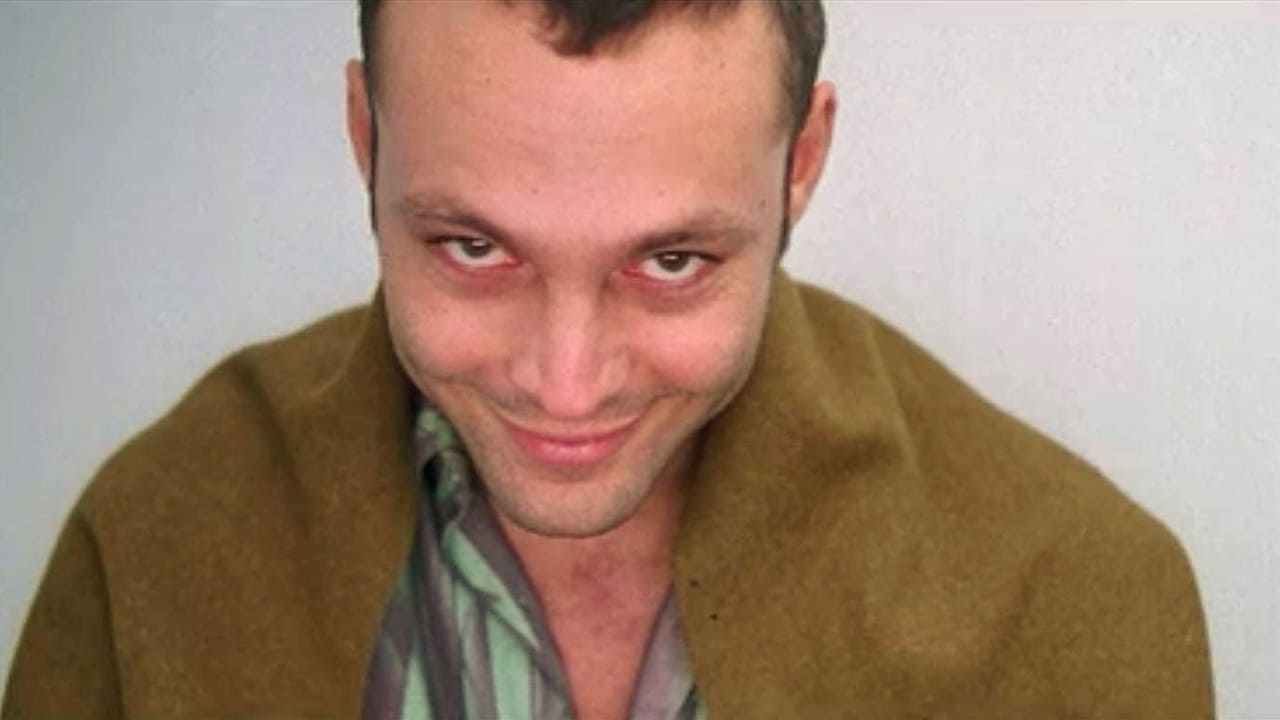
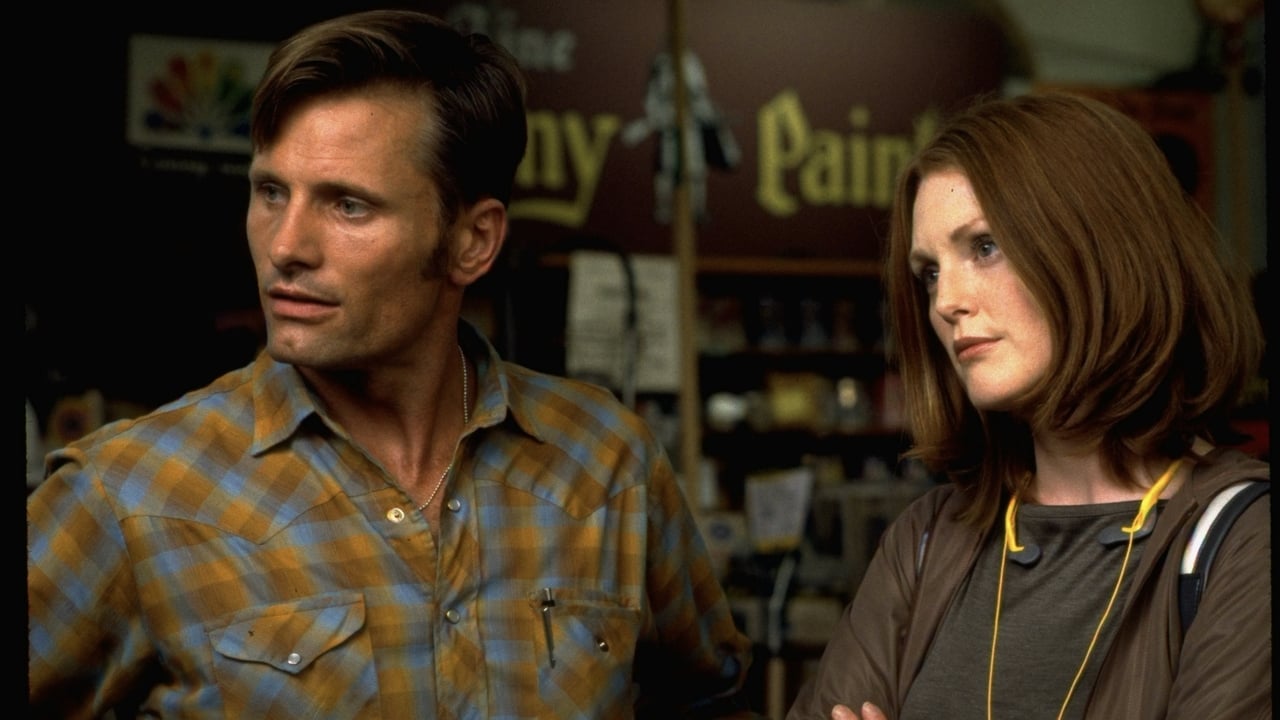
The casting stands as perhaps the most debated element. Vince Vaughn, then known more for his fast-talking comedic roles (Swingers), steps into the impossible shoes of Anthony Perkins' Norman Bates. It’s a brave attempt, but Vaughn’s interpretation leans towards a more overtly jittery, almost menacing presence from the start, losing the vulnerable, boy-next-door facade that made Perkins’ Norman so chillingly deceptive. Vaughn is acting disturbed, whereas Perkins simply was Norman. Anne Heche takes on Marion Crane, bringing a contemporary edge but struggling to match Janet Leigh’s iconic vulnerability and desperation. Supporting players like Julianne Moore as Lila Crane and William H. Macy as Arbogast deliver professional work, but they too operate within the confines of imitation. Perhaps the most controversial change wasn't visual, but behavioral: Van Sant added brief shots implying Norman is masturbating while spying on Marion, a crude underscoring of subtext that Hitchcock handled with far more suggestive power. It felt less like an update and more like a misunderstanding of the original's chilling restraint.
The Why of Van Sant
So, back to the central question: why? Rumour has it Gus Van Sant, fresh off the mainstream success and critical acclaim of Good Will Hunting (1997), wielded his considerable industry clout to push this experimental project through Universal. Perhaps he saw it as a purely academic exercise, testing the boundaries of directorial authorship versus the inherent power of the cinematic text itself. Could replicating Hitchcock shot-for-shot recapture the original's lightning in a bottle? Universal likely saw a potential franchise reboot, a way to monetise a classic property for a new generation. The film was given a substantial budget for the time – reportedly around $60 million – a figure that seems staggering for what amounts to a cinematic tracing exercise. This investment did not pay off, with the film grossing only around $37 million worldwide, becoming a notable financial disappointment and critical punching bag upon release. Critics were largely unkind, finding it pointless at best and insulting at worst.
Technical Fidelity, Missing Soul
Technically, the film is well-crafted. The cinematography mimics John L. Russell's original framing diligently. The score is Bernard Herrmann's legendary work, meticulously re-recorded by the great Danny Elfman. Yet, even with these elements faithfully reproduced, the atmosphere feels different. The original’s dread felt organic, creeping out from the very celluloid. Here, the dread feels manufactured, applied rather than inherent. The colour palette, full of sickly greens and browns, tries to evoke unease but often just looks dated in a specifically late-90s way. It serves mostly to remind you that you're not watching the timeless original. I remember getting the VHS, perhaps out of sheer morbid curiosity, popping it into the VCR late one night. The feeling wasn't fear, but a strange sense of déjà vu mixed with profound disappointment. It was like visiting a meticulously rebuilt historical site – impressive in its accuracy, but devoid of the ghosts.
A Curious Footnote
Gus Van Sant's Psycho remains one of mainstream Hollywood's strangest experiments. It’s not "so bad it's good"; it's too technically competent for that. It’s not a necessary remake; it adds nothing substantial to the original narrative or themes. Instead, it exists as a high-profile, expensive curiosity, a testament perhaps to the idea that cinematic alchemy involves far more than just replicating the ingredients. It proved, unintentionally, that Hitchcock's genius wasn't just in the shots, the script, or the score, but in the intangible 'how' – the specific blend of timing, performance, suggestion, and cultural moment that made the 1960 Psycho a landmark of terror that still chills decades later.
VHS Heaven Rating: 3/10
The score reflects the technical effort and the sheer audacity of the project, acknowledging it as a unique, if ultimately failed, cinematic experiment. However, it loses significant points for its fundamental lack of originality, its inability to capture the original's terrifying magic, questionable casting choices that pale in comparison, and the overarching sense of pointlessness that permeates the viewing experience.
Final Thought: A fascinating failure, less a movie to be enjoyed and more a cinematic artifact to be studied, primarily for the lessons it teaches about the irreplaceable nature of true originals.