Alright, fellow tapeheads, gather 'round. Sometimes, digging through those dusty cardboard boxes or scanning the forgotten shelves of a long-gone video store unearthed something… different. Not your standard Stallone shoot-'em-up or Hughesian high school heartwarmer. No, sometimes you stumbled upon a tape that felt like contraband, a glitch in the system, a transmission from another, much weirder dimension. That’s exactly the vibe you get firing up Pedro Almodóvar’s absolutely bonkers 1980 debut, Pepi, Luci, Bom (or Pepi, Luci, Bom y otras chicas del montón, if you want the full Spanish title). Forget slick Hollywood polish; this is pure, uncut cinematic punk rock spat onto celluloid.
### Madrid Calling: An Explosion of Freedom
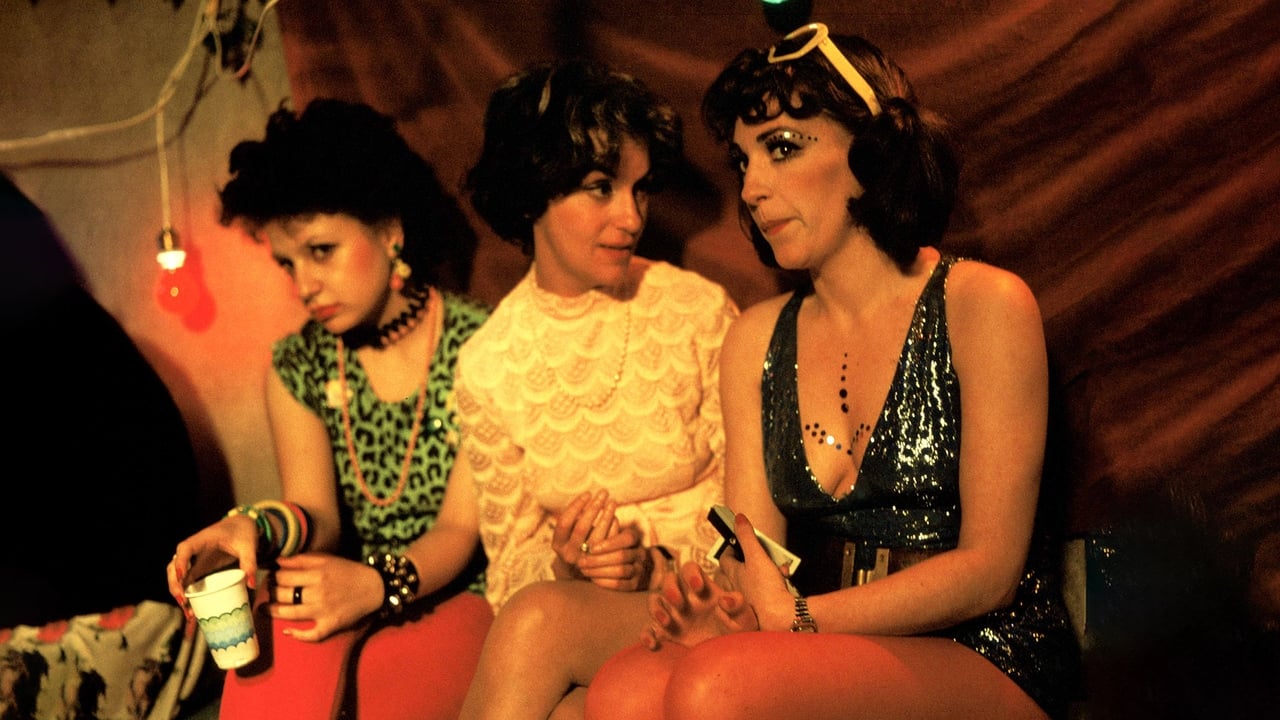
Picture this: Spain, late 70s/early 80s. Franco's oppressive regime is history, and Madrid is erupting in a counter-cultural explosion known as La Movida Madrileña. It’s a whirlwind of music, art, fashion, drugs, and sexual liberation, and Pepi, Luci, Bom is basically La Movida mainlined directly into a camera. Pedro Almodóvar, then working a day job at the national telephone company Telefónica, scraped together funds (reportedly starting with his own savings from that job – talk about dedication!) to shoot this anarchic story on weekends over a staggering 18 months, initially on grainy 16mm which was later blown up to 35mm, contributing to its wonderfully raw, almost home-movie aesthetic.
The "plot," if you can call it that, kicks off when Pepi (Carmen Maura, in her first major collaboration with Almodóvar, already showing flashes of the charisma that would make her an icon) is assaulted by a corrupt policeman who lives across the street. Her revenge scheme involves befriending the policeman's meek, masochistic wife, Luci (Eva Siva), and introducing her to the joys of punk rock degradation via Bom (Olvido Gara, better known as Alaska, a real-life punk icon from the band Alaska y Dinarama), the lead singer of the gloriously named band Bomitoni. What follows is less a narrative and more a series of outrageous, often hilarious, sometimes shocking vignettes fuelled by revenge, bizarre friendships, musical numbers, and a general gleeful desire to smash every taboo in sight.
### Raw Energy, Rough Edges
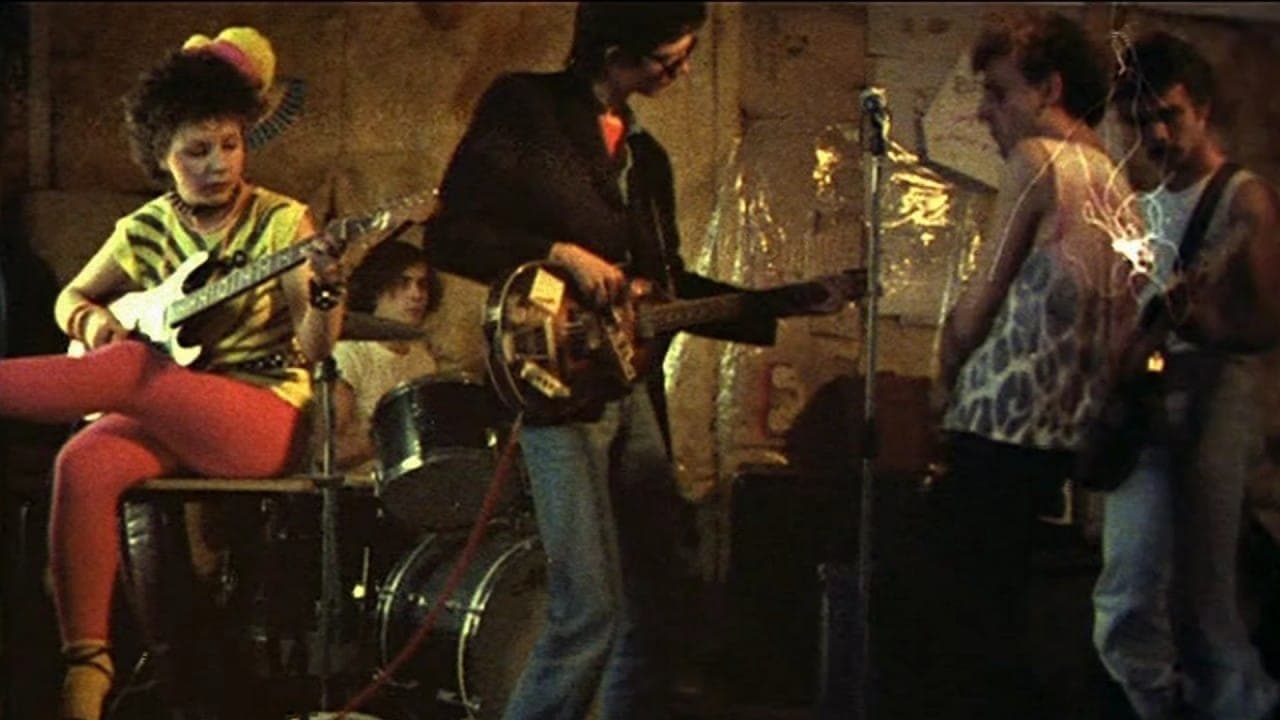
Let's be clear: this film looks and sounds rough. The lighting is often basic, the sound recording has that distinct echoey quality familiar to anyone who watched low-budget oddities on VHS, and the editing feels gloriously haphazard. But complaining about the technical shortcomings of Pepi, Luci, Bom is like complaining that a Sex Pistols record isn't smooth jazz. The rawness is the point. It captures the DIY spirit of punk and the explosive energy of a country shaking off decades of repression. You feel the liberation, the audacity, the sheer nerve of Almodóvar throwing all this onto the screen.
Seeing Carmen Maura here, years before the international acclaim of films like Women on the Verge of a Nervous Breakdown, is fascinating. She’s the anchor, navigating the chaos with a unique blend of savvy and vulnerability. Alaska is magnetic as Bom, embodying the punk scene's defiant spirit. And Eva Siva as Luci undergoes a transformation that’s both darkly comic and strangely touching. The cast often feels like a collection of Almodóvar's friends just hanging out and doing wild things for the camera – which, given the film's origins in a photo-comic story Almodóvar wrote called "General Erections," isn't far from the truth.
### Not for the Faint of Heart (Even Then)
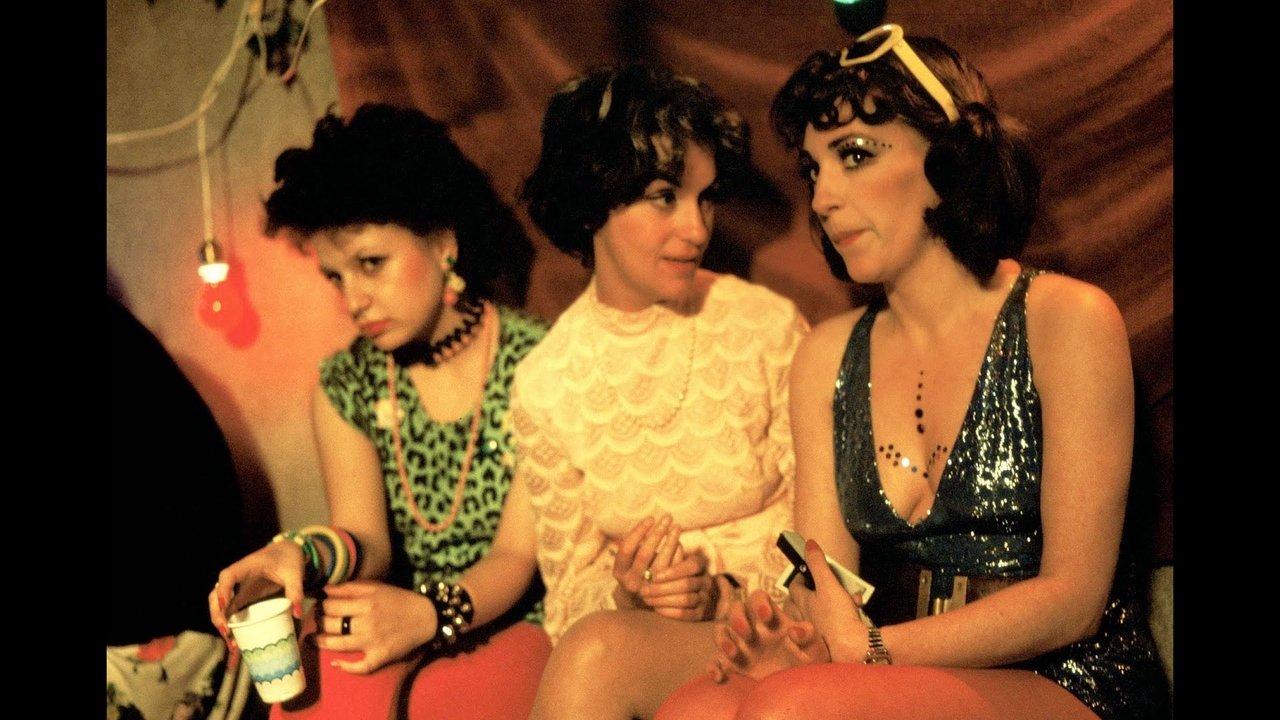
This film dives headfirst into territory that would make today's studios run screaming. There's casual drug use, frank (and often bizarre) sexuality, violence played for unsettling laughs, and moments designed purely to provoke. Remember that infamous "golden shower" contest scene? Yeah, that’s here. It’s deliberately crude, deliberately confrontational. Watching it now, it feels like a Molotov cocktail thrown at polite society, both then and now. It wasn't a box office smash in the traditional sense, but it quickly became a cult sensation in Spain, launching Almodóvar's career and setting the stage for the vibrant, transgressive, and uniquely stylish cinema he would become famous for. Critics were often baffled or outraged, but audiences tuned into its frequency found something exhilaratingly new.
Is it dated? In some ways, absolutely. The specific cultural references might fly over some heads, and the shock tactics, while still potent, land differently decades later. But the film's core energy – its celebration of female agency (however warped), its embrace of the unconventional, its sheer punk attitude – remains incredibly vital. It’s a time capsule of a specific cultural moment, captured with infectious, albeit messy, enthusiasm. Watching it feels like discovering a secret history, a fuzzy broadcast from the dawn of a cinematic revolution.
---

Rating: 7.5 / 10
Justification: While undeniably rough around the edges technically and possessing a narrative structure held together by sheer nerve and punk spirit, Pepi, Luci, Bom is a vital, audacious debut. Its historical significance as a key document of La Movida Madrileña and the launching pad for one of modern cinema's great auteurs is immense. The raw energy, boundary-pushing content, and foundational performances (especially Maura) make it essential viewing, even if its DIY aesthetic and confrontational style aren't for everyone. The score reflects its importance and unique energy, tempered slightly by its technical limitations.
Final Take: Forget pristine restorations; this is a film best experienced with a bit of fuzz and analogue hiss – a gloriously messy, vital scream from the underground that still echoes today.