The celestial alignment hangs heavy in the air, a stark, chilling prophecy made manifest not in dusty scrolls, but in the corridors of power. Evil, it turns out, doesn't just lurk in the shadows; it wears a Savile Row suit and wields influence with terrifying precision. The Final Conflict (1981), the concluding chapter of the original Omen trilogy, ditches the creeping dread of its predecessors for something more overtly apocalyptic, a grand, operatic confrontation between good and ultimate evil, played out on a global stage. And at its heart, a performance that remains unsettlingly magnetic.
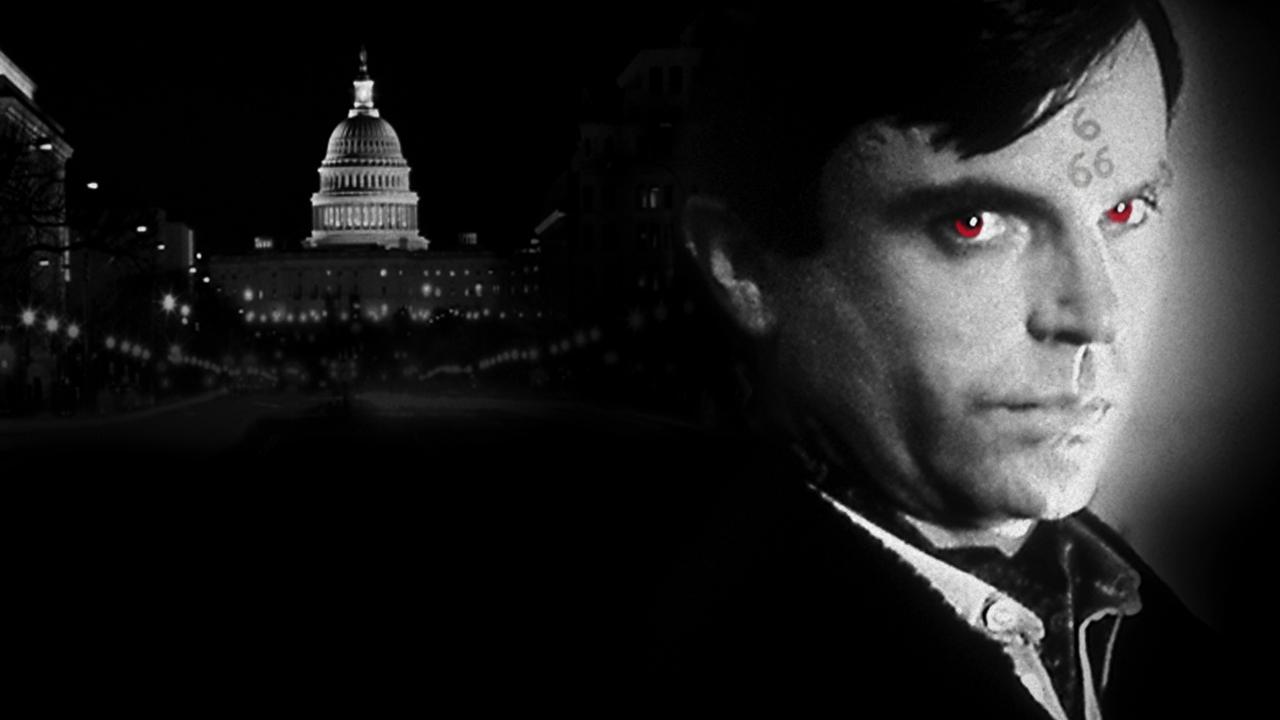
The Son of Satan Comes of Age
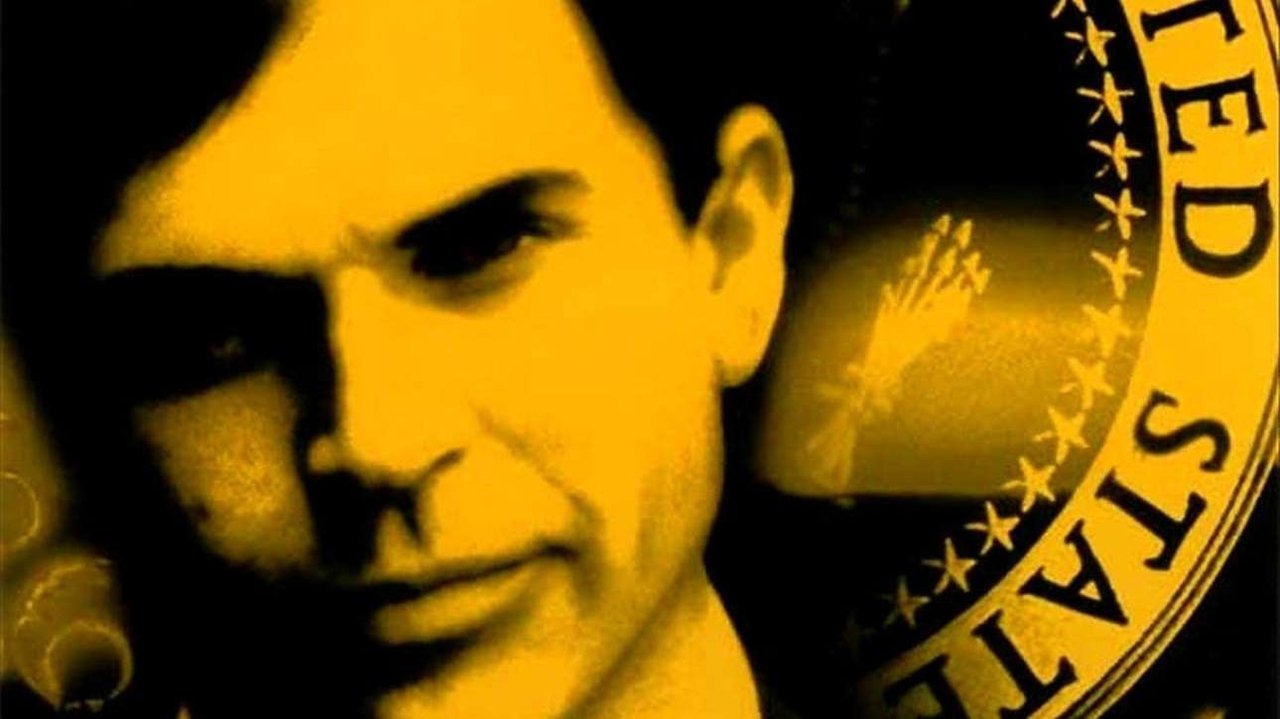
Picking up years after Damien: Omen II, we find Damien Thorn, now 32, fully aware of his unholy heritage and destiny. Played with icy charisma by a then relatively unknown Sam Neill, this adult Antichrist is no mere malevolent force; he’s the calculating CEO of Thorn Industries, manipulating global politics and economics while simultaneously serving as the US Ambassador to Great Britain. It’s a chillingly plausible ascent, grounding the supernatural horror in the anxieties of the Cold War era. The film posits that the greatest evil might not announce itself with pitchforks and brimstone, but with political savvy and a disarming smile. Neill, who reportedly wasn't the first choice (James Brolin was considered), absolutely embodies this duality, making Damien both repellent and disturbingly compelling. His quiet intensity, the flicker of ancient evil behind the sophisticated veneer, is the film's dark anchor.
Director Graham Baker, working from a script initially by original Omen scribe David Seltzer and later rewritten by Andrew Birkin, steers the narrative towards a more direct clash. The subtle, "accidental" deaths of the first two films give way to a more aggressive campaign by Damien to locate and destroy the prophesied Nazarene child, whose birth signals the Second Coming. This shifts the tone considerably. While some miss the suspenseful ambiguity of the earlier installments, The Final Conflict offers its own brand of unsettling grandeur. The sequence involving Damien ordering his disciples to eliminate all male children born in Britain on a specific date remains genuinely shocking, a testament to the film's willingness to embrace the darkness of its premise. It's a sequence that courted controversy, pushing the boundaries of mainstream horror at the time.
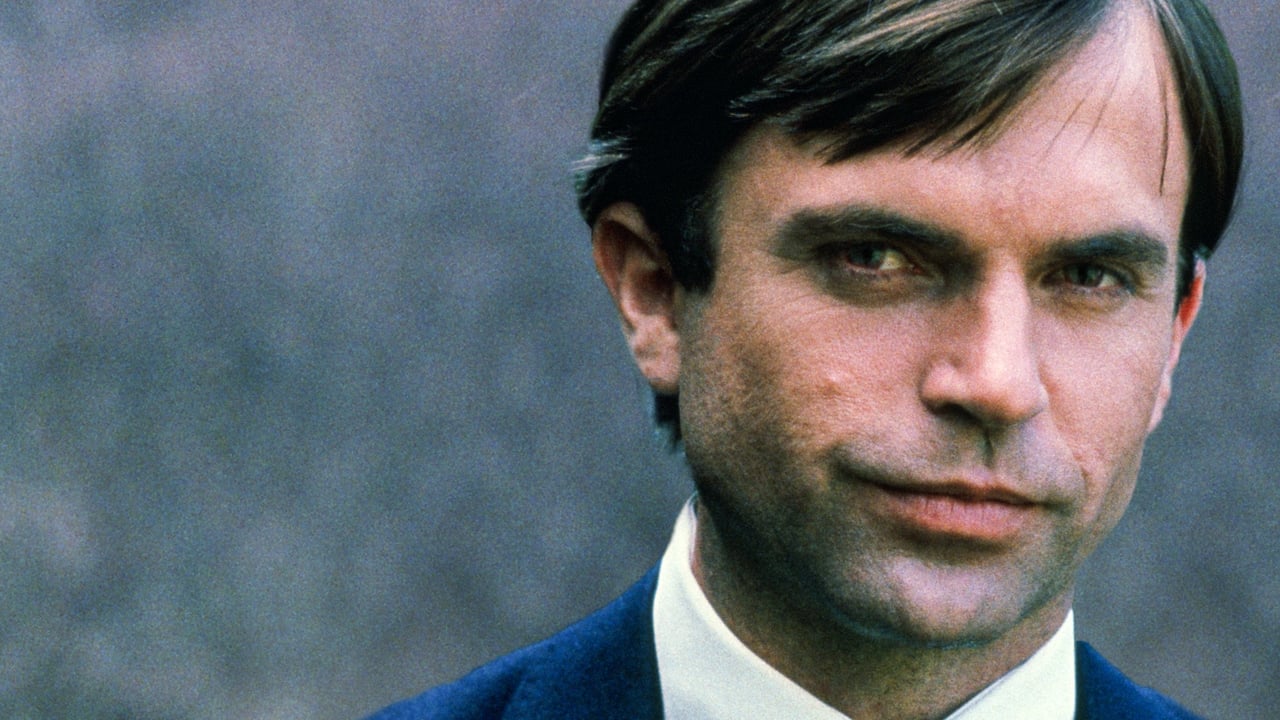
Prophecy, Politics, and Practical Fears
The film skillfully blends biblical prophecy with contemporary fears. Damien’s rise through political and corporate ranks feels disturbingly prescient, tapping into a distrust of unchecked power that resonates even today. The plot hinges on a group of monks, led by the determined Father DeCarlo (Rossano Brazzi, bringing a weary gravitas), who possess the sacred Megiddo daggers – the only weapons capable of killing the Antichrist. Their desperate attempts to reach Damien add a thriller element, contrasting the ancient holy quest against the backdrop of modern London and the English countryside. Filming primarily in the UK, particularly Cornwall's stark landscapes and London's imposing architecture, lends the film a unique atmosphere distinct from the American settings of the previous entries. Some scenes were also shot in Chicago, echoing the setting of the second film.
Remember the sheer feel of these films back in the day? The weight of the prophecy felt palpable on those grainy VHS tapes viewed late at night. The Final Conflict leaned into this, creating moments of genuine unease. Damien's address to his followers ("You insignificant pieces of dust...") or his chillingly intimate conversation with a statue of Christ – these scenes have a theatrical power, largely thanks to Neill's committed performance. He sells the arrogance and the terrifying conviction of the character utterly. Does that monologue still send a shiver down anyone else's spine?
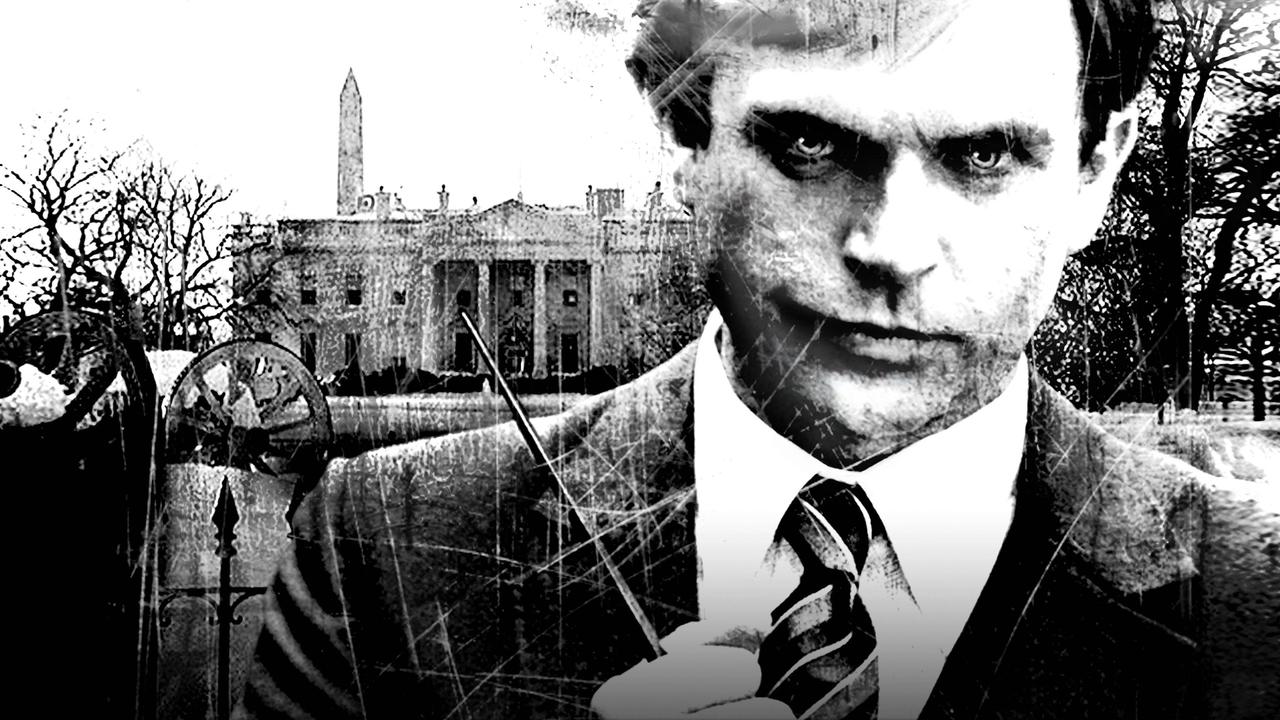
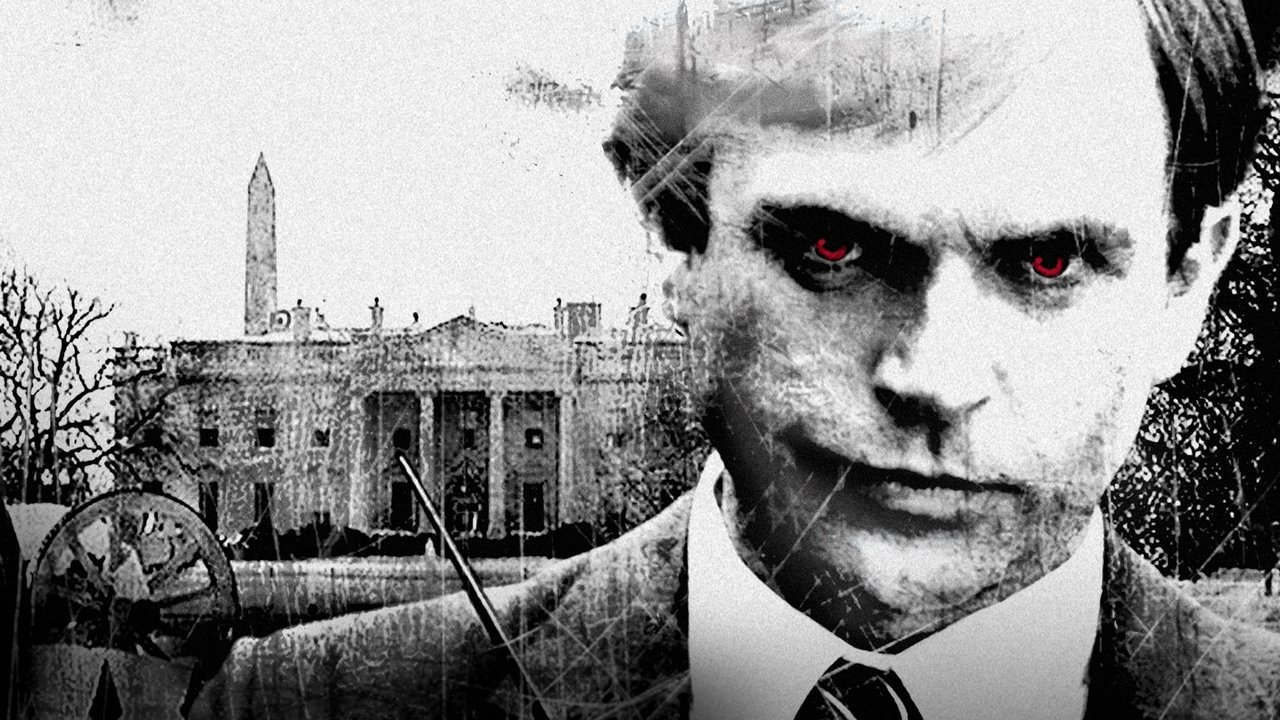
Goldsmith's Unholy Symphony
No discussion of the Omen trilogy is complete without mentioning Jerry Goldsmith. His Oscar-winning score for the original film is iconic, and while his work here might not reach quite the same legendary status, it's still a monumental achievement. Goldsmith masterfully blends the familiar "Ave Satani" chants with new, militaristic themes reflecting Damien's ambition and the impending celestial battle. The score elevates every scene, adding layers of dread, grandeur, and tragic inevitability. It's the kind of powerful, thematic scoring that feels increasingly rare today, an integral part of the film's dark soul. Reportedly budgeted at around $5 million, the film went on to gross over $20 million worldwide – a respectable return largely carried by the franchise's name recognition, Neill's performance, and Goldsmith's essential contribution.
A Flawed But Potent Conclusion
Is The Final Conflict perfect? No. The pacing can feel uneven at times, and some of the supporting characters feel underdeveloped compared to the magnetic central figure of Damien. The monks' quest occasionally borders on the repetitive, and the climax, while attempting epic confrontation, perhaps doesn't quite deliver the knockout blow suggested by the title. Yet, despite these flaws, the film possesses a potent, undeniable power. It commits fully to its premise, offering a dark, adult conclusion to Damien's story that avoids easy answers or a comforting resolution (at least initially). It dared to show the Antichrist succeeding, consolidating power on a global scale before the final, desperate intervention.
For fans who grew up renting these tapes, perhaps hiding the lurid covers from parents, The Final Conflict holds a specific place. It was the serious, grown-up chapter, less about jump scares and more about existential dread and the chilling possibility of evil winning through sheer, calculated ambition. Sam Neill's portrayal launched a major international career, and rightfully so – it remains one of the most compelling screen depictions of pure evil.
Rating: 7/10
Justification: While lacking the tight suspense of the original Omen and suffering from some pacing issues, The Final Conflict is elevated by Sam Neill's phenomenal, star-making performance, Jerry Goldsmith's magnificent score, its ambitious scale, and its chillingly effective blend of supernatural horror and political thriller elements. Its willingness to embrace the darkness of its premise and deliver genuinely unsettling sequences earns it significant points, securing its place as a strong, if slightly flawed, conclusion to the original trilogy and a standout piece of 80s supernatural cinema.
It may not be the best of the trilogy, but The Final Conflict delivers a uniquely chilling vision of Armageddon, one where the devil you know is charismatic, intelligent, and terrifyingly close to winning it all. It’s a tape that definitely earned its place in the darker corners of the video store shelf.