It’s a rare thing, isn't it? To stumble across a film from the racks of memory – maybe filed under its alternate, more direct title, The Haunting of Julia on a slightly worn VHS cassette – and find that its power hasn't diminished, but perhaps deepened with time. Released in 1977, Richard Loncraine's Full Circle might technically predate the core 80s boom we often celebrate here at VHS Heaven, but its chilling presence certainly haunted video store shelves throughout that decade and beyond, offering a stark, unsettling counterpoint to the era's more bombastic frights. It's the kind of film that doesn't jump out and yell "Boo!", but rather settles into your bones like a damp London fog, leaving a lingering unease.
### A Portrait of Grief Painted in Grey Tones
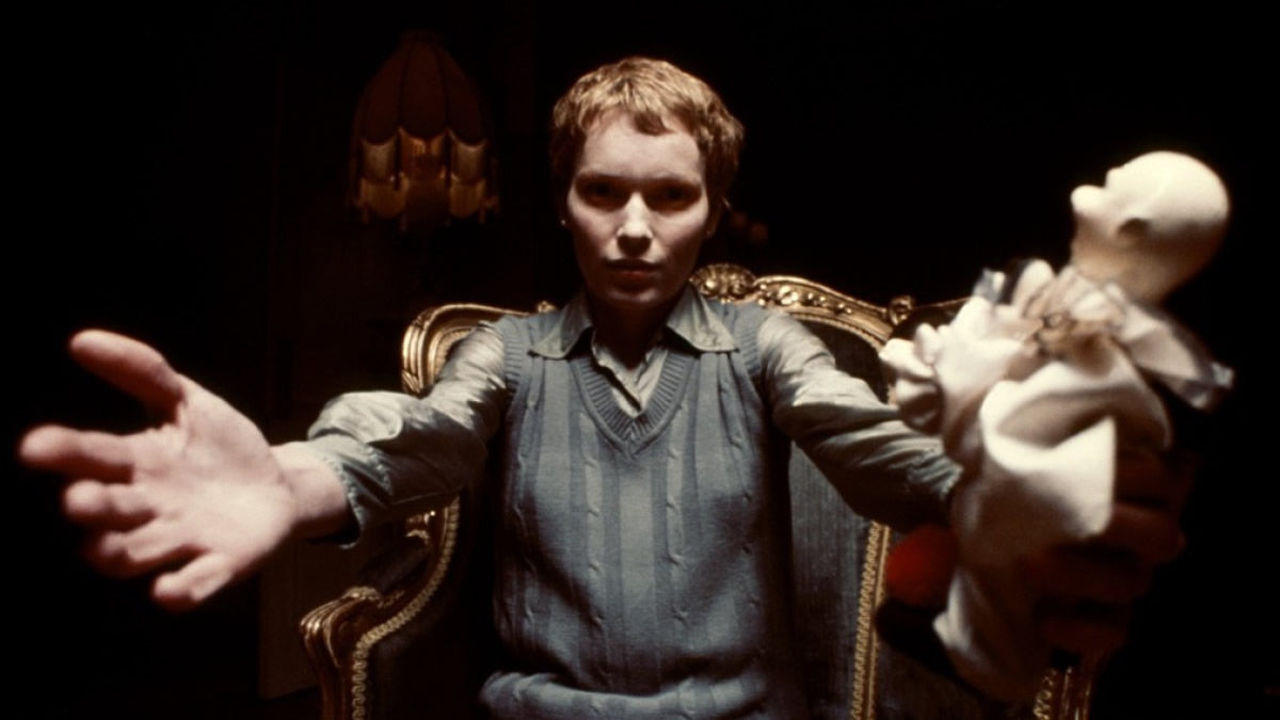
The film doesn't waste time plunging us into tragedy. We witness Julia Lofting (Mia Farrow) endure an almost unspeakably horrific domestic accident involving her young daughter, Kate. It's a brutal, sudden event that irrevocably shatters her world. Escaping her cold, accusatory husband Magnus (Keir Dullea, forever unsettling after 2001: A Space Odyssey), Julia attempts to rebuild her life, purchasing a large, lonely house in Kensington. But escaping grief proves impossible, especially when the house itself seems to hold echoes of another unhappy child, potentially spectral, potentially malevolent. What unfolds is less a traditional ghost story and more a profound meditation on loss, guilt, and the terrifying fragility of the human psyche when pushed to its absolute limit. Does the house draw Julia in because of her grief, or does her grief make her susceptible to the house's lingering sorrows?
### The Quiet Terror of Mia Farrow
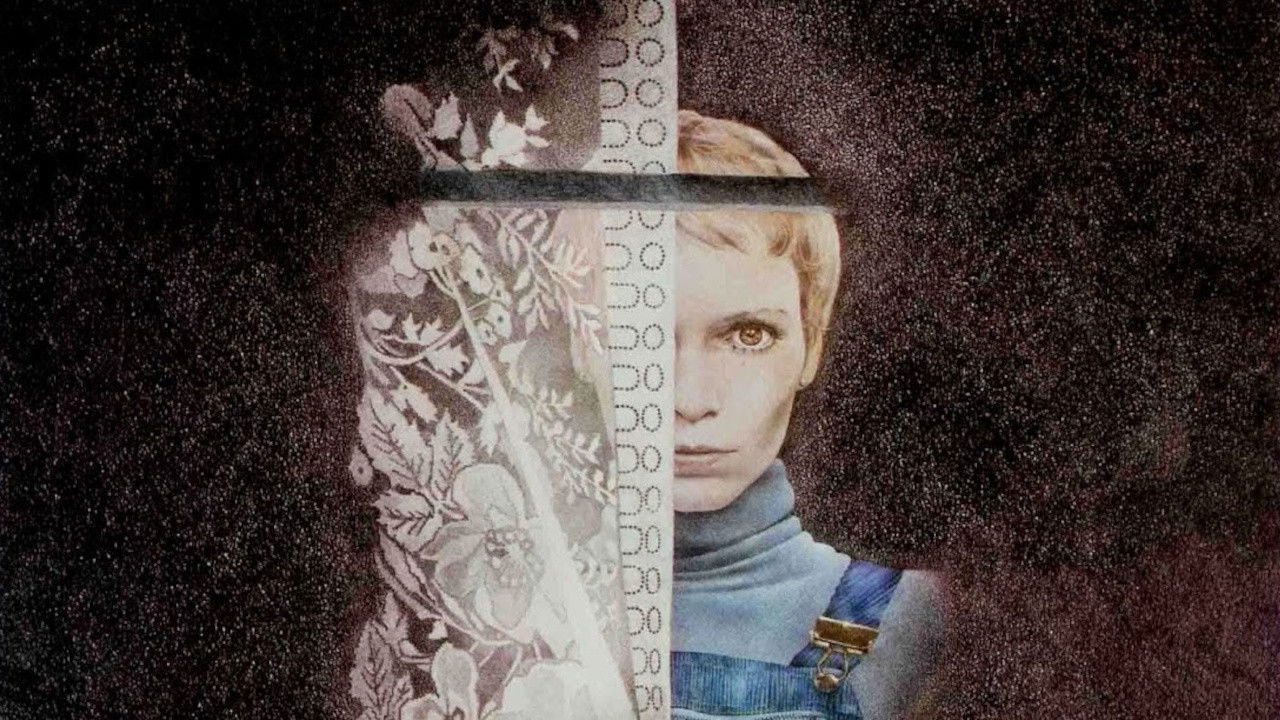
So much of Full Circle's suffocating atmosphere rests upon the slender shoulders of Mia Farrow. Coming nearly a decade after her iconic turn in Rosemary's Baby (1968), Farrow delivers a performance of heart-wrenching vulnerability. Her Julia is adrift, isolated not just by circumstance but by an ocean of sorrow. Farrow conveys this immense internal pain often without dialogue, through haunted eyes, a tremor in her hands, a way of moving through empty rooms as if already half a ghost herself. It’s a performance that feels utterly truthful in its depiction of profound bereavement, making the encroaching supernatural elements feel almost like an externalization of her internal state. Supporting turns from Keir Dullea as the estranged husband and a young, charming Tom Conti as a concerned friend provide solid grounding, but this is Farrow's film, through and through. Her quiet desperation is the engine driving the narrative's chilling momentum.
### Whispers in the Walls and Behind the Scenes
What truly sets Full Circle apart is its masterful control of mood. Richard Loncraine, who would later demonstrate a knack for atmospheric period pieces like Richard III (1995), uses the London setting to perfection. This isn't the bright, bustling London of tourist brochures, but a city of overcast skies, rain-slicked streets, and imposing Victorian architecture that seems to watch Julia with cold indifference. Cinematographer Peter Hannan captures this beautifully, often framing Farrow against large, empty spaces that emphasize her isolation. The score by Colin Towns is equally crucial, a haunting blend of melancholy piano and unsettling dissonance that perfectly complements the film's ambiguity.
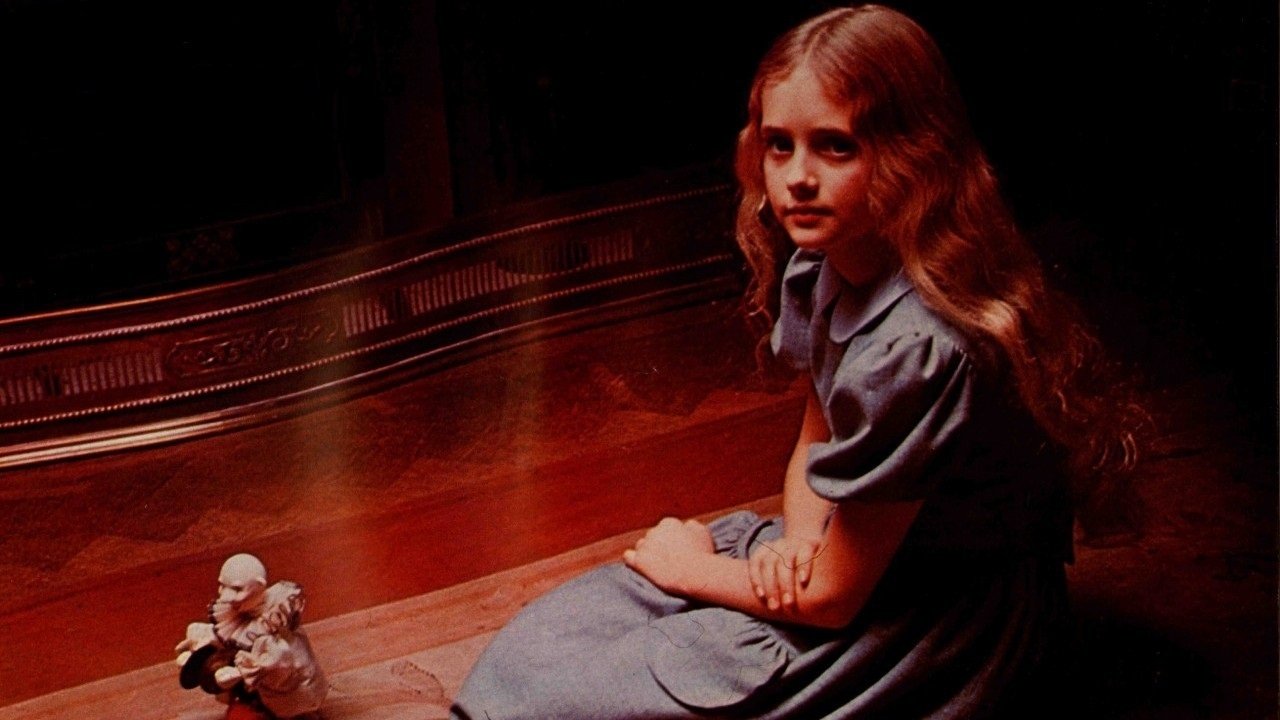

It's interesting to note that the film is based on the novel "Julia" by Peter Straub, a giant of modern horror literature alongside Stephen King. While Straub himself apparently wasn't entirely pleased with the adaptation, the film certainly captures the unsettling ambiguity present in much of his work. The production itself wasn't without challenges; finding the right child actor for the pivotal, disturbing role of the ghostly (?) Olivia was crucial. And perhaps reflecting its downbeat, complex nature, Full Circle wasn't a huge box office smash upon release (it reportedly struggled to find wide distribution in the US initially), often overshadowed by more overtly terrifying fare. Yet, its cult status grew steadily throughout the VHS era, discovered by viewers drawn to its intelligence and palpable sense of dread. Finding this gem on a tape, perhaps nestled between louder slashers, felt like uncovering a secret – a more mature, somber kind of horror. Remember those slightly creepy porcelain dolls that seemed popular back then? This film taps right into that uncanny valley feeling they evoked.
### The Unseen and the Unsettling
Spoiler Alert Ahead (Skip to Rating if you want to remain completely unspoiled): The film's refusal to offer easy answers is perhaps its greatest strength and, for some, maybe a source of frustration. Is Olivia a vengeful spirit? A figment of Julia's fractured mind? Or something else entirely? The disturbing revelations about Olivia's past – involving cruelty inflicted by other children – add a layer of truly chilling social commentary beneath the supernatural veneer. The final act, particularly the ambiguous and deeply unsettling sequence at the playground carousel, leaves the viewer with more questions than answers, lingering long after the credits roll. It doesn’t offer the catharsis of a vanquished ghost, but rather the cold horror of cycles repeating and innocence lost. End Spoiler Alert.
This deliberate ambiguity is precisely what elevates Full Circle. It trusts the audience to sit with discomfort, to ponder the nature of grief and the darkness that can hide behind seemingly ordinary facades. It doesn’t rely on cheap scares but builds tension through suggestion, atmosphere, and Farrow’s devastating portrayal of a woman consumed by sorrow.
---
Rating: 8/10
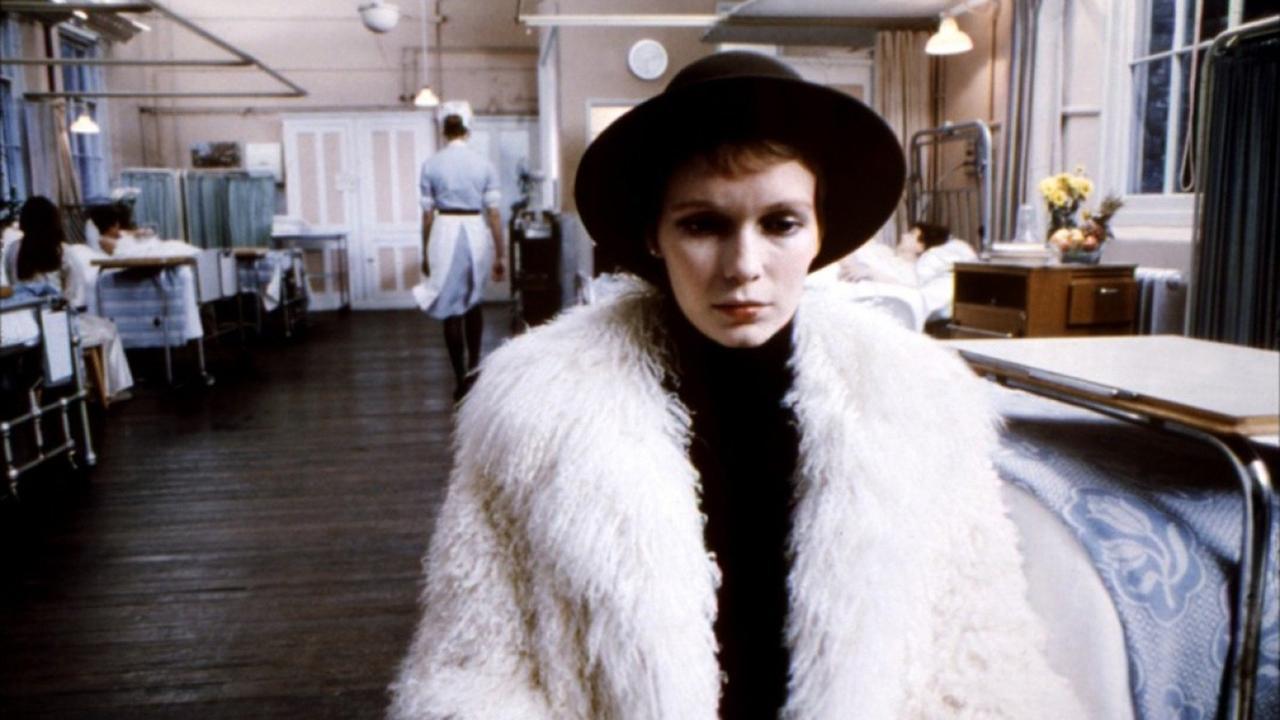
Full Circle (or The Haunting of Julia) earns its high marks for its masterful creation of atmosphere, Mia Farrow's truly exceptional and haunting performance, and its intelligent, ambiguous approach to supernatural horror and profound grief. Its slow pace might test the patience of some viewers accustomed to modern horror rhythms, and its bleakness is undeniable. However, as a character study wrapped in a chilling ghost story (or psychological breakdown), it's incredibly effective and deeply unsettling. It feels less like a product of its time and more like a timeless exploration of sorrow's dark corners.
For those rainy afternoons when you crave a horror film that creeps under your skin rather than shouts in your face, digging out this melancholy gem from the VHS era is a truly rewarding, if somber, experience. It reminds us that sometimes the most terrifying ghosts are the ones we carry inside ourselves.