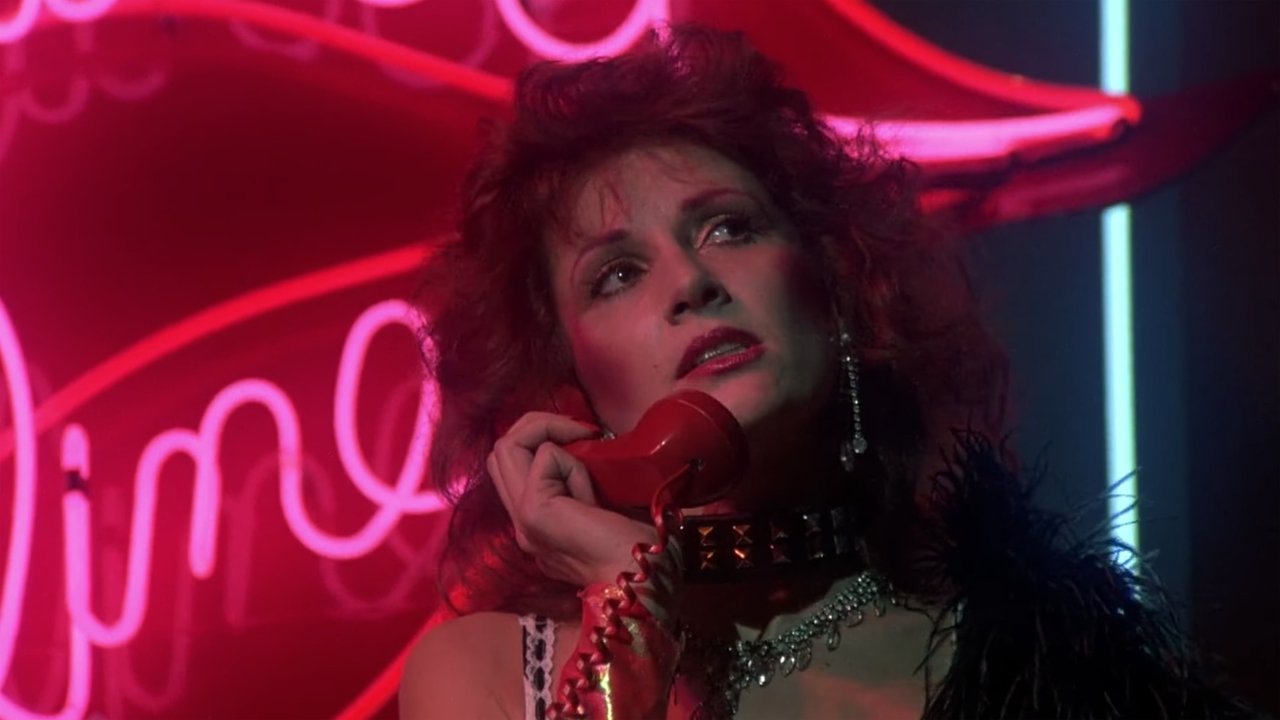
The countdown begins, not with champagne corks popping, but with the click of a telephone receiver and a voice, distorted and chilling, crawling through the line. "Hello, Blaze? This is Evil..." That electronically warped promise of murder, delivered live on air as Los Angeles hurtles towards midnight, sets the stage for New Year's Evil. It’s a premise soaked in the specific anxieties of the burgeoning slasher era, a feeling that malevolence isn't just hiding in the woods or behind a mask, but could be calling you directly, turning a public celebration into a private nightmare.
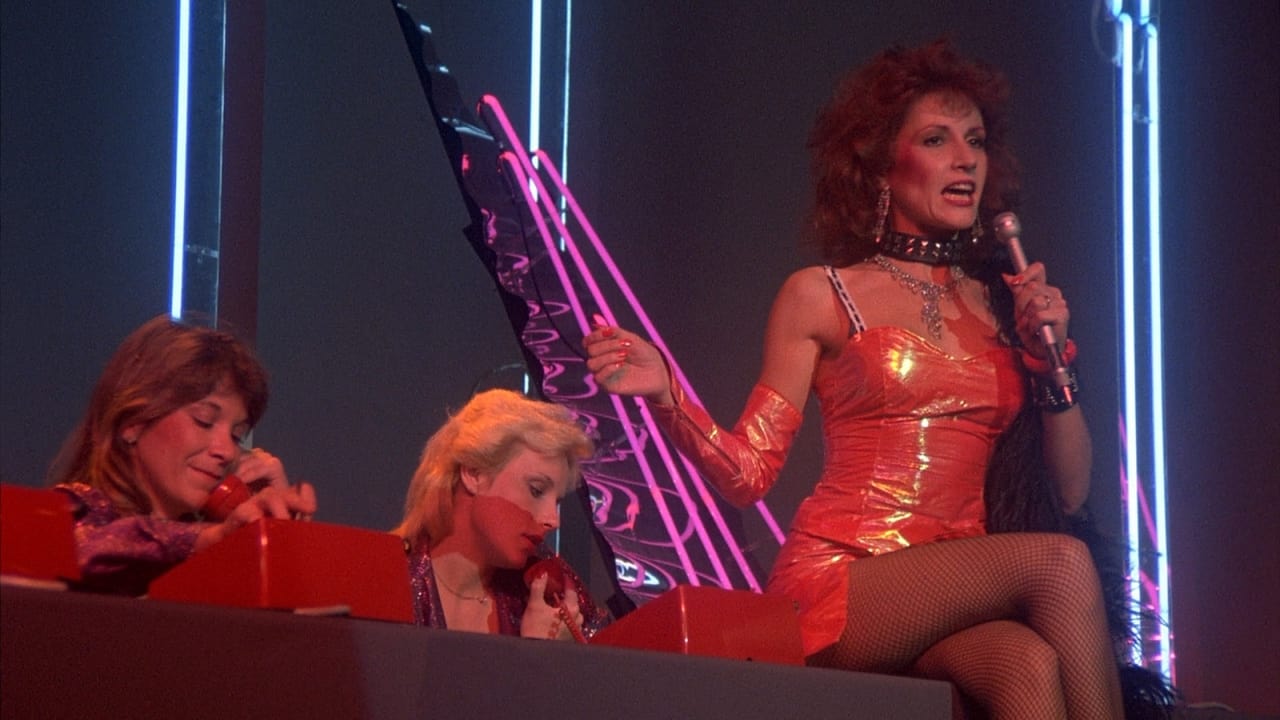
Released in 1980 amidst the gold rush of post-Halloween slashers, New Year's Evil stands as a peculiar, punk-infused entry from the legendary purveyors of B-movie mayhem, Cannon Films. It lacks the raw terror of its contemporaries but replaces it with a sleazy, low-budget charm and a gimmick that still feels unnervingly plausible in its simplicity. The killer, self-proclaimed "Evil," vows to murder someone as the clock strikes twelve in each major U.S. time zone, culminating in a final target in Los Angeles. And who does he choose to share his deadly resolution with? Blaze, the tough-talking host of a nationally broadcast New Year's Eve punk rock countdown show.
Pinky Tuscadero Faces the Apocalypse
The casting of Roz Kelly as Blaze is perhaps the film's most fascinating aspect. Known to millions as the effortlessly cool Pinky Tuscadero on Happy Days, seeing her here as a hard-edged, chain-smoking punk rock VJ grappling with a psycho killer felt like a deliberate casting choice designed to shock audiences out of their sitcom comfort zones. Kelly leans into the role, giving Blaze a weary cynicism that grounds the increasingly outlandish situation. She’s stuck in the studio, broadcasting the countdown while simultaneously becoming the killer's unwilling confidante, her face a mask of growing dread broadcast to the nation. It's a performance that holds the often-shaky film together. Opposite her, Kip Niven plays Richard Sullivan, Blaze's estranged husband, whose connection to the night's horror becomes increasingly central, though Niven's portrayal of the killer himself (often hidden behind masks or that infamous voice changer) leans more towards functional creepiness than iconic terror.
Midnight Madness and Punk Rock Static
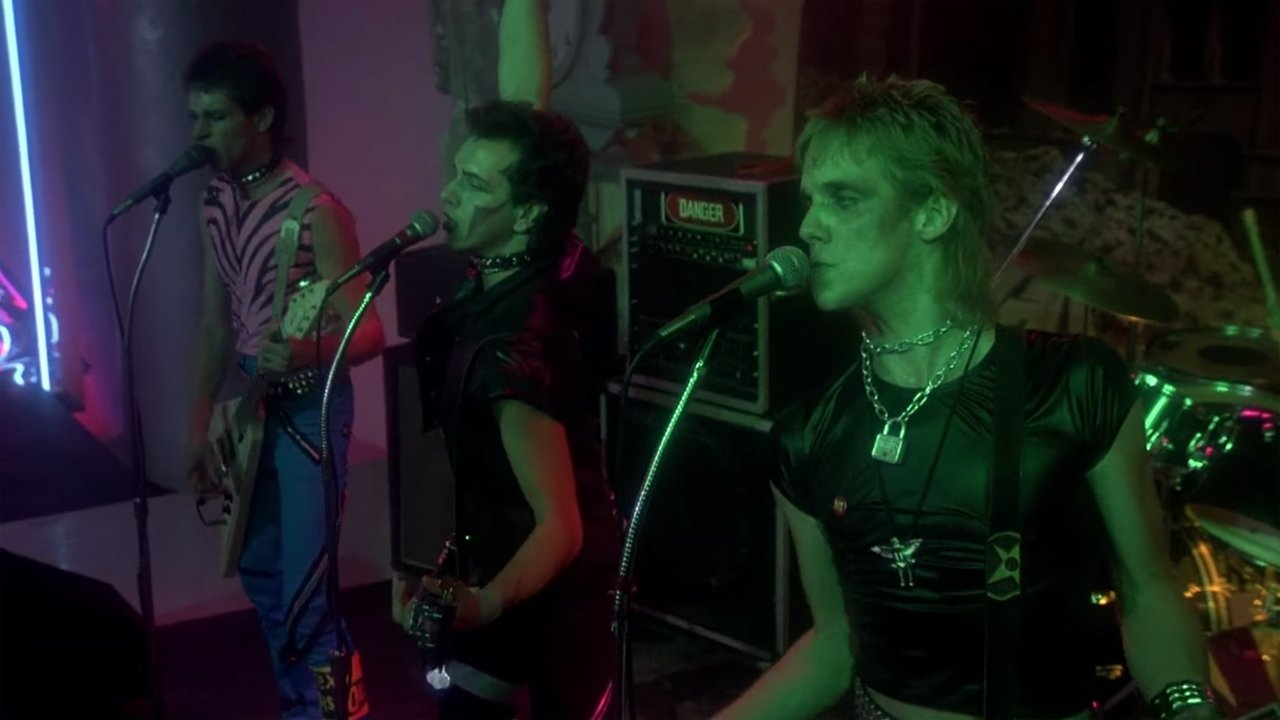
Director Emmett Alston, whose filmography is peppered with similar low-budget genre fare, captures a specific, gritty feel of Los Angeles circa 1980. The film juxtaposes the claustrophobic, neon-lit television studio with the dark streets and slightly seedy locations where Evil stalks his victims. But what truly defines the atmosphere of New Year's Evil is its soundtrack. Forget soaring orchestral scores; this film pulses with raw, energetic punk and new wave tracks from bands like Shadow and Made in Japan. The title song, "New Year's Evil," is an earworm that drills itself into your brain, becoming the killer’s unofficial theme. This musical choice wasn't just background noise; it was central to the film's identity, anchoring it firmly in the cultural moment and lending the proceedings a uniquely frantic energy, even when the pacing sometimes lagged. It genuinely felt like the kind of music you'd hear blasting from car radios or dive bars as the year turned over back then.
The Gimmick and the Gore
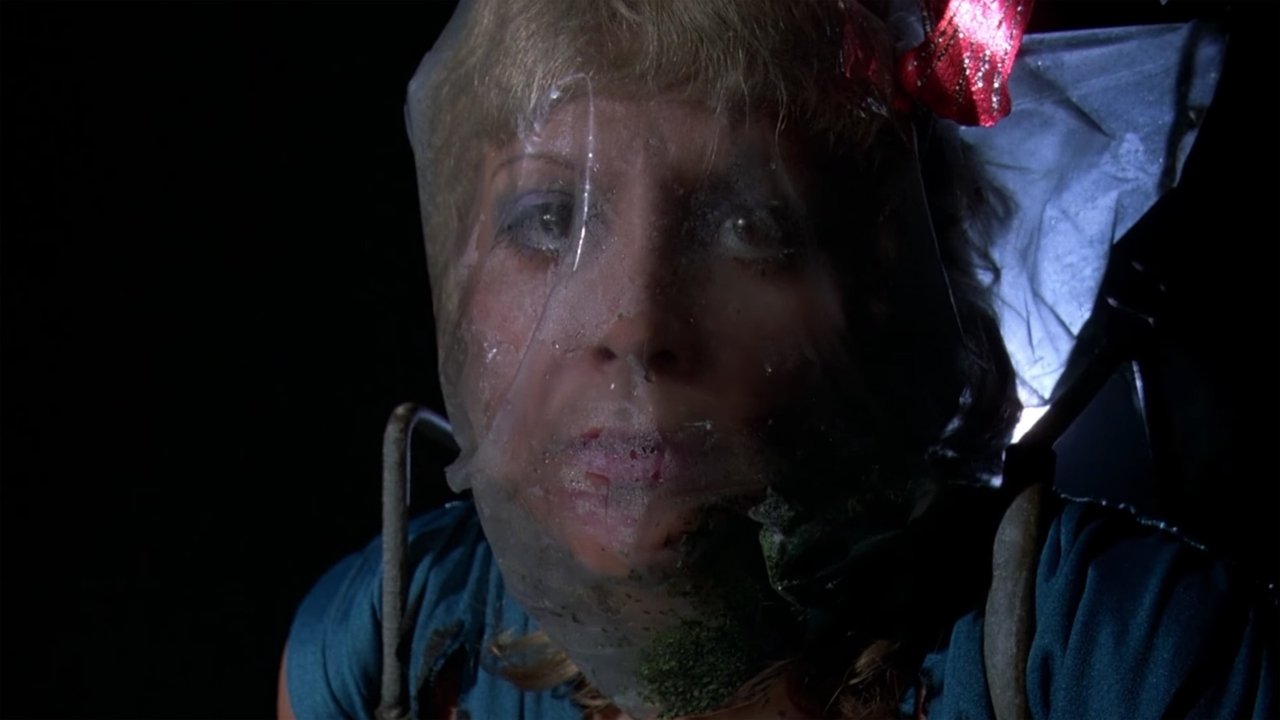
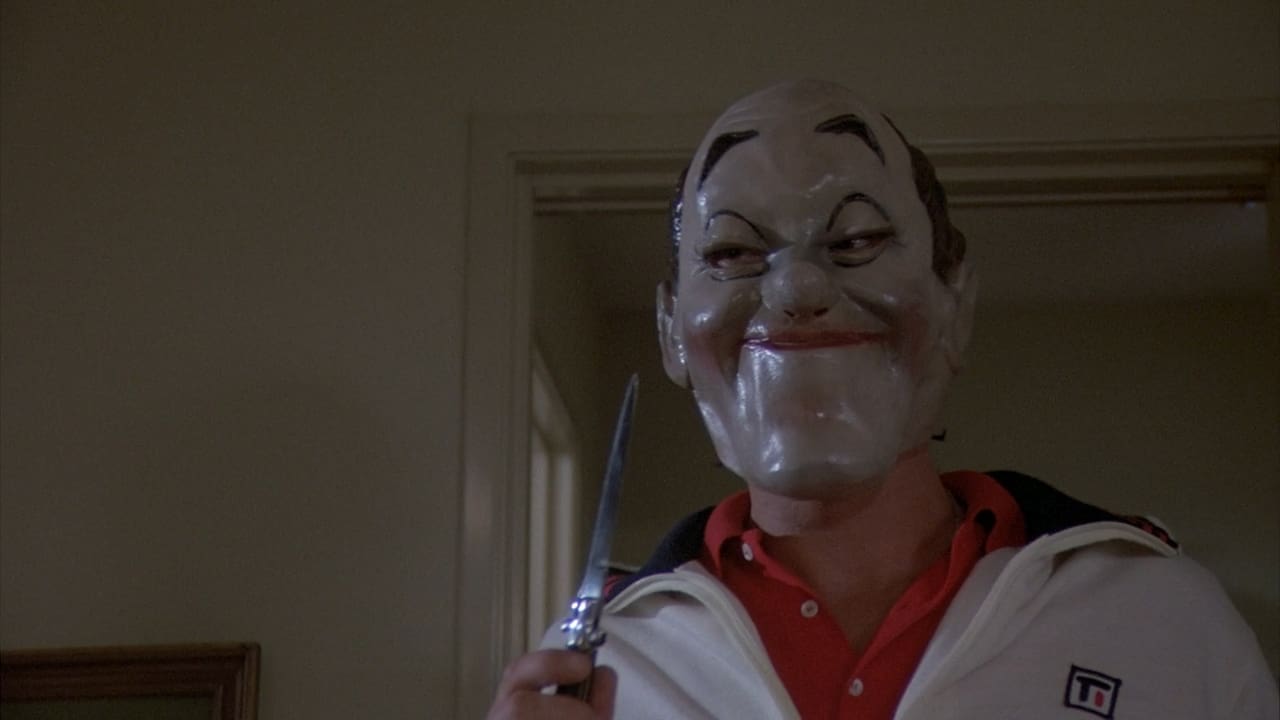
The central conceit – the time zone killer – is undeniably clever for a low-budget slasher. It provides a built-in ticking clock and a structure that allows for varied (if brief) stalking sequences. However, the execution sometimes fumbles the potential. The kills themselves are relatively tame by the standards of the era, relying more on suggestion and the killer's eerie pronouncements than explicit gore, likely a result of both budget constraints and perhaps navigating the ratings board. The killer’s methods and disguises, particularly the infamous latex mask revealed later, have a certain unsettling quality born from their low-fi nature. There’s a disturbing practicality to them that feels grimy and real, even if the effect might seem dated now. Remember trying to figure out who it was under those flimsy disguises?
Cannon Films, under producers Menahem Golan and Yoram Globus, was notorious for churning out films quickly and cheaply, and New Year's Evil certainly bears those hallmarks. Made for a reported budget under $1 million, it embodies their philosophy of delivering marketable concepts on a shoestring. Written by Leonard Neubauer, the script prioritizes its high concept over deep characterization or watertight logic, leading to some head-scratching moments, particularly concerning the killer's near-supernatural ability to be everywhere at once. Yet, there’s an undeniable charm to its rough edges, a feeling of watching something slightly forbidden, plucked from the back shelves of the video store late on a Friday night. It might not have had the marketing muscle of a Friday the 13th, but its lurid poster art and catchy title were enough to guarantee rentals.
Dialing Up a Verdict
New Year's Evil isn't the slickest or scariest slasher from the golden age, but it possesses a unique, slightly off-kilter personality that has earned it a dedicated cult following. Its punk rock heart, Roz Kelly's against-type performance, and that unforgettable central gimmick make it more memorable than many of its contemporaries. It captures a specific moment in time – the transition from the 70s into the 80s, the raw energy of punk clashing with the looming anxieties amplified by the slasher craze. Did it redefine the genre? No. Does it still offer a fun, creepy slice of VHS-era horror? Absolutely. It’s the kind of film perfectly suited for a late-night viewing, perhaps even becoming its own strange New Year's tradition.
Rating: 6/10
It’s flawed, certainly, with pacing issues and some questionable logic, but the core concept, the killer's chilling calls, the punk soundtrack, and Roz Kelly's presence elevate it beyond mere forgettable B-movie fodder. It remains a fascinating time capsule and a testament to Cannon Films' knack for delivering memorable, if imperfect, genre entertainment. That distorted voice whispering "Evil..." still sends a little shiver down the spine, doesn't it?