The air hangs thick and damp around Haddonfield this time. Not just with the usual October chill, but with something heavier, more convoluted. Something… cursed. Halloween: The Curse of Michael Myers landed on video store shelves in 1995 not with the triumphant return of a slasher icon, but with the weary sigh of a franchise visibly tearing itself apart at the seams. This wasn't just another sequel; it felt like deciphering a fragmented message, pieced together in the dark, leaving you more bewildered than frightened, yet strangely compelled to keep watching.
Whispers of Thorn
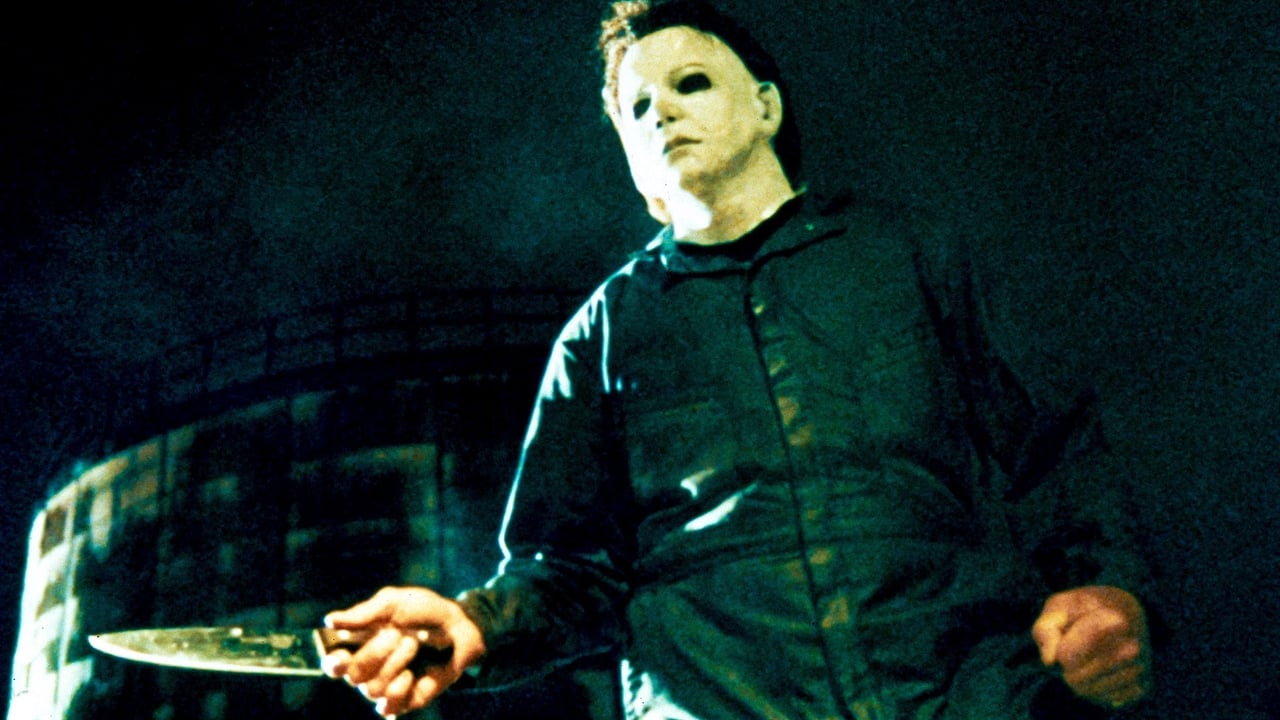
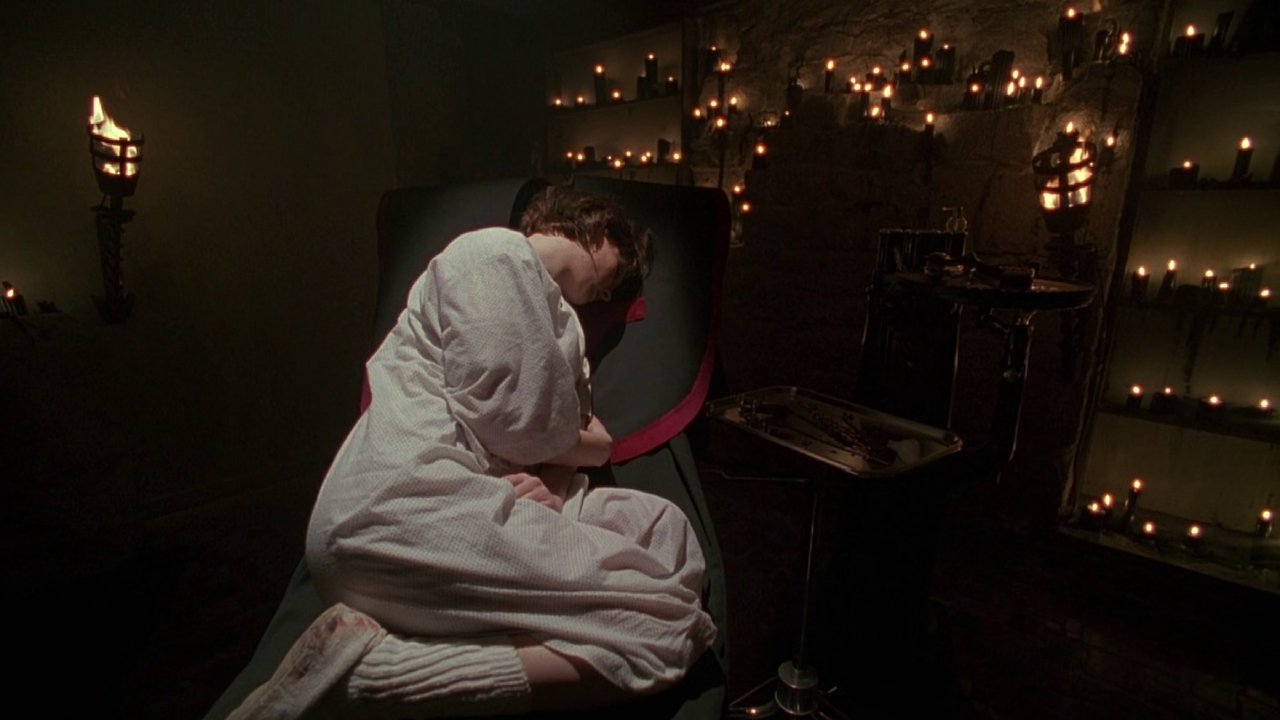
Picking up six years after the (let's be honest, baffling) events of Halloween 5: The Revenge of Michael Myers, this sixth installment dives headfirst into the murky waters hinted at previously: the Man in Black, the strange rune tattoo, the sense that Michael wasn't just pure evil, but perhaps controlled evil. Writer Daniel Farrands, a devoted fan of the series, attempted the near-impossible: to provide a cohesive explanation for Michael's seemingly supernatural abilities and relentless drive. His answer? The Cult of Thorn, an ancient druidic curse compelling one individual from a bloodline to slaughter their family on Samhain, ostensibly to ward off a greater societal plague. It's an ambitious swing, aiming for a mythology deeper than "unstoppable bogeyman," but does it connect? For many, myself included back then, squinting at the flickering CRT, it felt less like lore expansion and more like unnecessary complication, stripping away the terrifying randomness that made Carpenter's original so potent.
A Drenched and Dirty Dread
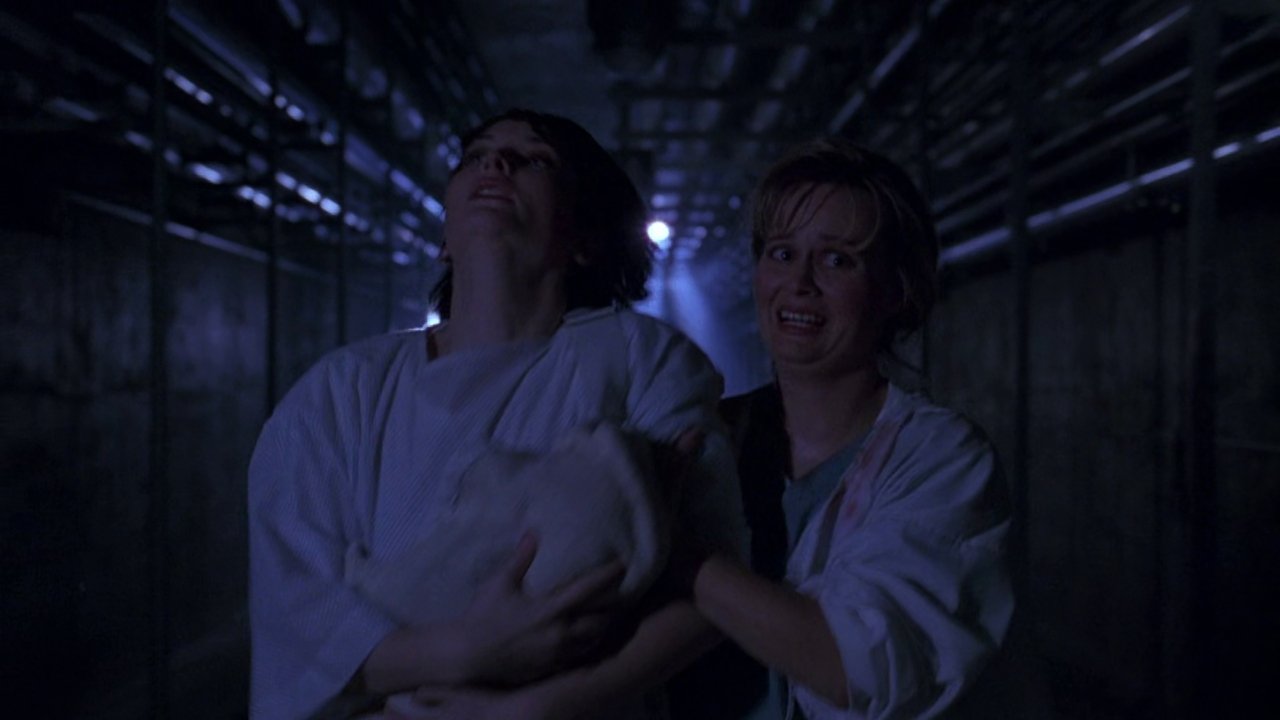
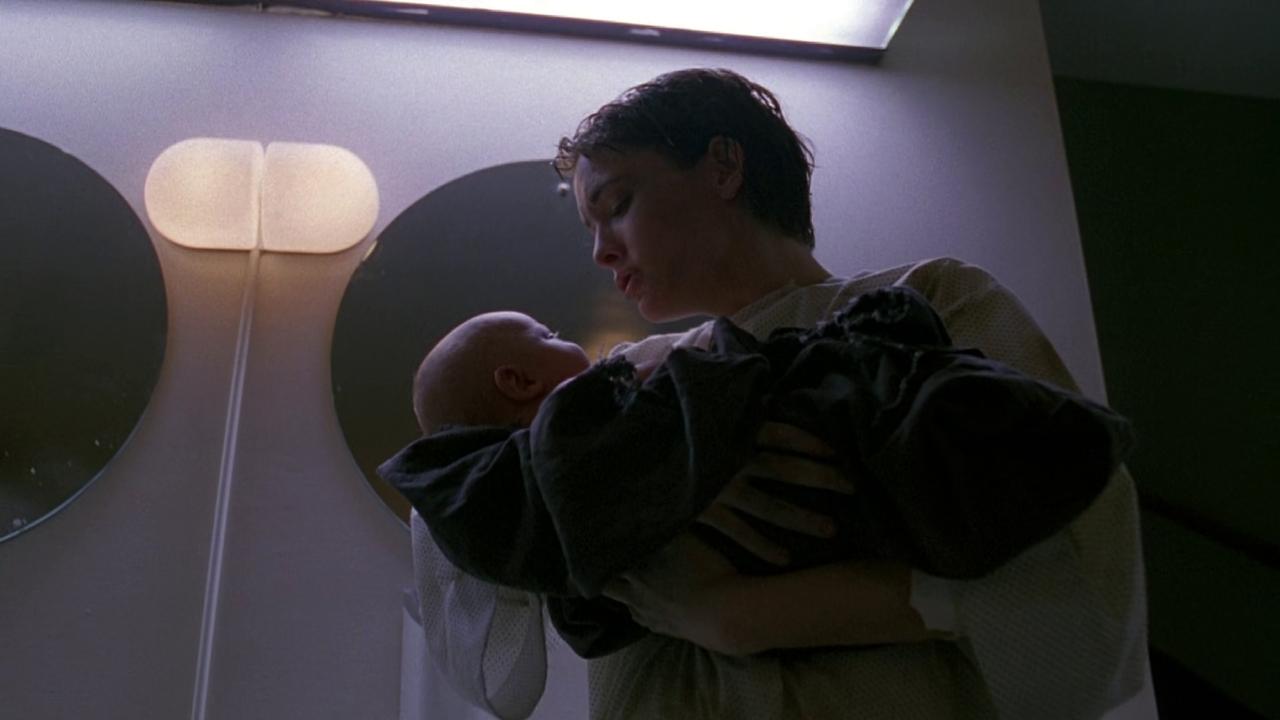
Despite the narrative growing thorny (pun intended), director Joe Chappelle crafts a surprisingly grim and visually distinct atmosphere. Gone is the slightly brighter, almost autumnal feel of some previous entries. Curse is drenched – perpetually rainy, muddy, and steeped in shadows. The production design leans into a grimy, dilapidated aesthetic, particularly within the decaying Myers house and the eerie underground corridors of Smith's Grove Sanitarium. Alan Howarth's score, while incorporating Carpenter's iconic theme, takes on a heavier, more industrial and percussive edge, amplifying the sense of oppressive dread. There are moments here, particularly in the theatrical cut's stalking sequences, where the film achieves a genuine sense of menace, reminding you that even a confused Michael Myers is still Michael Myers.
Familiar Faces, New Intensity
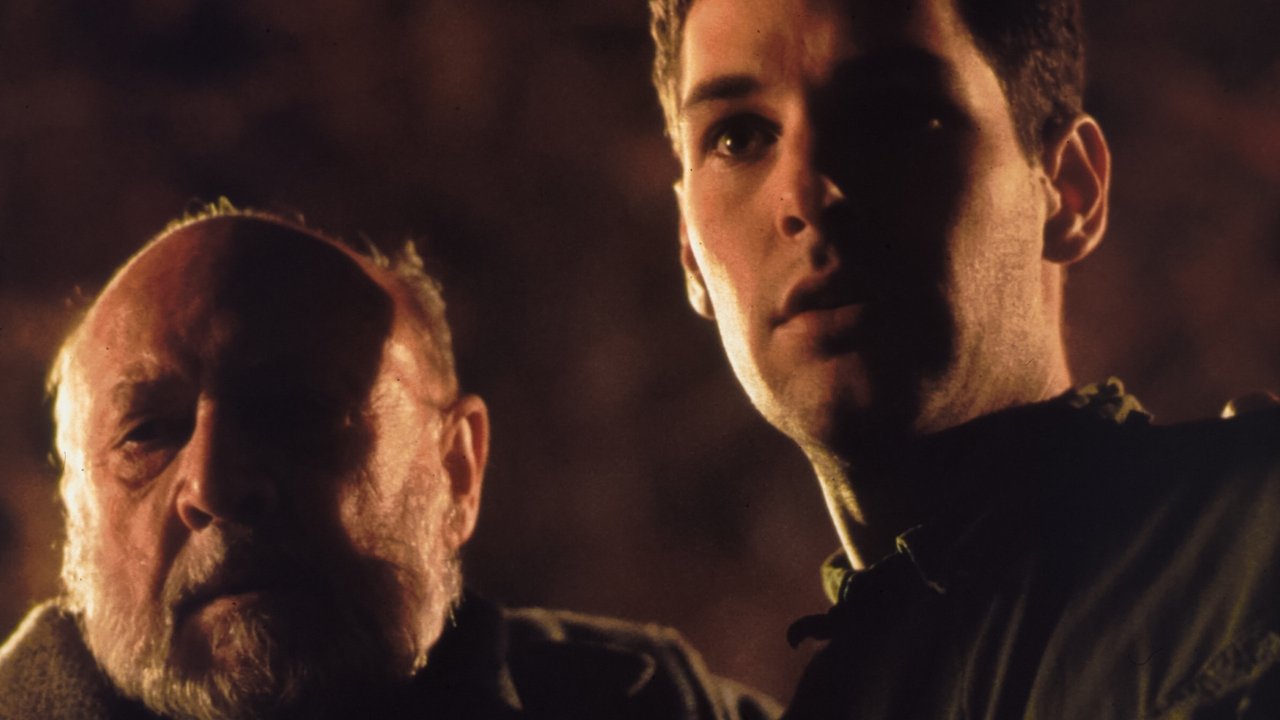
This film marks the final, poignant appearance of the legendary Donald Pleasence as Dr. Sam Loomis. Frail but fiercely determined, Pleasence brings his signature gravitas, even when wrestling with dialogue about ancient curses. There’s a sad irony knowing his character’s fate was ultimately decided by reshoots filmed after his passing. His dedication anchors the film, a familiar, weary warrior battling an evil he still doesn't fully comprehend, but now suspects has ancient roots. Opposite him, we get a fascinating early-career performance from Paul Rudd as Tommy Doyle, the boy Laurie Strode babysat all those years ago. Rudd plays Tommy not as a victim, but as an obsessive, slightly unhinged survivor, dedicating his life to understanding and stopping Michael. It's an intense, brooding turn far removed from the affable charm he'd later become known for. Marianne Hagan does her best as Kara Strode, the new final girl living in the dreaded Myers house, caught between the Cult and the Shape.
The Curse Behind the Camera
You can't discuss Halloween 6 without delving into its notoriously troubled production – a saga almost as convoluted as the Cult of Thorn itself. This film is practically legendary for existing in two vastly different forms. Farrands' original script was altered significantly during shooting, and then, after disastrous test screenings where audiences reportedly laughed at the Cult-heavy plot and ambiguous ending, Dimension Films (helmed by the infamous Weinstein brothers) demanded extensive reshoots. These reshoots, handled by Chappelle months later, aimed for more gore, a faster pace, and a less mystical, more action-oriented climax. This resulted in the Theatrical Cut most of us rented back in '95 – a version that sidelined much of the Thorn storyline, added brutal (and sometimes nonsensical) kills, and hastily wrapped things up, especially difficult given Donald Pleasence had passed away in the interim.
For years, whispers of the original version, the "Producer's Cut" (or Workprint), circulated among fans like a coveted bootleg tape. Featuring more Loomis, a clearer (though still complex) explanation of the Cult's motives, a different fate for Jamie Lloyd (played briefly by J.C. Brandy), and a significantly altered ending involving runes and Michael's temporary defeat, this version finally saw an official release decades later. Its existence highlights the studio interference and creative battles that plagued the $5 million production, leaving us with two distinct, yet equally flawed, visions of the same story. It's a prime example of 90s studio meddling impacting a horror franchise's direction.
Michael: Brutal But Bogged Down?
In the Theatrical Cut, Michael is arguably at his most physically brutal. The kills are nastier, more visceral, amped up for the mid-90s gorehound crowd. He impales someone on a fuse box, crushes a head, shoves a victim onto farm equipment – it’s relentless. Yet, the attempt to explain his actions via the Thorn curse does dilute some of the primal fear. Is he scarier as an unknowable force of nature, or as a puppet of some ancient conspiracy? The film can't quite decide, and Michael often feels caught between being a supernatural entity and just a really, really angry guy in a mask (a mask, by the way, whose design changed noticeably between original filming and the reshoots, another visual tell of the film's fractured creation).
A Flawed Relic with a Cult Following
Halloween: The Curse of Michael Myers is a fascinating mess. It’s a film burdened by studio interference, conflicting creative visions, and the unenviable task of explaining the unexplainable. The plot is often clunky, the Thorn mythology divisive, and the final product (especially the Theatrical Cut) feels disjointed. Yet… there’s something undeniably compelling about it. The grim atmosphere, Pleasence’s final stand, Rudd's intense portrayal, and the sheer legendary chaos of its production give it a unique place in horror history. It’s a quintessential flawed 90s horror sequel – trying too hard perhaps, but swinging for the fences with a dark ambition rarely seen in the franchise before or since (until perhaps the Rob Zombie entries). It captures that specific mid-90s vibe where horror was getting grittier, trying to find new ways to shock after the slasher boom faded.
Rating: 4/10
Justification: The score reflects the film's significant narrative problems, the jarring tonal shifts caused by reshoots, and the often nonsensical plot developments, particularly in the Theatrical Cut. However, it avoids a lower score due to its genuinely effective atmosphere at times, Donald Pleasence's unwavering commitment, Paul Rudd's interesting performance, and its undeniable status as a cult object born from production turmoil. It's a failure in many ways, but a fascinatingly watchable one that sparks endless debate among fans – the very definition of a VHS-era curiosity.
Final Thought: Whether you track down the Producer's Cut or stick with the bloodier Theatrical version you remember from that worn-out rental tape, The Curse of Michael Myers remains a testament to a franchise wrestling with its own legacy, a dark, flawed, and unforgettable detour on the road back to Haddonfield.