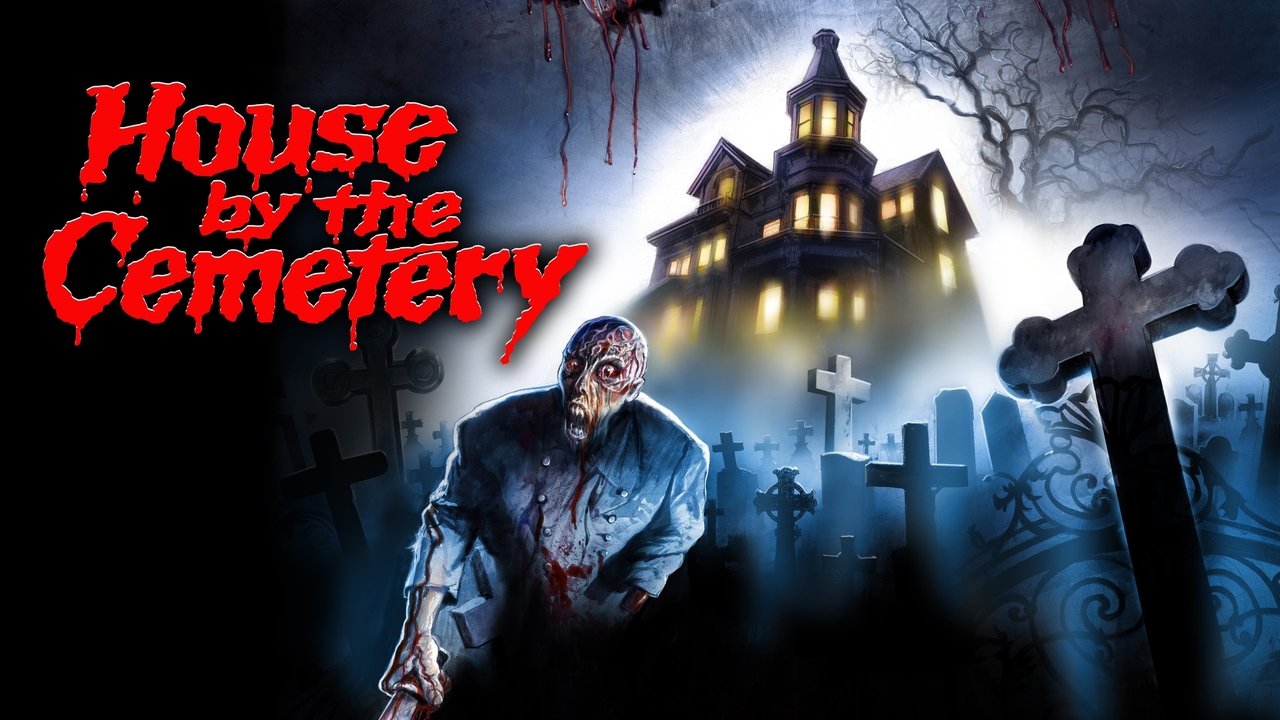
Some houses whisper secrets. Others scream them. The Freudstein place, nestled uncomfortably close to that shadowed cemetery, belongs firmly in the latter category. There’s a chill that settles deep in the bones watching The House by the Cemetery, Lucio Fulci’s 1981 descent into gothic dread and visceral horror. It's the kind of film that felt illicit on VHS, a grainy portal into something unsettlingly primal, discovered late at night when the world outside was asleep, leaving you alone with the flickering screen and the mounting sense of unease.
A Shadow Over New England
The setup is classic haunted house fodder: Dr. Norman Boyle (Paolo Malco) relocates his wife Lucy (Catriona MacColl, a familiar face for those who braved Fulci's City of the Living Dead or The Beyond) and their young son Bob (Giovanni Frezza) from New York City to the remote New England town of New Whitby. Norman is tasked with continuing the research of a colleague who murdered his mistress and then committed suicide – research conducted in the very house the Boyles are now renting. The colleague warned of horrors within, naturally. From the moment they arrive, the atmosphere is thick with foreboding. Bob strikes up an unsettling friendship with Mae (Silvia Collatina), a seemingly spectral little girl visible only to him, who warns him to stay away. Doesn't that already send a shiver down your spine? The house itself feels like a character – imposing, decaying, and holding onto its darkness with a suffocating grip.
Fulci's Theatre of Cruelty
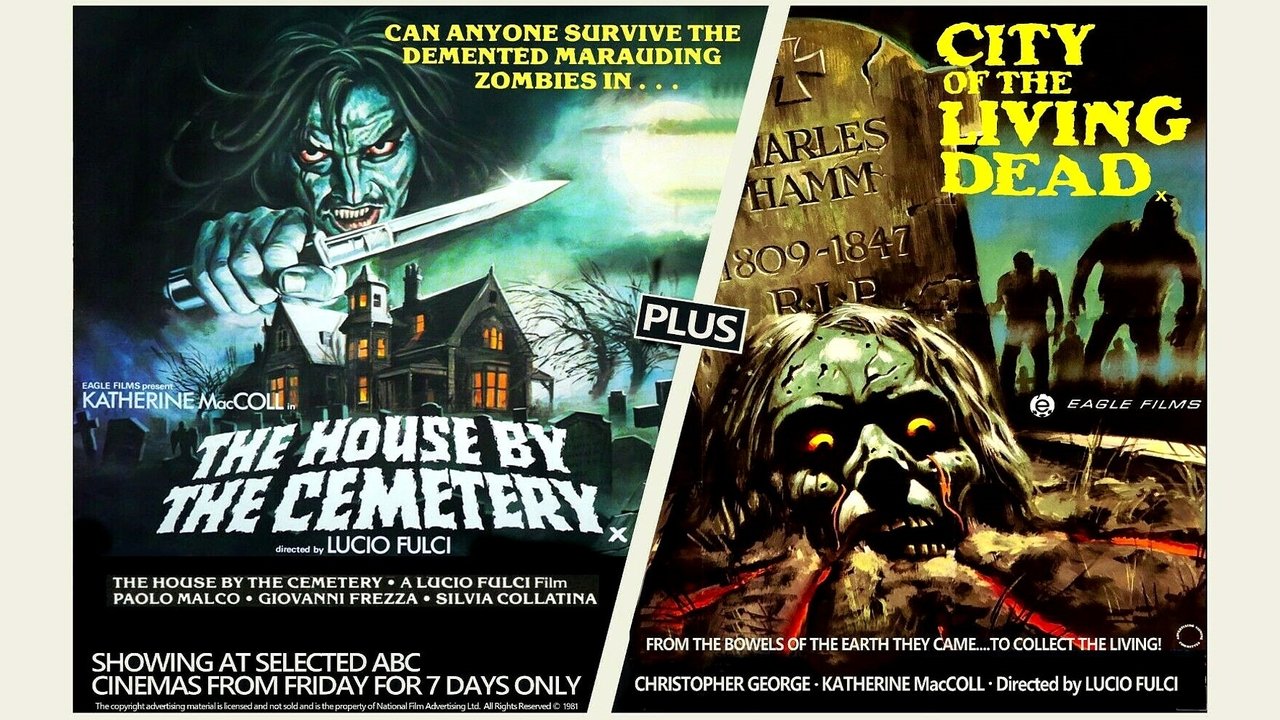
Lucio Fulci, the Italian maestro of the macabre, wasn't known for subtlety, and The House by the Cemetery is no exception. While often considered the slightly more conventional entry in his unofficial "Gates of Hell" trilogy, it still bears his unmistakable stamp. The logic is dreamlike, often bordering on the nonsensical, but the feeling is palpable. Fulci prioritizes atmosphere and shocking imagery over narrative coherence. The film achieves a genuinely creepy vibe, thanks in part to Sergio Salvati's cinematography, which makes the shadowy corners and cluttered rooms of the house feel both vast and claustrophobic. Adding immeasurably to the mood is Walter Rizzati's score – a haunting mix of eerie childlike melodies and discordant stings that burrow under your skin. Fulci himself apparently suffered a fall before shooting, directing portions of the film while visibly uncomfortable, a detail that perhaps unintentionally mirrors the pained, decaying state of the film’s central monster.
Interestingly, while ostensibly set in New England, those iconic exterior shots of the Freudstein house were indeed filmed in Massachusetts – the historic Ellis House in Scituate provides the unforgettable façade. However, like many Italian productions of the era aiming for an American feel on a tight budget, the interiors were constructed and filmed back in Italy, specifically at the Incir De Paolis Studios in Rome. This geographical split perhaps contributes to the film’s slightly disjointed, dreamlike quality.
When Practical Gore Felt Real
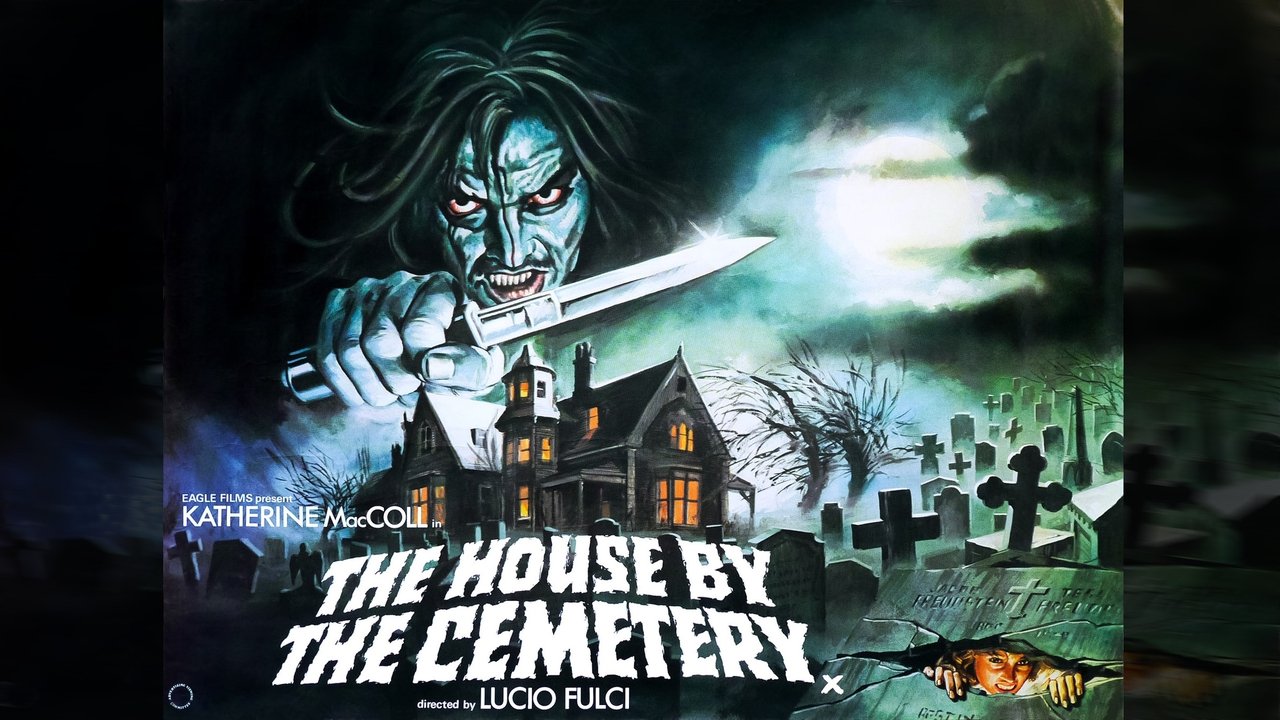

Let’s be honest, for many viewers back in the day (and perhaps still now), a major draw for a Fulci film was the gore. And The House by the Cemetery delivers, courtesy of effects wizard Giannetto De Rossi, who also worked on Fulci’s notorious Zombi 2 (1979). The kills are brutal, unflinching, and stomach-churningly graphic for their time. A throat slashed by a shard of wood, a head repeatedly slammed against a cellar door, a gruesome decapitation – these moments were shocking on grainy VHS, feeling disturbingly tangible. Remember the impact of seeing that knife plunge towards an eye? Even if Fulci doesn't quite deliver his signature ocular trauma here with the same gusto as elsewhere, the threat lingers. The film's graphic content landed it squarely on the infamous "Video Nasty" list in the UK during the moral panic of the early 80s, requiring significant cuts for release – a badge of honour, perhaps, for hardcore horror fans hunting down the goriest tapes.
Faces in the Shadows
Catriona MacColl anchors the film with a performance that balances maternal concern with mounting terror, reprising her role as the audience surrogate navigating Fulci’s nightmare logic. Paolo Malco is suitably academic and increasingly frayed as the husband delving into secrets best left buried. But perhaps the most discussed performance belongs to young Giovanni Frezza as Bob. In the widely circulated English dub, Bob’s voice is provided by an adult woman attempting a child’s inflection, resulting in one of the most bizarre and unintentionally creepy vocal performances in horror history. It adds a layer of profound strangeness that enhances the film's off-kilter atmosphere, even if born from post-production necessity rather than artistic intent. And then there’s Ania Pieroni, fresh off Dario Argento's Inferno (1980), adding an air of ambiguous mystery as the Boyles' unnerving babysitter, Ann. Is she merely strange, or something more sinister?
Unearthing Dr. Freudstein
Spoiler Alert! The film’s lingering power resides in its slow-burn mystery culminating in the reveal of the house’s occupant: the monstrous Dr. Freudstein. A disgraced Victorian-era surgeon obsessed with extending his own life through gruesome experimentation, Freudstein lurks in the cellar, a grotesque patchwork of decaying flesh kept alive by draining victims. His shambling, maggot-ridden appearance is a triumph of practical makeup effects, genuinely nightmarish even today. The reveal, when Norman finally breaks through into the hidden depths of the house, remains a potent piece of horror imagery. The narrative threads might fray (What exactly was the previous researcher doing? What’s the deal with Mae?), but the visceral horror of Freudstein’s existence and the claustrophobia of that final confrontation are undeniably effective. Stories persist that the script, credited to Fulci, Dardano Sacchetti, and Giorgio Mariuzzo, was somewhat fluid, with Fulci prioritizing key sequences and atmosphere over strict plot mechanics – a common approach for the director.
Lingering Chill in the VHS Static
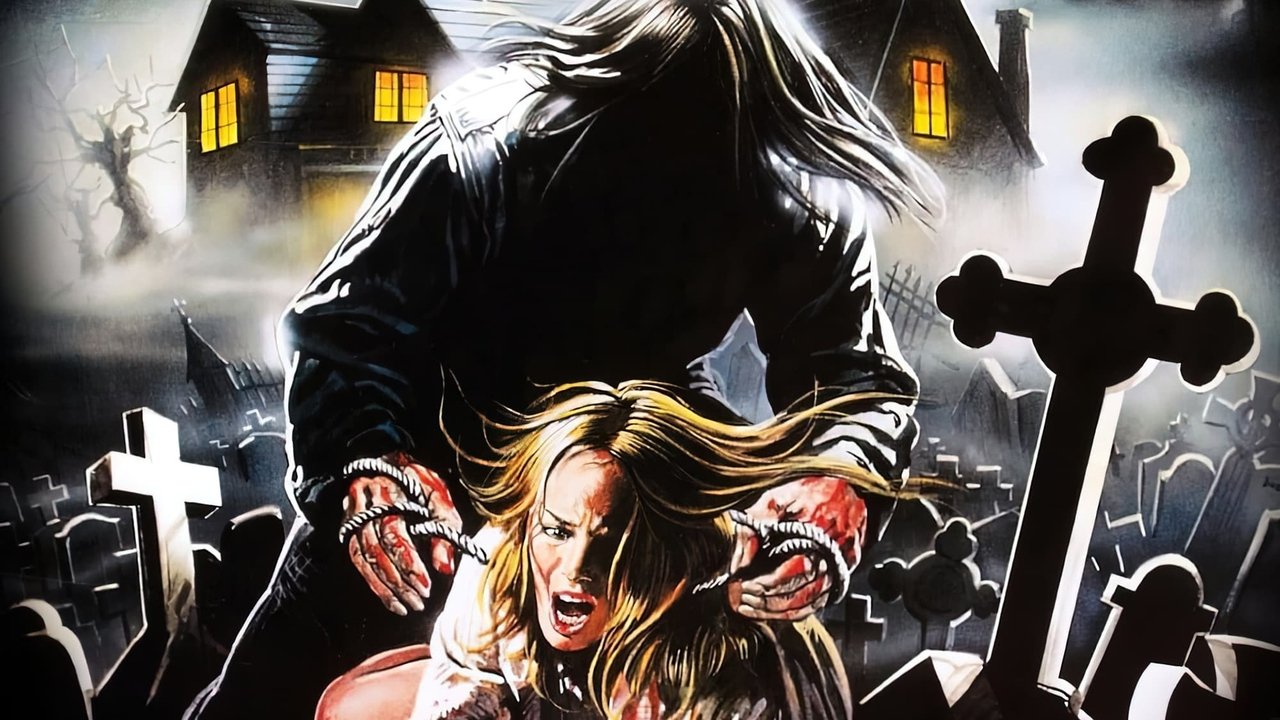
The House by the Cemetery might lack the cosmic horror scope of The Beyond or the zombie siege intensity of City of the Living Dead, but it excels as a gruesome, atmospheric haunted house tale steeped in gothic dread. It’s a film that feels perfectly suited to the grainy intimacy of VHS – a dark secret passed between friends, watched with a mixture of fascination and revulsion. Its flaws – the erratic pacing, the sometimes baffling plot leaps, that infamous dubbing – are arguably part of its enduring charm for fans of Italian horror. It’s a film that doesn’t just show you horrors; it makes you feel the damp chill of the cellar, the oppressive weight of the past, and the sticky dread of what lurks just beyond the locked door.
Rating: 7/10
This score reflects the film's undeniable atmospheric strengths, memorable gore effects, and genuinely creepy villain, which effectively overcome its narrative shortcomings and occasional awkwardness. It's a prime slice of early 80s Italian horror that delivers the specific kind of dread Fulci excelled at, even if it's not his absolute masterpiece. For fans of the era and the director, it remains a must-see, a chilling reminder of a time when horror felt genuinely handmade and disturbingly visceral, lingering long after the tape stopped rolling. Doesn't that final, bleak image still haunt you?