Okay, picture this: browsing the 'World Cinema' shelf at the local video store back in the day – a bit dusty, maybe tucked between well-worn copies of Kurosawa and whatever Italian action flick just landed. Sometimes, you’d stumble upon something unexpected, a cover that promised… well, you weren’t entirely sure what, but it looked intriguing. For many of us outside Poland, that’s how we might have discovered Juliusz Machulski’s brilliant 1981 debut, Vabank. This isn't your typical crash-bang-wallop 80s fare; instead, it’s a smooth, stylish, and utterly charming heist comedy that feels like finding a perfectly preserved vintage suit in your grandpa's attic.
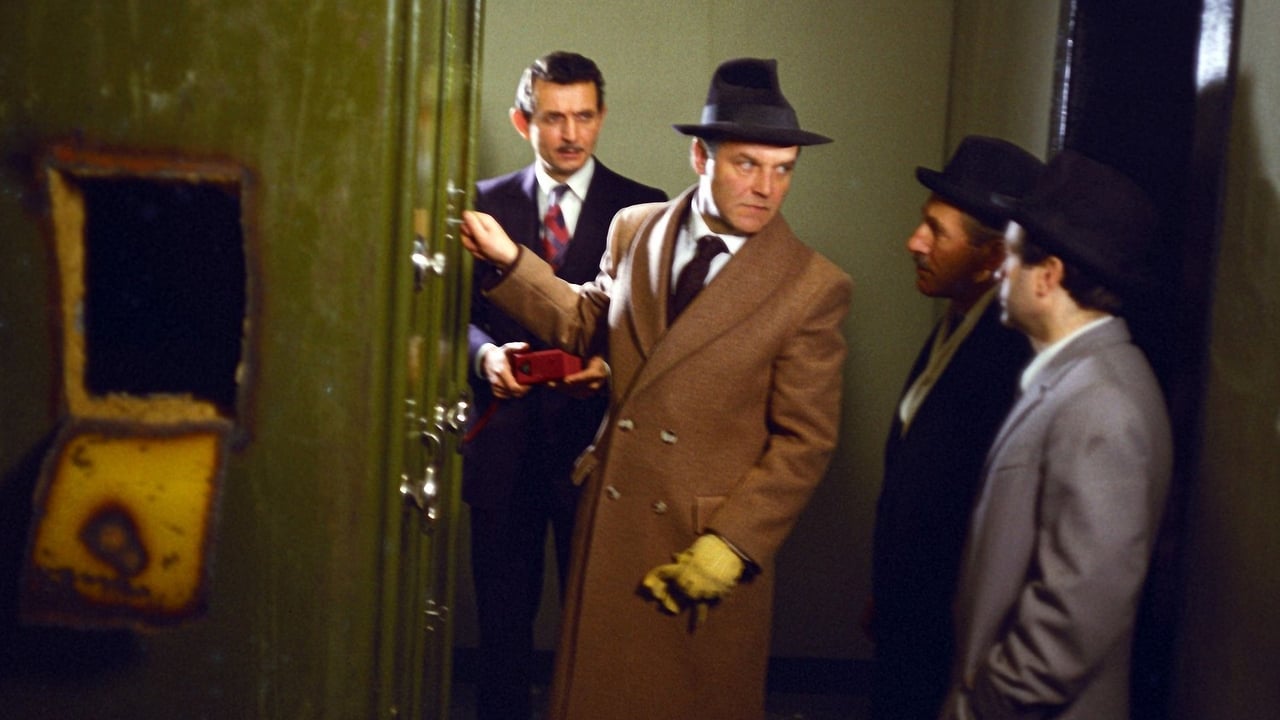
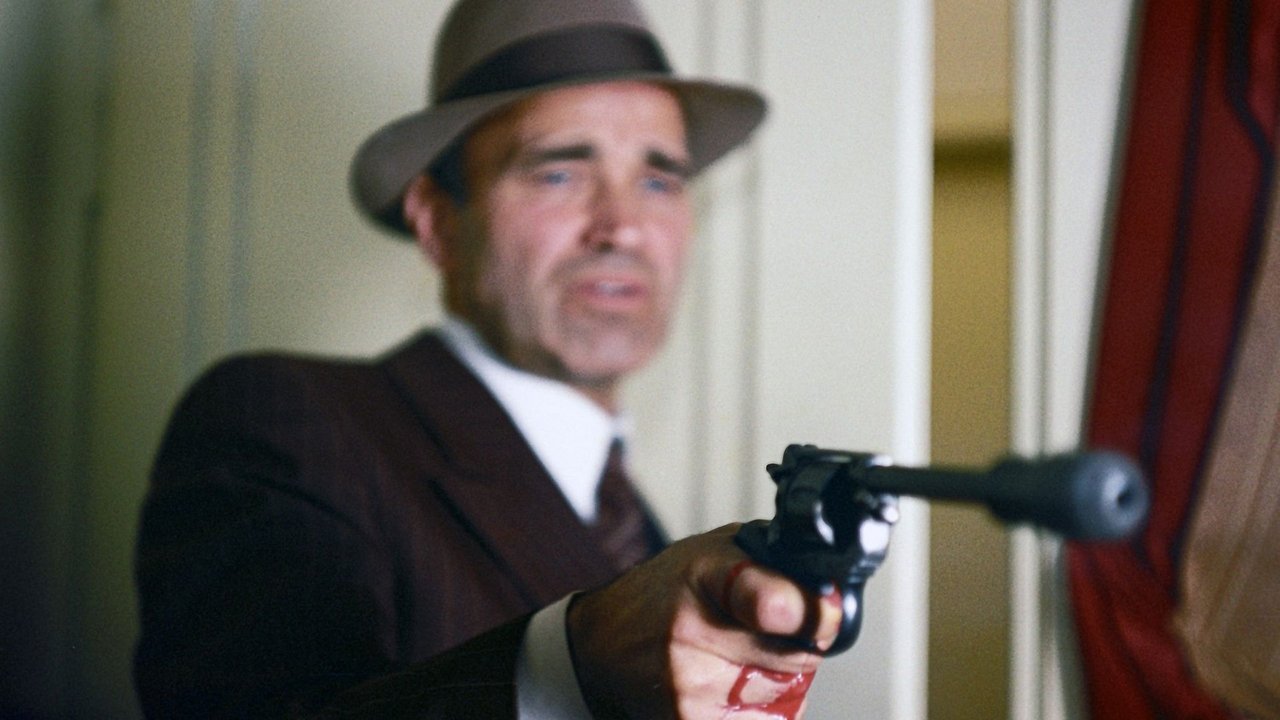
Set in the surprisingly glamorous (and dangerous) Warsaw of 1934, Vabank introduces us to Henryk Kwinto (Jan Machulski, the director's own father, in a career-defining role), a legendary safe-cracker fresh out of prison. He's planning on going straight, maybe playing his trumpet in smoky jazz clubs, but fate – and betrayal – have other plans. His former associate, the utterly ruthless banker Gustaw Kramer (Leonard Pietraszak, oozing villainy from every pore), not only framed Kwinto years ago but has also callously disposed of Kwinto’s best friend. Revenge, as they say, is a dish best served cold… and with incredibly elaborate planning.
### The Art of the Steal, 1930s Style
What follows isn't a frenzy of car chases or shootouts, but something far more satisfying: a meticulously crafted revenge plot. Kwinto assembles a small, quirky crew, including the nervous Duńczyk (Witold Pyrkosz) and the eager young Moks (Jacek Chmielnik), to execute a seemingly impossible heist against Kramer's heavily fortified bank. The "action" here is cerebral, focusing on Kwinto's genius-level planning, the intricate mechanics of safe-cracking (depicted with fascinating detail for the time), and the delicious tension of watching their scheme unfold step-by-step.
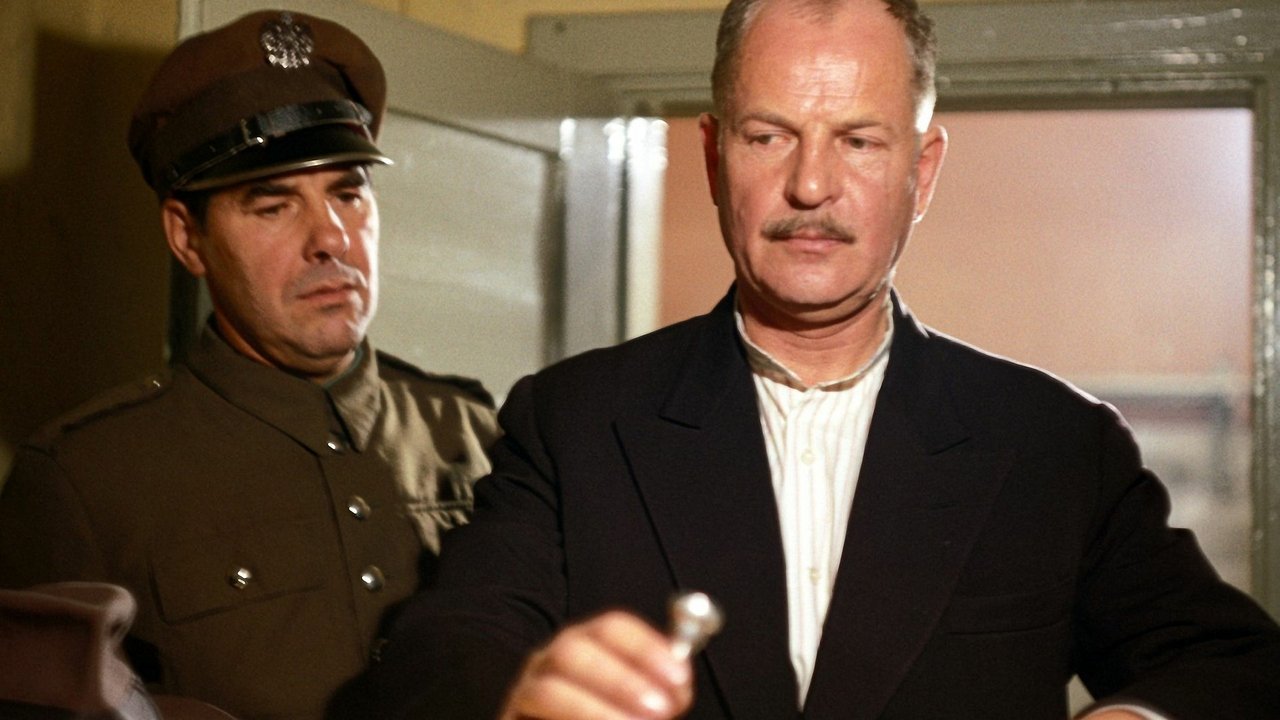
Remember how satisfying it was to watch elaborate plans come together in older films, before quick cuts and CGI took over? Vabank nails that feeling. Every detail matters, from bribing the right official to exploiting Kramer’s own arrogance. It’s a testament to Juliusz Machulski's incredibly sharp script and direction – especially remarkable considering this was his feature debut, made when he was just 26! He blends suspense, dry wit, and genuine character moments with the confidence of a seasoned pro. You can almost feel the cogs turning in Kwinto’s mind, the quiet clicks of tumblers falling into place.
### More Than Just a Heist
While the central plot is a classic revenge caper, recalling elements of The Sting (1973) but infused with a distinctly Polish sensibility, Vabank offers so much more. The period detail is wonderful, evoking 1930s Warsaw through costumes, sets, and that general pre-war European atmosphere. It’s worth noting that much of the film was shot in Łódź and Piotrków Trybunalski, cleverly standing in for the capital. It captures a specific time and place with real affection.
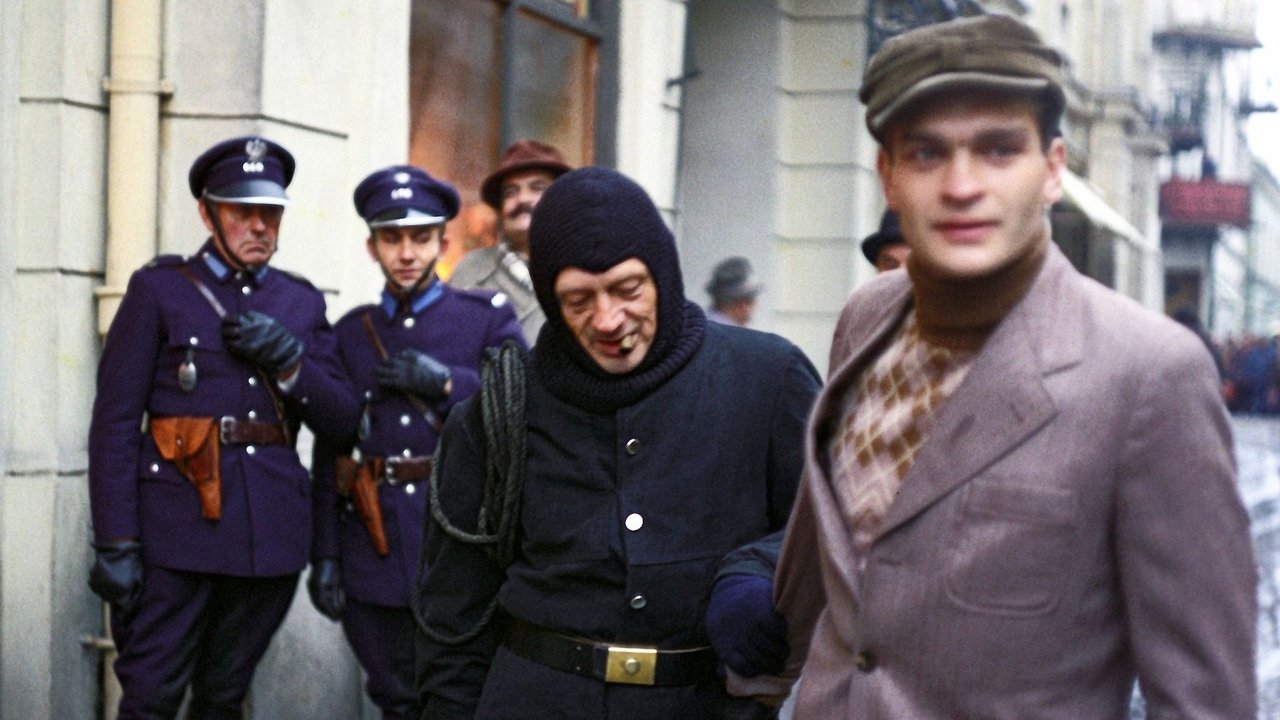
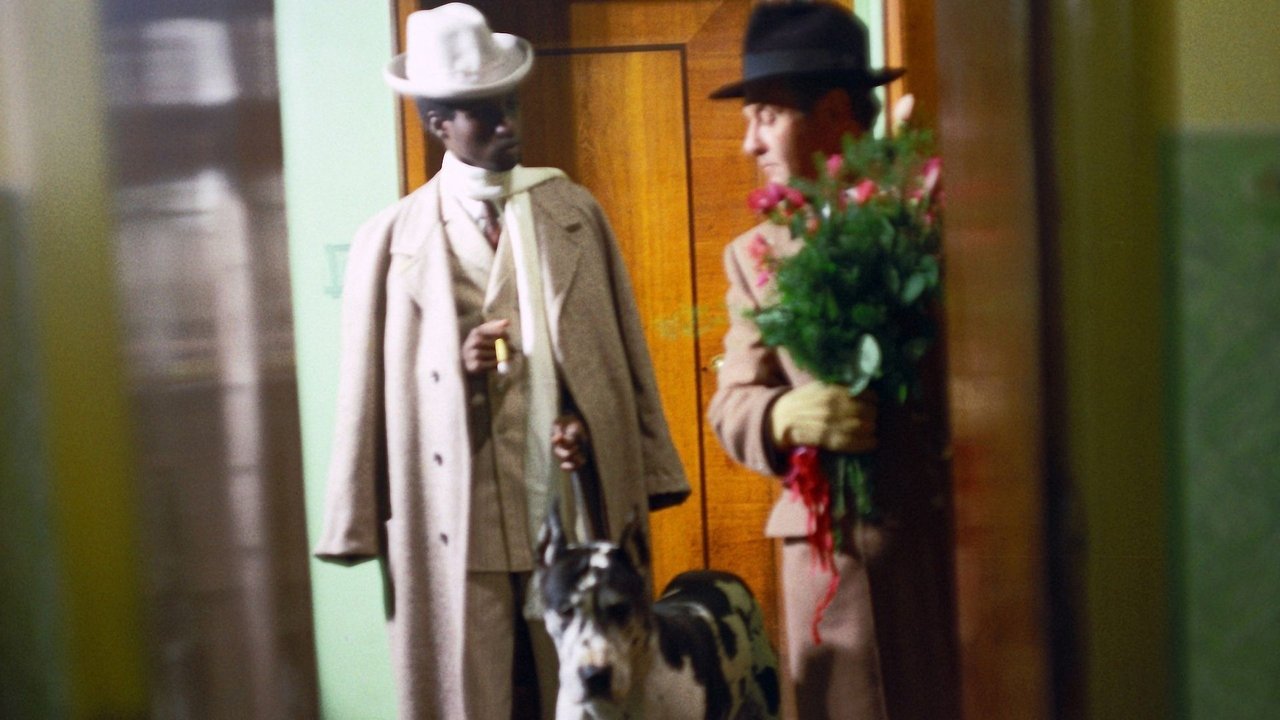
The performances are uniformly excellent. Jan Machulski is Kwinto – cool, sophisticated, carrying the weight of his past but with a twinkle in his eye. He's the kind of effortlessly charismatic protagonist you just don't see often enough anymore. Pietraszak makes Kramer a truly hissable villain, embodying unchecked greed and cruelty. And the supporting players add layers of humour and humanity. Add to this the absolutely iconic, jaunty, and instantly recognizable musical score by Henryk Kuźniak, and you have a film where every element clicks perfectly into place. It’s no wonder Vabank was a phenomenon in Poland upon its release, spawning a sequel (Vabank II, czyli riposta in 1984) and remaining a beloved classic. The title itself, a poker term meaning "all in," perfectly captures the high-stakes gamble Kwinto is taking.
### That Warm VHS Glow
Discovering Vabank on VHS felt like uncovering a secret handshake into a cooler, smarter kind of retro cinema. It lacked the bombast of its American contemporaries but replaced it with sheer cleverness and style. Watching it now, perhaps on a less fuzzy screen, its intricate plot and witty dialogue haven't aged a day. The pacing is deliberate, allowing you to savour the details, the performances, and the gradual tightening of the net around Kramer. It’s a reminder that suspense doesn’t always need explosions; sometimes, the click of a lock or a well-timed bluff is far more thrilling.
It wasn't just popular; it swept awards in Poland and charmed audiences internationally where it was shown. It proved that sophisticated genre filmmaking could thrive anywhere, even behind the Iron Curtain, telling universal stories of revenge, justice, and outsmarting the powerful. I distinctly remember rewinding the safe-cracking sequence on my rented tape, marvelling at the apparent ingenuity – a low-tech thrill that modern heist flicks often struggle to replicate.
Rating: 9/10
Vabank is a masterclass in clever construction and effortless cool. The rating reflects its near-perfect execution as a witty, suspenseful, and endlessly charming heist comedy. It’s smart, stylish, funny, and features pitch-perfect performances, all wrapped in gorgeous period detail and driven by an unforgettable score. It might lack the pyrotechnics some crave, but its intricate plotting and smooth charisma offer a far more enduring satisfaction.
Final Thought: Forget digital lockpicks and laser grids; Vabank reminds us that the most satisfying heists are pulled off with brains, brass balls, and a whole lot of old-school Polish panache – a timeless gem that still feels fresh off the video store shelf.