Alright, rewind time! Let’s dust off a tape that probably sat right next to its more famous older sibling on the video store shelf: 1993’s Another Stakeout. Pulling this one out felt like revisiting an old friend – maybe not the coolest friend, but definitely one who guaranteed a comfortable chuckle and some familiar faces doing what they do best. Six years after the original Stakeout charmed us with its blend of laughs, suspense, and genuinely palpable chemistry, Detectives Chris Lecce and Bill Reimers were back, trading gritty Seattle streets for... well, manicured suburban lawns.
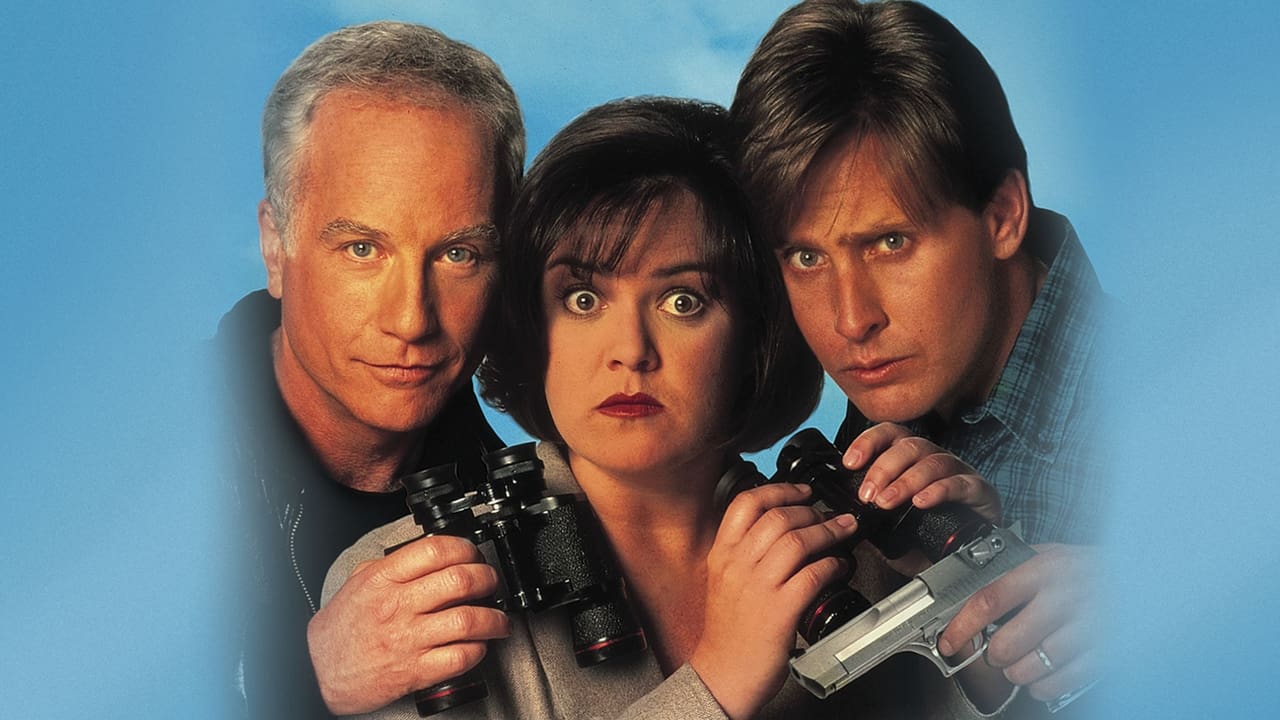
Same Cops, New Curtains
The magic trick of the original Stakeout (1987) was that potent, sparky dynamic between the wisecracking veteran Lecce (Richard Dreyfuss) and the by-the-book (but loosening up) Reimers (Emilio Estevez). Thankfully, that core appeal is still very much intact here. Dreyfuss slides back into Lecce’s comfortable cynicism and charm effortlessly, while Estevez brings that familiar earnest energy, albeit slightly more seasoned. Director John Badham, who also helmed the first film along with classics like WarGames (1983) and Short Circuit (1986), clearly knew not to mess too much with a winning formula, reuniting with writer Jim Kouf to bring the boys back. The banter still flies fast, feeling less like scripted dialogue and more like two guys who’ve genuinely spent years riding shotgun together. You just believe these two as partners.
Enter the Third Wheel (and a Rottweiler)

This time, though, there’s a new wrinkle. When a crucial witness against the mob (Cathy Moriarty, perfectly cast) goes missing after her safehouse is attacked, Lecce and Reimers are tasked with staking out the lakeside home of some potential contacts, the Thompsons. The twist? Assistant DA Gina Garrett (Rosie O'Donnell) insists on tagging along, forcing our mismatched duo to pose as a husband-and-wife team... with Bill as their bewildered adult son. O'Donnell, riding high on her stand-up and talk show fame at the time, dives headfirst into the chaos. Her character is brassy, often inept in the field but fiercely determined, creating a whole new layer of domestic friction and comedic potential. It's a testament to the script and performers that she integrates fairly well, though some fans of the original might miss the romantic subplot energy Madeleine Stowe brought (reportedly, Kouf found it tricky to weave her character naturally into this new domestic charade scenario, leading to her absence). Adding to the household mayhem is a scene-stealing Rottweiler named Schnapps, responsible for more than a few moments of pure physical comedy gold.
Suburban Surveillance and Sitcom Stakes
Let’s be honest, Another Stakeout doesn't quite recapture the grittier suspense or the slightly dangerous edge of the original. The move to the suburbs inherently softens things, leaning more heavily into fish-out-of-water comedy and situational humour. Think less tense stakeout, more undercover sitcom. We get gags involving nosy neighbours, disastrous attempts at cooking, and the general absurdity of three law enforcement officers trying desperately to appear like a normal, boring family. Filmed largely around Vancouver, BC (doing a solid job standing in for the Pacific Northwest suburbs) and with sequences in Las Vegas, the locations provide a bright, almost cheerful backdrop to the undercover antics.
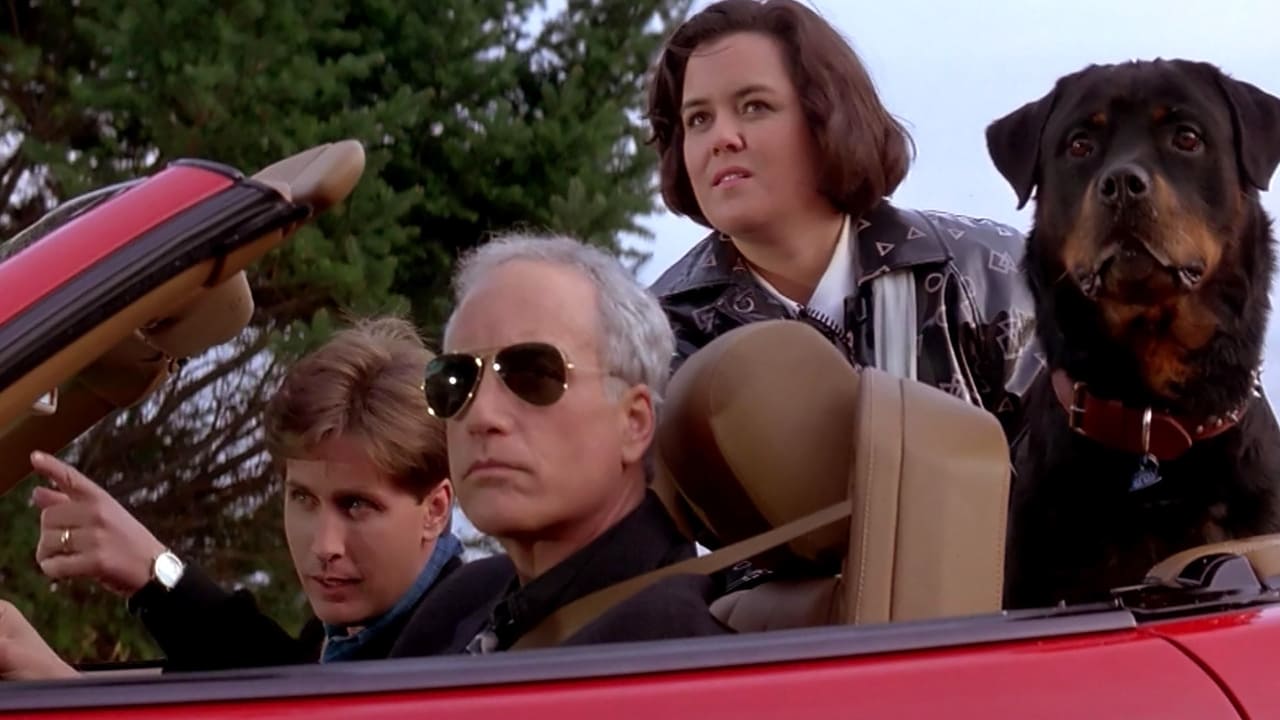
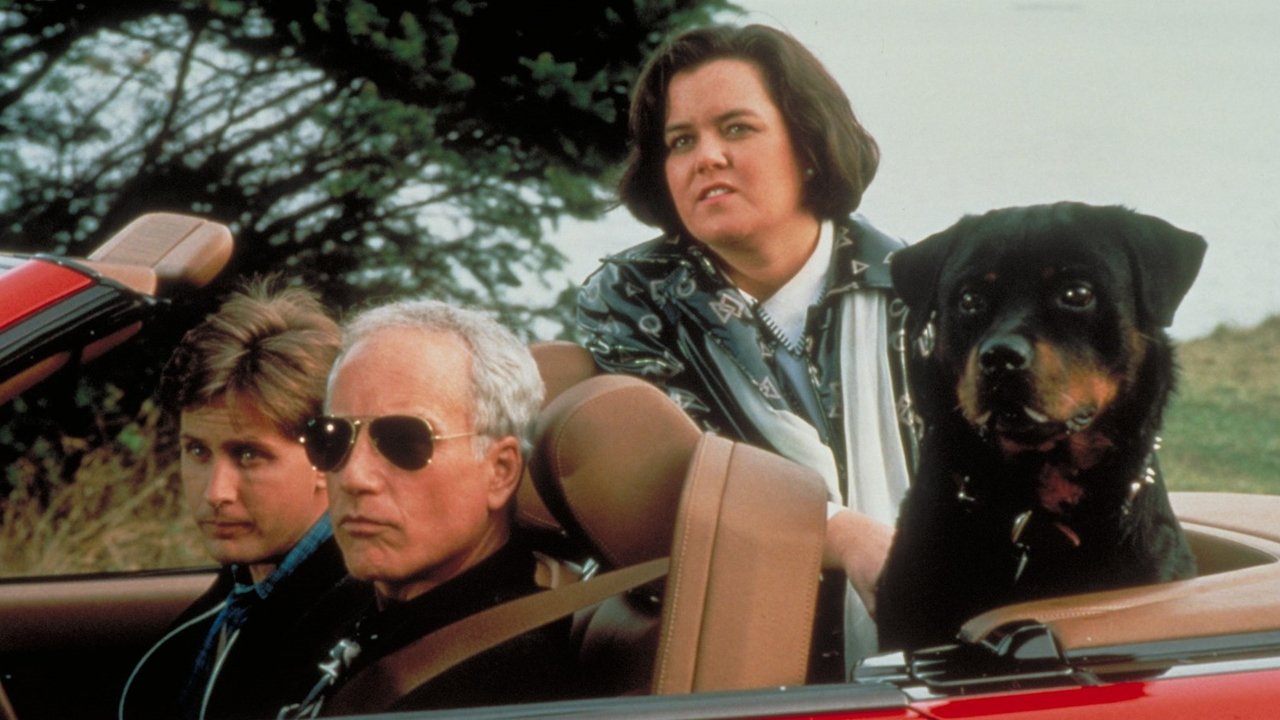
While the action sequences are less frequent and perhaps less impactful than the nail-biting moments of the first film, John Badham still knows how to stage a scene. There's a chaotic energy to the moments when things inevitably go sideways, often involving Schnapps the dog or O'Donnell's character inadvertently causing trouble. It’s less about gritty realism and more about comedic escalation, but it’s handled with a competent, seasoned hand. You won't find the same level of raw, practical stunt work that defined many 80s action flicks here; the focus is squarely on laughs derived from the situation and the characters' reactions. The budget was reportedly around $30 million, significantly more than the original's $14.5 million, yet it didn't translate into box office gold, pulling in only $21.6 million domestically – a sign, perhaps, that audiences felt the formula was wearing a little thin, or maybe the crowded 1993 summer market was just too competitive.
Still Worth the Rental Fee?
Watching Another Stakeout today is pure 90s comfort food. Does it push boundaries? No. Is the plot particularly intricate? Not really. But does it deliver on the promise of seeing Dreyfuss and Estevez bicker, bond, and bumble their way through another case, this time with the added comedic force of O'Donnell? Absolutely. The chemistry between the leads remains the film's strongest asset. Arthur B. Rubinstein, who scored the original, returns to provide a fittingly upbeat and occasionally suspenseful soundtrack that hits all the right 90s comedy beats. It might feel familiar, occasionally predictable, and yes, steeped in early 90s fashion and sensibilities, but it's done with affection and a genuine sense of fun. It's the kind of movie that thrived on VHS – easy to watch, reliably entertaining, and perfect for a Friday night when you just wanted to unwind with some familiar faces.

Rating: 6/10
Another Stakeout doesn't reach the comedic or suspenseful heights of its predecessor, feeling more like a comfortable retread than a necessary sequel. However, the undeniable chemistry between Richard Dreyfuss and Emilio Estevez, bolstered by Rosie O'Donnell's energetic addition, still provides enough laughs and charm to make it an enjoyable watch. It's a pleasant, if slightly forgettable, slice of early 90s buddy-cop comedy.