Alright, fellow tapeheads, let's rewind to a time when movies could still genuinely blindside you. Remember grabbing a promising-looking VHS box, maybe drawn in by a quirky cover or a familiar face, only to find yourself strapped into something far stranger and more thrilling than you bargained for? That's the electric jolt of Jonathan Demme's 1986 masterpiece, Something Wild. This isn't just a movie; it's a cinematic mood swing, a flick that starts like a fizzy New Wave cocktail and ends like a shot of moonshine chased with dread.
### The Bait and Switch
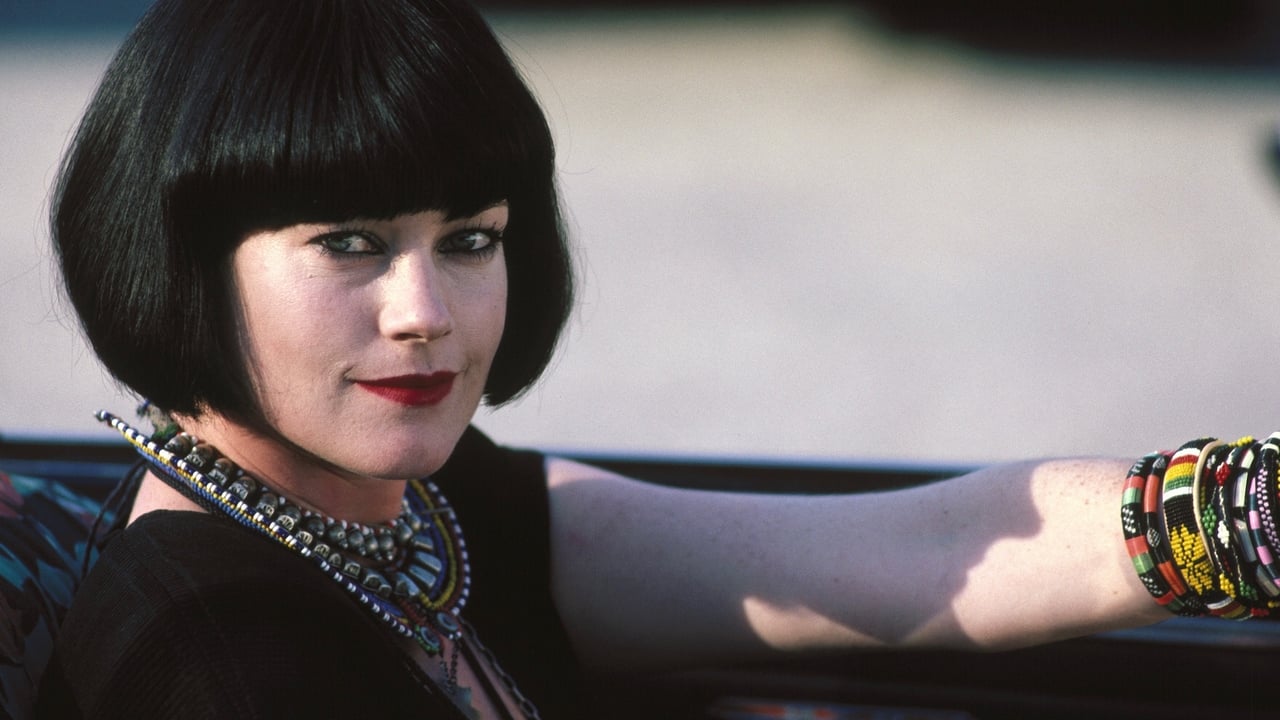
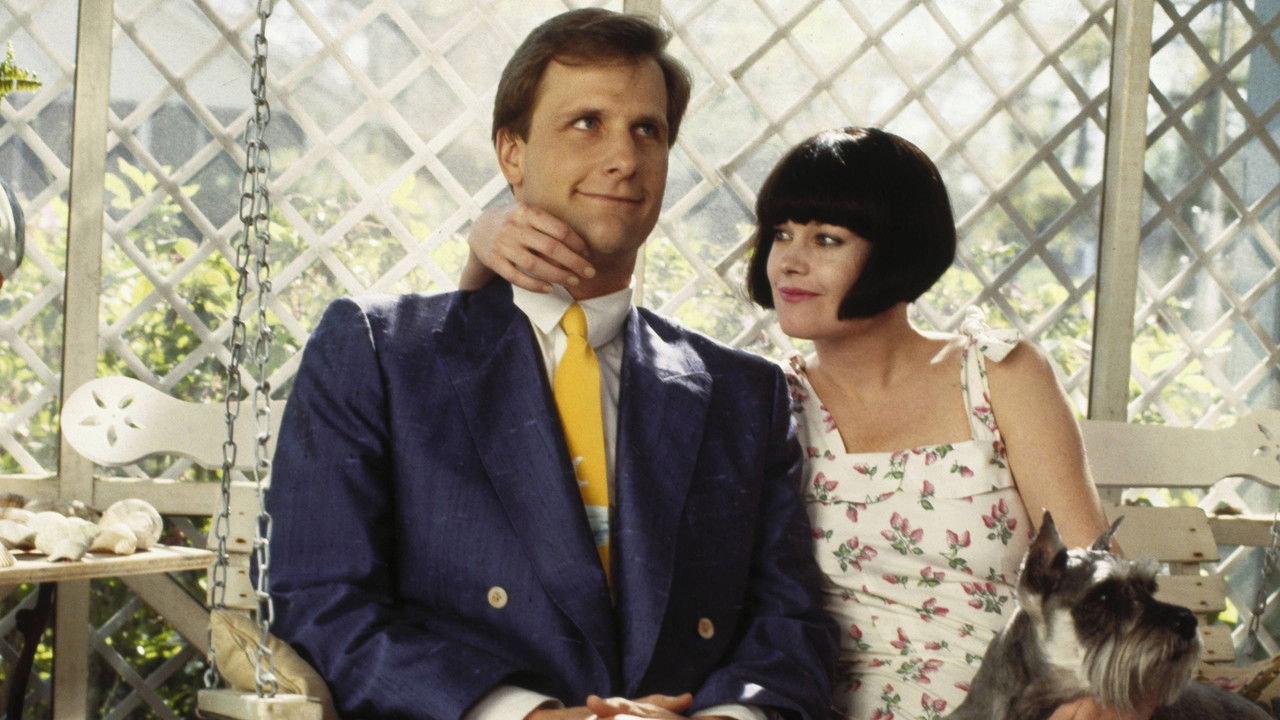
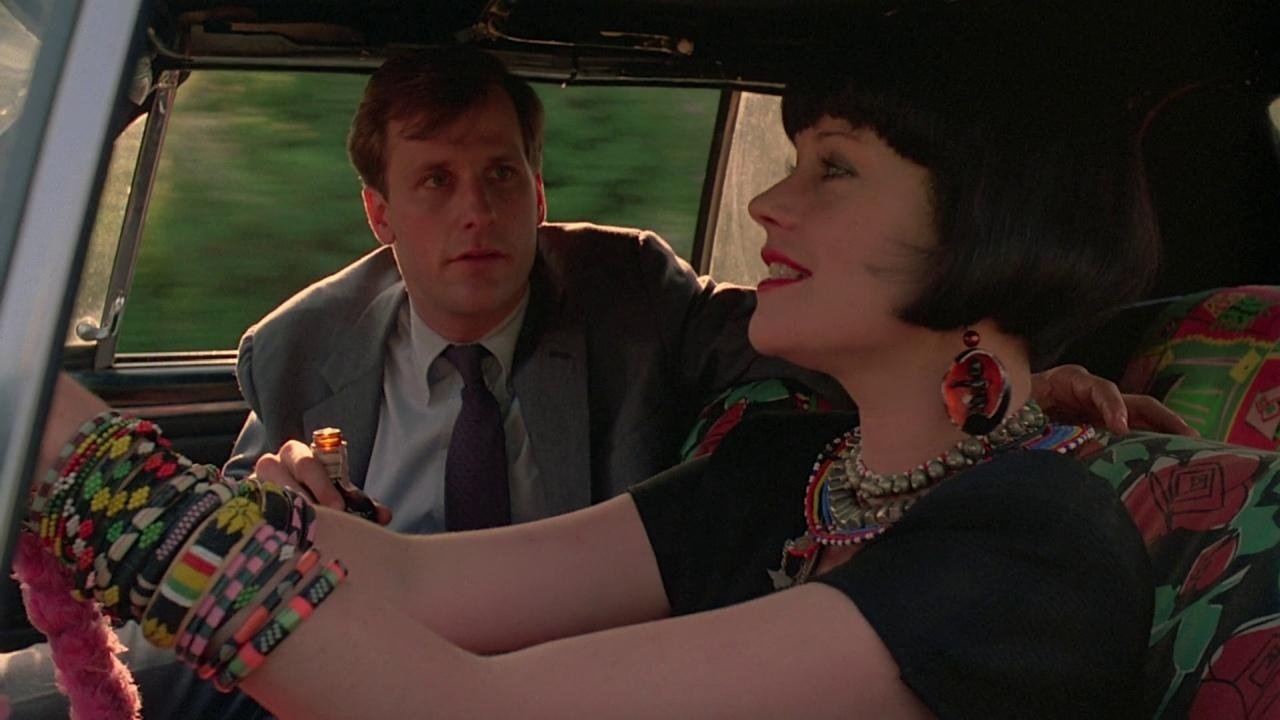
Initially, Something Wild lures you in with what feels like peak 80s screwball charm. We meet Charlie Driggs (Jeff Daniels), a buttoned-down Wall Street type, the kind of guy whose idea of rebellion is maybe skipping out on the check at a diner. And that's exactly what he does when he encounters Lulu Hankel (Melanie Griffith), a whirlwind in a black bob wig and thrift-store chic. She spots his petty crime, confronts him, and instead of turning him in, essentially kidnaps him for a spontaneous, liberating road trip fuelled by stolen credit cards, kinky bedroom games, and a potent sense of shedding skins. Daniels, fresh off Terms of Endearment (1983), is pitch-perfect as the bewildered yuppie slowly uncorking his repressed desires, while Griffith, snagging a Golden Globe nomination for this role, is magnetic – vulnerable, dangerous, and utterly captivating as the manic pixie dream girl with deeply hidden scars.
Demme, who already showed his unique energy with films like Melvin and Howard (1980) and would later give us giants like The Silence of the Lambs (1991), orchestrates this first act with infectious glee. The screen pops with colour, the editing bounces to an incredible soundtrack pulsating with reggae, Afro-pop, and indie rock (keep an eye out for cult favourites The Feelies playing live during the reunion scene – a classic Demme touch). It feels joyous, unpredictable, a celebration of breaking free from conformity. You’re cruising along, thinking you know what kind of movie this is… and then the brakes slam hard.
### Enter Ray
The film pivots entirely with the arrival of Ray Sinclair, played by a young actor making one of the most chilling screen debuts imaginable: Ray Liotta. Ray is Lulu's (whose real name is Audrey) estranged, psychotically violent husband, fresh out of prison and ready to reclaim what he believes is his. Liotta doesn't just walk into the movie; he detonates it. The air crackles, the vibrant colours seem to dim, and the playful energy curdles into raw menace. It’s a performance of terrifying intensity, coiled and unpredictable. Reportedly, Liotta prepared intensely, aiming for genuine intimidation on set, and boy, does it translate. His polite-veneer-over-simmering-rage routine is the stuff of nightmares, instantly establishing him as a major talent.
This jarring tonal shift is what makes Something Wild so unforgettable and, back in the day, perhaps a bit challenging for audiences expecting a straight comedy or romance. E. Max Frye's sharp, acclaimed script deliberately plays with genre conventions, turning the freewheeling road trip into a tense, claustrophobic thriller. The shift isn't clumsy; it feels like the inevitable consequence of Audrey's desperate escape colliding with the brutal reality she fled. It’s a bold move that few mainstream films would dare today.
### The Rawness of Reality
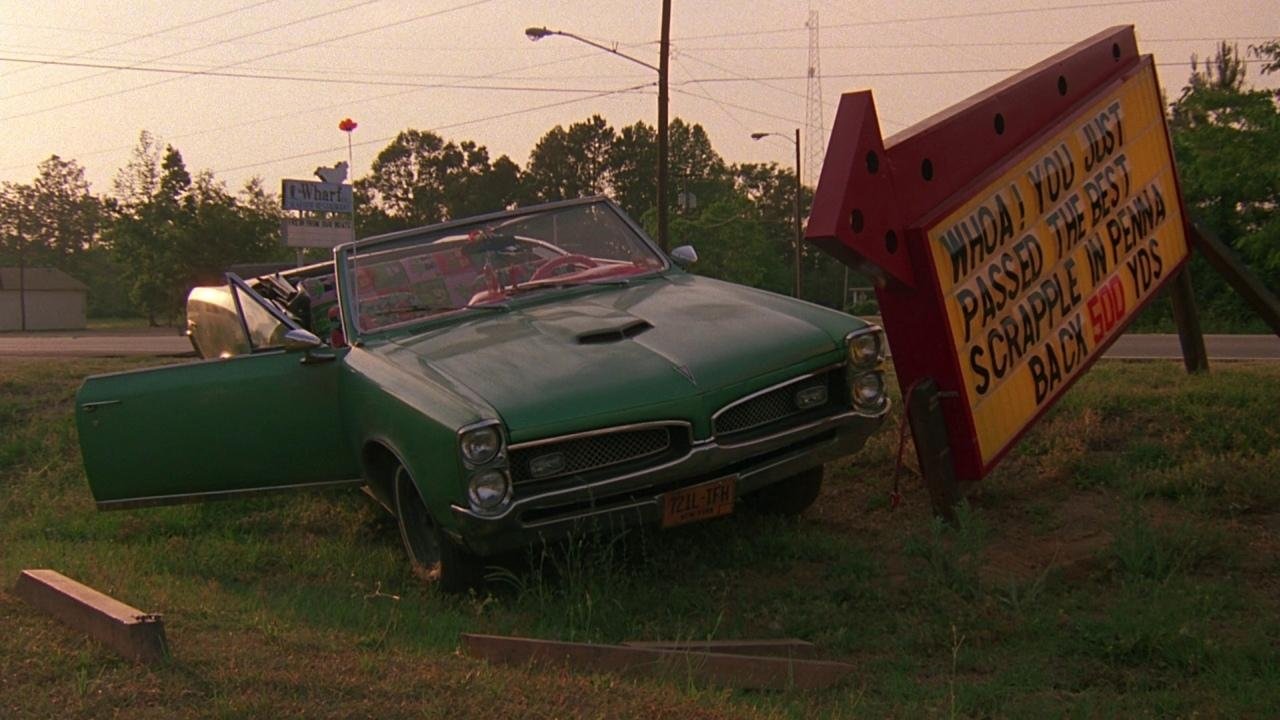
While not an "action movie" in the Stallone/Schwarzenegger sense, the confrontations in the latter half of Something Wild have a visceral, grounded terror that feels incredibly real, especially viewed through a nostalgic lens. When violence erupts, it’s sudden, messy, and frighteningly plausible. There are no elaborate, highly choreographed fights here. Instead, you get desperation, fumbling, and the ugly reality of physical conflict. Remember how unsettling those scenes felt on a slightly fuzzy CRT? That wasn't just tape static; it was the feeling of genuine danger bleeding through the screen. The stakes feel incredibly high because the characters feel like real people thrown into chaos, a far cry from the weightless, CGI-heavy clashes common now. The intensity comes from Liotta's unnerving presence and the dawning horror on Daniels' face, not from pyrotechnics.
The film was shot across several states, including Florida and Pennsylvania, adding to its authentic, lived-in feel. It wasn't a massive box office hit upon release (grossing around $8.6 million on a roughly $7 million budget), likely due to its challenging genre blend, but critics recognized its quality, particularly the performances, and it quickly found its audience on home video – becoming a true cult classic, the kind you’d excitedly recommend to a friend looking for something… well, wild.
### Still Thrilling After All These Years?
Watching Something Wild today is still a potent experience. The 80s fashion and yuppie-bashing might feel like a time capsule, but the core themes of identity, escape, and the unpredictable eruption of violence remain sharp. The performances are timelessly brilliant, and Demme’s direction is masterful, balancing humour, romance, and terror with incredible confidence. It’s a film that refuses to be pinned down, constantly surprising you right up to its tense, cathartic climax.

Rating: 9/10
This rating feels earned by the sheer audacity of the film's structure, Demme's vibrant direction, the career-defining performances from Griffith and especially Liotta, and its perfect capture of a certain kind of reckless 80s energy. It takes you on a journey you simply don't expect, lulling you with charm before hitting you with genuine menace.
Something Wild remains a potent cocktail from the VHS era – one part screwball comedy, one part road movie, one part terrifying thriller, shaken violently and served ice cold. It’s a bracing reminder of a time when mainstream movies could still feel genuinely dangerous and unpredictable. Pop this one in if you find it – just be ready for the whiplash.