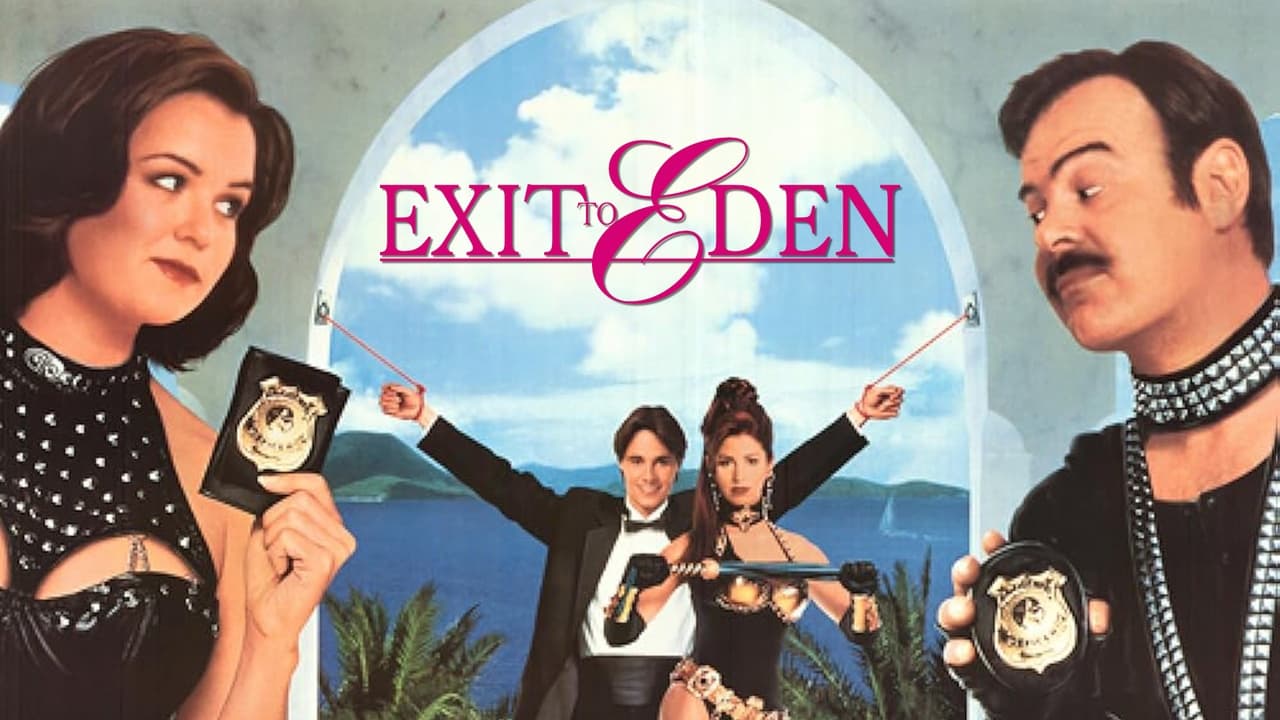
Okay, fellow tapeheads, let's rewind to a truly baffling corner of the 90s video store shelf. Picture this: You see a cover featuring Dana Delany (maybe you loved her in China Beach) and Rosie O'Donnell (definitely making waves in comedy), maybe looking vaguely tough. Then you notice the title: Exit to Eden. Intriguing, right? What could it be? A gritty cop thriller? A tropical adventure? Well, buckle up, because the answer is... baffling. This 1994 flick remains one of the era's most fascinating, head-scratching cinematic car crashes, a movie seemingly beamed in from an alternate dimension where genre coherence was optional.
### Cops, Kink, and Confusion
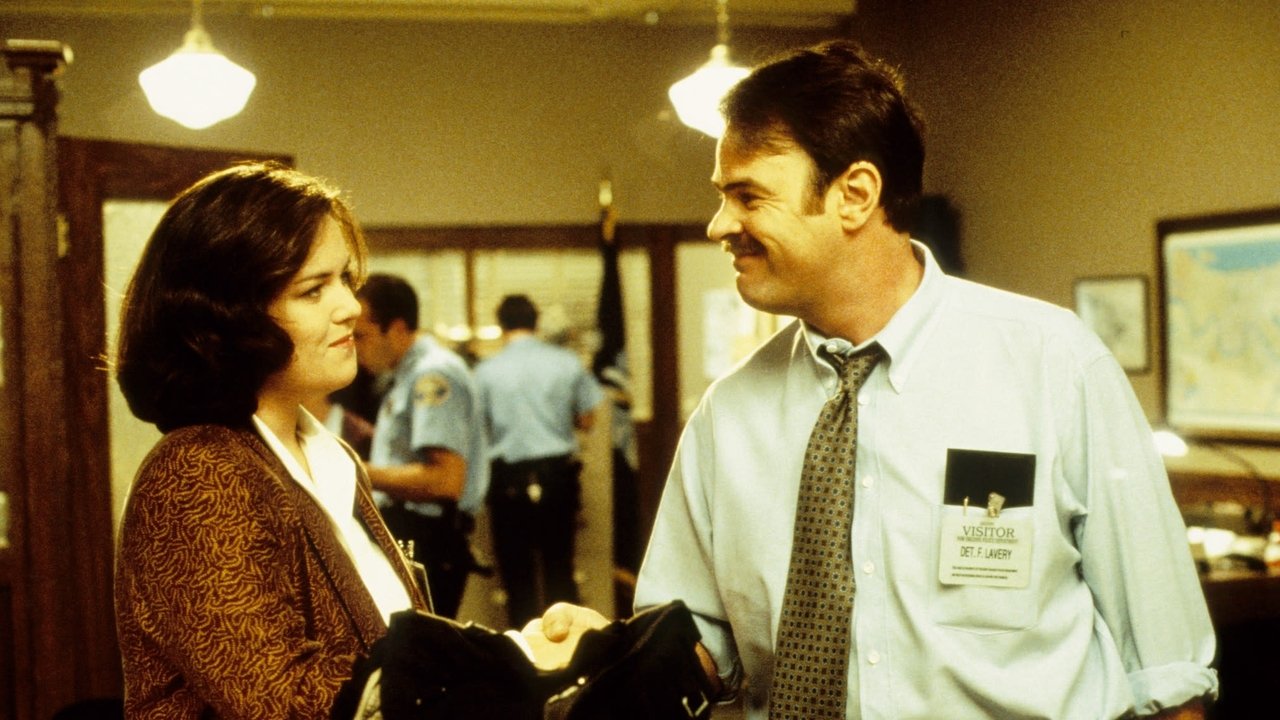
The setup sounds almost reasonable on paper: Two cops, Sheila Kingston (Delany) and Fred Lavery (O'Donnell, paired with Dan Aykroyd in a truly thankless role as her partner), go undercover to bust diamond smugglers operating out of a private BDSM fantasy resort island called "Eden". Our witness is photographer Elliot Slater (Paul Mercurio, fresh off his charming breakout in 1992's Strictly Ballroom), who accidentally captured incriminating evidence. Simple enough? Not quite. The film immediately trips over its own feet, trying desperately to blend fish-out-of-water comedy, a half-baked crime plot, and, yes, sanitized-for-your-protection BDSM themes into something palatable for a mainstream audience. The result is tonal whiplash of the highest order.
One minute, O'Donnell is delivering broad, Borscht Belt-style one-liners; the next, Delany is navigating the resort's peculiar power dynamics, clad in leather and attempting some semblance of seduction. It's like watching two completely different movies awkwardly spliced together. Remember how jarring some 90s genre mashups could feel? Exit to Eden takes that feeling and cranks it up to eleven, leaving you wondering exactly who this movie was for.

### The Garry Marshall Paradox
Here’s where things get truly wild: This fever dream was directed by none other than Garry Marshall. Yes, the man who gave us Happy Days, Laverne & Shirley, and heartwarming hits like Pretty Woman (1990) and Beaches (1988). It's a directorial choice that remains utterly perplexing. Reportedly, Marshall wanted to stretch himself, but his signature light, comedic touch feels completely at odds with the potentially darker, more complex themes lurking beneath the surface. It's a fascinating "Retro Fun Fact" that the source material was actually a novel by Anne Rice (writing as Anne Rampling), known for its more serious and sensual exploration of the BDSM lifestyle. The studio, however, clearly panicked, leading to a script (by Deborah Amelon and Bob Brunner) that sanded off every edge, replacing psychological depth with slapstick and awkward misunderstandings. Imagine trying to make Fifty Shades of Grey as a wacky network sitcom – that’s the vibe.
Delany, a genuinely talented actress, seems adrift, trying to find sincerity in a sea of absurdity. O'Donnell leans into the comedy, delivering some genuinely funny lines, but her character feels shoehorned into the plot. And Mercurio, bless his heart, mostly looks confused, his character oscillating between naive victim and improbable action hero. Even reliable pros like Hector Elizondo, a frequent Marshall collaborator, can't quite salvage the disjointed narrative. Apparently, Sharon Stone was considered for Delany's role, which makes you wonder what that version might have looked like!
### A Spectacle of Sanitized Spice
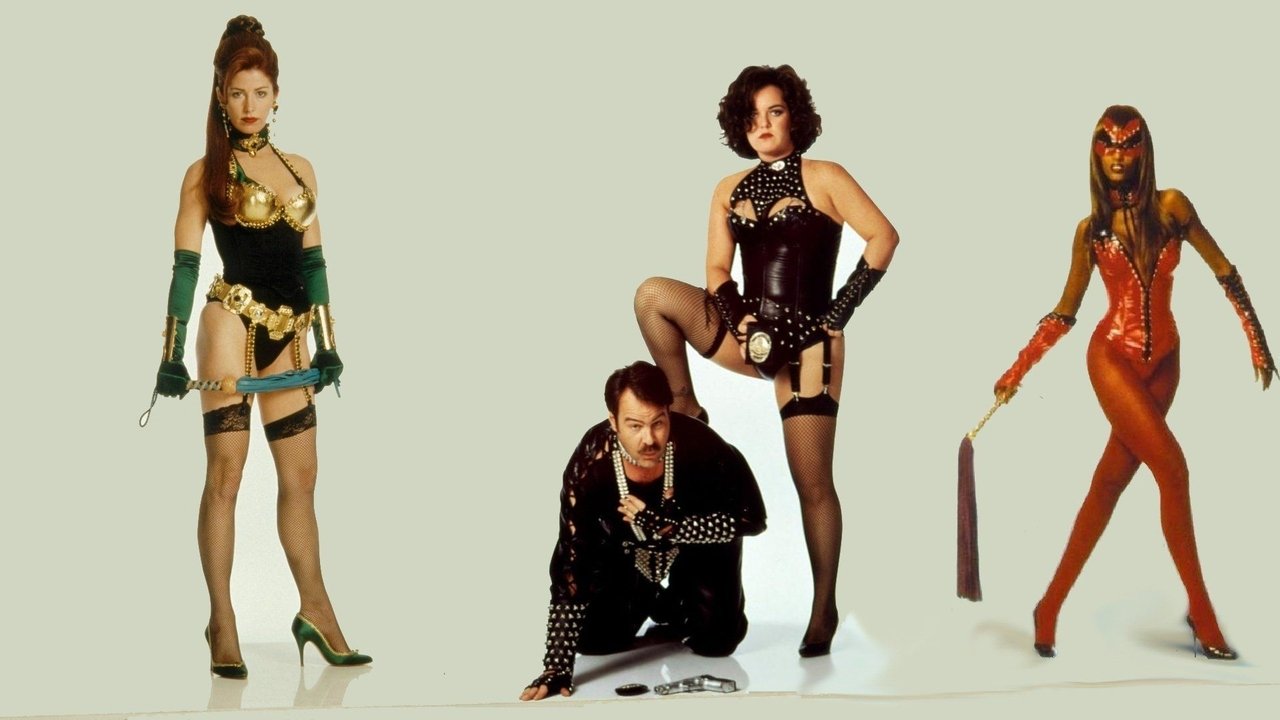
The "Eden" resort itself looks less like a den of sensual exploration and more like a slightly risqué Sandals resort designed by someone who'd only vaguely heard about BDSM. The attempts at depicting the lifestyle are often played for laughs or are so timid they barely register. There are whips and chains, sure, but deployed with all the transgressive energy of a suburban Tupperware party. This sanitization was likely a major reason the film bombed so spectacularly, reportedly grossing under $7 million against a budget somewhere north of $25 million. It alienated fans of Rice's darker novel while simultaneously being too weird and off-putting for the mainstream comedy crowd Marshall usually attracted. It even snagged multiple Razzie nominations, including Worst Picture and Worst Director – a rare feat for the usually beloved Marshall.
There aren't grand practical effect set pieces here in the traditional action movie sense. The "action" is mostly clumsy chases and awkwardly staged confrontations. What stands out isn't the pyrotechnics, but the sheer audacity of the attempt – the attempt to market this bizarre concoction, the attempt to blend oil and water genres, the attempt by talented people to make this specific script work. Watching it now on a fuzzy tape (or your streaming equivalent), you can almost feel the studio notes wrestling with the inherent weirdness.
### Rating and Final Thought
Exit to Eden is undeniably a mess. It’s tonally incoherent, narratively sloppy, and fundamentally misunderstands its own premise. And yet... there's a strange, captivating quality to its failure. It’s a perfect time capsule of a specific kind of 90s studio confusion, where high concepts met baffling execution. It's not "good" in any traditional sense, but it’s rarely boring.

Rating: 3/10
Justification: The score reflects the film's near-total failure in execution, its tonal dissonance, and underdeveloped plot. However, it gets a couple of points for the sheer audacity of its premise, the unintentional comedy born from its awkwardness, and its undeniable status as a fascinating piece of 90s cinematic history – a true VHS oddity worth seeing because it's so uniquely misguided.
Final Comment: Exit to Eden isn't just a movie; it's a glorious, baffling train wreck you can’t look away from – the kind of cinematic catastrophe that could only truly blossom, and then quickly wilt, under the flickering neon lights of the 90s video store. Sometimes, the most memorable rentals weren't the masterpieces, but the magnificent misfires.