Alright, fellow tapeheads, grab your popcorn – maybe skip the pizza delivery tonight – because we’re diving deep into a quintessential piece of early 80s video store fodder: The Slumber Party Massacre (1982). Just the title alone conjures images of grainy tracking lines, late nights bathed in CRT glow, and maybe hiding behind a cushion. But here’s the kicker, the twist that elevates this from just another slasher clone: it started life as a parody.
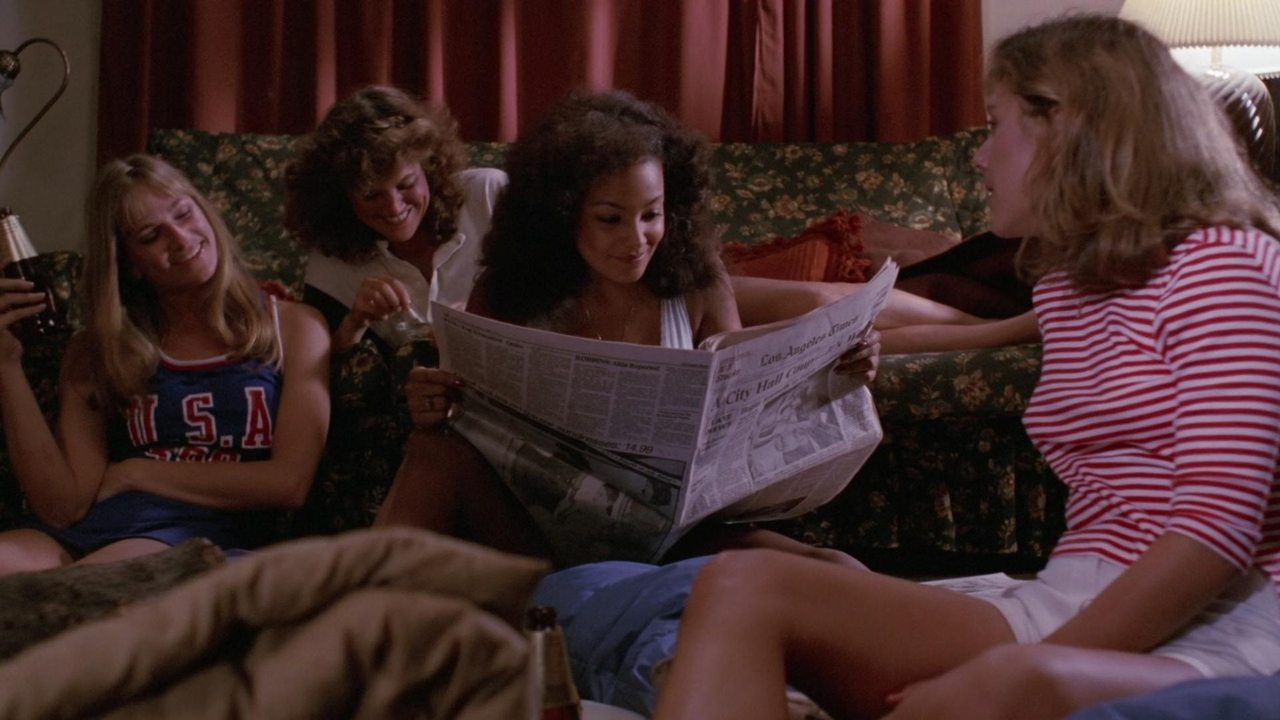
From Satire to Scares
That’s right. The original script, titled "Sleepless Nights," was penned by noted feminist author Rita Mae Brown (Rubyfruit Jungle) as a send-up of the burgeoning slasher genre's tropes. Enter legendary producer Roger Corman, the king of low-budget exploitation, who tasked first-time director Amy Holden Jones (who would later give us the very different Indecent Proposal in 1993) with filming it. The catch? Play it straight. Film the parody script not for laughs, but for screams. The result is a fascinatingly weird concoction – a film that fulfills slasher expectations while carrying faint, sometimes surprisingly sharp, echoes of its satirical origins. You can almost feel the tension between the intended spoof and the demanded scares bubbling just beneath the surface.
Driller Killer, Thriller Filler
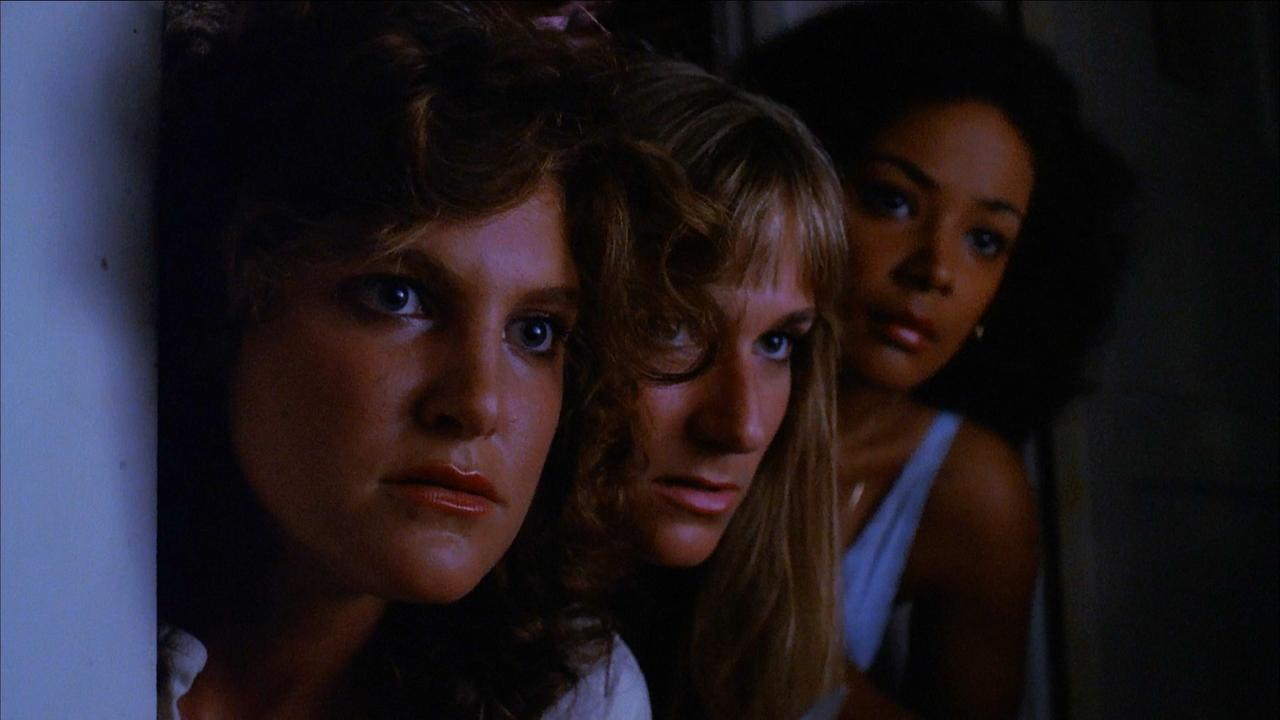
The setup is classic comfort food for horror fans of the era. High school senior Trish (Michelle Michaels) is having a slumber party while her parents are away. Her friends gather – including the new girl Valerie (Robin Stille, in a quietly effective performance) who lives next door and wrestles with whether to join – while escaped mass murderer Russ Thorn (Michael Villella) lurks outside, armed with… well, you know. The power drill.
Let's talk about that drill. In an age before CGI sanitised movie violence, Thorn’s chosen weapon felt brutally real. It wasn't just a prop; it was noisy, unwieldy, and deeply unsettling. Villella, often shot in shadow or partial view early on, embodies that relentless, almost motiveless slasher archetype perfectly. The kills, while adhering to the Corman mandate for exploitation thrills on a shoestring budget (around $220,000 – a pittance even then!), have a raw, practical edge. Remember how tangible those effects felt back then? A squib hit looked like a hit, fake blood flowed like cheap paint (because it often was), and the commitment of the stunt performers doing dangerous work without digital safety nets lent a visceral thrill that modern, smoother effects often lack. Amy Holden Jones manages to stage some genuinely tense sequences, leveraging the claustrophobia of the house and the vulnerability of the characters.
More Than Meets the Eye?

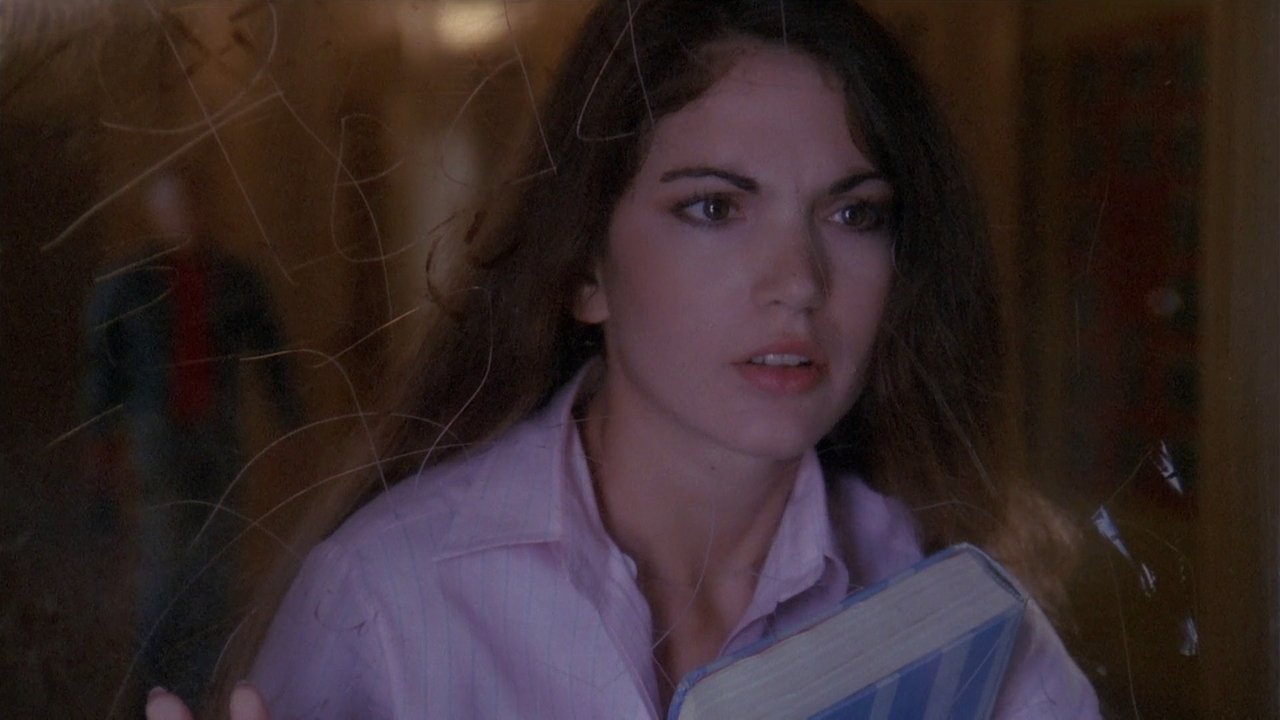
Despite being directed "straight," hints of Rita Mae Brown's original intent arguably peek through. The female characters, while certainly objectified in classic slasher fashion (this is a Corman production, after all), aren't entirely passive victims. They fight back, they strategize (sometimes poorly, but hey, it's the 80s), and the final confrontation feels less like a damsel-in-distress scenario and more like a desperate battle for survival. Valerie, in particular, develops a compelling arc from shy observer to determined protector. There’s a long-standing debate among fans and critics whether the film functions as accidental feminism, subverting tropes even as it indulges in them, or if it's just a standard slasher benefiting from a slightly smarter-than-average script foundation. I distinctly remember renting this tape multiple times, initially just for the promised "massacre," but gradually picking up on those odd little moments that felt slightly... different.
The film was a modest success, profitable enough on the drive-in and video circuits to spawn two direct sequels (1987's Slumber Party Massacre II, featuring a killer with a drill-guitar – yes, really – and 1990's Slumber Party Massacre III), cementing its place in cult horror history. It wasn't a critical darling by any stretch upon release, but its bizarre backstory and undeniable effectiveness as a straightforward slasher earned it a loyal following over the years.
The Verdict
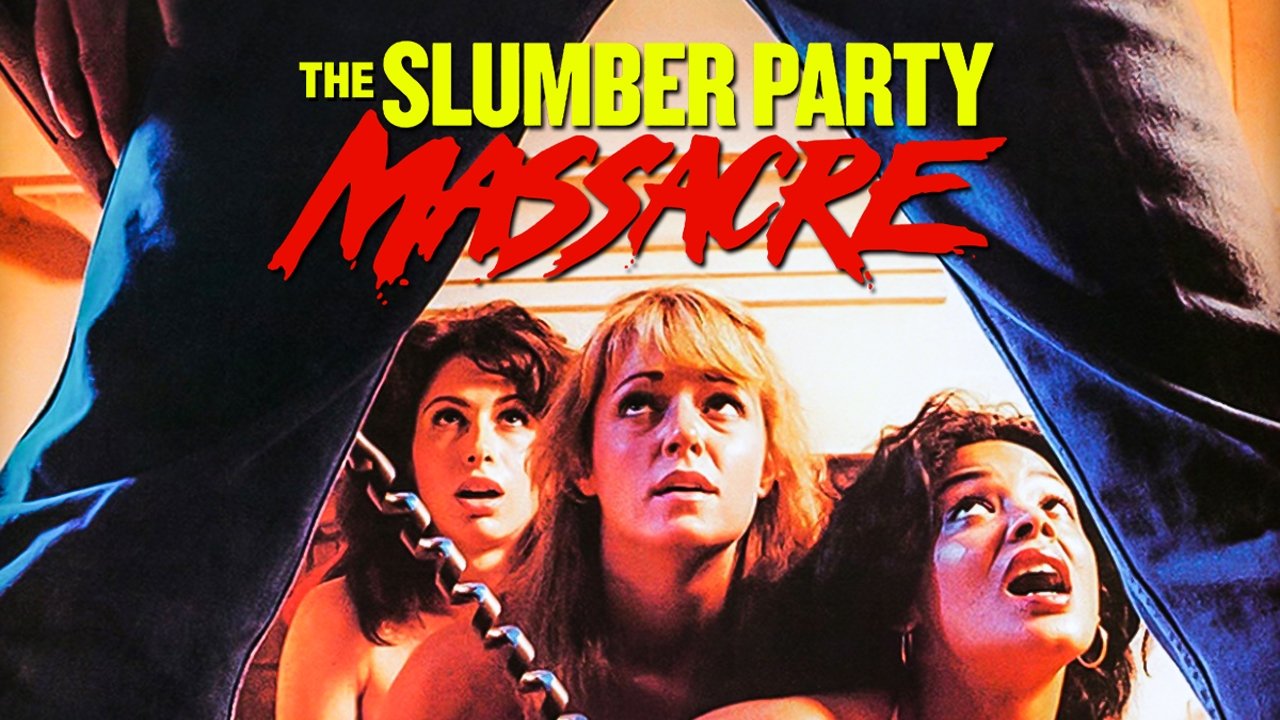
The Slumber Party Massacre is a fascinating time capsule. It delivers the 80s slasher goods – the suspense, the practical gore (tame by today's standards, but impactful then), the archetypal characters, and that iconic drill. But its secret origin story adds a layer of meta-textual intrigue that makes it more interesting than many of its contemporaries. It’s lean, mean (mostly), and occasionally smarter than it lets on.
Rating: 7/10 - A solid, surprisingly rewatchable slice of 80s slasherdom, elevated by its unique history and efficiently delivered practical thrills. It knows exactly what it is, even if how it got there was unconventional.
Final Thought: For pure, unadulterated early-80s slasher energy with a side of "wait, who wrote this?" trivia, The Slumber Party Massacre still drills its way into the essential VHS horror collection. Accept no substitutes (especially not drill-guitars... unless you're into that).