The silence of Antarctica is absolute, broken only by the howling wind and the frantic thump-thump of helicopter blades. But it’s the shriek of a rifle shot echoing across the ice that truly pierces the calm, heralding a terror far colder than the sub-zero temperatures. It crashed and burned in the summer of '82, critically mauled and overshadowed by a certain benevolent visitor from space. Yet, John Carpenter's chilling masterpiece of paranoia and practical effects, The Thing (1982), clawed its way back from the critical tundra, its chilling legacy growing like the invasive organism at its heart. Watching it again on a grainy VHS copy, huddled close to the glow of a CRT, that initial audience confusion seems baffling. How could they not feel the ice forming in their veins?
### Outpost 31: The Loneliest Place to Die
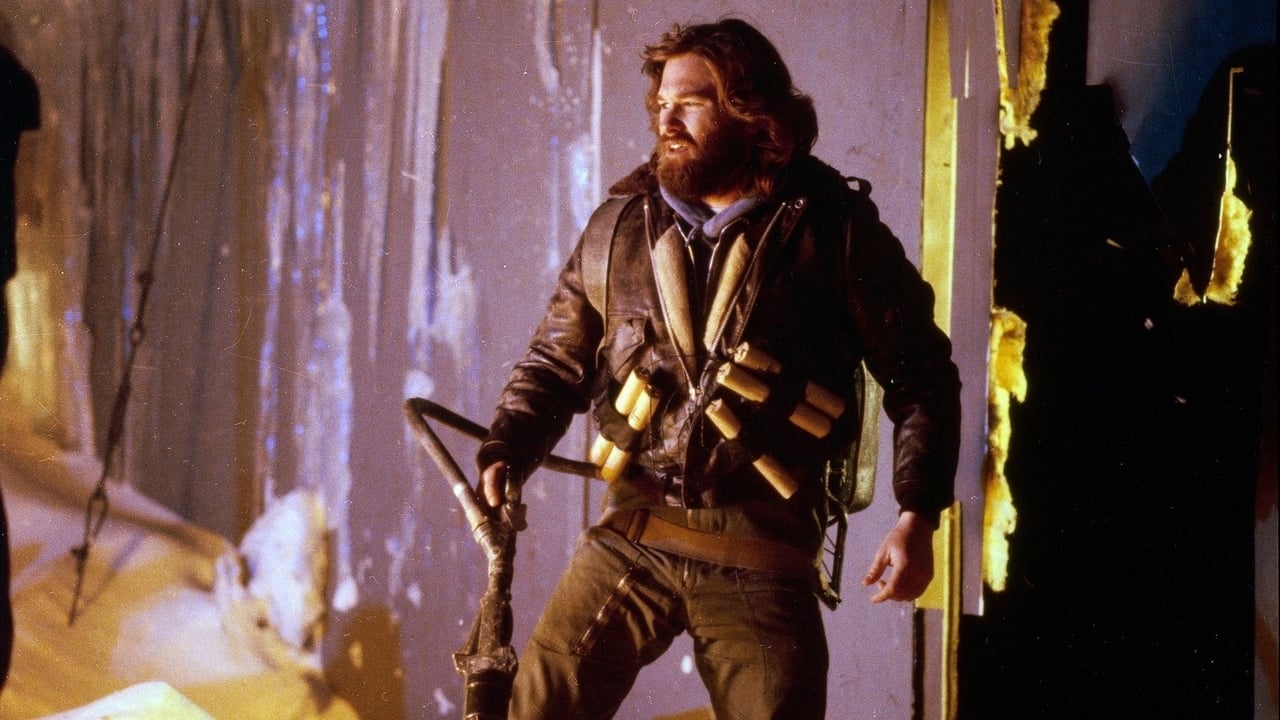
Carpenter, fresh off the stalk-and-slash success of Halloween (1978) and the stylized action of Escape from New York (1981), plunges us into the ultimate pressure cooker: U.S. Outpost 31, a remote research station populated by a dozen weary, isolated men. The arrival of a seemingly stray dog, pursued relentlessly by Norwegians in a helicopter, triggers a chain reaction of suspicion and gruesome discovery. What they unearth is an extraterrestrial life form with a terrifying ability: perfect imitation. It absorbs, replicates, and replaces its victims, hiding in plain sight until the moment it chooses to reveal its grotesque, multifaceted true form. The genius of Bill Lancaster’s script, adapted from John W. Campbell Jr.'s novella Who Goes There?, isn't just the monster; it's the infectious paranoia that spreads faster than any alien cell. Who can you trust when your closest colleague might be wearing a human mask?
### The Shape Takes Form: Bottin's Nightmare Symphony

Let's be honest: the reason The Thing seared itself into our collective consciousness, the reason those worn-out rental tapes practically radiated unease, is the revolutionary practical effects work spearheaded by a young, ferociously talented Rob Bottin. Working himself literally to the point of exhaustion (requiring hospitalization for bleeding ulcers and double pneumonia after wrap), Bottin delivered creature effects that remain benchmarks of visceral horror. Forget CGI smoothness; this is tangible, slimy, bone-cracking terror. The dog kennel scene, the defibrillator moment – wasn't that chest cavity sequence burned into your young mind? – the spider-head scuttling away... these aren't just scares; they are violations of nature rendered in latex, syrup, and sheer, unholy imagination.
Bottin pushed the envelope relentlessly, using everything from heated rubber and hydraulics to mayonnaise and melted plastic, creating transformations that felt agonizingly real. Legend has it that the sheer intensity and secrecy surrounding Bottin's creations meant even some cast members weren't fully prepared for what they'd witness during filming, leading to genuinely shocked reactions captured on camera. Filming in the freezing, remote locations near Stewart, British Columbia, added another layer of authentic hardship, mirroring the characters' on-screen isolation. These weren’t comfortable studio sets; they were claustrophobic, functional, and genuinely cold – contributing immensely to the film's oppressive atmosphere. The Norris creature alone reportedly took Bottin and his team almost a year to design and build. That dedication bleeds onto the screen.
### Men Under Siege: Paranoia Personified


Amidst the carnage, Kurt Russell anchors the film as R.J. MacReady, the station's cynical helicopter pilot. His weary pragmatism and eventual reluctant leadership provide a focal point, but this is truly an ensemble piece. Wilford Brimley's Blair, the increasingly unhinged biologist, embodies the intellectual breakdown in the face of the incomprehensible. Keith David's Childs offers a formidable, distrustful counterpoint to MacReady, their tension crackling with suspicion. Every member of the cast feels authentic, their descent from bored professionals to desperate, heavily armed survivors utterly convincing. Their fear isn't theatrical; it feels chillingly earned. Does that final, ambiguous look between MacReady and Childs still spark debate around your retro movie nights? It certainly does here.
Carpenter masterfully directs the escalating tension. He uses the claustrophobic confines of the outpost, the stark, unforgiving landscape (beautifully shot by Dean Cundey), and the minimalist, pulsing dread of Ennio Morricone's score (often mistaken for Carpenter's own signature synth work, though he did contribute some cues uncredited) to create an atmosphere thick with suspicion. The famous blood test scene is a masterclass in sustained suspense, a desperate gamble played out with trembling hands and the horrifying potential for explosive violence. It’s pure cinematic anxiety. Interestingly, the studio reportedly pressured Carpenter for a happier ending, even testing one where MacReady is rescued and proven human, but Carpenter thankfully stuck to his bleak, uncompromising vision.
### Legacy in the Ice
Initially dismissed by critics (some notoriously calling it "instant junk"), The Thing faced an uphill battle against the feel-good wave of E.T. the Extra-Terrestrial, released just weeks earlier. Its nihilism and graphic horror were perhaps too much for mainstream audiences in 1982. But time, and countless VHS rentals passed amongst horror aficionados, proved the film's power. It’s now rightly hailed as a masterpiece of sci-fi horror, influencing countless filmmakers and creature designers. Its exploration of paranoia, distrust, and the breakdown of humanity under pressure feels eternally relevant, perhaps even more so in our increasingly fractured world. While a prequel, also titled The Thing, arrived in 2011 exploring the Norwegian camp's fate, it primarily served to highlight the singular genius of Carpenter's original vision and Bottin's practical wizardry.
Rating: 10/10
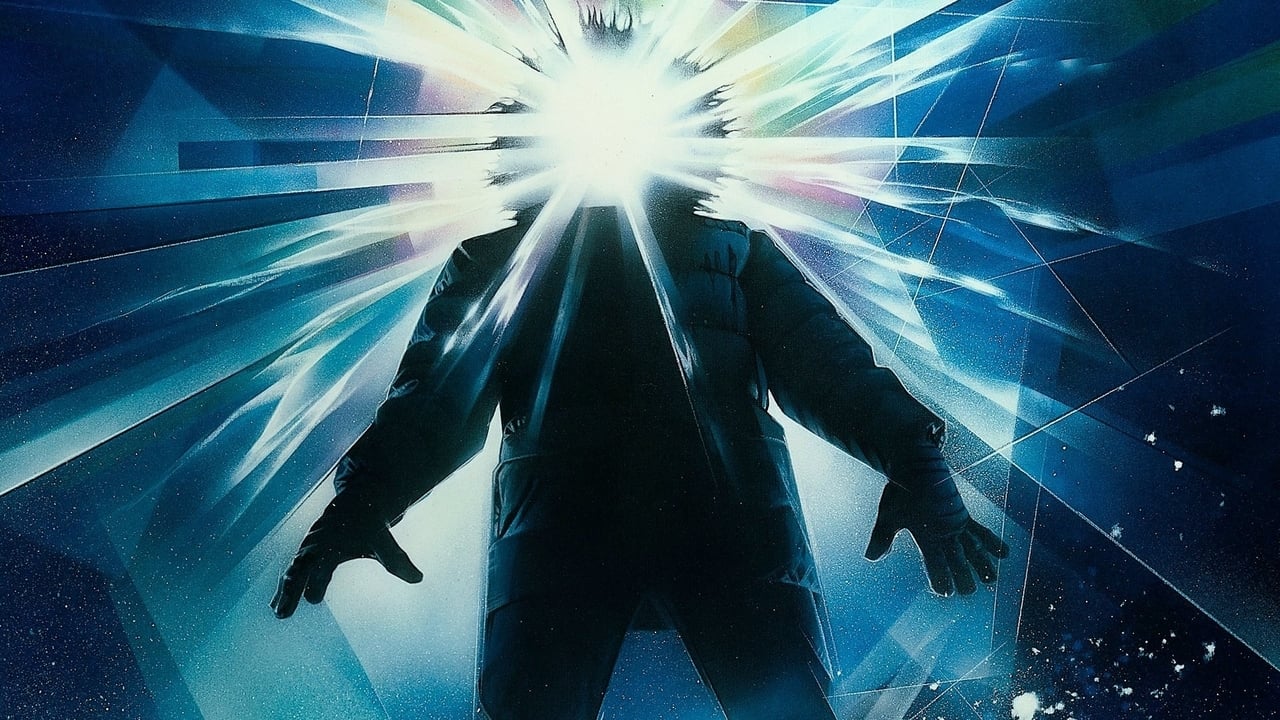
This score isn't awarded lightly. The Thing achieves a near-perfect synthesis of atmospheric dread, escalating paranoia, groundbreaking practical effects that still stun, a stellar ensemble cast embodying palpable fear, and masterful direction. Its initial commercial failure is irrelevant; its power is undeniable. The bleakness is intentional, the tension relentless, and the creature effects are a landmark achievement in cinematic horror.
For those cold, late nights when you want a film that truly gets under your skin and stays there, mimicking the chill of the Antarctic wind long after the credits roll, The Thing remains the ultimate cinematic nightmare. It's a reminder that sometimes, the most terrifying monsters aren't just out there – they're right here, among us, wearing a familiar face. Trust no one.