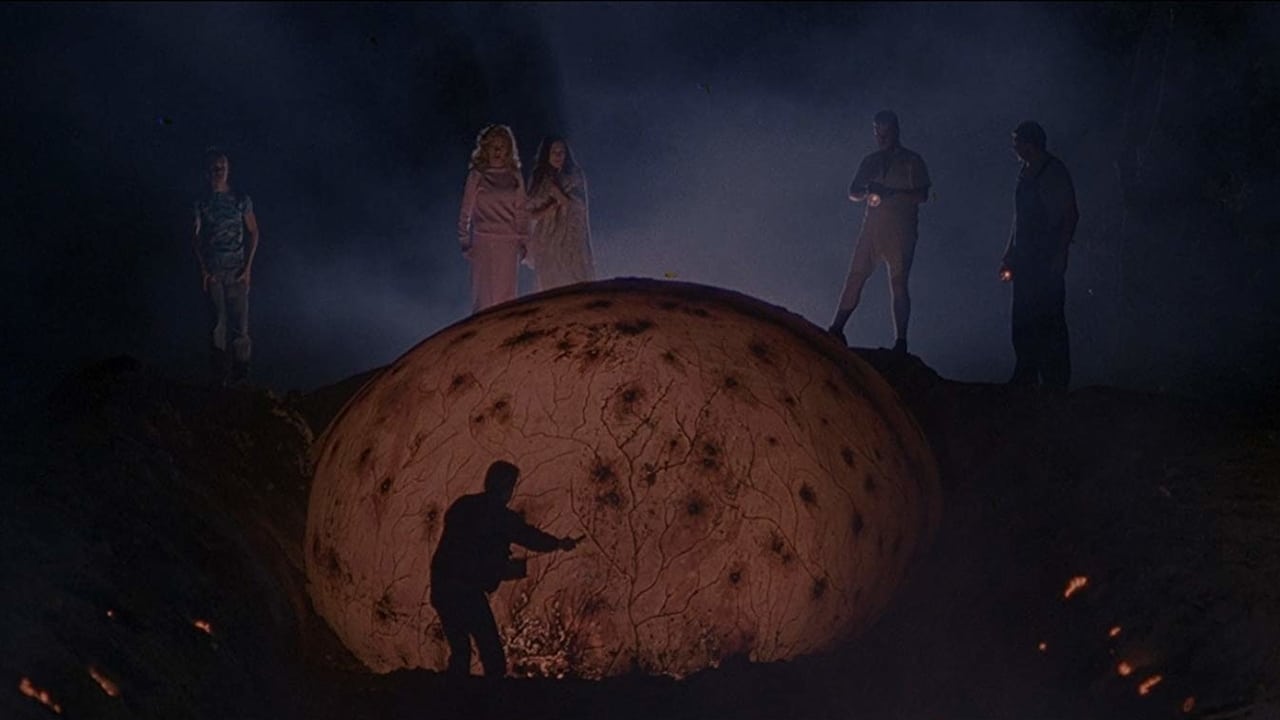
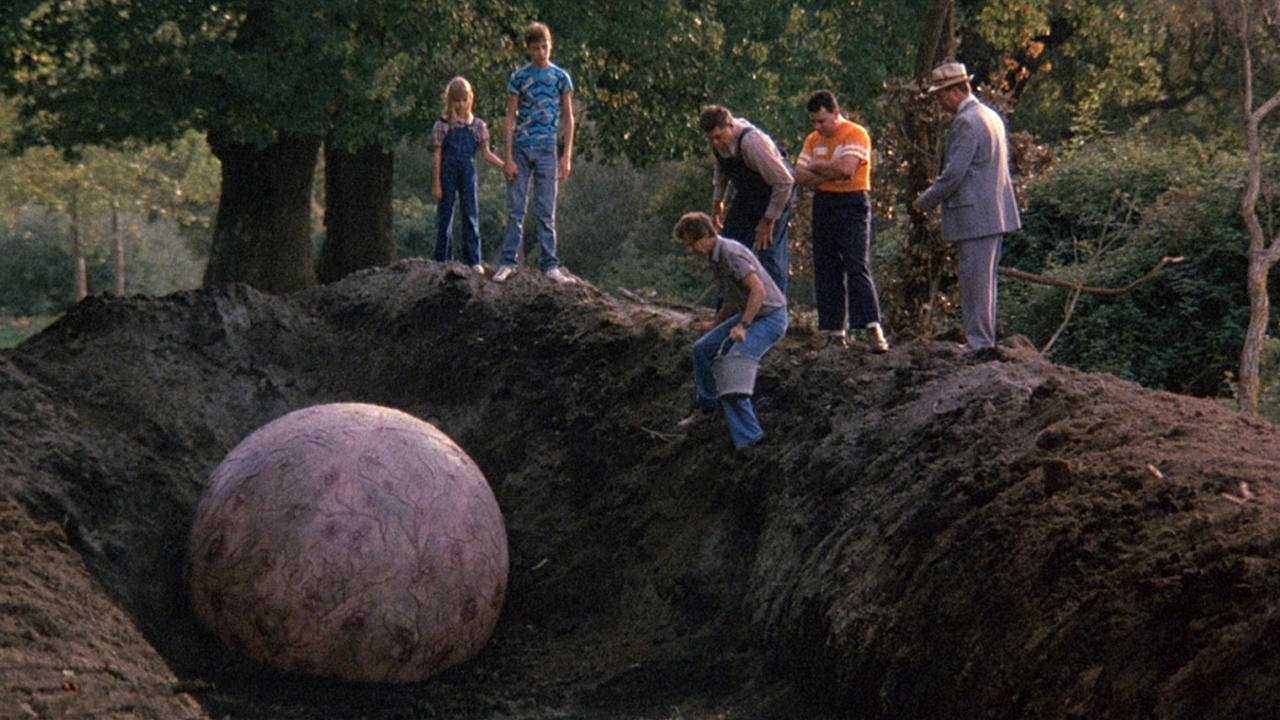
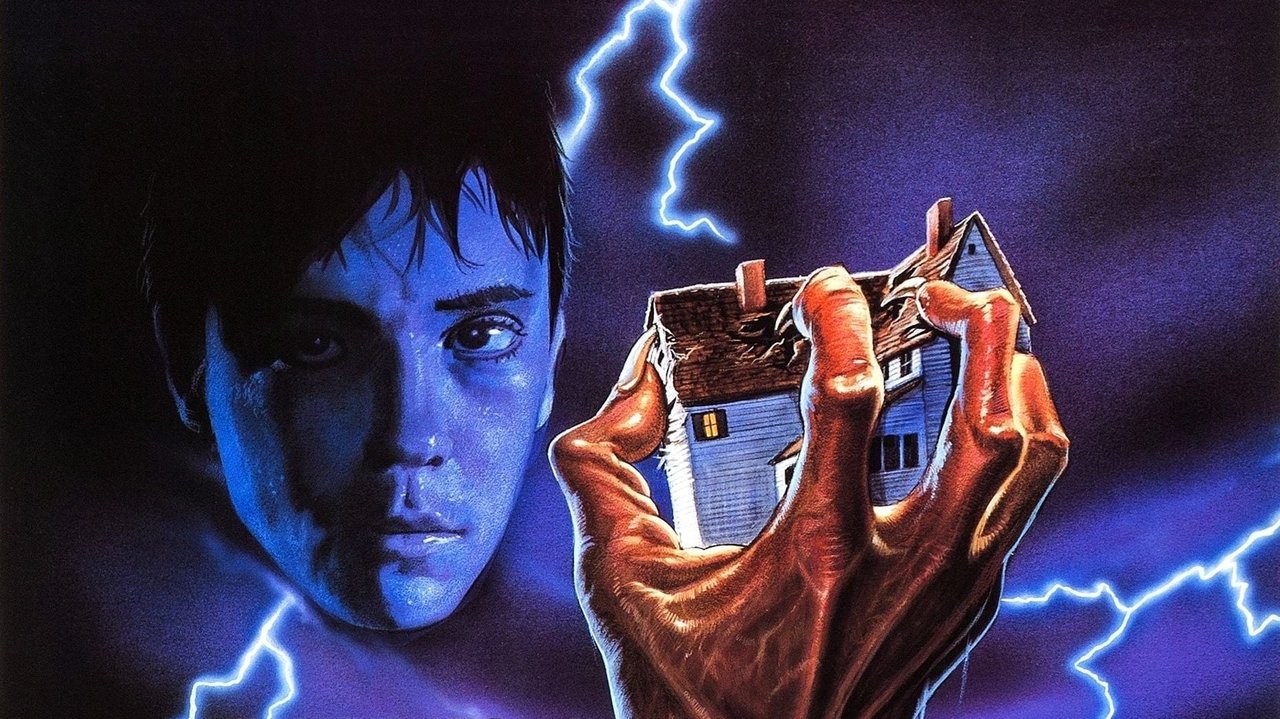
It lands not with a cosmic bang, but a sickly, wet thud. A meteorite, pulsing with an otherworldly sickness, embedding itself into the soil of the Hayes family farm. It's not an invasion in the traditional sense, no little green men or laser beams. It’s something far more insidious, a contamination that seeps into the water, the crops, the very lifeblood of this isolated pocket of rural Tennessee. This is the unsettling seed from which 1987's The Curse (also known sometimes internationally, quite aptly, as The Farm) sprouts its particular brand of 80s eco-horror dread.
Something Wicked in the Water
The film wastes little time establishing a pressure cooker environment even before the alien contaminant arrives. Nathan Hayes (Claude Akins, a familiar face bringing grizzled authority from countless TV roles) is a stern, religiously zealous patriarch ruling over his family with an iron fist. His wife, Frances (Kathleen Jordon Gregory), struggles with his piety and temper. His simple-minded son, Cyrus (Malcolm Danare, memorable as Moochie in Christine), is bullied relentlessly, while his daughter Alice (Amy Wheaton) and stepson Zack (Wil Wheaton, fresh off the success of Stand By Me just a year prior) try to navigate the simmering tensions. Zack, the city kid outsider, becomes our eyes and ears, sensing early on that the glowing rock and the strangely glistening, oversized vegetables it yields are harbingers of doom.
Director David Keith (better known for his acting in films like An Officer and a Gentleman and Firestarter, making his directorial debut here) opts for a slow burn approach initially. He leverages the genuine rural Tennessee locations – filming near his own childhood home – to create a palpable sense of isolation. The farm itself feels authentic, lived-in, and increasingly… wrong. There’s a sweaty, oppressive quality to the summer heat that mirrors the decay taking root. You can almost smell the overripe tomatoes and the unsettling dampness clinging to everything as the contamination spreads.
The Bloom of Decay
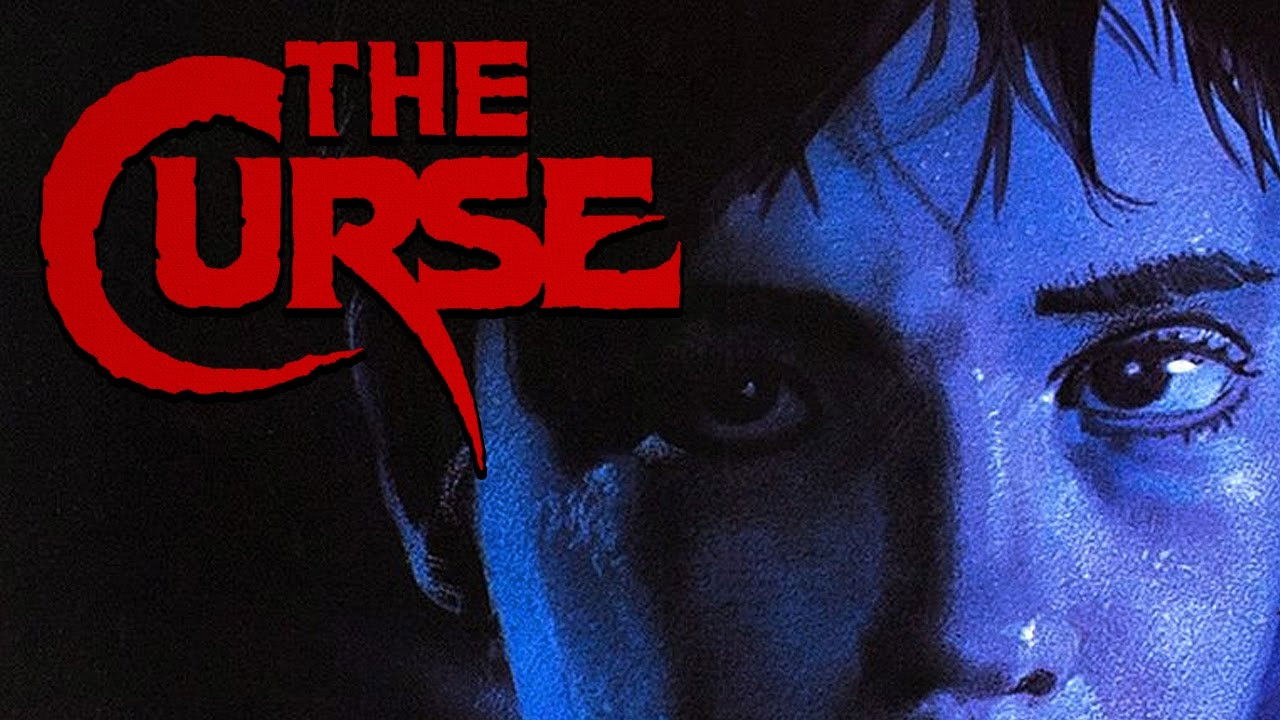
What starts as unappetizing produce – apples squirming with maggots, tomatoes oozing viscous fluid – soon escalates into full-blown body horror. This is where The Curse truly earns its VHS-era cult stripes, tapping into that distinct 80s fascination with grotesque practical effects. While perhaps not reaching the dizzying heights of Cronenberg or the surreal nightmares of Carpenter's The Thing (1982), the effects work by Louis Lazzara and Jim Doyle delivers some memorably stomach-churning moments. Livestock mutates gruesomely, chickens turn unnaturally aggressive, and the infected humans... well, let's just say their transformations are slimy, pustule-ridden affairs that likely had viewers hitting pause on their VCRs, partly in disbelief, partly to steady their stomachs.
It’s interesting to note the film was executive produced by Lucio Fulci's production company, primarily to leverage the Italian horror maestro's name for international marketing clout, though his direct creative involvement seems minimal. Still, you can feel a certain kinship with Fulci's brand of visceral horror in the film's latter half, where logic takes a backseat to repulsive spectacle. The script, penned by David Chaskin (who courted controversy with his script for A Nightmare on Elm Street 2: Freddy's Revenge), draws clear inspiration from H.P. Lovecraft's short story "The Colour Out of Space," translating its themes of cosmic contamination and maddening decay into a distinctly American Gothic setting.
Cult Status Earned, Flaws and All
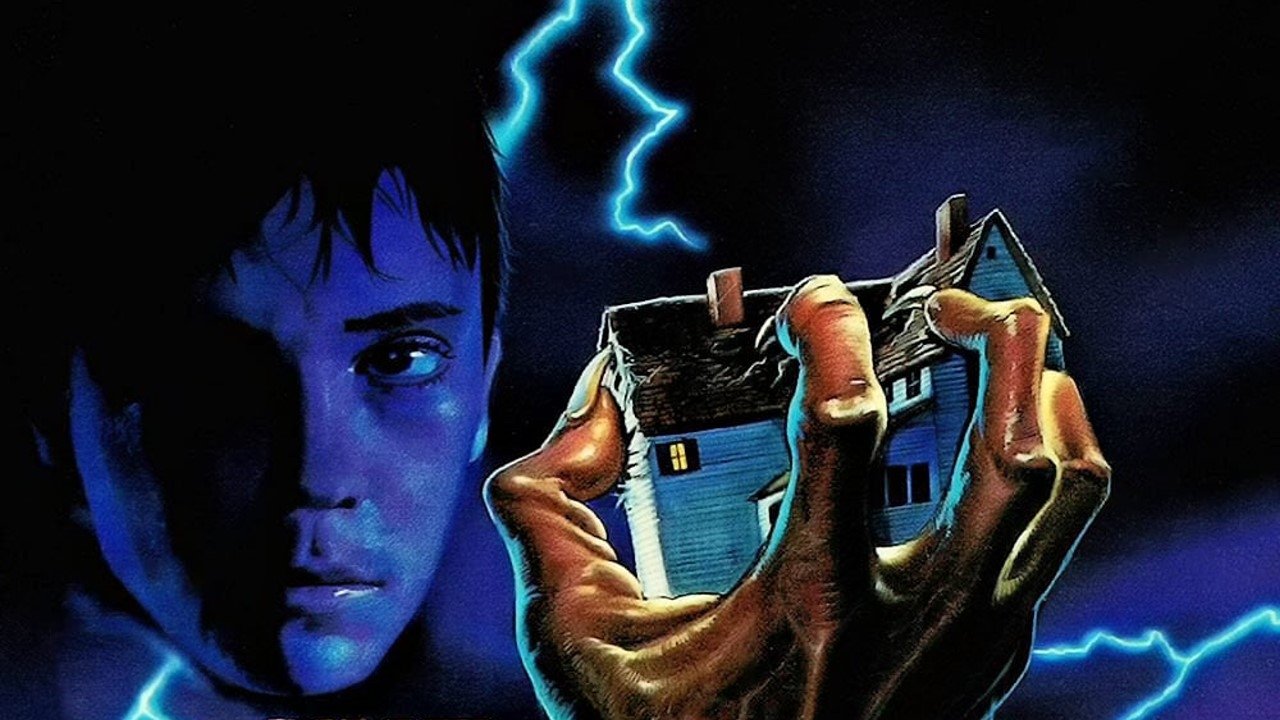
The Curse is undeniably a product of its time. The pacing can feel uneven, particularly in the first half, and some performances outside of the reliable Akins and a suitably bewildered Wheaton can veer into melodrama. Wil Wheaton himself has expressed dissatisfaction with the final product over the years, perhaps finding the B-movie schlock a jarring follow-up to his sensitive turn in Rob Reiner's classic. And yet... there's an undeniable charm and effectiveness here. The film commits to its nasty premise. The atmosphere of dread is well-maintained, and the practical effects, while dated by today's CGI standards, possess that tangible, gooey physicality that resonates with fans of the era. Remember how utterly real those mutations felt under the flickering glow of a CRT screen?
It didn't exactly set the box office alight, grossing under $2 million against a modest budget (estimated around $2-4 million), but The Curse found its audience on home video. It became one of those tapes passed between friends, a staple of late-night cable rotations, whispered about for its gross-out sequences and unsettling vibe. Does the central metaphor for environmental neglect or perhaps unchecked religious fervor always land perfectly? Maybe not. But the visceral impact of watching that farm and its inhabitants literally rot from the inside out? That sticks with you.
VHS Heaven Rating: 6/10
Justification: The Curse gets points for its strong, unsettling atmosphere, its commitment to practical gore effects that deliver memorable gross-outs, and its effective Lovecraftian premise transposed to a rural setting. It captures a specific flavor of 80s horror. However, it loses points for uneven pacing, some questionable acting moments, and a script that doesn't fully explore its potential themes. It’s a solid, if flawed, piece of cult horror filmmaking.
Final Thought: While perhaps overshadowed by bigger genre hits of the decade, The Curse remains a delightfully nasty little contamination creature feature, a perfect slice of 80s B-movie horror that reminds us sometimes the most terrifying threats don't come from outer space invaders, but from something far weirder festering right under our feet. It's a film that truly feels like it crawled out of the swampy, weird corners of the video store shelf.