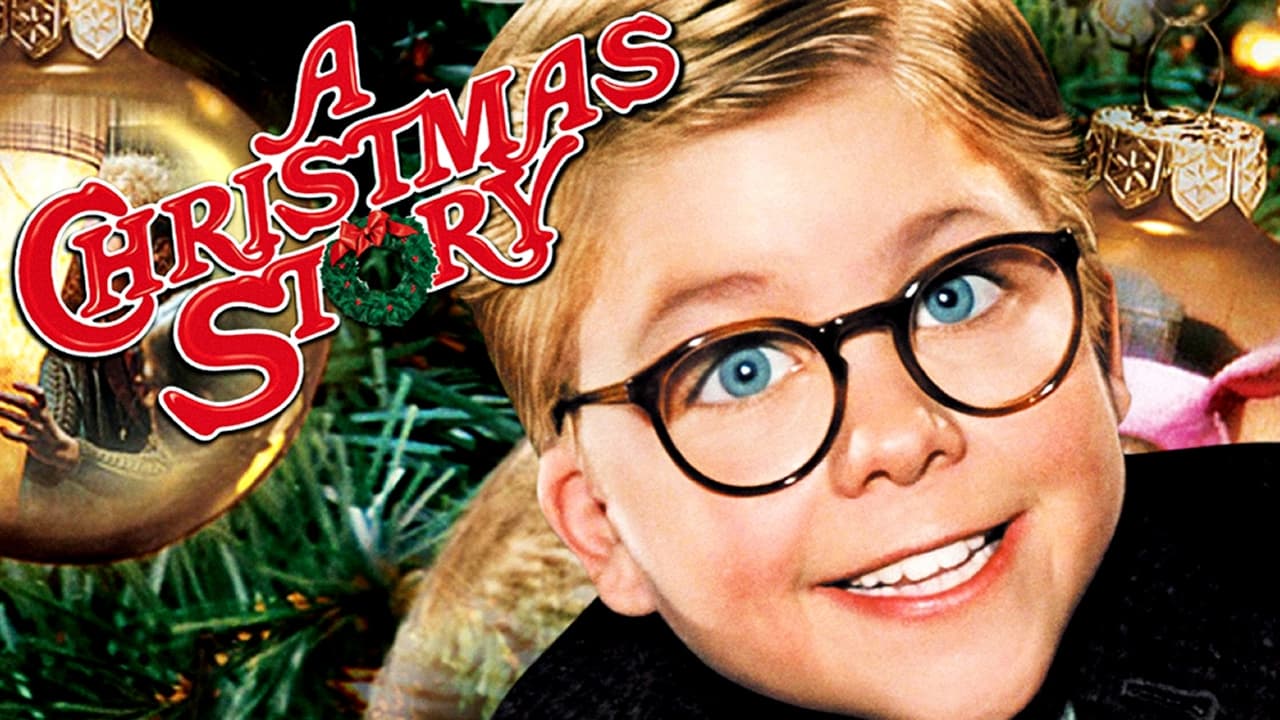
It didn't arrive on screens like a thunderclap, declaring itself the next big holiday blockbuster. No, A Christmas Story (1983) sort of snuck up on us, much like the softly falling snow outside the Parker family window. Released with modest fanfare and earning a respectable but unspectacular $20.6 million at the box office against its lean $3.3 million budget, its journey to becoming a mandatory yuletide staple happened gradually, passed around on worn VHS tapes and discovered through repeated television airings. And thank goodness it did, because this film isn't just a movie; it's practically a collective childhood memory woven into the fabric of the holidays.
Welcome to Hohman, Indiana (Circa 1940)
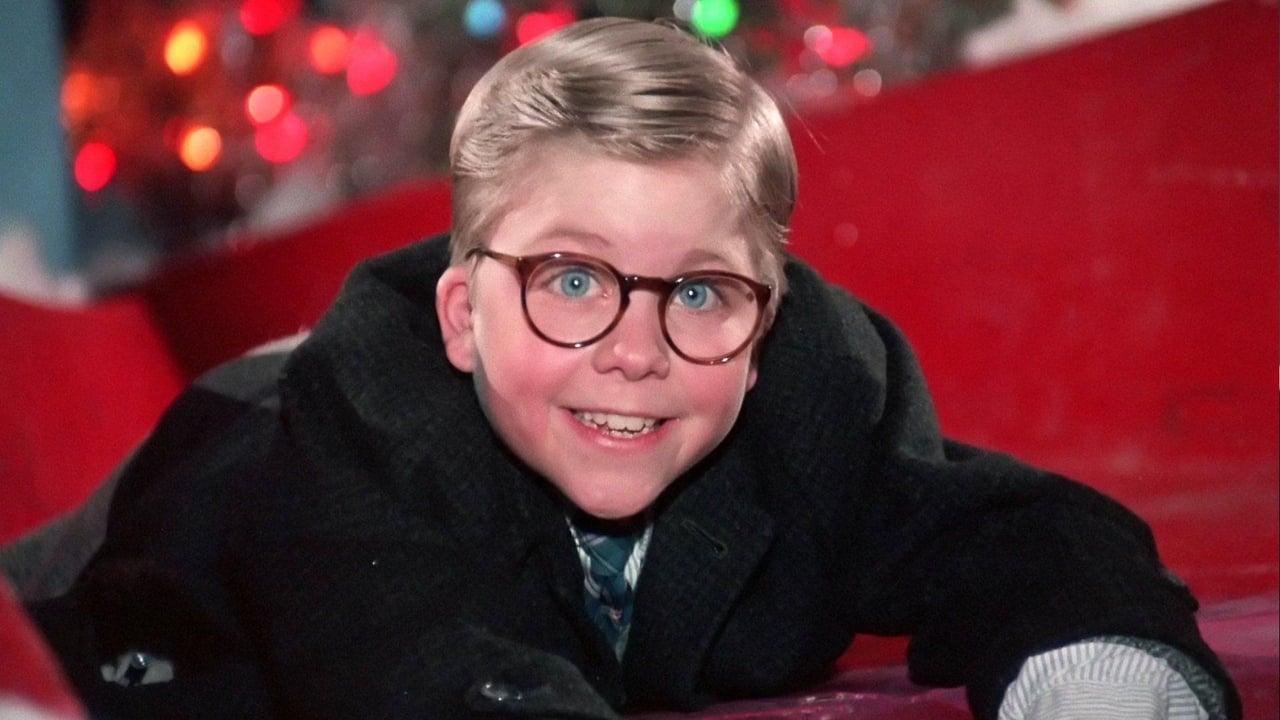
Directed by the surprisingly versatile Bob Clark – yes, the same man who gave us the foundational slasher Black Christmas (1974) and the raunchy teen antics of Porky's (1981)! – A Christmas Story plunges us into a pitch-perfect rendition of middle-class Americana just before WWII. Narrated with wry, knowing affection by author Jean Shepherd, upon whose semi-autobiographical stories the film is based, we experience the season through the wide, bespectacled eyes of nine-year-old Ralphie Parker (Peter Billingsley).
The plot, as such, is less a driving narrative and more a series of interconnected vignettes orbiting Ralphie's all-consuming desire: acquiring an Official Red Ryder Carbine Action 200-Shot Range Model Air Rifle. It’s a quest fraught with peril, primarily the soul-crushing refrain from every adult in his life: "You'll shoot your eye out!" This simple desire becomes the anchor for exploring the triumphs and minor tragedies of childhood – playground bullies, decoder pin disappointments, navigating the cryptic world of parental logic, and the sheer, unadulterated agony of waiting for Christmas morning.
Meet the Parkers
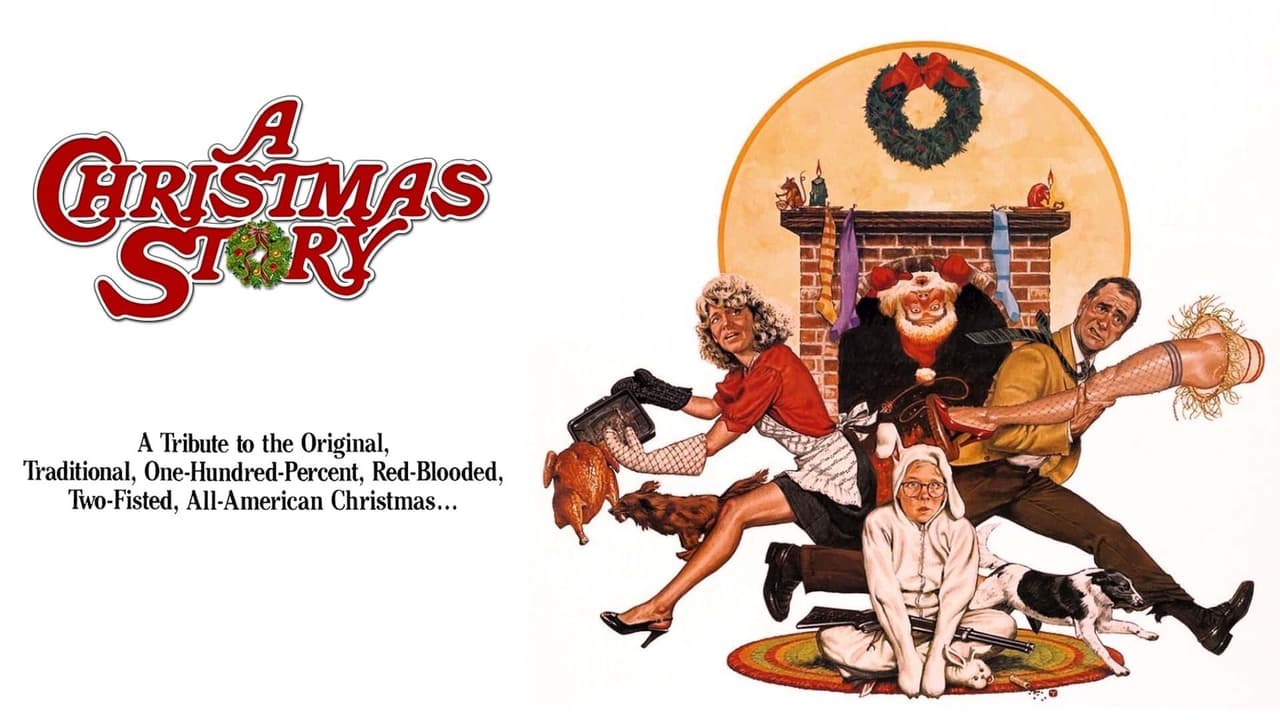
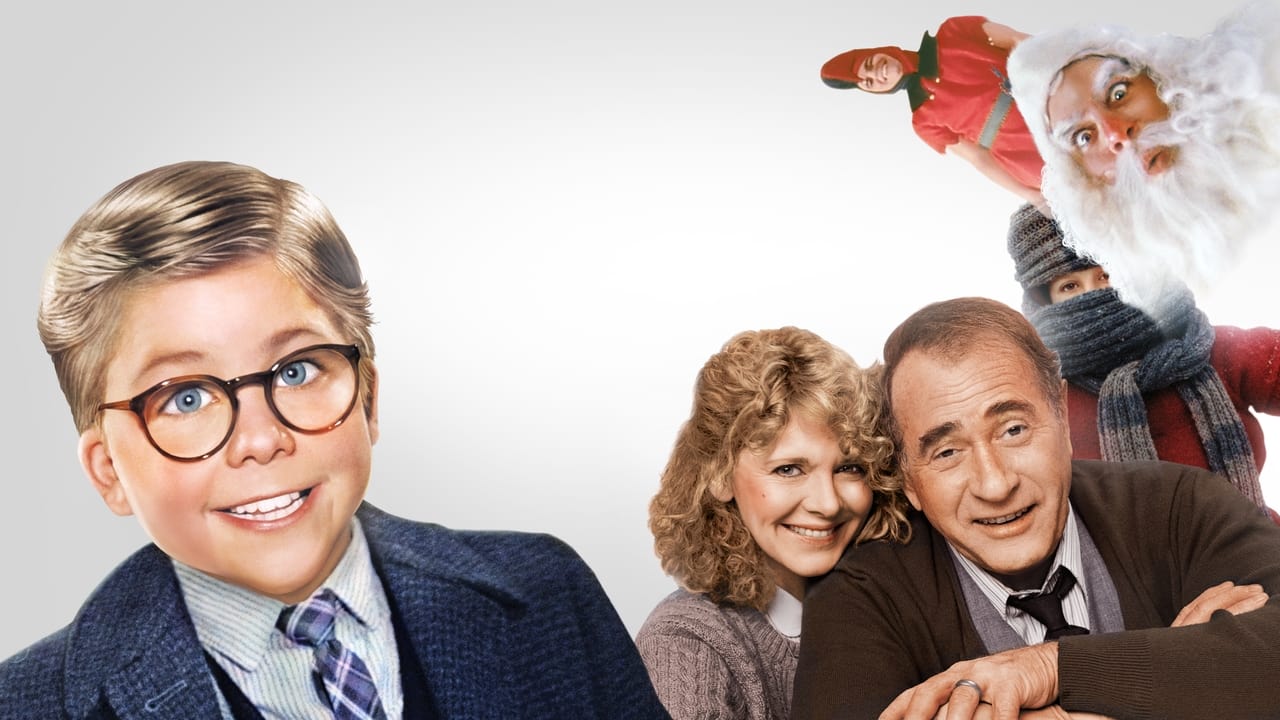
What truly elevates A Christmas Story beyond simple nostalgia is its perfectly cast ensemble, embodying a family that feels remarkably, sometimes uncomfortably, real. Peter Billingsley is unforgettable as Ralphie, capturing that earnestness, occasional deviousness, and vulnerability of a kid fixated on a singular goal. His fantasy sequences – imagining himself as a heroic protector or a blind victim of soap poisoning – are pure gold.
Then there's Darren McGavin as The Old Man, a figure of legendary suburban frustration and pride. His epic battles with the furnace, his ecstatic adoration of a "major award" shaped like a woman's leg, and his colorful, albeit creatively unintelligible, cursing ("fudge!") paint a portrait of fatherhood that’s both hilarious and strangely endearing. McGavin delivers a masterclass in curmudgeonly charm. And Melinda Dillon as Ralphie's mother provides the warm, often weary, heart of the film. She’s the buffer, the secret-keeper, the one who understands the delicate ecosystem of the Parker household, ensuring everyone gets fed, clothed, and occasionally protected from their own worst impulses (or BB guns).
More Than Just a Pretty Leg Lamp: Retro Fun Facts
The enduring magic of A Christmas Story is amplified by the stories surrounding its creation. Did you know that Jack Nicholson was reportedly interested in playing The Old Man? While undeniably fascinating to imagine, his likely salary demands would have obliterated the film's modest budget, paving the way for Darren McGavin's iconic performance. Jean Shepherd, besides providing the source material and unforgettable narration, actually makes a cameo appearance – he’s the disgruntled man in the Higbee's department store line telling Ralphie to move to the back!
The props themselves have become legendary. That famous leg lamp? It originated directly from Shepherd's writings, inspired by illuminated advertising signs of the era. And Ralphie’s coveted Red Ryder BB Gun? The specific model described in the story ("compass in the stock and this thing which tells time") didn't actually exist, so the props department had to custom-create the gun for the film. Even the setting adds to the charm; while set in fictional Hohman, Indiana, much of the exterior filming took place in Cleveland, Ohio, and the actual Parker house still stands today, meticulously restored and open to visitors – a pilgrimage site for devoted fans. It wasn’t all smooth sailing, though; several fantasy sequences, including one where Ralphie joins comic strip hero Flash Gordon, ended up on the cutting room floor to keep the focus tight.
Why We Keep Tuning In
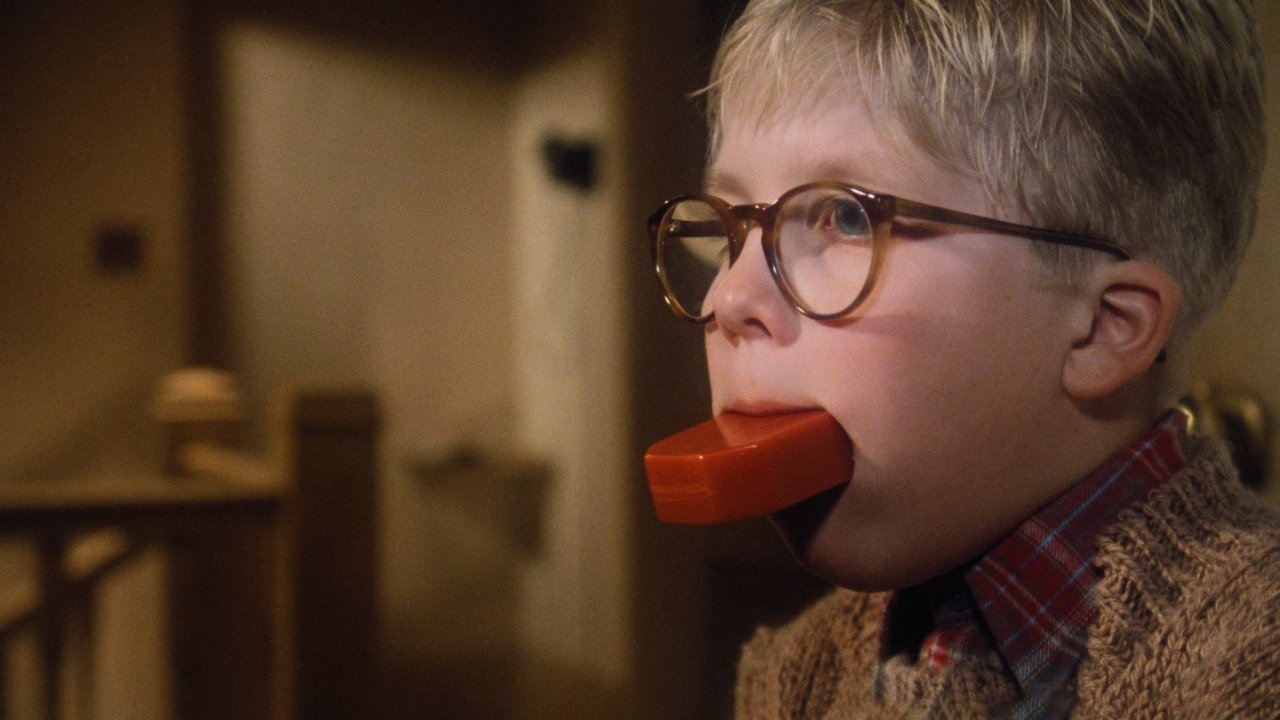
So, why does this particular slice of 80s-does-40s nostalgia continue to resonate so deeply, prompting cable networks like TNT and TBS to run it for 24 hours straight each Christmas? It's more than just the laughs, though there are plenty – from Flick getting his tongue stuck to the flagpole (a stunt achieved with a hidden suction tube, thankfully) to Ralphie’s mortifying pink bunny pajamas. It’s the film's uncanny ability to tap into universal truths about family, childhood, and the bittersweet anticipation of the holidays.
The specific period details – the Ovaltine, the Little Orphan Annie radio show, the clunky snowsuits – create a tangible world, yet the emotions feel timeless. We recognize the playground politics, the desperate hope for that perfect gift, the way parental figures can seem both omniscient and utterly baffling. Bob Clark directs with a gentle hand, balancing the humor with genuine warmth, never letting the quirkiness tip over into pure caricature. It’s a film told from a child’s perspective but filtered through the fond, knowing lens of adulthood, thanks to Jean Shepherd's brilliant narration. While later sequels and a live musical version followed, none quite captured the singular magic of the original.
The Verdict
A Christmas Story is that rare holiday movie that feels both deeply specific to its time and place, yet universally relatable. It avoids saccharine sentimentality, opting instead for a funny, poignant, and often keenly observed look at the glorious chaos of family life during the most wonderful (and stressful) time of the year. It earned its place in the pantheon not through flashy effects or grand pronouncements, but through authentic heart, unforgettable characters, and dialogue we find ourselves quoting year after year.
Rating: 9.5/10
This score reflects its near-perfect execution as a nostalgic comedy, its brilliant performances, timeless humor, and its undeniable status as a cultural touchstone. It perfectly captures a specific feeling about childhood and the holidays, becoming more beloved with each passing year, far surpassing its humble box office origins.
It's not just a movie; it's a tradition, fragile and Italian, delivered right to our living rooms every December. You’ll shoot your eye out? Maybe. But you’ll definitely warm your heart.