Alright, fellow tape travelers, let's rewind to a time when family comedies could have a surprising bit of edge, and one man reigned supreme as the lovable, oversized heart of 80s cinema. Pop that slightly worn cassette into the VCR, adjust the tracking just so, and settle in for 1989’s Uncle Buck. This isn't just a movie; for many of us, it's practically a family member we rented every other weekend from the corner store.
### He Came, He Saw, He Made Giant Pancakes
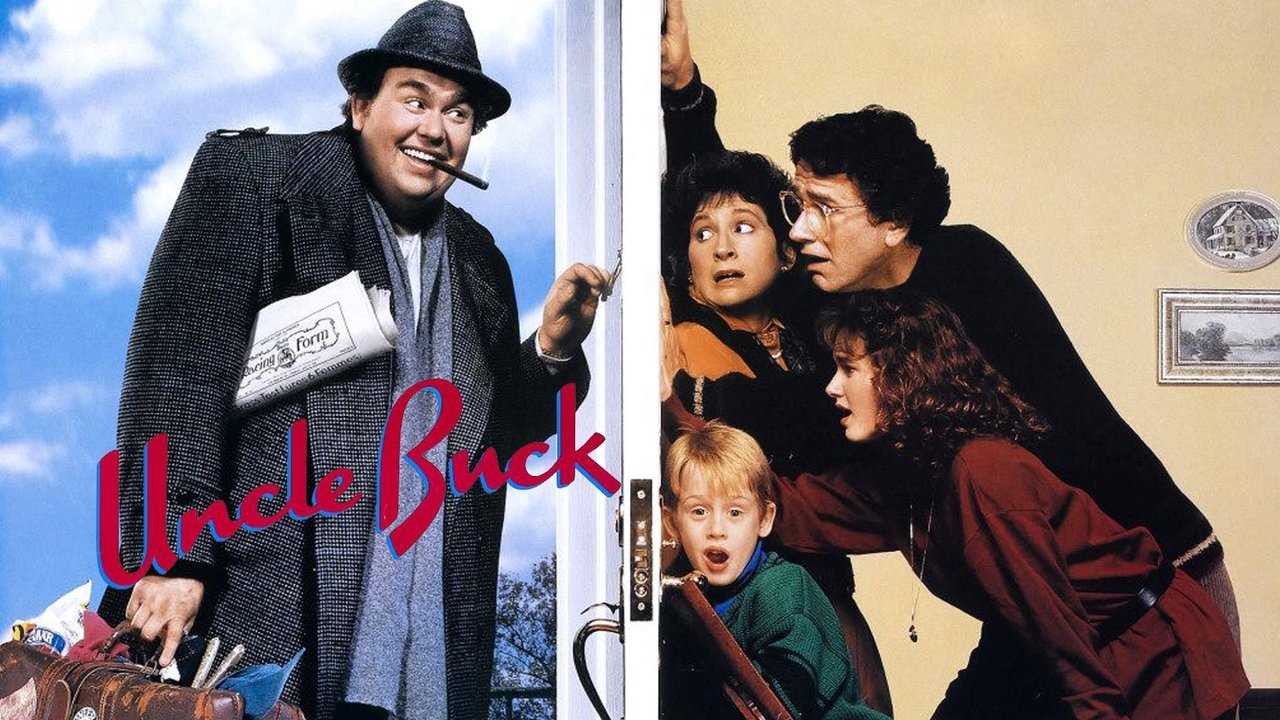
The premise is pure John Hughes: worried parents Bob and Cindy Russell (Garrett M. Brown and Elaine Bromka) have to leave town suddenly and are forced to call upon Bob's estranged, unreliable brother Buck (John Candy) to look after their three kids. What unfolds is a classic fish-out-of-water scenario, but filtered through that unmistakable Hughes lens – a blend of slapstick chaos, genuine warmth, and moments that feel surprisingly real, even amidst the absurdity. Remember watching this on a flickering CRT and feeling Buck was both the coolest and possibly most dangerous babysitter imaginable?
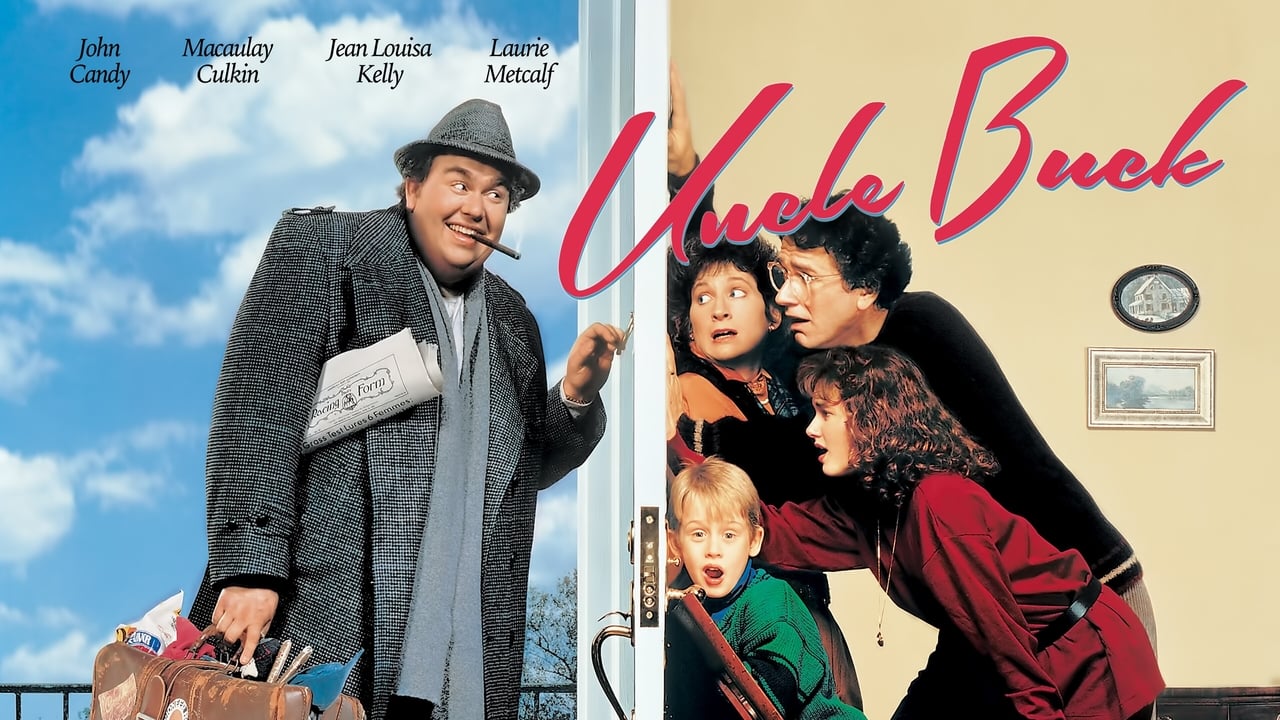
John Candy is Uncle Buck. It’s impossible to imagine anyone else lumbering into that pristine suburban house, cigar perpetually clamped in his teeth, driving that smoke-belching beast of a car (a 1977 Mercury Marquis Brougham, affectionately nicknamed "The Beast"). Hughes, who also directed classics like Sixteen Candles (1984) and Ferris Bueller's Day Off (1986), wrote the part specifically for Candy, and their collaborative magic, previously seen in Planes, Trains and Automobiles (1987), is firing on all cylinders here. Candy effortlessly balances Buck’s slobbish irresponsibility with an underlying fierce loyalty and street-smart wisdom. He’s hilarious, of course – the giant pancake scene alone is legendary – but watch his eyes during the quieter moments, like his awkward attempts to connect with troubled teen Tia. There’s a depth there that elevates the film beyond simple farce.
### Meet the Mini-Russells (and Chanice!)
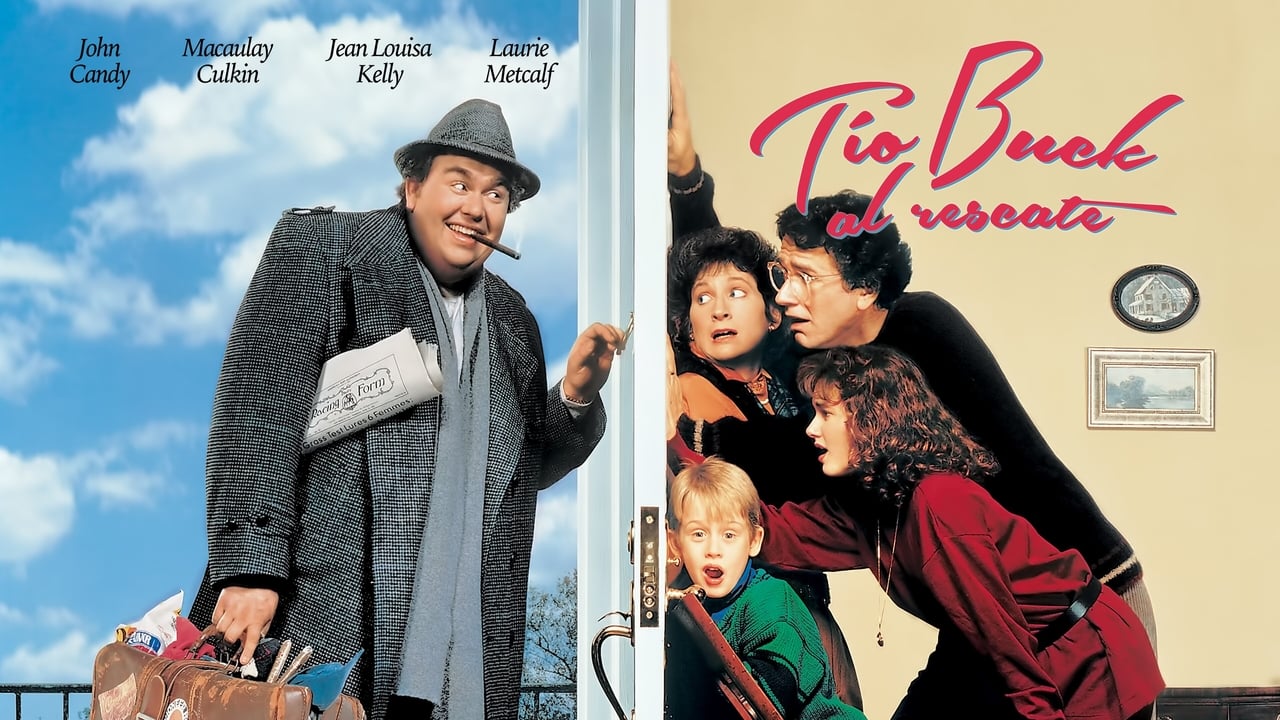
The kids Buck is stuck with are pitch-perfect representations of late-80s suburban youth. There's the cynical, perpetually unimpressed teenager Tia, played brilliantly by Jean Louisa Kelly in her film debut. Her clashes with Buck provide the movie's dramatic core, a genuine battle of wills that feels earned. Fun fact: Kelly apparently nailed her audition by capturing Tia's specific brand of sullen hostility. Then you have the younger siblings: inquisitive Maizy (Gaby Hoffmann, already showing the natural talent seen later in films like Field of Dreams that same year) and the wide-eyed Miles, played by a pre-Home Alone Macaulay Culkin. It's fascinating to see Culkin here, delivering lines like the rapid-fire interrogation of Buck ("Are you my dad's brother? What's your record for consecutive days without changing your underwear?") with the comedic timing that Hughes would soon tap for global superstardom. And let's not forget Amy Madigan as Chanice, Buck's long-suffering but sharp-tongued girlfriend, who provides a necessary grounding force and brings her own brand of weary charm.
### That Hughesian Blend: Laughs, Life Lessons, and a Little Bit of Grunge
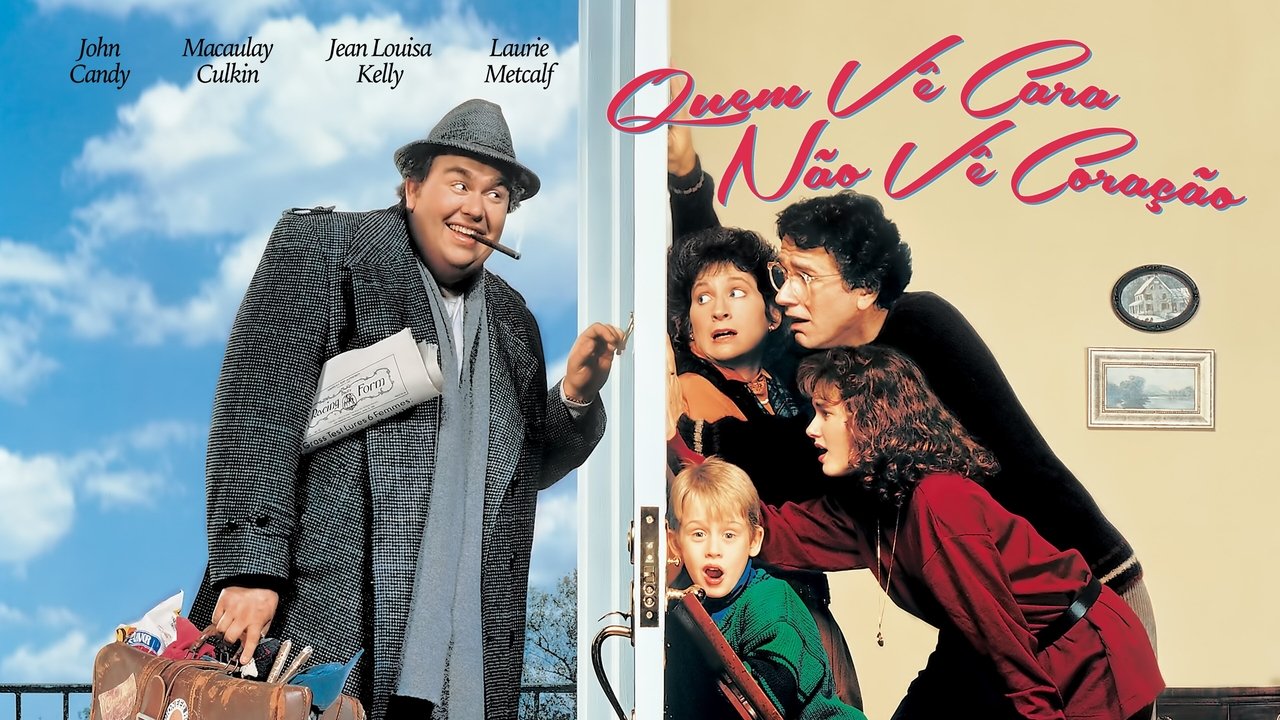
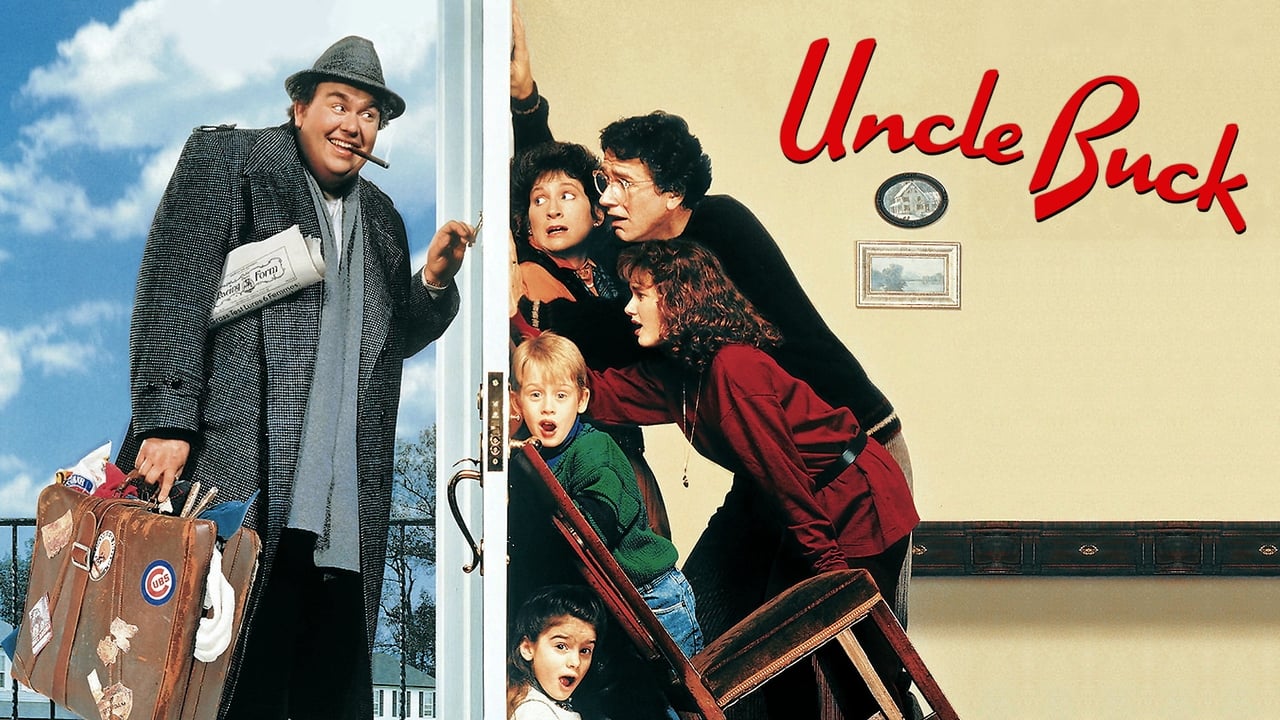
What makes Uncle Buck resonate, even decades later, is Hughes' knack for mixing belly laughs with moments of genuine character development and slightly darker undertones. Buck isn't just a funny uncle; he's a guy with commitment issues, maybe a gambling problem, and a past that makes his family wary. The film doesn't shy away from Tia's genuine teenage angst or the creepy vibes from her manipulative boyfriend, Bug (remember Buck threatening him with a hatchet? You wouldn't see that in many family films today!).
Shooting primarily in the familiar Chicago suburbs that defined Hughes' cinematic universe, the film captures that specific late-80s aesthetic perfectly – the fashion, the interiors, the palpable sense of suburban ennui Tia embodies. Little details stick with you, like the sheer effort involved in Buck making that birthday pancake breakfast, or the satisfyingly grimy practical effect of his car constantly backfiring plumes of smoke. It wasn't CGI perfection; it was tactile, messy, and somehow more real. Did you know the "Beast" actually had smoke effects rigged up, requiring careful coordination? The film was a solid hit upon release, earning nearly $80 million worldwide on a $15 million budget, proving audiences were hungry for Candy and Hughes' particular brand of heart-meets-humor.
### Is Buck Still Welcome?
Watching Uncle Buck today is like flipping through a beloved photo album. Sure, some of the outfits scream 1989, and the pacing might feel a touch more deliberate than modern comedies, but the core appeal remains firmly intact. John Candy delivers a performance for the ages – funny, flawed, and fundamentally decent. The supporting cast is fantastic, and John Hughes crafts a story that, while simple on the surface, touches on universal themes of family, responsibility, and finding connection in unexpected places. It taps directly into that nostalgic warmth, that feeling of discovering a gem on the video store shelf that felt both hilarious and surprisingly grown-up.
Rating: 8.5/10
Why this score? While undeniably a product of its time with some familiar tropes, Uncle Buck transcends simple nostalgia thanks to John Candy's phenomenal, career-defining performance and John Hughes' masterful blend of humor and heart. The supporting cast shines, the jokes largely land, and its slightly edgier take on the family comedy gives it lasting power. It loses a point perhaps for some dated elements and a predictable overall arc, but the execution is superb.
Final Thought: Pull this tape out. Uncle Buck isn't just a relic; it's a testament to John Candy's immense talent and a perfect slice of late-80s filmmaking where laughs and life lessons could share the same messy, wonderful screen. He’s the babysitter you’d simultaneously dread and desperately hope for.