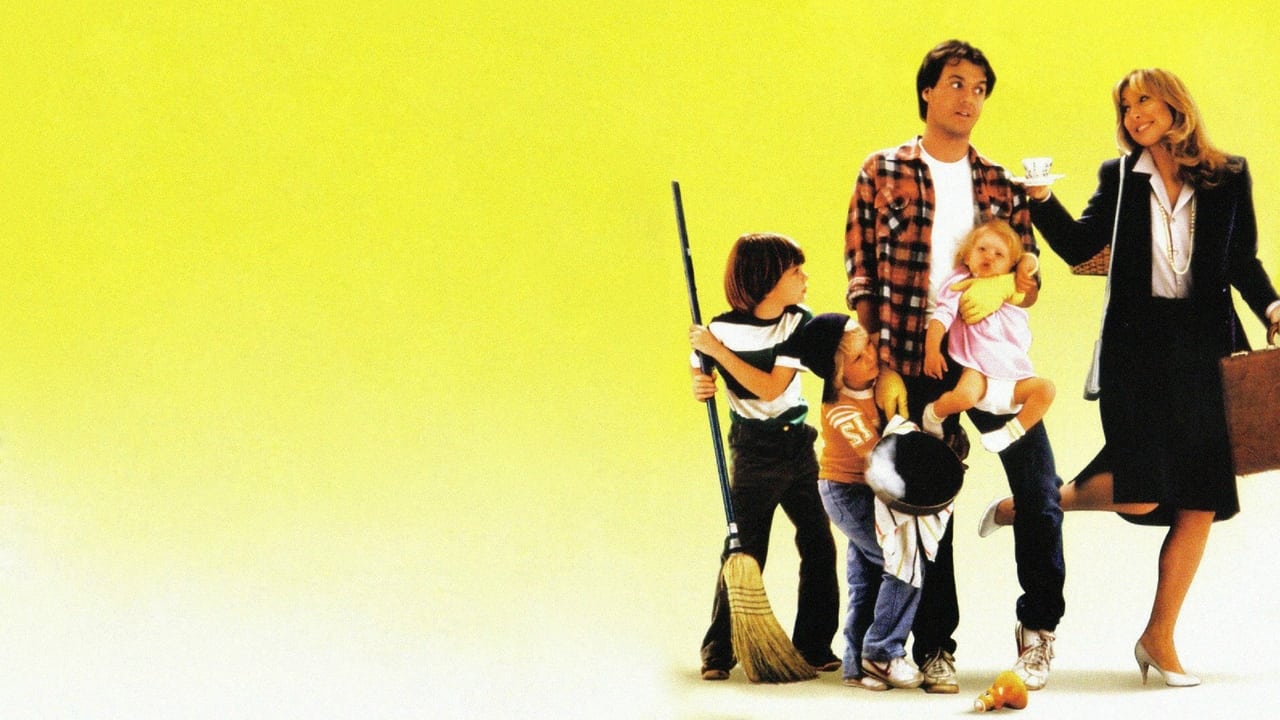
Okay, rewind your minds with me for a second. Picture this: It's Friday night, maybe sometime in the mid-80s. You've just navigated the crowded aisles of the local video store, that familiar scent of plastic cases and slightly dusty carpet in the air. You spot it – that bright yellow cover with a frazzled-looking guy holding a vacuum cleaner like it's an alien weapon. Mr. Mom. The title alone was a hook back then, wasn't it? In an era just starting to grapple with shifting gender roles, the premise felt fresh, funny, and maybe just a little bit subversive.
### When Dad Went Berserk
The setup for Mr. Mom (1983) is beautifully simple, a concept penned by none other than the soon-to-be maestro of teen angst and suburban comedy, John Hughes. Jack Butler (Michael Keaton), a confident auto engineer in Detroit, suddenly finds himself unemployed during a recession. His wife, Caroline (Teri Garr), steps up, landing a great job at an advertising agency run by the impossibly smooth (and smarmy) Ron Richardson (Martin Mull). This leaves Jack holding the domestic bag – navigating school drop-offs, coupon clipping, soap opera addictions, and the sheer bewildering chaos of managing a household and three young kids. It’s a classic fish-out-of-water scenario, tailor-made for comedic gold. And remember, this was Hughes' first major produced screenplay, written from personal experience after a short stint managing his own household, giving it that authentic, slightly frazzled edge beneath the laughs.
### Keaton Unleashed
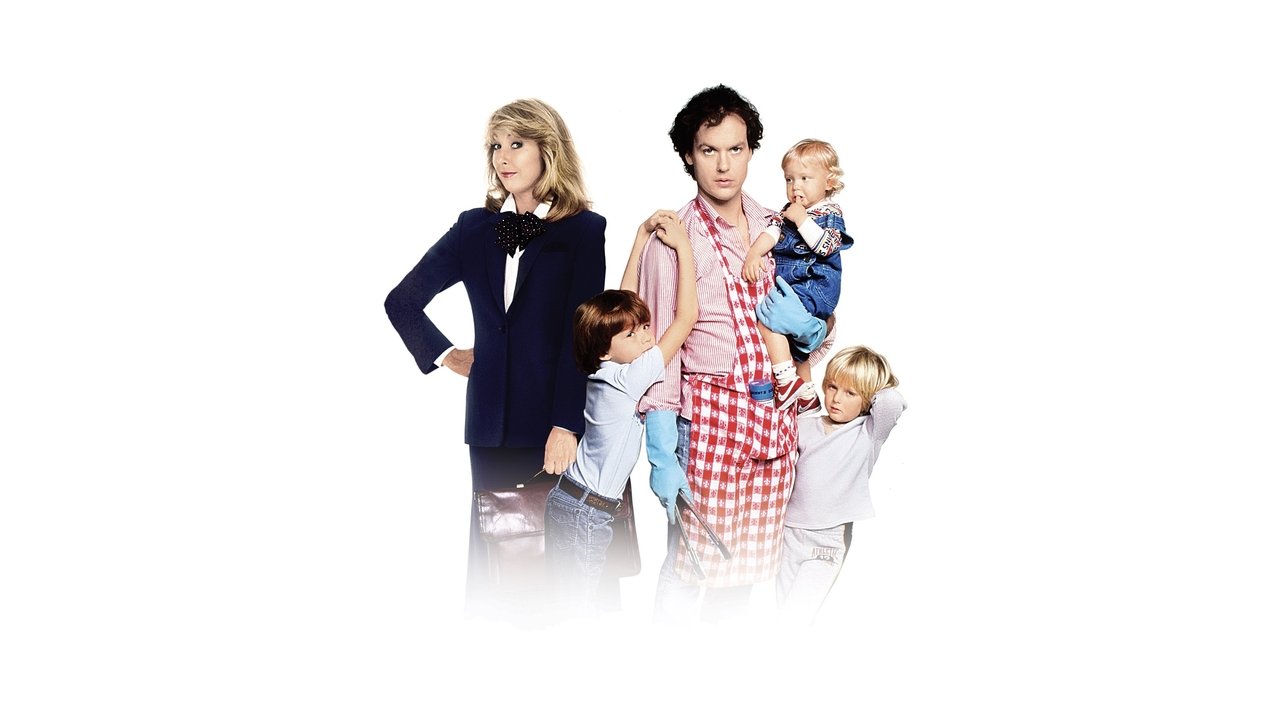
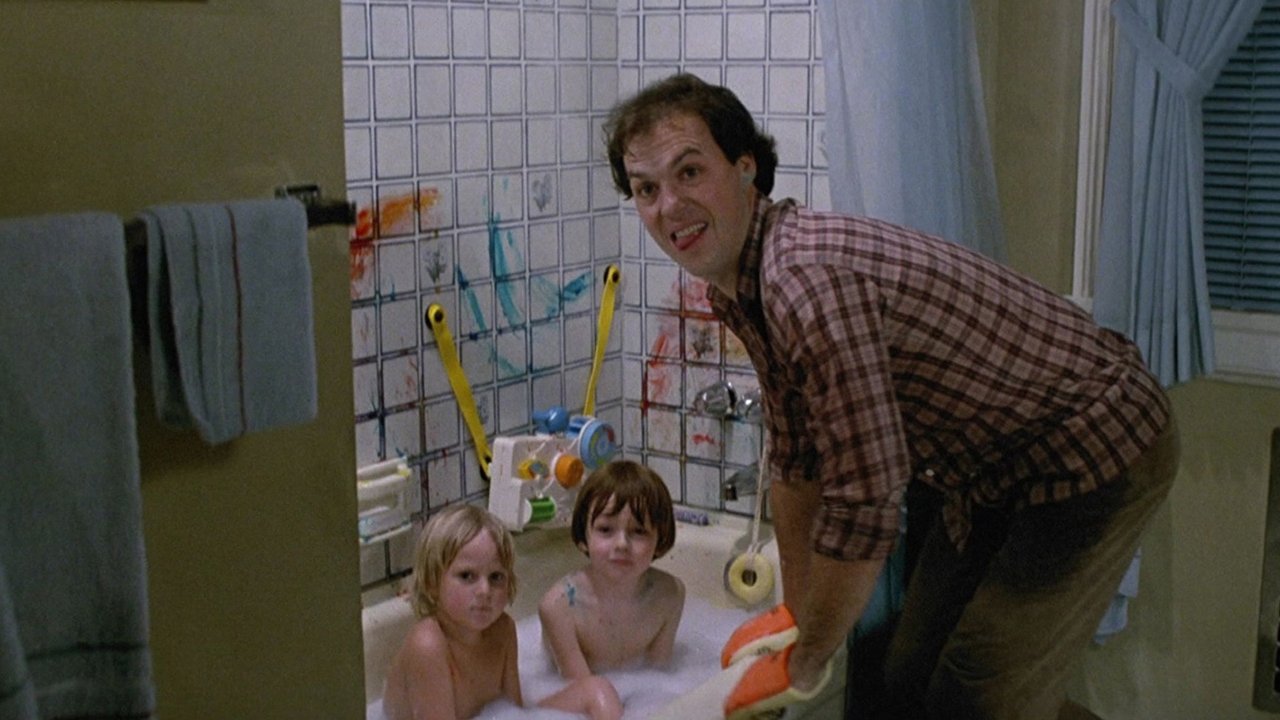
Let’s be honest, this movie belongs to Michael Keaton. Fresh off his manic energy in Night Shift (1982), Mr. Mom cemented him as a leading man with incredible comedic timing and surprising relatability. Watching Jack unravel is pure joy. Who can forget his attempts to tame the sentient vacuum cleaner, the "Woobie" becoming a symbol of comfort amidst the storm, or the legendary grilled cheese sandwich incident involving a clothes iron? (Seriously, did anyone actually try that after seeing the movie?) Keaton throws himself into the physical comedy with gusto, but he also brings a genuine warmth and vulnerability to Jack. You feel his frustration, his wounded pride, and ultimately, his growing appreciation for the sheer difficulty of the job he once took for granted. It's the kind of performance that feels both hilariously heightened and deeply human. You can see the sparks of the future Beetlejuice and Batman right here. It’s fascinating to think that Chevy Chase was reportedly considered for the role – hard to imagine anyone but Keaton capturing that specific blend of frantic energy and bewildered charm.
### More Than Just Dad Jokes
While Keaton shines, the supporting cast is fantastic. Teri Garr is pitch-perfect as Caroline, navigating her own workplace challenges – including the unwanted advances of her boss – while trying to support Jack’s… unique… transition. Garr brings intelligence and grace to a role that could have easily been sidelined. She and Keaton have a believable, lived-in chemistry that anchors the film. And Martin Mull? He practically patented the role of the effortlessly condescending 80s yuppie boss here. Ron Richardson is a villain you love to hate, dripping with insincere charm and corporate jargon. Jeffrey Tambor also pops up memorably as Jack's former boss, Jinx.
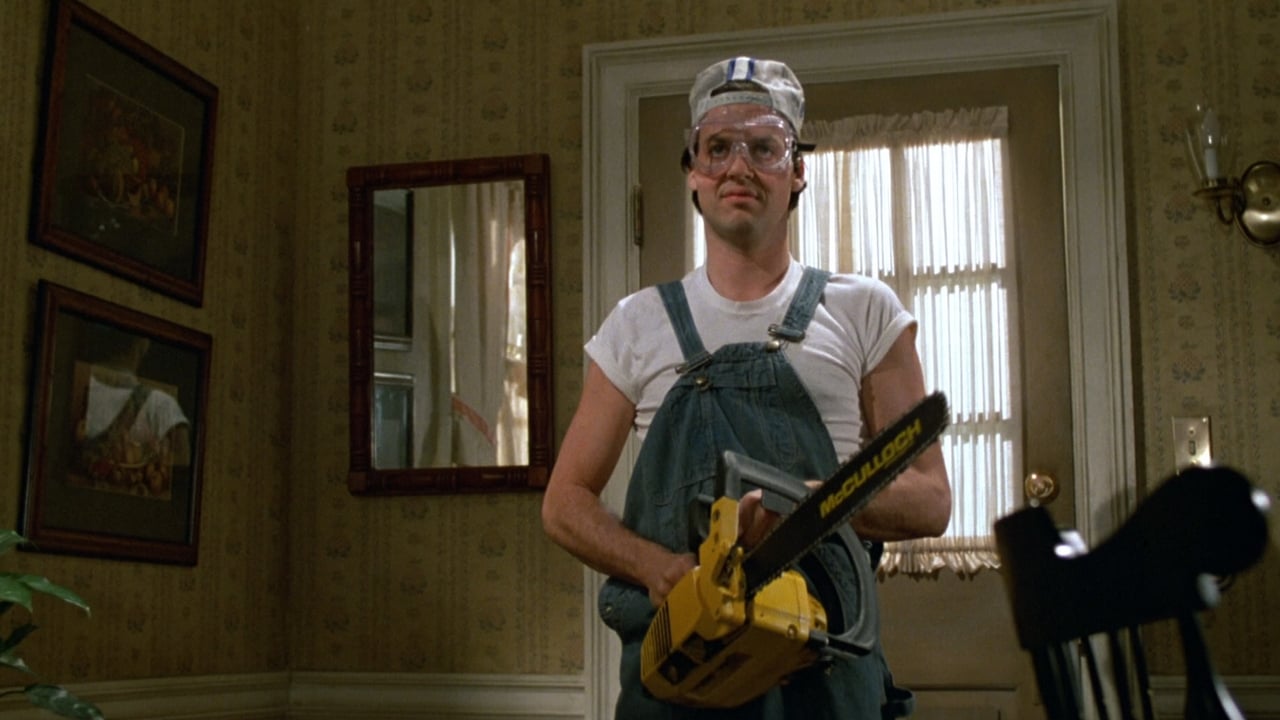
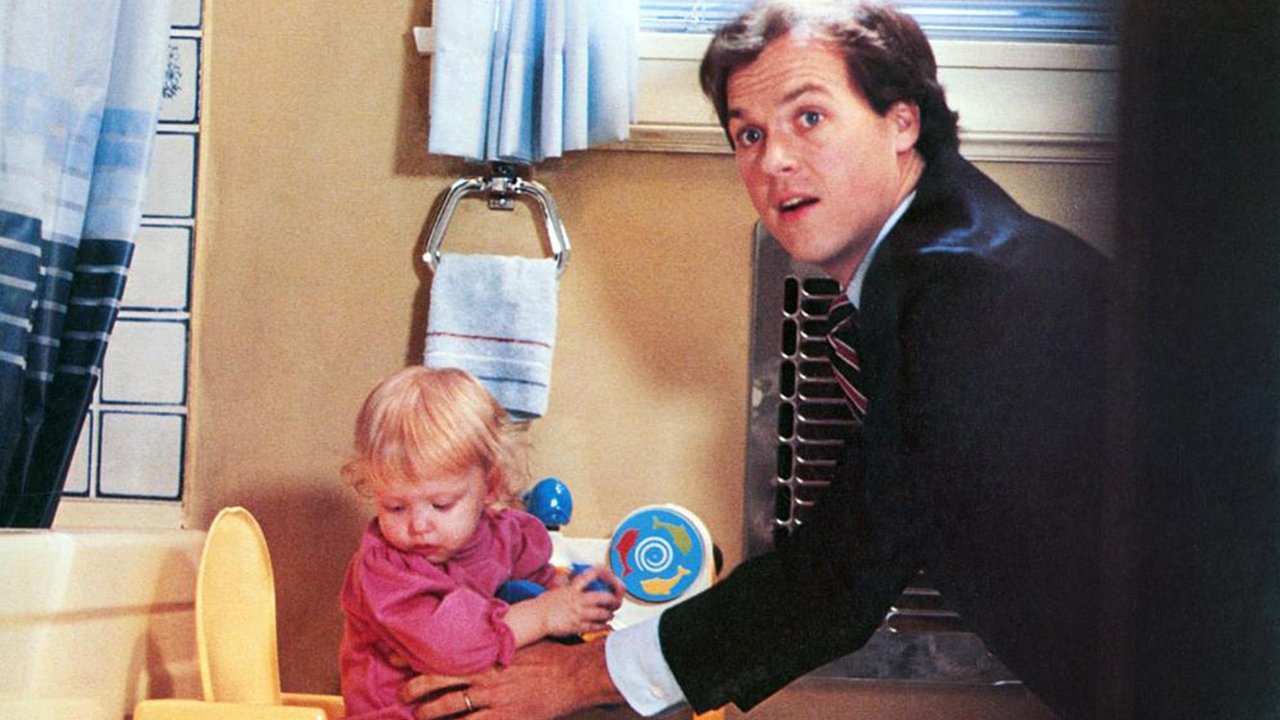
The direction by Stan Dragoti, who also gave us the delightful disco-era spoof Love at First Bite (1979), keeps things moving at a brisk pace. He knows exactly when to lean into the slapstick and when to let the quieter, character-driven moments breathe. The film doesn’t just rely on pratfalls; it finds humor in the everyday absurdities of parenting and domestic life – the supermarket showdown, the poker game fueled by coupons, the hypnotic power of daytime television. Remember those scenes? They felt hilariously exaggerated, yet somehow deeply relatable if you'd ever spent a day wrestling with laundry and small children.
### A Time Capsule Worth Opening
Watching Mr. Mom today is like opening a perfectly preserved time capsule from 1983. The shoulder pads! The wood-paneled station wagons! The casual workplace sexism played for laughs (which, admittedly, lands a bit differently now)! The entire Schooner Tuna subplot feels gloriously dated yet charmingly specific. But beneath the 80s sheen, John Hughes' script taps into something universal: the challenges of partnership, the assumptions we make about roles, and the unexpected ways we find fulfillment. While the premise of a stay-at-home dad might not seem as novel today, the film captured a specific cultural moment with wit and warmth.
Made on a relatively modest budget of around $5 million, Mr. Mom became a bona fide box office smash, pulling in nearly $65 million domestically. Critics were generally kind, but audiences loved it. It struck a chord, offering laughs and a surprisingly sweet story about family adapting to change. It wasn't deep, but it was deeply satisfying entertainment – the kind of movie that became a staple on video store shelves and cable TV for years. I distinctly remember renting this one multiple times, the slightly fuzzy tracking lines on the CRT adding to the charm.
### The Verdict
Mr. Mom is quintessential 80s comfort food comedy. It’s buoyed by a star-making performance from Michael Keaton, sharp writing from a pre-Brat Pack John Hughes, and a supporting cast that perfectly complements the chaos. While some aspects feel undeniably dated, the core humor and heart remain surprisingly effective. It’s a funny, warm, and nostalgic look back at a time when the idea of Dad handling the home front felt like uncharted, hilarious territory.
Rating: 8/10 - The rating reflects its standing as a top-tier 80s comedy driven by an iconic Keaton performance and Hughes' early brilliance. It perfectly captured a moment, delivered huge laughs, and still holds up as genuinely funny and surprisingly sweet entertainment, even if some elements are pure '83.
Final Thought: It might not feature exploding cars or elaborate practical effects, but the domestic disaster zone Jack Butler creates feels just as hilariously destructive – a perfect slice of early 80s chaos, best enjoyed with microwave popcorn.