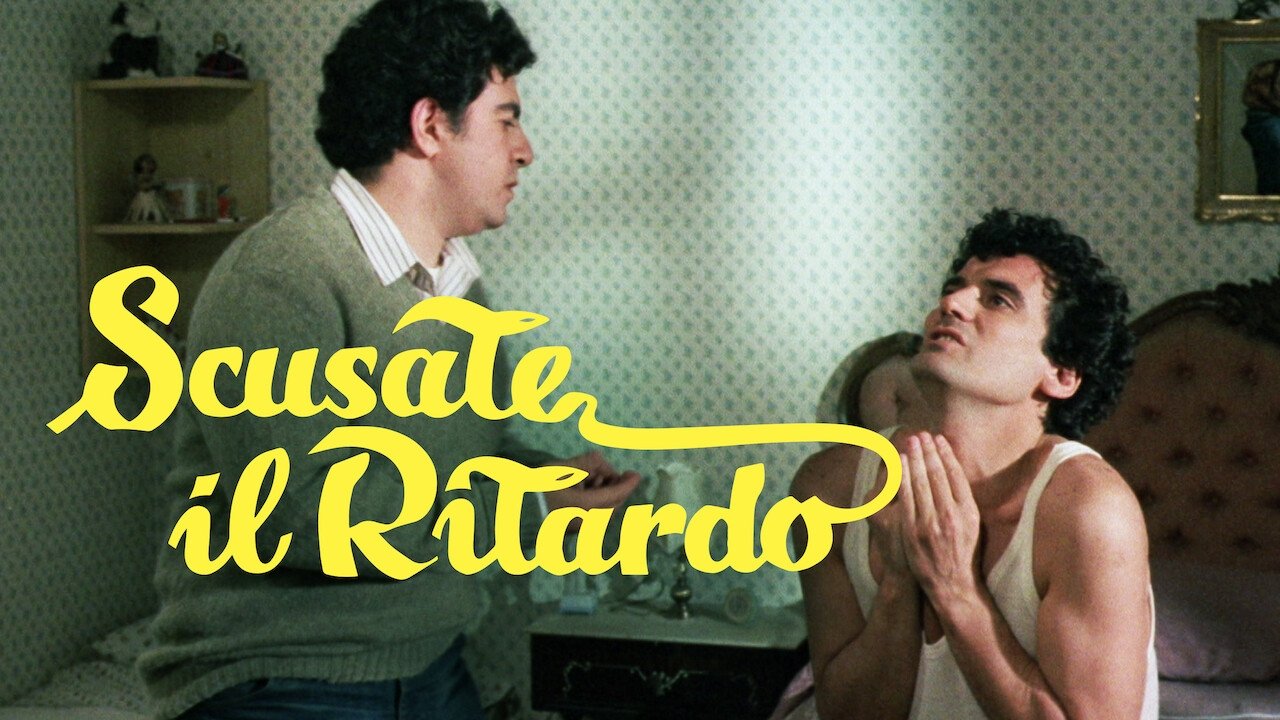
Okay, settle in, maybe pour yourself something comforting. We're digging into a tape that might not have been a blockbuster rental back in the day, but holds a quiet power, a certain kind of melancholy charm that sticks with you. I'm talking about Massimo Troisi's 1983 Italian film, Scusate il ritardo, or Sorry for the Delay. It’s a title that whispers more than it shouts, much like the film itself.
### The Weight of Waiting
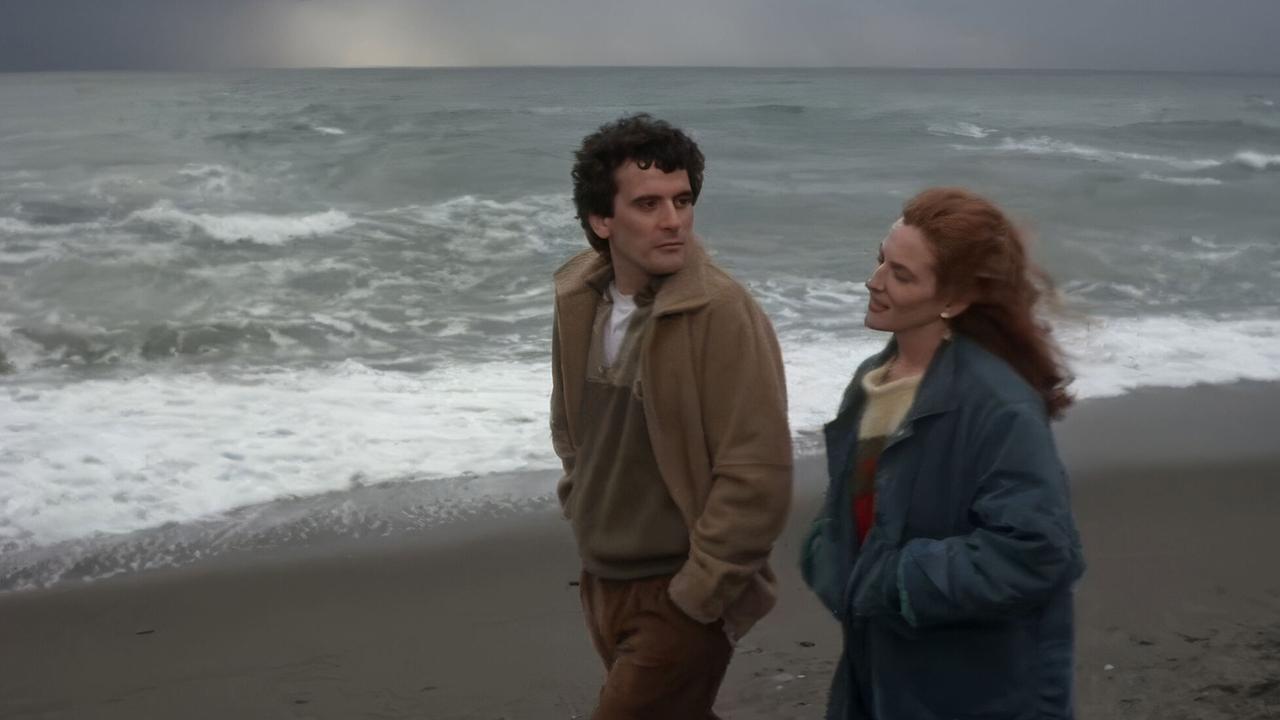
What does it mean to be 'delayed' in life? Not just missing a train, but lagging behind expectations, hesitant to commit, perpetually stuck in the waiting room of your own feelings? This question hangs heavy in the Neapolitan air of Sorry for the Delay. The film centers on Vincenzo, played with an almost agonizingly authentic vulnerability by Massimo Troisi himself, who also directed and co-wrote the screenplay. Vincenzo is unemployed, lives with his family, and seems pathologically incapable of making a decision or taking emotional responsibility. He's adrift, his inaction a palpable force field around him.
### A Portrait of Hesitation
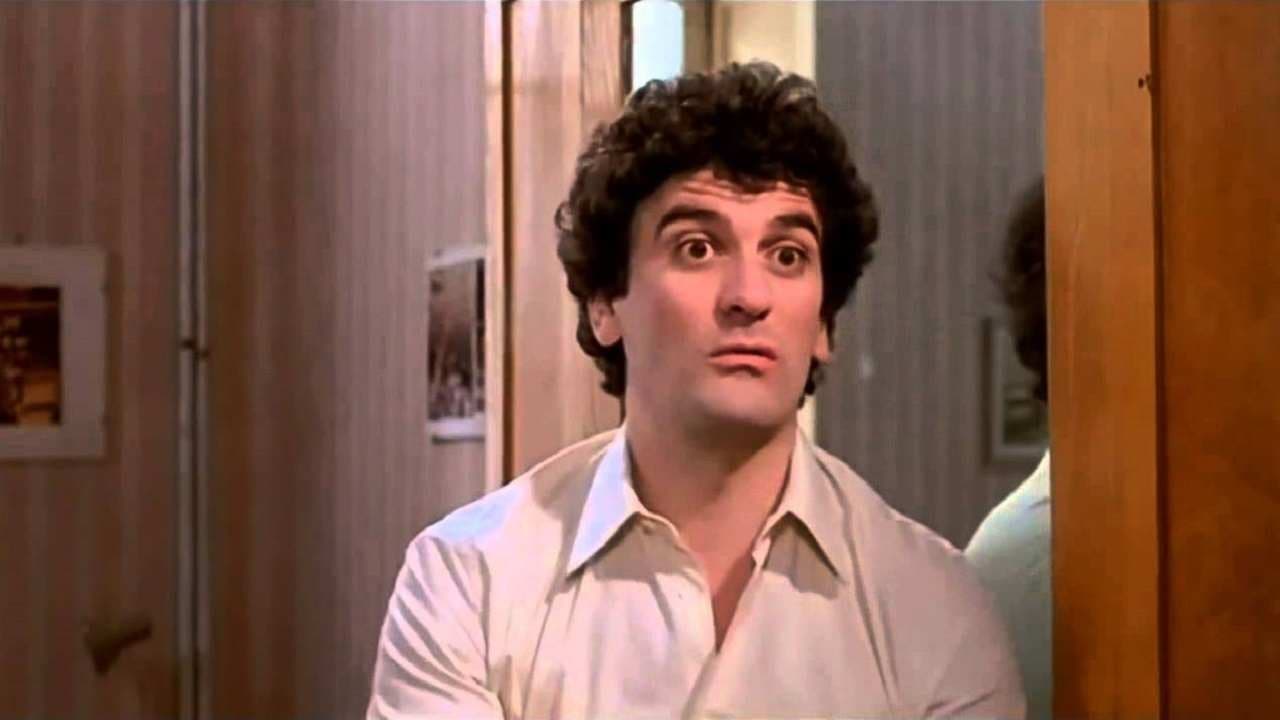
Massimo Troisi wasn't your typical leading man, especially by 80s standards. Forget sculpted heroes or slick operators. Troisi embodied a kind of gentle, fumbling insecurity that was utterly captivating. His performance as Vincenzo is a masterclass in nuance. It's in the slumped shoulders, the hesitant speech patterns often dissolving into near-mumbles, the eyes that dart away from confrontation or commitment. He mines profound humor from awkwardness, but beneath it lies a deep vein of sadness, a paralysis of the heart. It’s a portrayal that feels less like acting and more like witnessing someone navigate the messy, often unspoken anxieties of simply being. Watching him, you understand Vincenzo's frustration, even as you share the exasperation of those around him.
This film arrived two years after Troisi’s phenomenal directorial debut, Ricomincio da tre (Starting Over from Three, 1981), which was a colossal success in Italy. You can almost feel the weight of expectation settling on Sorry for the Delay. Yet, Troisi didn’t pivot to something grander or more commercial. Instead, he doubled down on his introspective style, crafting another deeply personal story. Interestingly, the screenplay was co-written with Anna Pavignano, Troisi’s creative and, at the time, real-life partner. Knowing this adds another layer to the film’s exploration of relationship dynamics, the pushes and pulls between Vincenzo and Anna (Giuliana De Sio), the woman who enters his life and challenges his inertia.
### Naples as a Character, Relationships as Battlegrounds
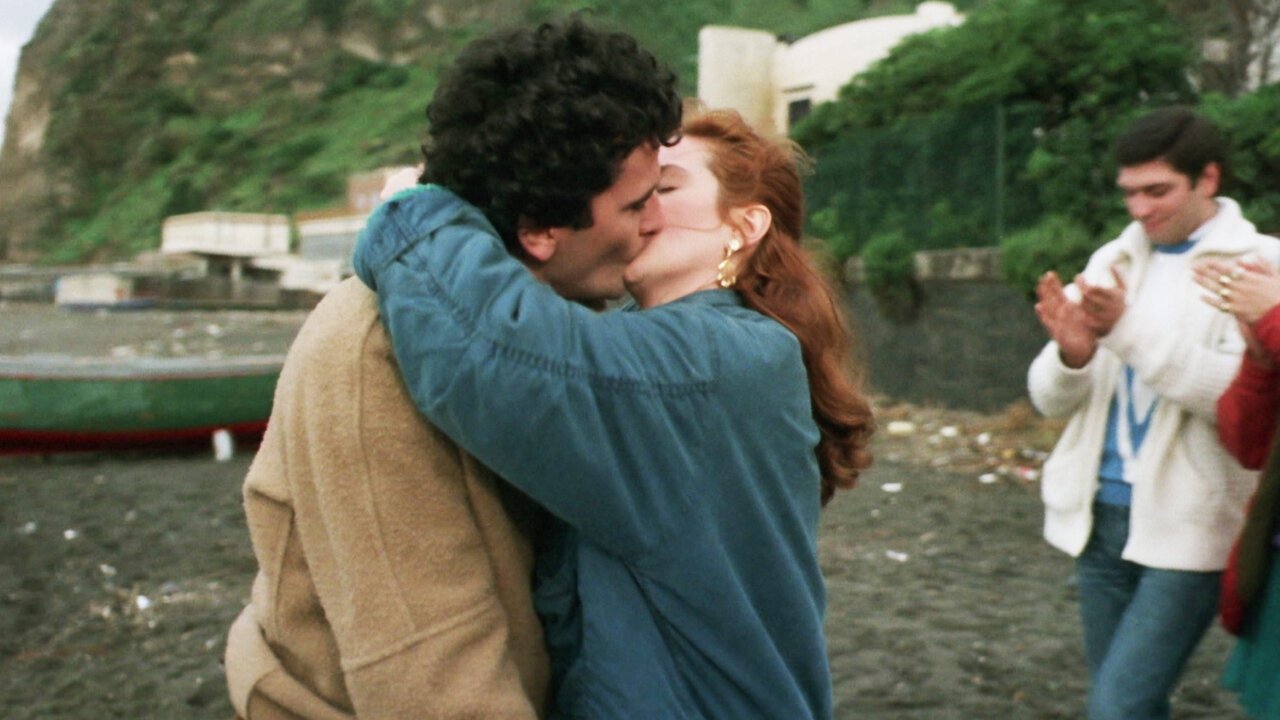
The film breathes the atmosphere of Naples – not the chaotic tourist vision, but the everyday life, the family dynamics, the specific cadence of the local dialect (a key element of Troisi’s humor, sometimes challenging for non-Italian viewers but conveyed through his masterful physicality). Giuliana De Sio as Anna provides the necessary counterpoint to Vincenzo's passivity. She's direct, hopeful, yet increasingly bewildered by his emotional unavailability. Their scenes together are often tinged with a bittersweet quality, moments of potential connection constantly undermined by Vincenzo's deep-seated fears.
And then there's Tonino, Vincenzo's best friend, played by the brilliant Lello Arena. Arena was Troisi's long-time collaborator, part of the famed comedic trio 'La Smorfia' that launched their careers. Tonino is dealing with his own profound grief, offering a darker shade of melancholy that contrasts with Vincenzo's more self-inflicted stasis. Their interactions are some of the film's highlights, showcasing Troisi and Arena’s incredible comedic timing and underlying dramatic chemistry, honed over years of working together. The humor here isn't about punchlines; it's observational, born from relatable human failings and the absurdity of miscommunication.
### More Than Just Mumbles: Troisi's Craft
As a director, Troisi mirrors his acting style: understated, observational, patient. He lets scenes breathe, allowing the quiet moments and unspoken tensions to register. There are no flashy camera moves or stylistic flourishes. The focus is squarely on the characters and their internal landscapes. It’s a choice that reinforces the film’s themes – the camera often feels as hesitant and watchful as Vincenzo himself.
It’s poignant, too, to watch Troisi in this relatively early work, knowing the heart condition he battled throughout his life, which tragically cut his career short after completing Il Postino (The Postman, 1994). There's a fragility visible even here, beneath the humor, that resonates differently in retrospect. Sorry for the Delay wasn't just a movie title; it felt like a philosophy, perhaps reflecting Troisi's own careful negotiation with life. Despite its introspective nature, the film was another significant success in Italy, confirming Troisi's unique connection with his audience. They saw themselves, perhaps, in his charmingly flawed humanity.
### Final Thoughts: The Echo of Hesitation
Sorry for the Delay isn't a film that provides easy answers or neat resolutions. It lingers, much like Vincenzo's indecision. It’s a quiet exploration of male vulnerability, the fear of love, and the paralysis that can stem from simply feeling overwhelmed by life's demands. It might lack the broad appeal of some 80s staples, but for those who appreciate character-driven stories steeped in authentic emotion and subtle humor, it’s a gem worth uncovering on that dusty VHS shelf. It reminds us that sometimes, the most profound journeys are the internal ones, even if they proceed with agonizing slowness.
Rating: 8/10 - This score reflects the film's masterful central performance, its unique blend of poignant humor and melancholy, and its insightful, deeply human portrayal of emotional paralysis. It may be quieter and more specific in its cultural context than some international hits, preventing a higher score for a general audience, but its artistic integrity and Massimo Troisi's singular talent shine brightly.
It leaves you wondering: how many opportunities do we miss, simply because we're 'delayed' by our own fears? A question as relevant now as it was when the tape first started rolling in 1983.