There’s a peculiar kind of stillness at the heart of Massimo Troisi's 1987 film, Le vie del Signore sono finite (often translated as The Ways of the Lord Are Over). It’s not just the physical paralysis confining its protagonist, Camillo Pianese, to a wheelchair, ostensibly after falling from a tree while spying on his beloved. It feels like a deeper inertia, a quiet resignation settling over a man – and perhaps hinting at a nation – caught between personal heartbreak and the imposing shadow of 1930s Fascism. It’s a film that unfolds with the gentle melancholy and hesitant charm so characteristic of Troisi, a voice silenced far too soon.
A Heart Confined
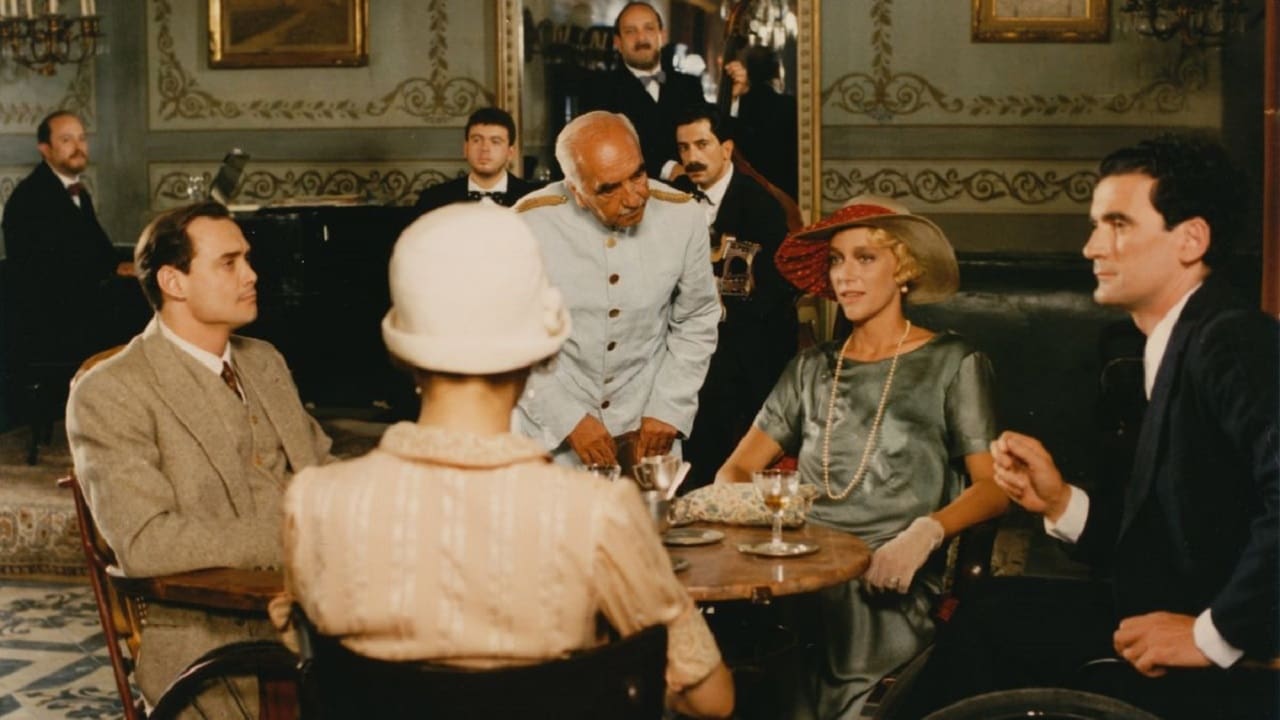
At the centre, of course, is Massimo Troisi himself as Camillo, a barber rendered immobile not by physical injury, but seemingly by the sheer weight of unrequited love and emotional paralysis. Troisi, who also directed and co-wrote the screenplay with his frequent collaborator Anna Pavignano (the partnership that gave us the sublime Ricomincio da tre (1981) and later, Il Postino (1994)), embodies Camillo with that unique blend of vulnerability and deadpan humour that was his trademark. His physicality, even confined to the chair, speaks volumes – the slight shifts, the expressive eyes, the mumbled deliveries that seem to excavate profound truths from everyday banalities. It's a performance less about grand gestures and more about the quiet hum of internal struggle. Is his paralysis real, psychosomatic, or perhaps a convenient shield against a world he finds difficult to navigate? The film leaves that beautifully ambiguous.
Watching Troisi, particularly knowing the heart condition he battled throughout his life (stemming from childhood rheumatic fever), adds another layer of poignancy. While Camillo’s condition is presented differently, the fragility and gentle spirit Troisi projected always felt deeply authentic, resonating powerfully in this role of a man physically and emotionally stuck.
Echoes of an Era
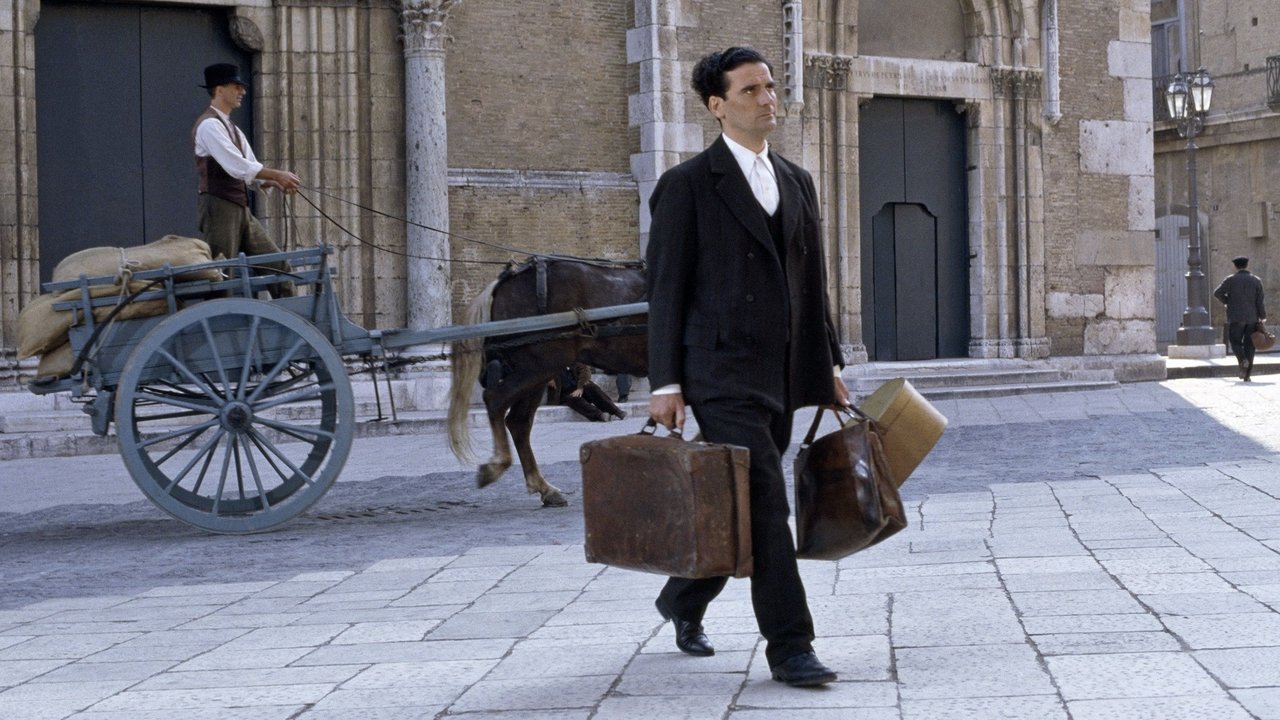
The setting, a small town in Troisi's native Campania (filmed largely in picturesque Aquara), feels authentic. The Italy of the 1930s isn't just window dressing; the looming presence of Fascism subtly informs the atmosphere. There’s a sense of lives lived under constraint, of unspoken anxieties mirroring Camillo’s own confinement. It’s not a overtly political film, but the backdrop adds a specific gravity. We see the uniforms, the subtle pressures, the way ideology seeps into the fabric of daily life, making Camillo’s personal stasis feel somehow symptomatic of the times.
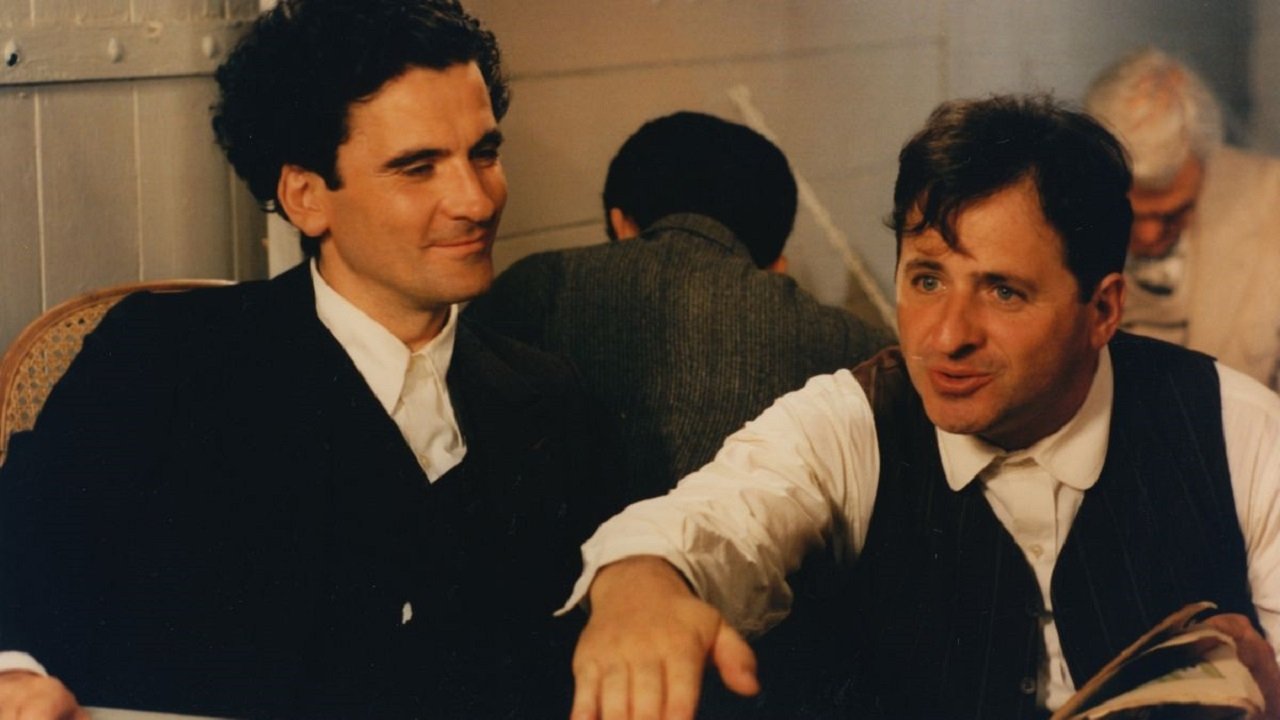
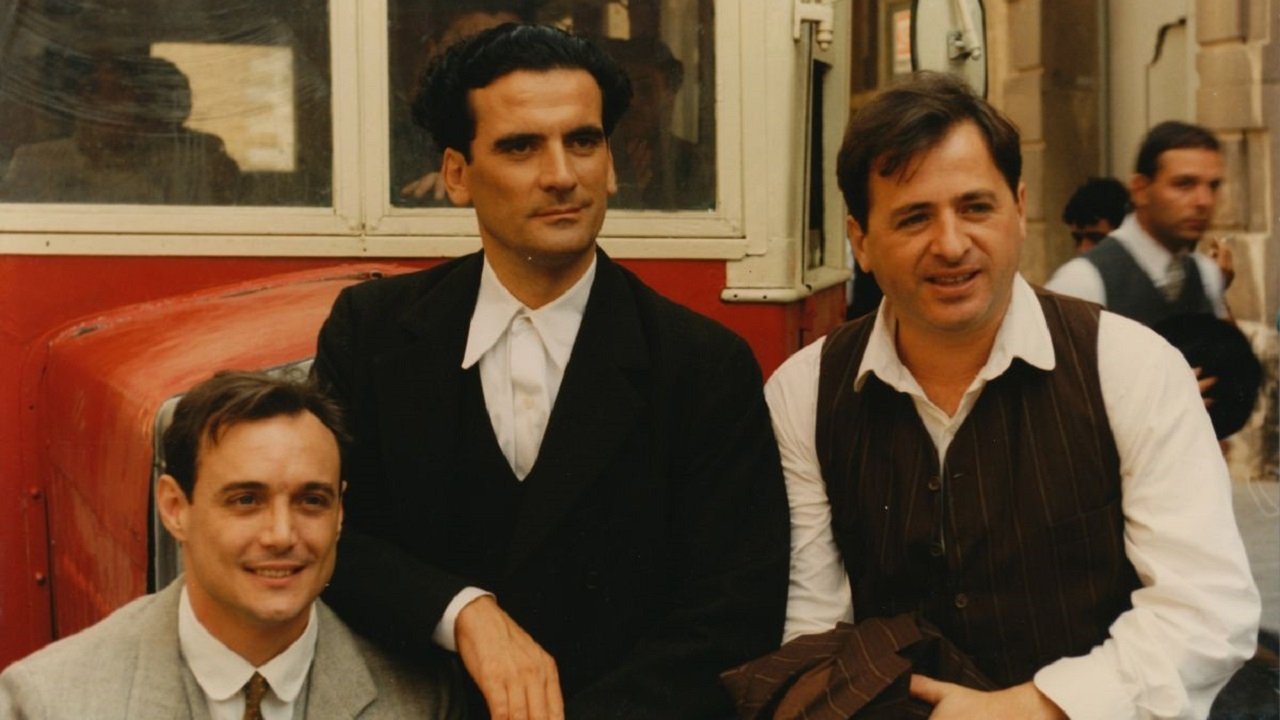
Into this world comes Vittoria (Jo Champa), an American beauty who captures Camillo's attention, offering a glimmer of hope or perhaps further complication. Champa brings a necessary contrast, an outsider perspective to the close-knit, traditional community. However, the film's real emotional core often lies in the relationship between Camillo and his loyal friend and brother-figure, Orlando, played with wonderful warmth and grounded frustration by Marco Messeri. Orlando is the pragmatist, the one trying to understand and help Camillo, their interactions providing much of the film's gentle humour and touching moments. Their rapport feels lived-in, a testament to their real-life collaborations.
A Director's Gentle Touch
As a director, Troisi favoured character and atmosphere over narrative fireworks. Le vie del Signore sono finite moves at its own pace, allowing moments to breathe. Some might find it slow, but the rhythm feels deliberate, mirroring Camillo's own stalled existence. The screenplay, which deservedly won a David di Donatello award (Italy's equivalent of the Oscars), is rich with nuanced observations about communication – or the lack thereof – love, faith, and the peculiar ways we cope with pain. The title itself, a wry inversion of the proverb "Le vie del Signore sono infinite" ("The ways of the Lord are infinite"), perfectly encapsulates the film's blend of gentle skepticism and humanist warmth.
Discovering films like this back in the VHS era often felt like finding a hidden gem, a different flavour from the Hollywood mainstream. Troisi’s work wasn't about laugh-out-loud gags; it was about the humour found in awkwardness, the sadness lurking beneath a shy smile. It’s no surprise this film struck a chord in Italy, reportedly becoming the highest-grossing domestic film of its season. It spoke a language of the heart, familiar and deeply felt.
Lingering Questions
What stays with you after the credits roll? Perhaps it's the image of Camillo, stuck yet somehow still searching. Or maybe it’s the quiet resilience of Orlando’s friendship. The film doesn't offer easy answers about Camillo's condition or his future. Instead, it invites reflection on the invisible walls we build around ourselves, the ways love can both wound and potentially heal, and the courage it takes to simply keep going, even when the path forward seems utterly obscured. Doesn't that resonate, regardless of the era?
Rating: 8/10
This score reflects the film's unique blend of humour and pathos, anchored by Massimo Troisi's deeply affecting central performance and sensitive direction. The pacing might test some viewers, and the narrative meanders occasionally, but its emotional honesty, atmospheric setting, and the sheer heart poured into it make it a standout example of 80s Italian cinema. It avoids easy sentimentality, offering instead a thoughtful, bittersweet exploration of human fragility.
A truly gentle, funny, and ultimately moving piece from a talent whose ways, unlike the Lord's perhaps, were tragically finite, leaving us wishing for just one more hesitant smile, one more mumbled insight.